Tenshin Ryu Budo
- Tenshin Ryu
Often translated as “The School of Divine Will” — is a modern martial system founded by Tomio Otani. Contemporary in structure yet traditional in spirit, it stands as a living expression of Budo — shaped by classical influence, refined through experience, and carried forward for the present generation.
Otani Sensei did not attempt to preserve an ancient battlefield ryū unchanged. Instead, he forged a cohesive system rooted in the principles of older traditions while expressing them through a unified modern framework.
Classical Influences
The character of Tenshin Ryu reflects study and influence from established Japanese traditions:
Tenshin Shoden Katori Shinto-ryu
Yagyu Shinkage-ryu
Omori-ryu
These influences were absorbed and internalised rather than imitated. Tenshin Ryu honours tradition while maintaining its own identity.
Philosophical Foundation – Kyushindo
At the heart of Tenshin Ryu lies the philosophy of Kyushindo, transmitted to Otani Sensei by Kenshiro Abbe.
Kyushindo teaches:
Continuous growth along an ever-deepening path.
Unity of heart, mind, and action.
The pursuit of essential truth beyond outward form.
This philosophy ensures that Tenshin Ryu remains not only a system of technique, but a path of personal cultivation.
Integrated Disciplines of Tenshin Ryu
Tenshin Ryu is structured as a unified expression of body, weapon, and spirit.
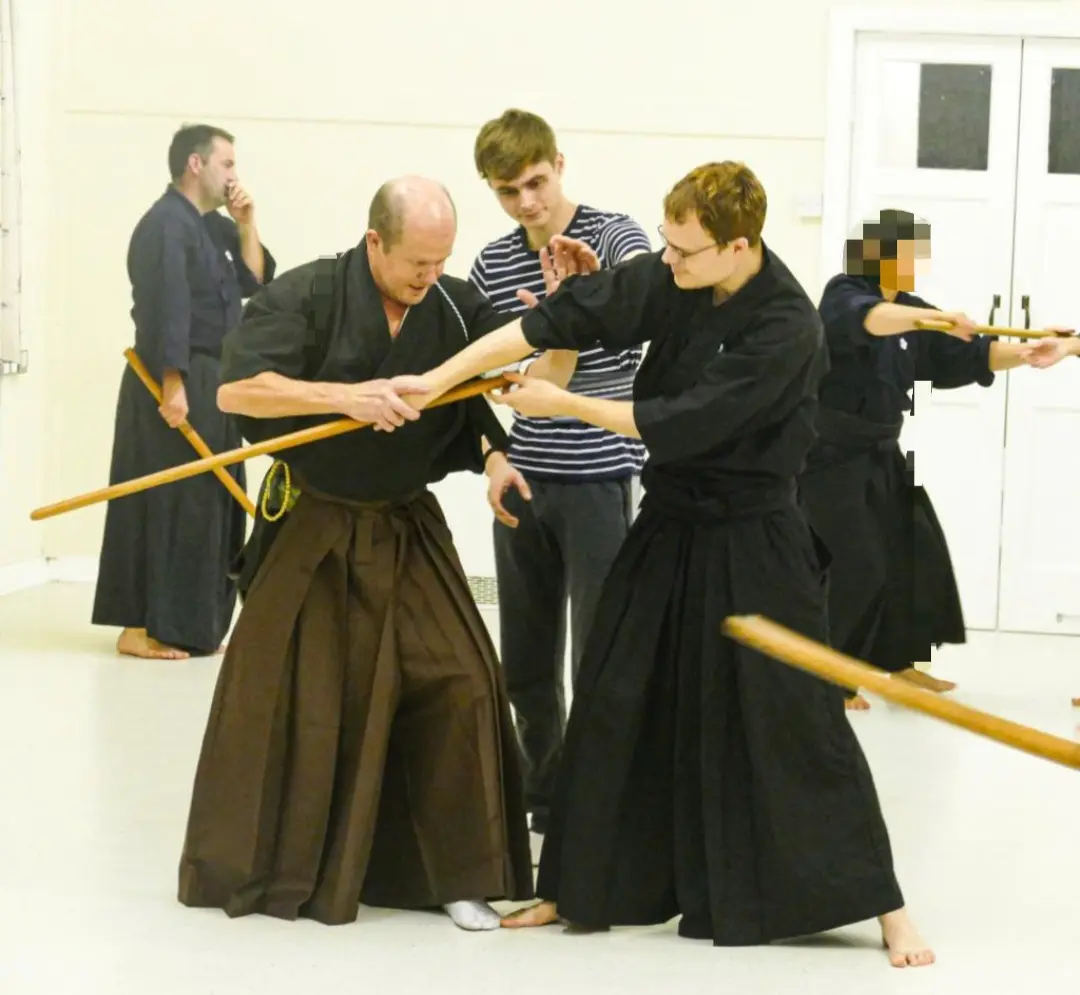
Taijutsu
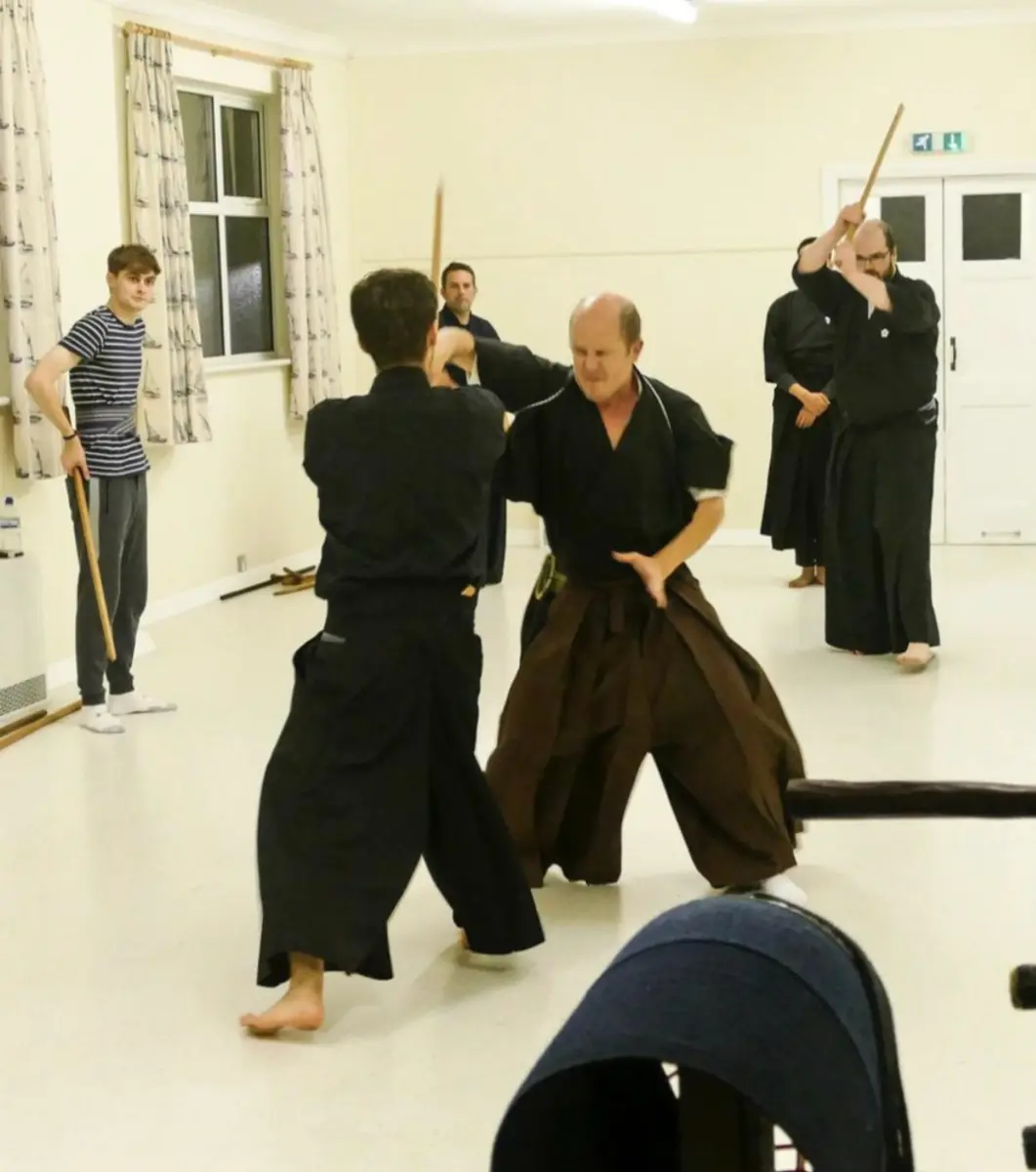
The study of body movement and applied empty-hand principle. Taijutsu within Tenshin Ryu encompasses striking, locking, throwing, controlling, and transitional movement. It develops posture, balance, distancing, and adaptability. Rather than separating systems,
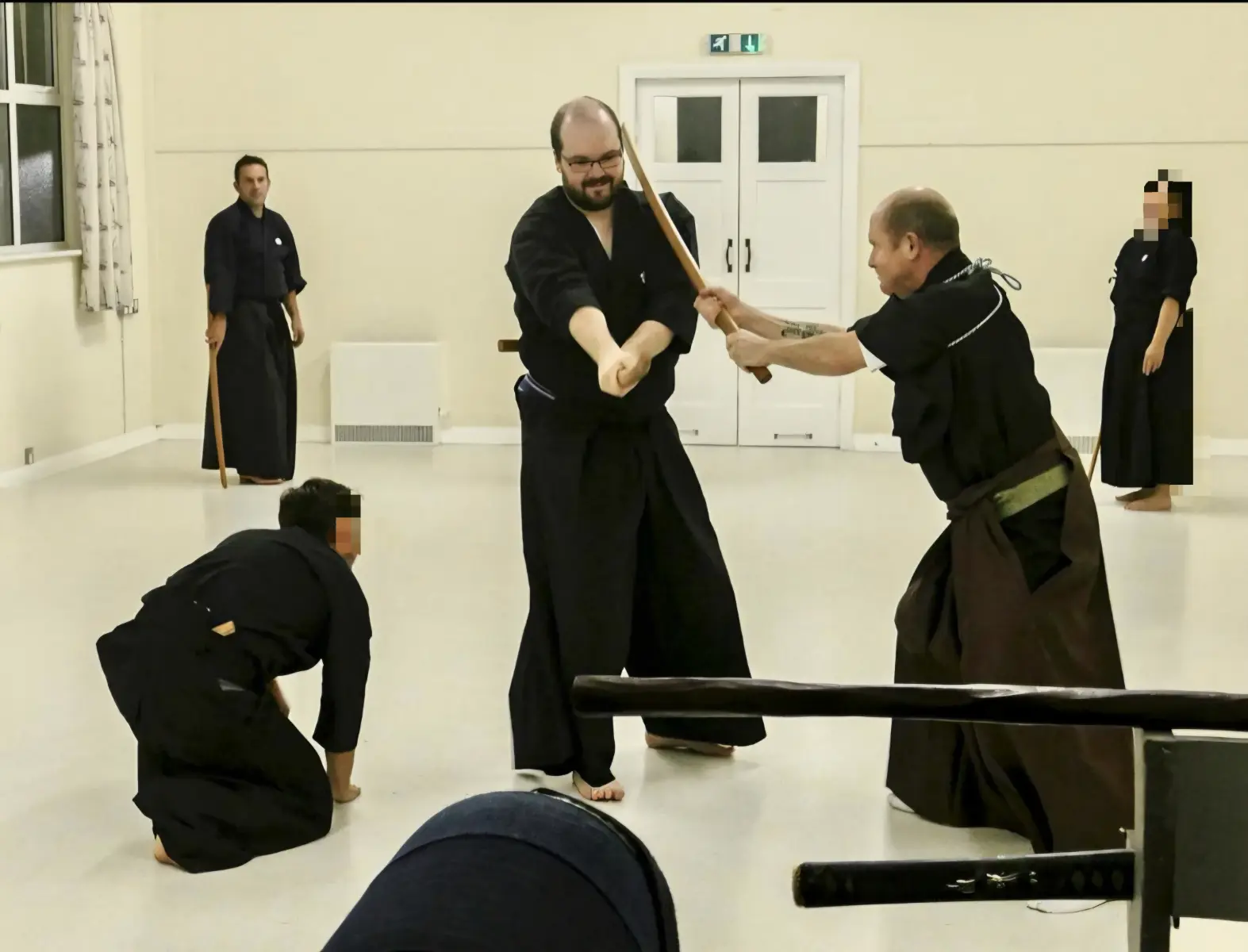
Taijutsu expresses the body as a single integrated weapon — responsive, efficient, and composed under pressure.
Iaido
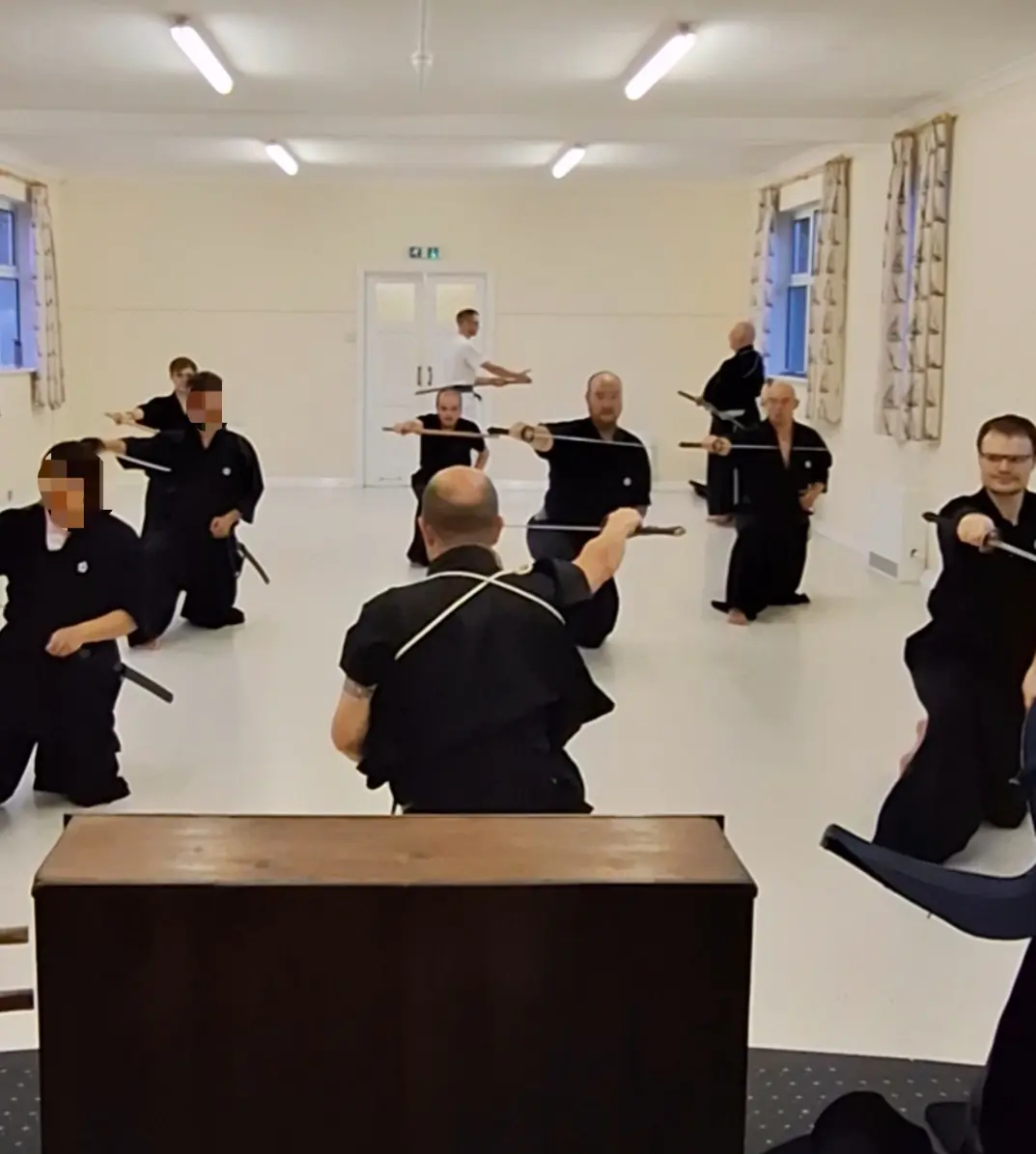
The formal art of drawing the sword. Iaido refines precision, posture, breath, and mental clarity. Each movement begins in stillness and concludes in awareness, cultivating decisiveness without haste.
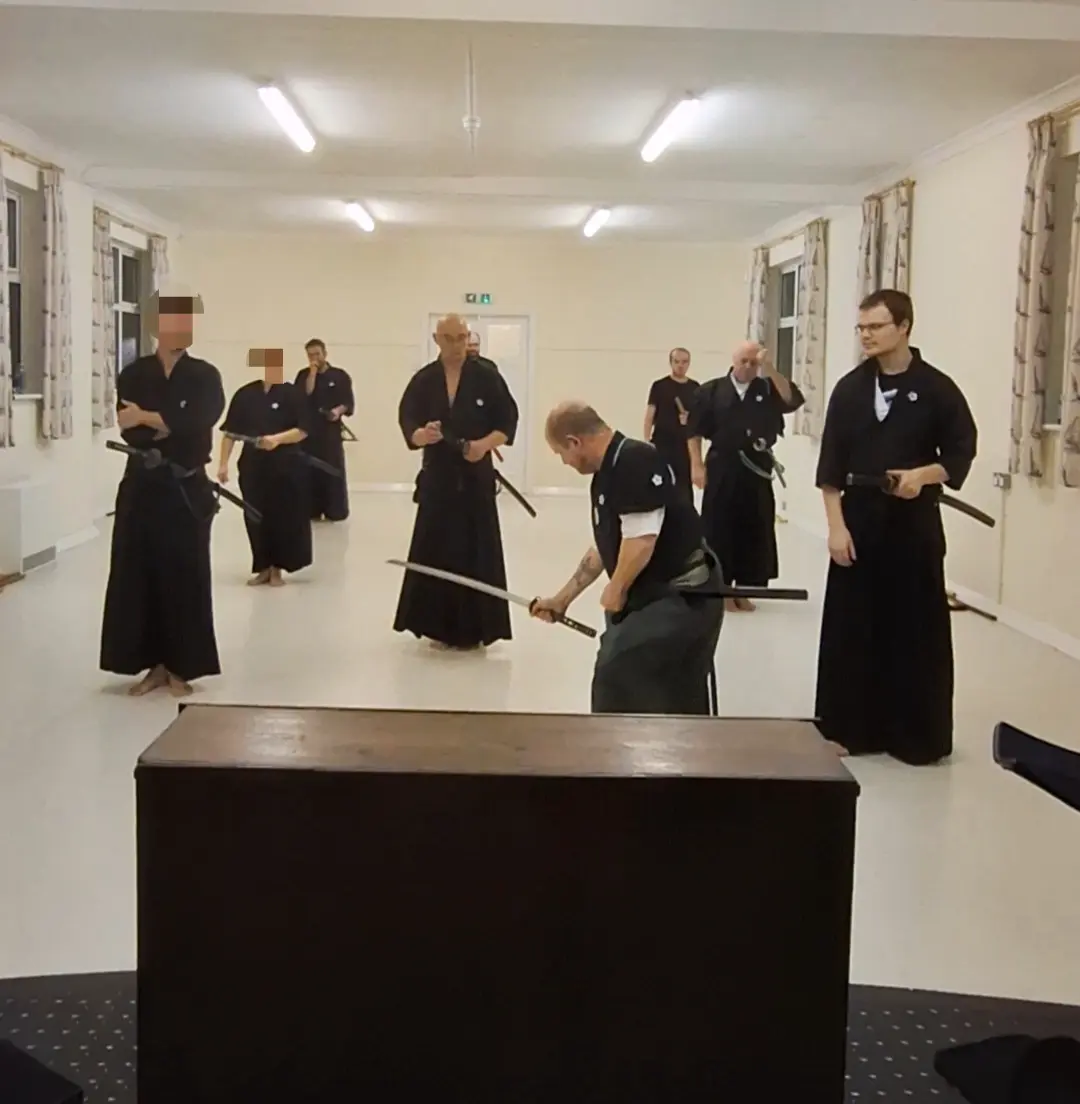
Iaijutsu
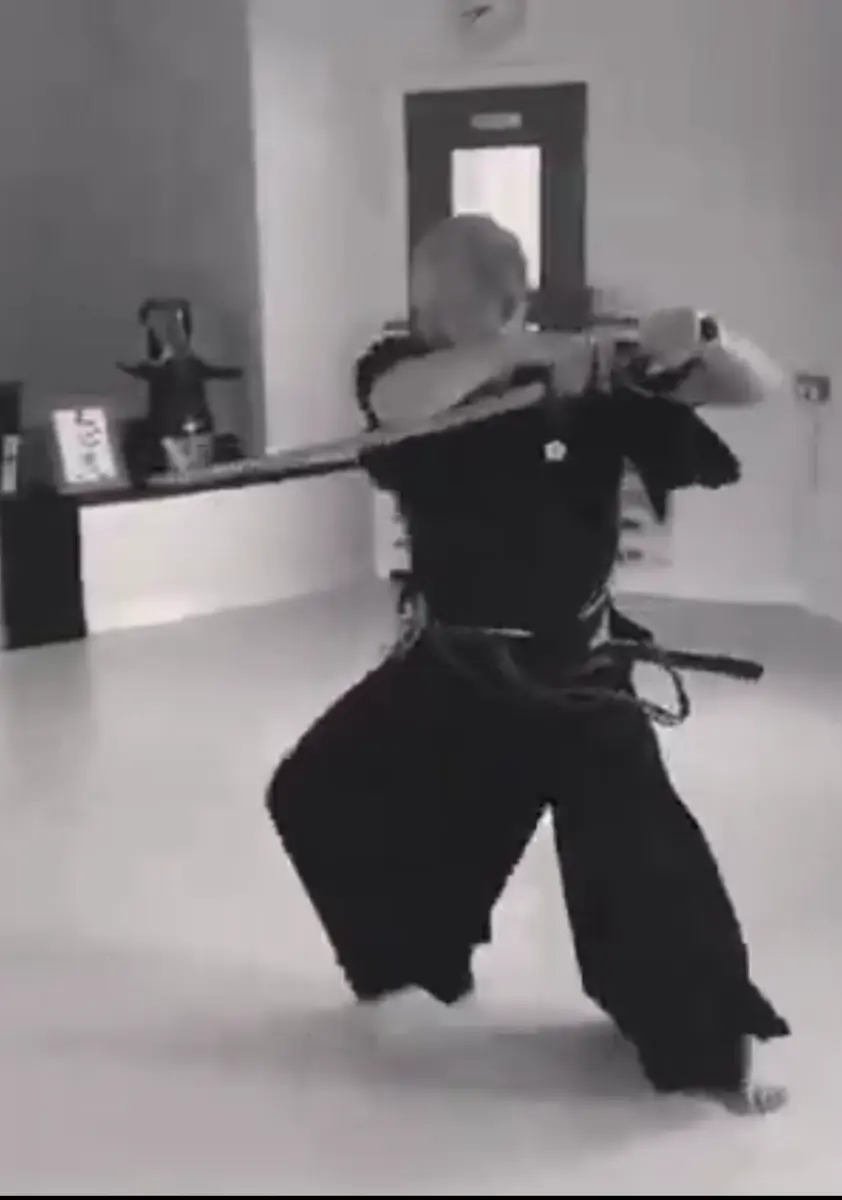
The combative application of sword drawing. Where Iaido emphasises refinement, Iaijutsu explores immediate practicality — responding to threat with directness and control. It sharpens initiative, perception, and tactical understanding.
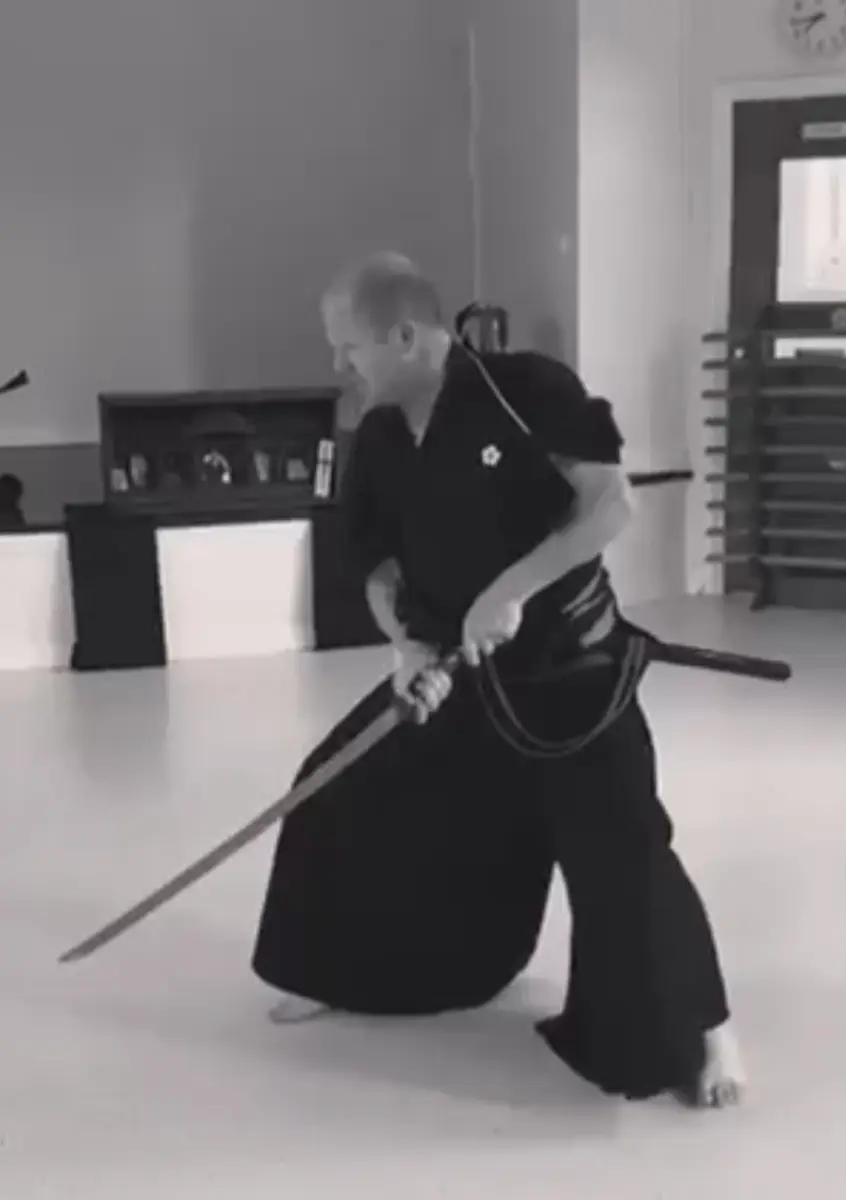
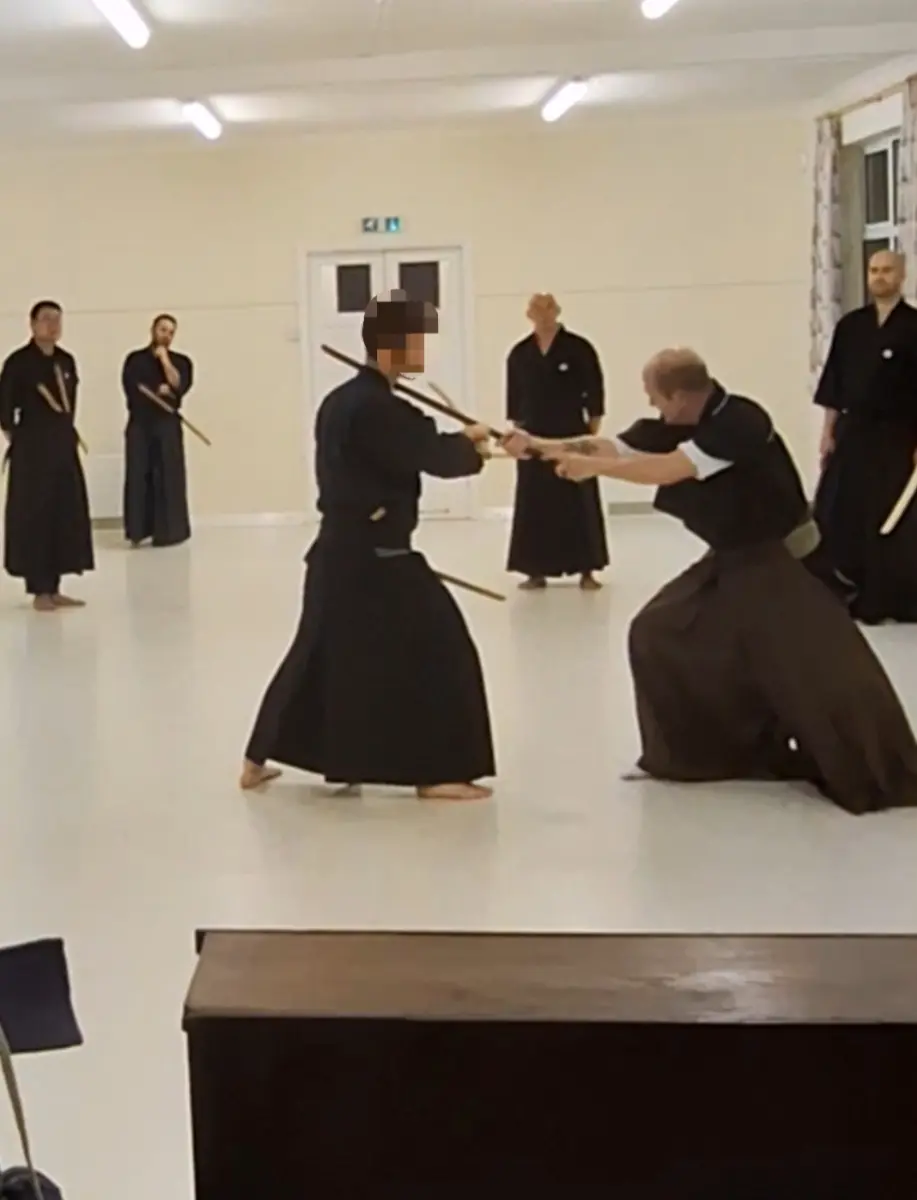
Kenjutsu
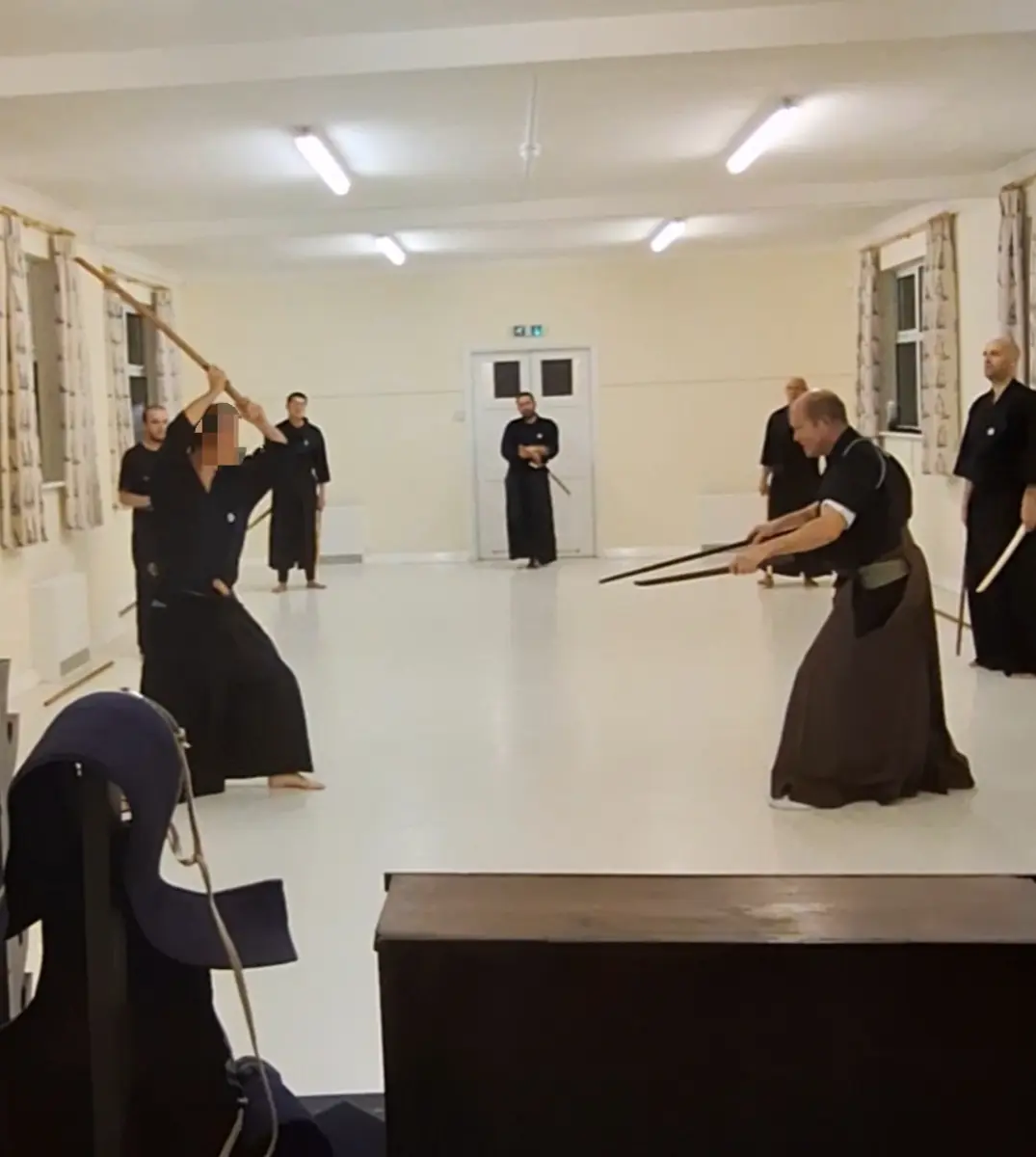
The broader study of combative sword engagement. Kenjutsu examines timing, strategy, psychological presence, and the subtle exchange of initiative between opponents. It reconnects practitioners to the martial origins of the blade.
Battōdō (抜刀道)
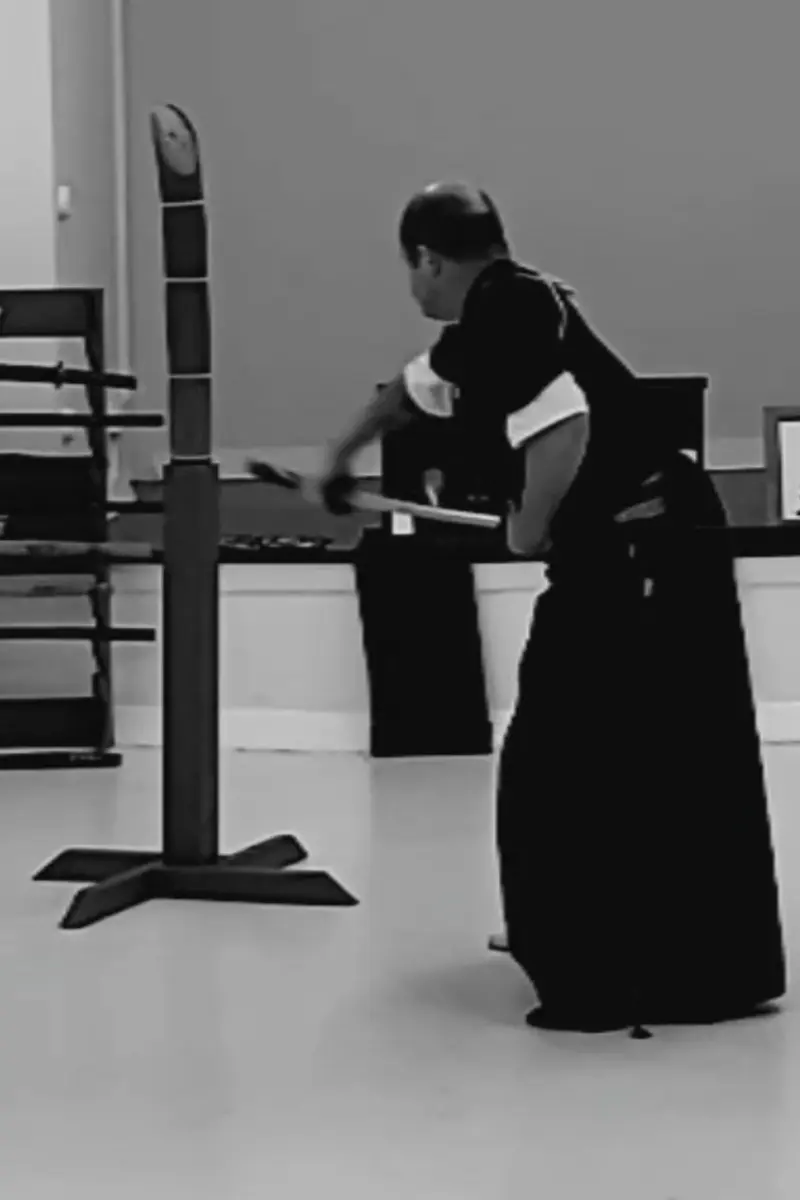
Battōdō — “The Way of Drawing the Sword” — is the disciplined study of drawing and cutting with a live blade in a direct and practical manner. Where Iaido refines composure and formal precision, and Iaijutsu emphasises combative immediacy, Battōdō bridges the two through dynamic application and verified cutting.
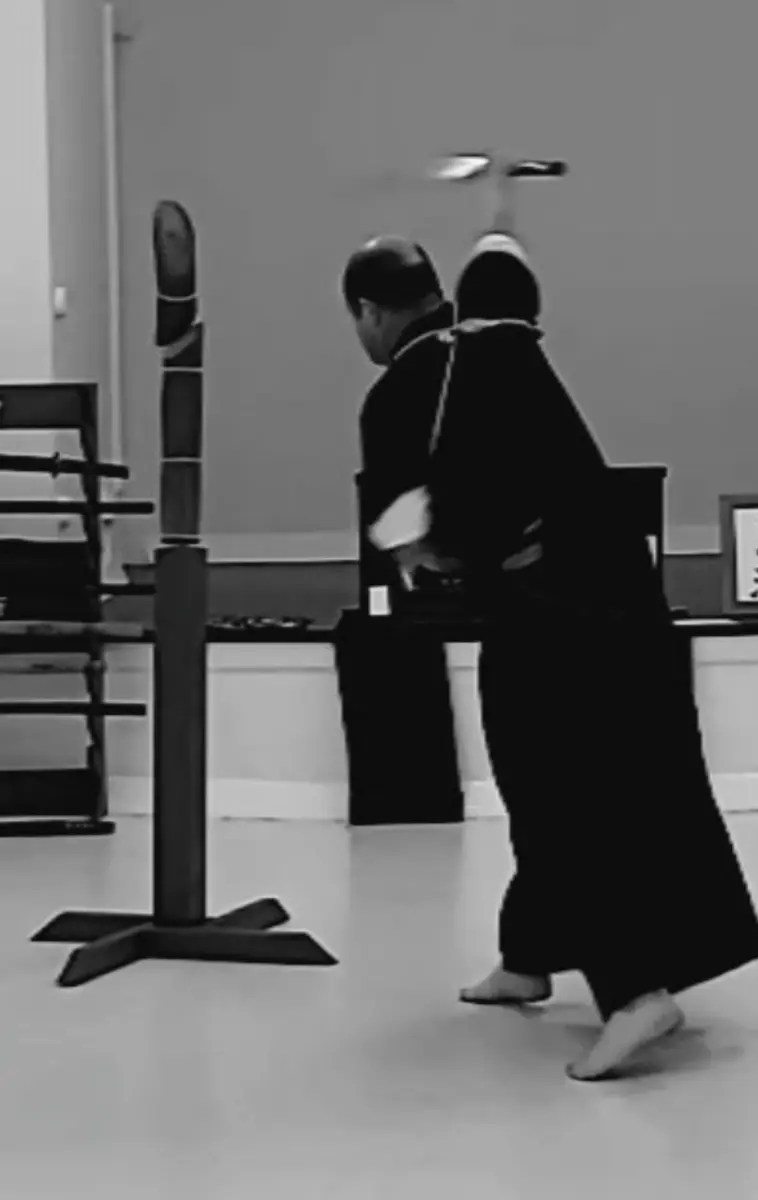
Emerging in the modern era yet rooted in classical sword principles, Battōdō places strong emphasis on:
Correct hasuji (edge alignment)
Body mechanics and hip integration
Timing and decisive execution
Mental focus at the moment of draw
The draw is not theatrical — it is functional. The cut is not symbolic — it must be clean, controlled, and structurally sound.
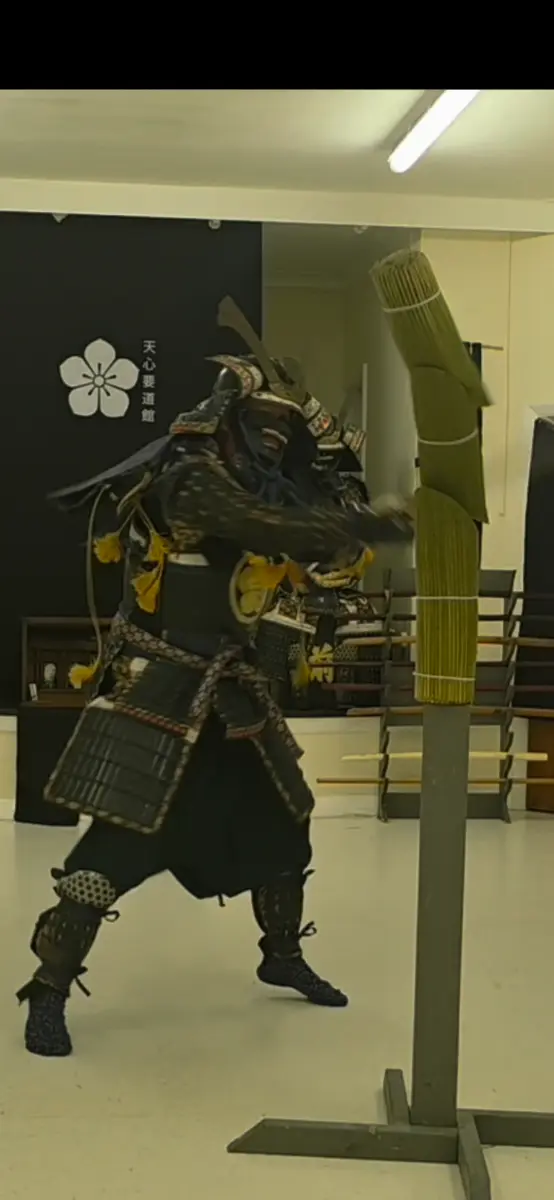
In many Battōdō systems, tameshigiri (test cutting) plays a central role. Through cutting rolled tatami or appropriate targets, the practitioner receives immediate, honest feedback. Weak posture, poor angle, or lack of intent cannot be hidden. The blade reveals truth without prejudice.
Within a system such as Tenshin Ryu, Battōdō serves as the living proof of sword study. It ensures that kata remain practical, that form remains connected to function, and that spirit is expressed through action.
Battōdō develops:
Calm under pressure
Commitment without hesitation
Precision without excess force
Respect for the responsibility of the blade
It is not merely about cutting — it is about correct cutting.
Not merely drawing — but drawing with purpose.
Ancient in spirit,
Modern in structure,
Battōdō reminds the practitioner that the sword demands sincerity.
When the blade leaves the scabbard, there is no room for doubt.
- Tameshigiri
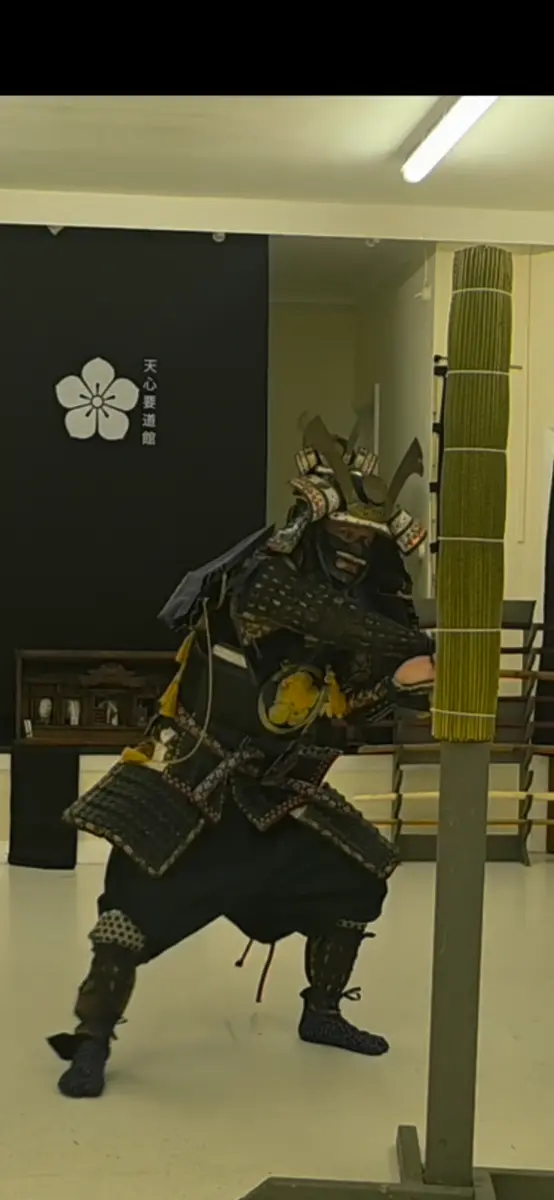
The practice of test cutting. Tameshigiri serves as honest verification. Structure, alignment, edge control (hasuji), and intent are revealed without compromise. It teaches humility, precision, and accountability.
Tantōjutsu
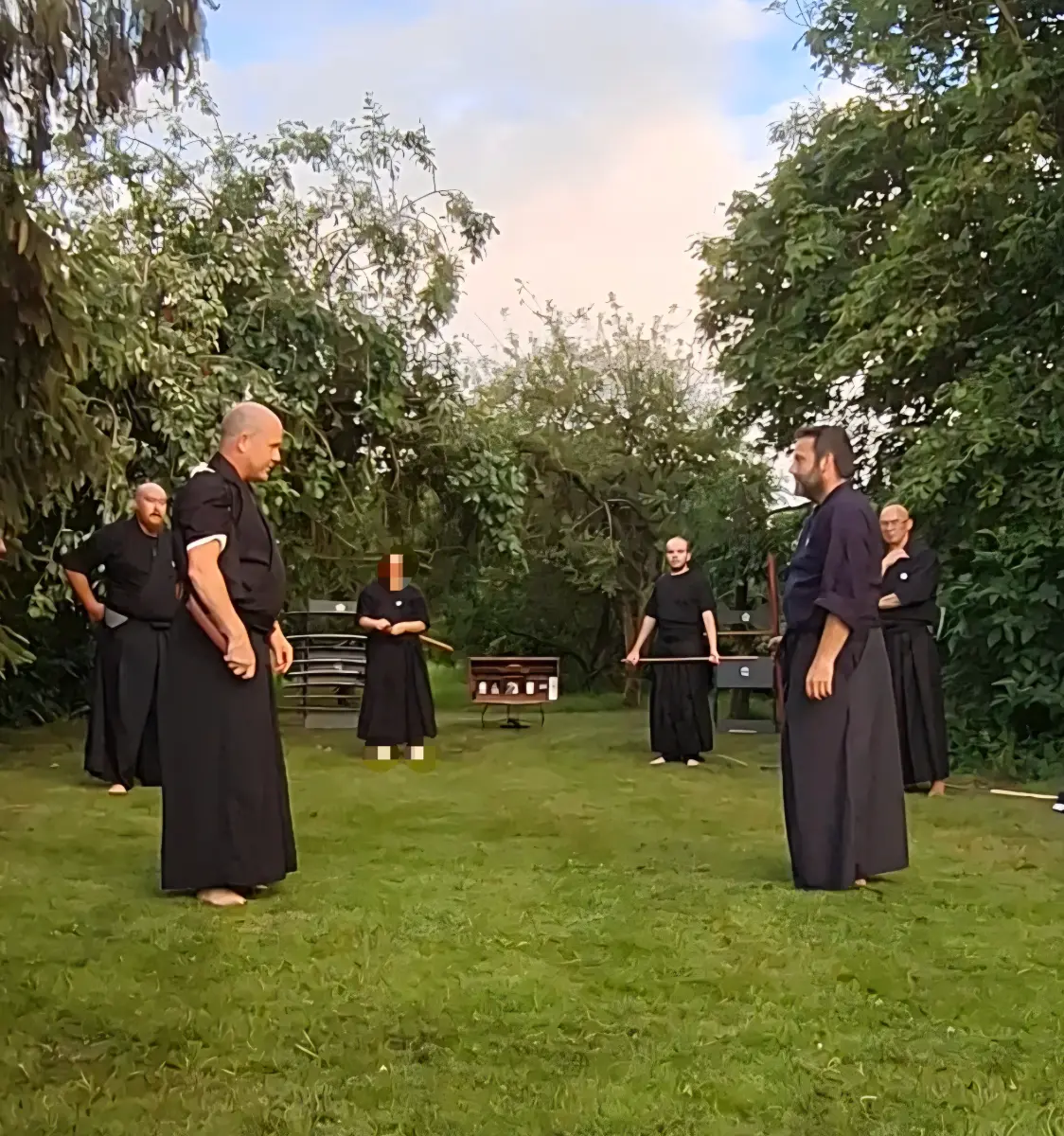
Tantōjutsu is the study of the tantō, the traditional Japanese dagger. Training explores the principles of close-range engagement where distance is limited and movement must be precise and controlled.
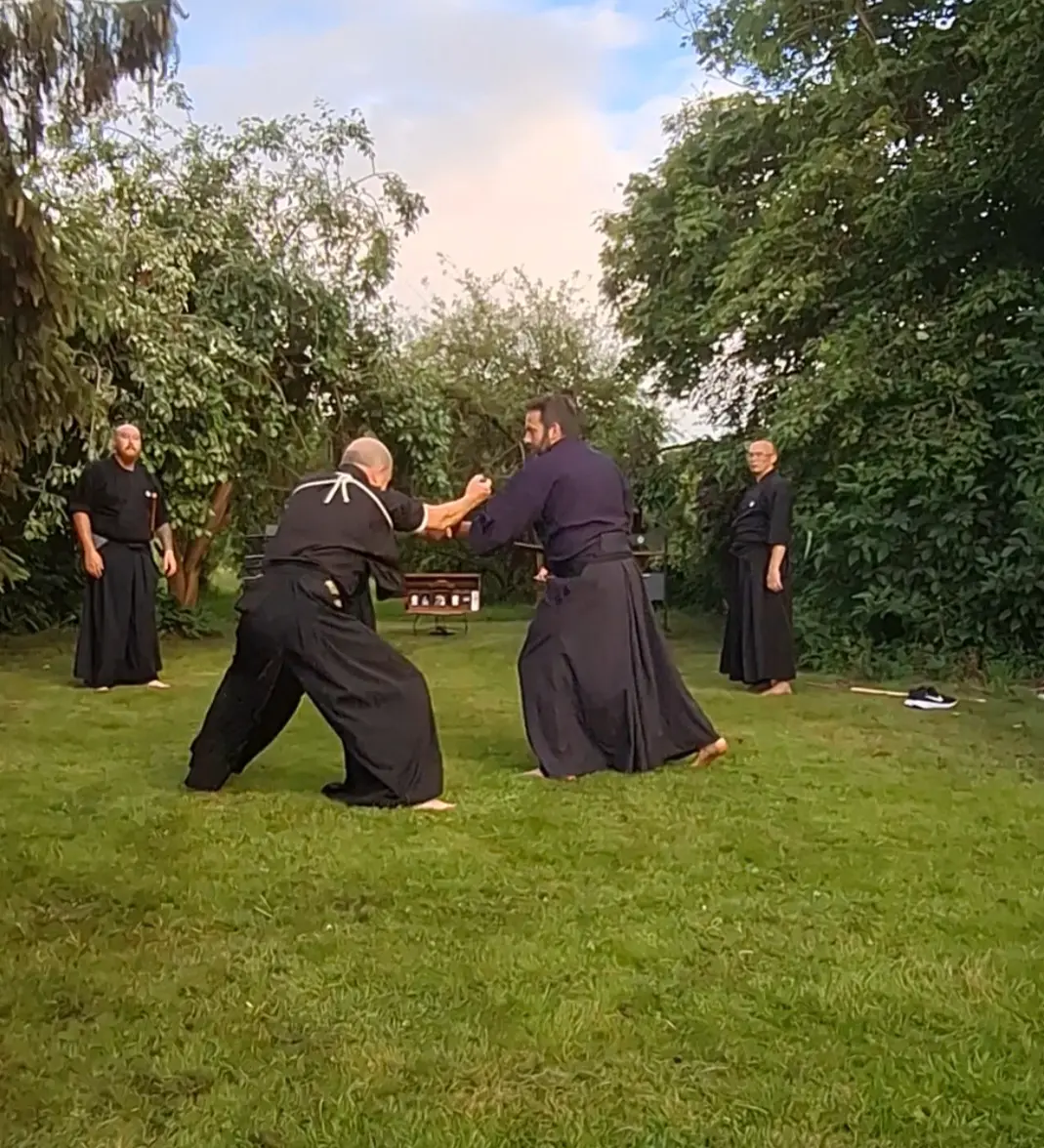
Within Tenshin Ryu, Tantōjutsu develops awareness of timing, angling, and decisive action at intimate range. Emphasis is placed on correct body structure, controlled intent, and the responsible use of a small yet formidable weapon.
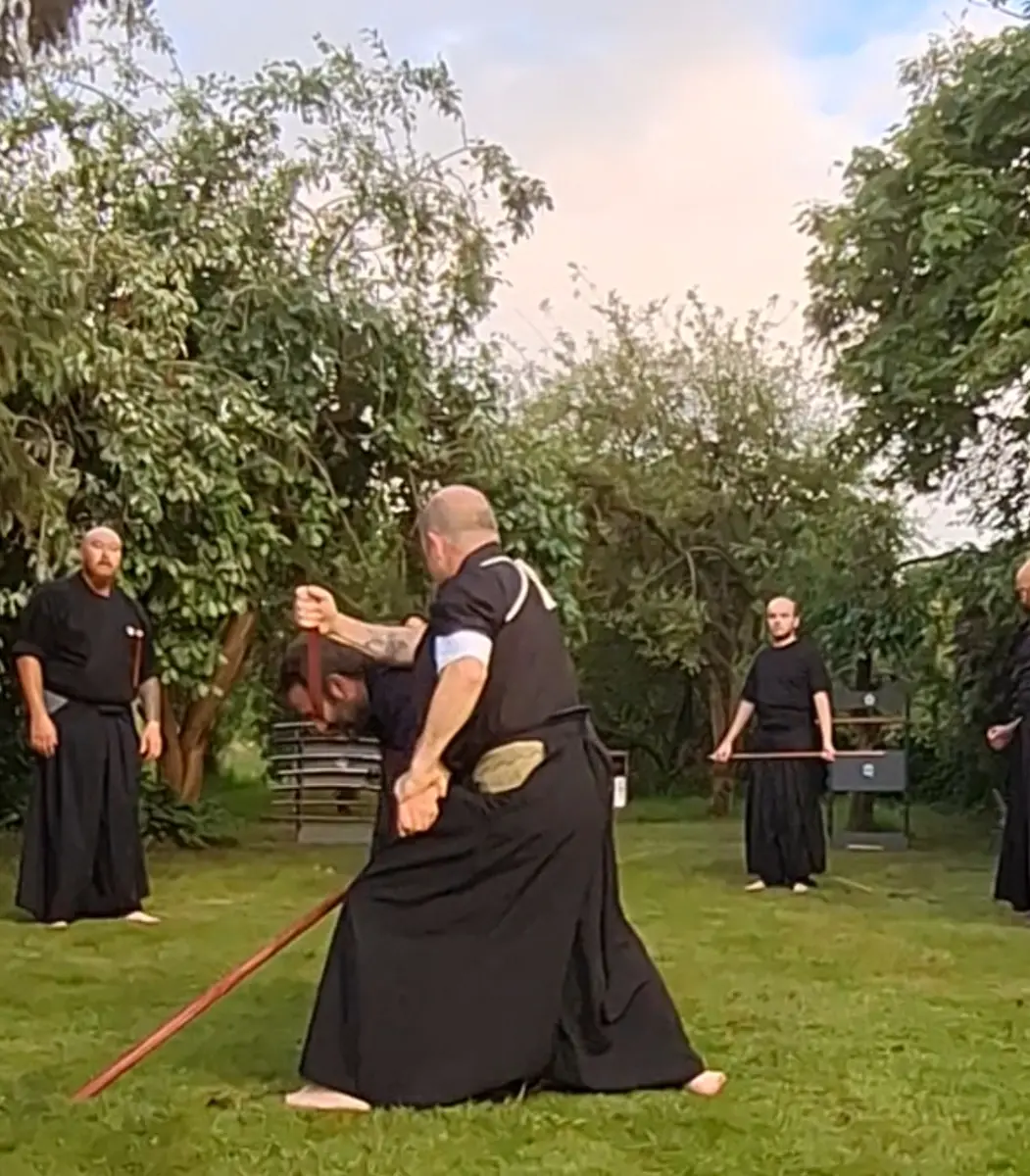
Though compact in form, the tantō demands clarity of movement and commitment of purpose. Its study refines the practitioner’s understanding that effectiveness in martial practice lies not in the size of the weapon, but in the discipline of the one who wields it.
Kobudō
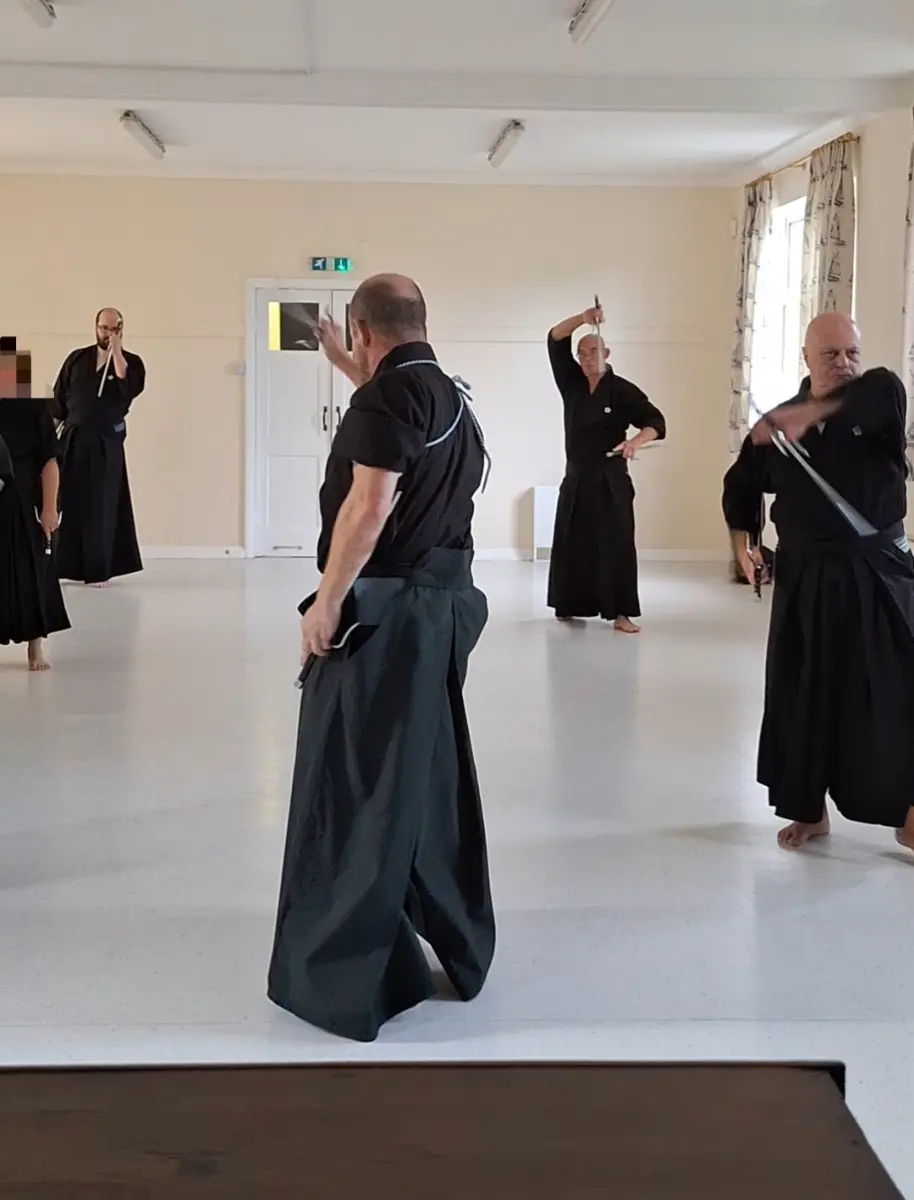
Kobudō — “The Way of the Ancient Weapons” — is the study of traditional martial tools beyond the sword. Within Tenshin Ryu, Kobudō preserves the principles of classical weapon usage while expressing them through the same unified body mechanics that guide all disciplines of the system.
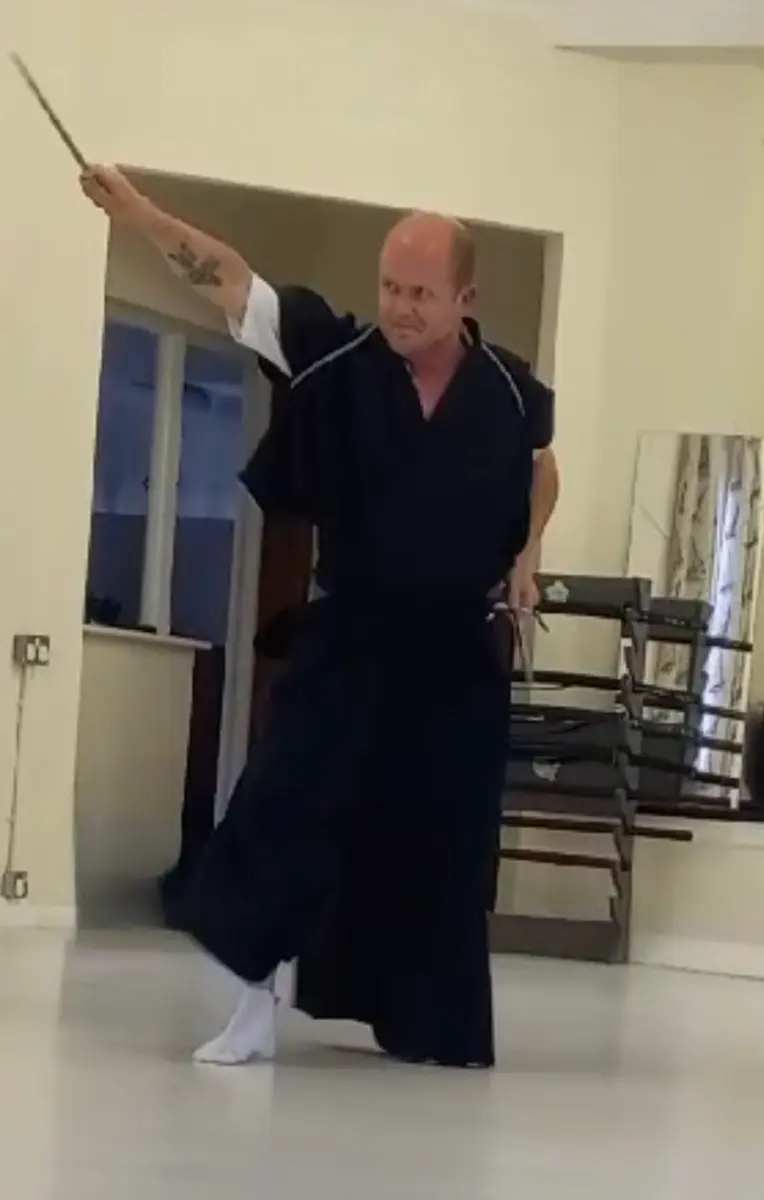
Training includes weapons such as the jō (short staff), sai, tonfa, and kama. Each weapon presents its own characteristics of range, leverage, and application, yet all are studied through the same underlying principles of posture, movement, timing, and control.
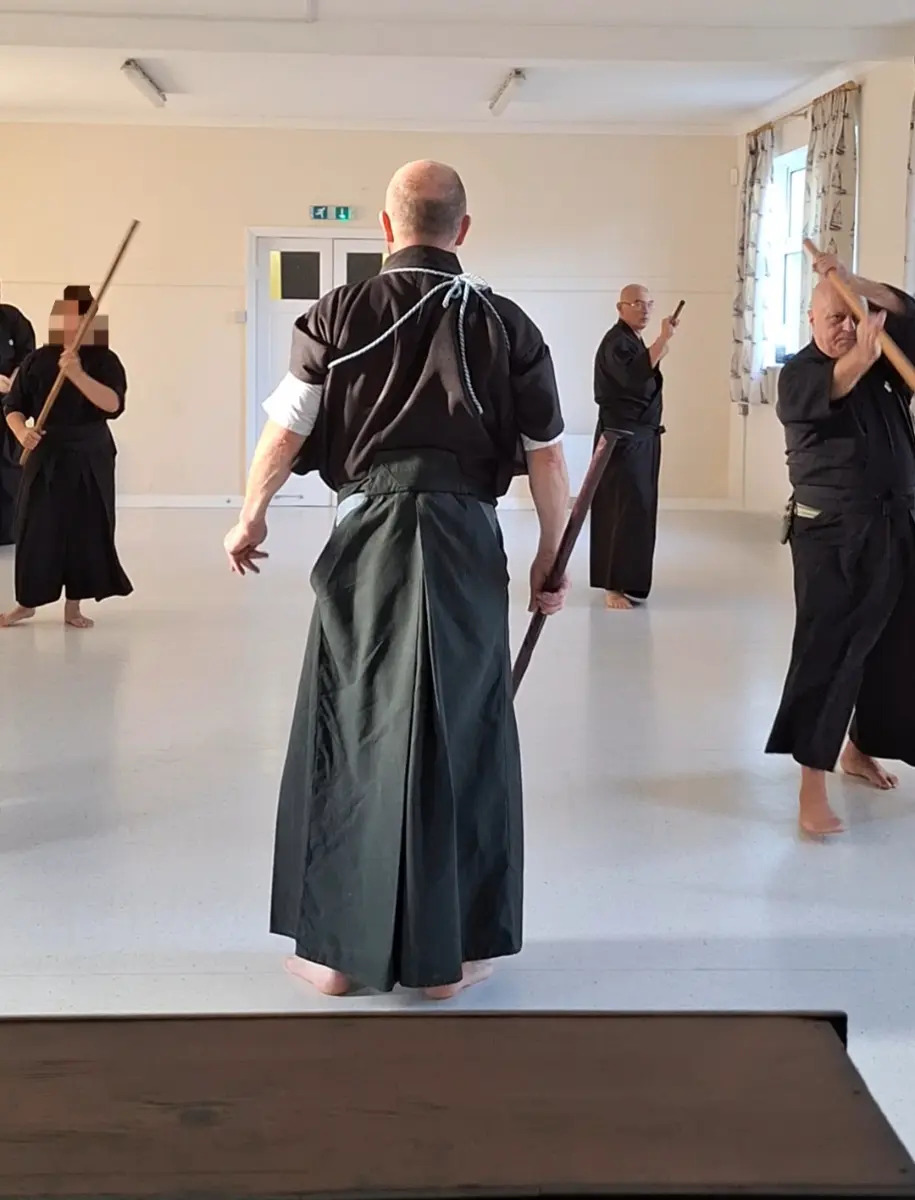
The jō cultivates fluid movement, distance management, and structural alignment.
The sai develops precision, trapping ability, and close-range control.
The tonfa teaches rotational power, striking angles, and defensive shielding.
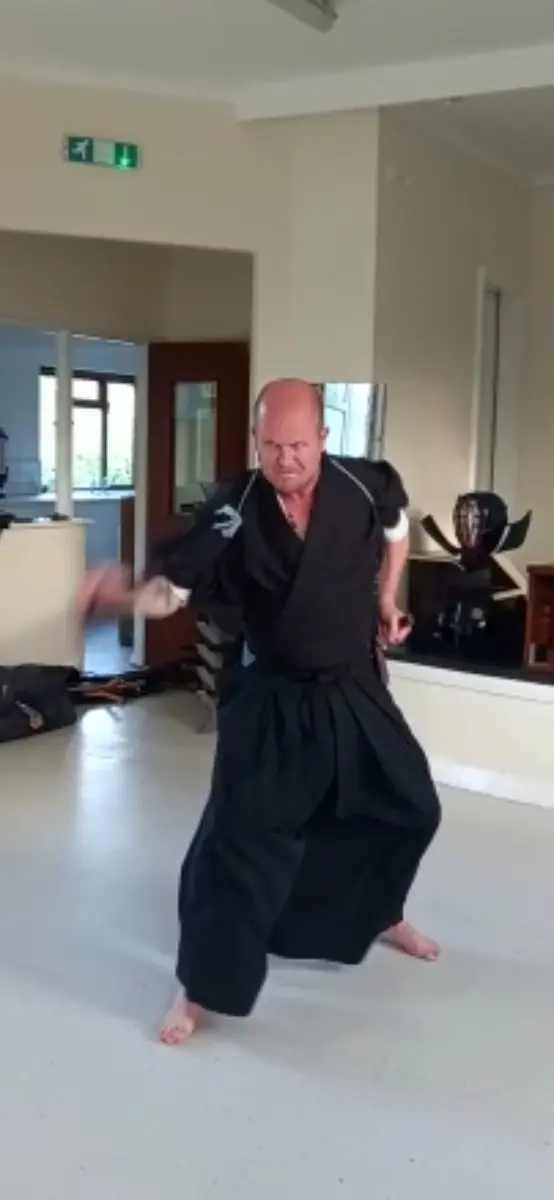
The kama refines timing, edge awareness, and decisive cutting mechanics.
Kobudō develops:
Structural power through leverage and distance
Precision in timing and targeting
Adaptability across varying ranges of engagement
Understanding of weapon-to-weapon and weapon-to-body dynamics
The purpose is not merely technical proficiency, but the cultivation of control, awareness, and responsibility when wielding a weapon.
In Tenshin Ryu, Kobudō reinforces the deeper lesson shared by all martial study:
The weapon does not create the martial artist.
It reveals the quality of the body and mind that guide it.
Ancient in origin,
Practical in expression,
Kobudō connects the practitioner to the broader tradition of classical martial tools while remaining aligned with the unified principles of the school.
A Unified Modern Expression
Within Tenshin Ryu:
Taijutsu strengthens the body that wields the sword.
Sword training refines the structure that empowers empty-hand technique.
Philosophy guides them both.
Training includes kata, paired application, weapons study, cutting practice, and philosophical discussion. Rank reflects responsibility and maturity rather than status.
Spirit of the School
Tenshin Ryu is modern in its founding, yet ancient in inspiration. It was shaped in Britain through Japanese lineage, carrying forward the teachings of past masters while laying foundations for future generations.
It does not claim antiquity for prestige.
It embodies continuity through practice.
Ancient in influence.
Modern in formation.
Unified in spirit.
In Tenshin Ryu, the body is disciplined,
the blade is honest,
and the Way is walked daily..
© 2026 Tenshin Dojo. All rights reserved.
No part of this website may be reproduced, copied, or distributed without written permission.