
Loyalty
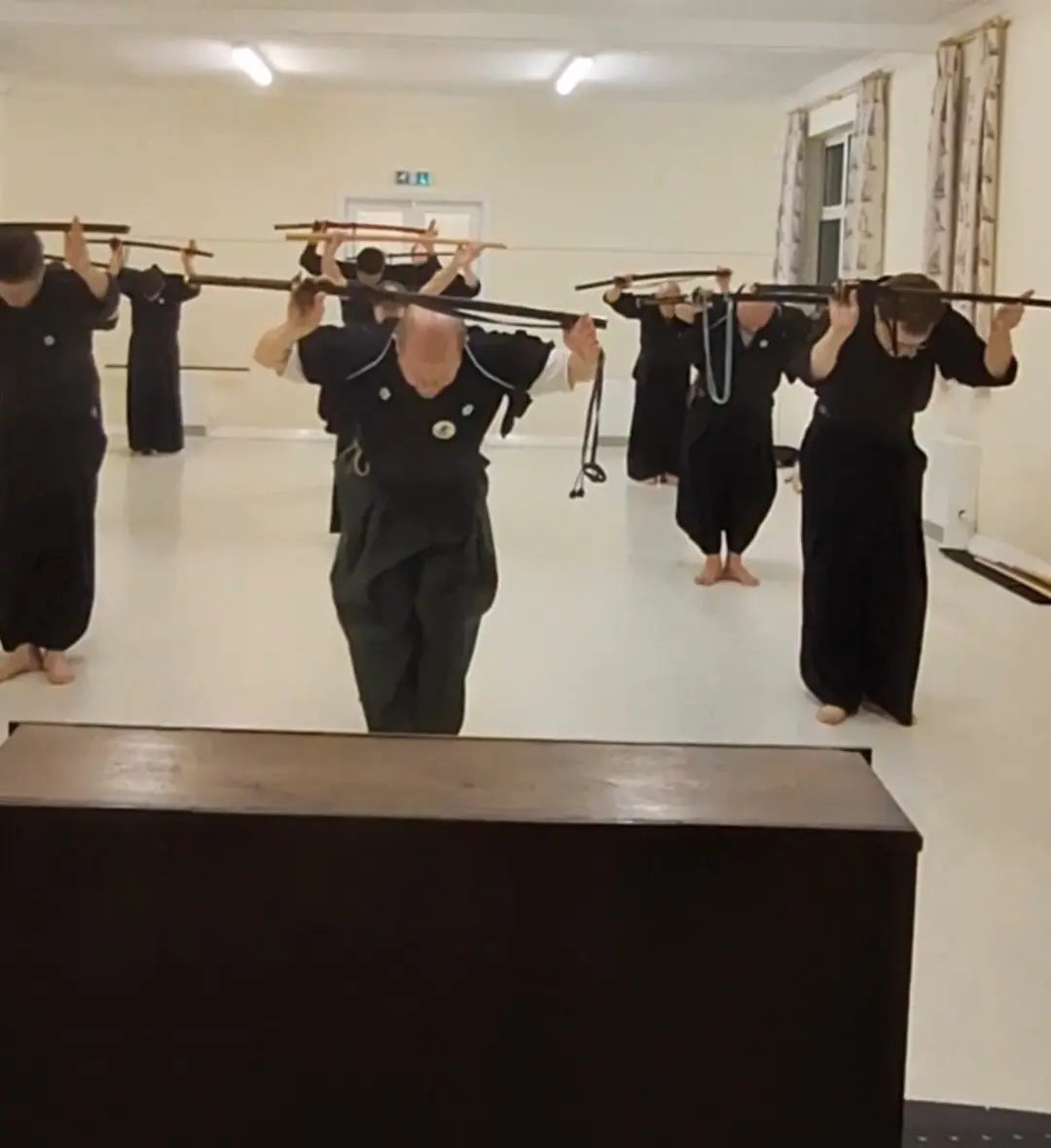
Modern Loyalty in Japanese Swordsmanship
In modern Japanese sword arts such as Kendo, Iaido, and traditional Kenjutsu, the idea of loyalty still exists, but its meaning should be very different from what it once was in feudal times.
Historically, loyalty in martial arts was closely tied to hierarchy and obedience. In societies influenced by the warrior culture of the Samurai and the values associated with Bushido, loyalty to one's lord or teacher was often absolute. In that world, questioning authority was rarely encouraged, and loyalty sometimes meant unquestioning obedience.
In modern practice, however, loyalty should no longer be about authority or control. Instead, it should be rooted in responsibility, transparency, and care for students.
A modern instructor in Japanese swordsmanship has a duty that goes beyond simply teaching technique. Their first responsibility is to the well-being, development, and safety of their students. Loyalty, in this context, should flow in both directions. Students show loyalty through commitment, respect, and dedication to their training, while instructors demonstrate loyalty through honesty, integrity, and by placing the welfare of their students above personal status or authority.
In a healthy dojo environment, loyalty should never be demanded or enforced. It should grow naturally through trust. When instruction is transparent, when decisions are explained, and when students feel respected, loyalty becomes something that is earned rather than imposed.
An instructor should also remain accountable to the principles of the art itself. The purpose of teaching Kendo, Iaido, or Kenjutsu is not to create followers, but to guide practitioners toward discipline, self-awareness, and personal growth. The integrity of the art must always come before ego, hierarchy, or organizational power.
Blind loyalty can lead to unhealthy environments where questioning is discouraged and authority goes unchecked. In modern martial arts, this kind of culture can become toxic, undermining the very values that martial arts claim to promote.
True loyalty in a modern dojo should therefore be loyalty to the principles of the art, loyalty to ethical teaching, and loyalty to the people who train within it. When an instructor leads with integrity, respect, and transparency, loyalty emerges naturally as a reflection of trust and shared commitment.
In this way, modern Japanese swordsmanship can preserve the spirit of tradition while ensuring that the dojo remains a place of learning, respect, and mutual responsibility rather than blind obedience.
~ Knight Sensei
© 2026 Stuart Knight / Tenshin Dojo. All rights reserved.
No part of this website may be reproduced, copied, or distributed without written permission.