
'Reflections'
'Reflections'
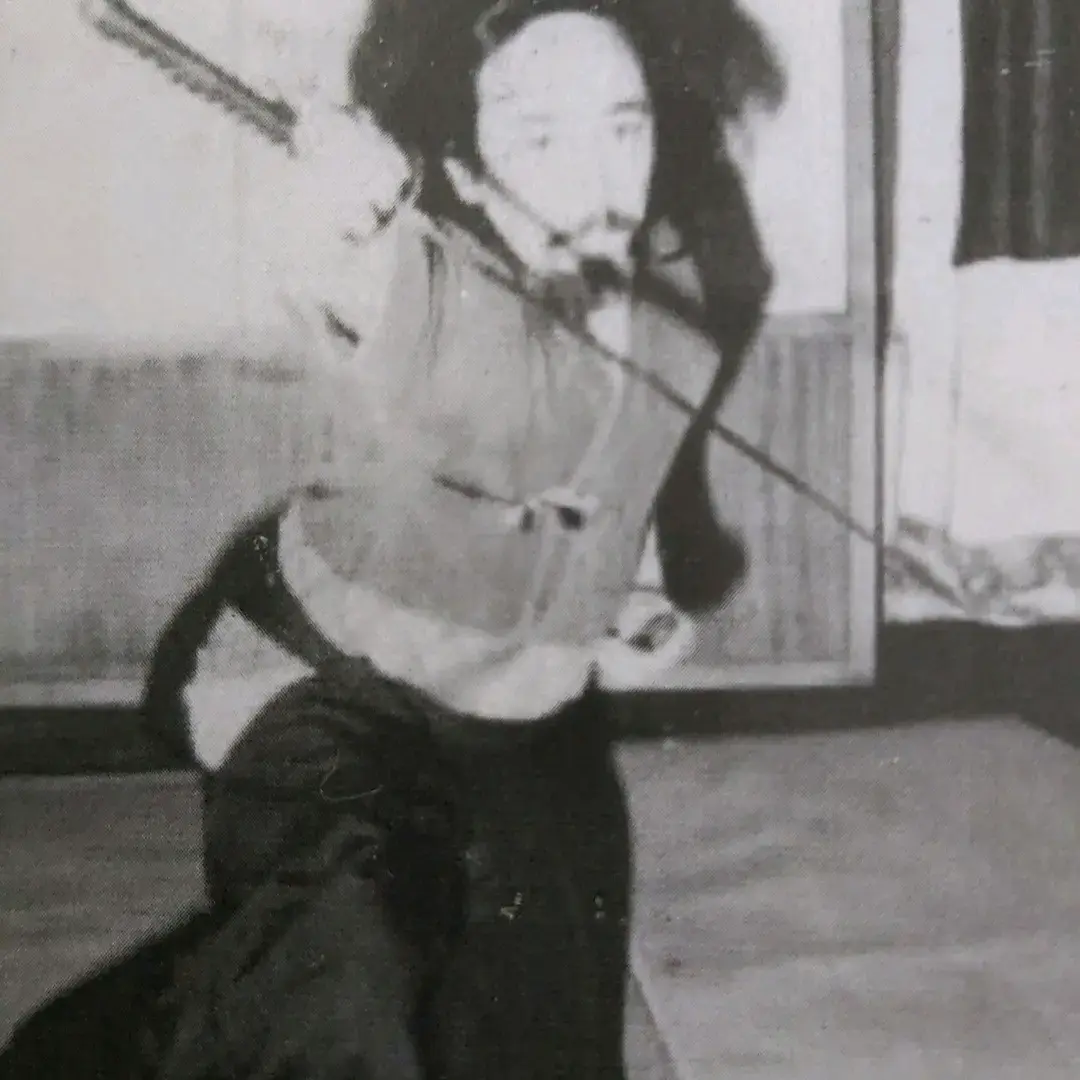
In the martial traditions of Japan, it is sometimes misunderstood that a teacher exists to command or to impose authority. Yet the word Sensei simply means one who has gone before. It refers not to a ruler, but to a person who has travelled further along the path and who may therefore guide those who follow. In the same spirit, the word Deshi—student or disciple—carries the meaning of a younger brother or sister. From the beginning, the relationship between teacher and student is thus understood to be one of guidance and learning within a shared family of practice.
A dojo that is conducted in the proper spirit requires few commands. Harmony arises not from force, but from example. When the senior practitioner walks the path with sincerity, discipline, and humility, those who follow will naturally seek to do the same. In this way the Way is transmitted quietly from person to person. The great respect once given to teachers of budō did not come from titles or rank alone, but from their devotion to the Way and from their willingness to help others walk it.
Respect is not something that can be demanded. It is cultivated through the character and understanding of the teacher, and through the diligence and sincerity of the student. The practice of reishiki, the etiquette of the dojo, exists to create an atmosphere in which correct training may take root. Through mindful behaviour and proper conduct, the dojo becomes a place where both technique and spirit may be refined.
Discipline within the dojo is often more exacting than that found in daily life. Yet it should never feel oppressive. The discipline of budō is not imposed from the outside; it is accepted willingly by those who train. In choosing to follow its forms, the student learns to cultivate self-control, awareness, and respect.
There are also times when the spirit of training is light. Conversation may be shared, and laughter may arise, without disturbing the harmony of the dojo. Etiquette does not forbid such moments. Rather, it teaches the practitioner to recognise what is appropriate to the moment and to act accordingly.
The forms and ceremonies of the dojo—such as bowing, posture, and manner of conduct—should not be mistaken for empty ritual. These are outward expressions of deeper principles: humility, gratitude, and mindfulness. Each dojo preserves its own customs, handed down through its lineage. For this reason, the beginner need not concern themselves with every detail at first. If one approaches training with courtesy, sincerity, and attention, the spirit of the dojo will gradually be understood.
Finally, it should be remembered that the dojo is not merely a room or a building. Wherever the practice of budō is undertaken with earnest spirit, that place becomes a dojo. Whether in a formal hall or a simple training space, the same respect and care must be shown. For the true dojo exists wherever people gather to train together in pursuit of the Way.
© 2026 Tenshin Dojo. All rights reserved.
No part of this website may be reproduced, copied, or distributed without written permission.