Japanese Sword Arts
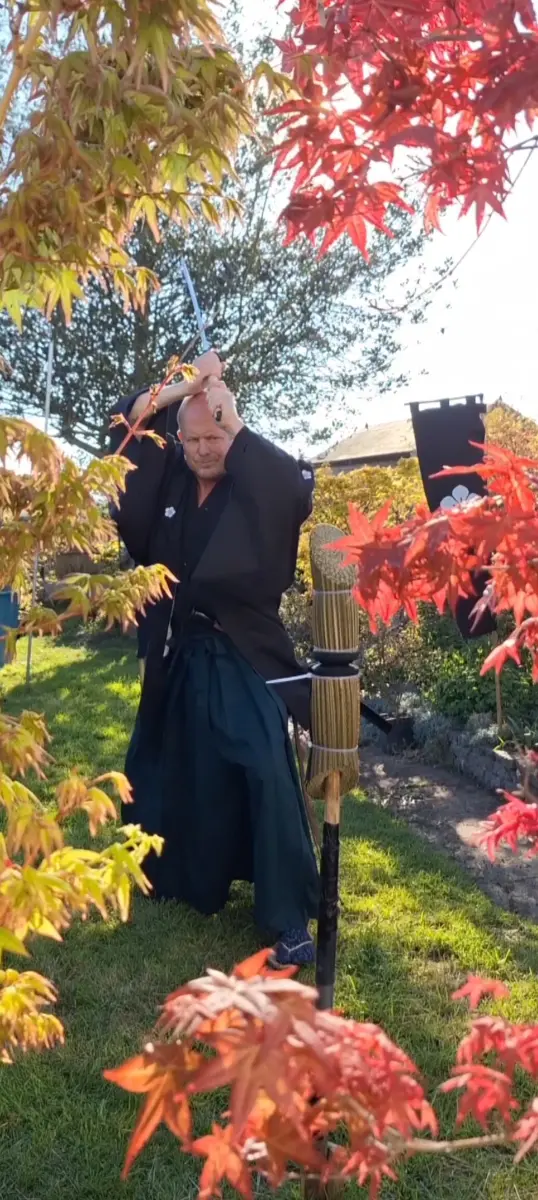
Japanese swordsmanship is not a single art but a constellation of disciplines, each preserving a different facet of the warrior tradition. Among these, Iaido, Iaijutsu, Battōdō, Kenjutsu, and Tameshigiri stand as interconnected expressions of skill, philosophy, and history. Though often practiced separately today, they flow from the same source: the lived battlefield experience of the samurai and the enduring spirit of the Japanese sword.
The Roots: Kenjutsu
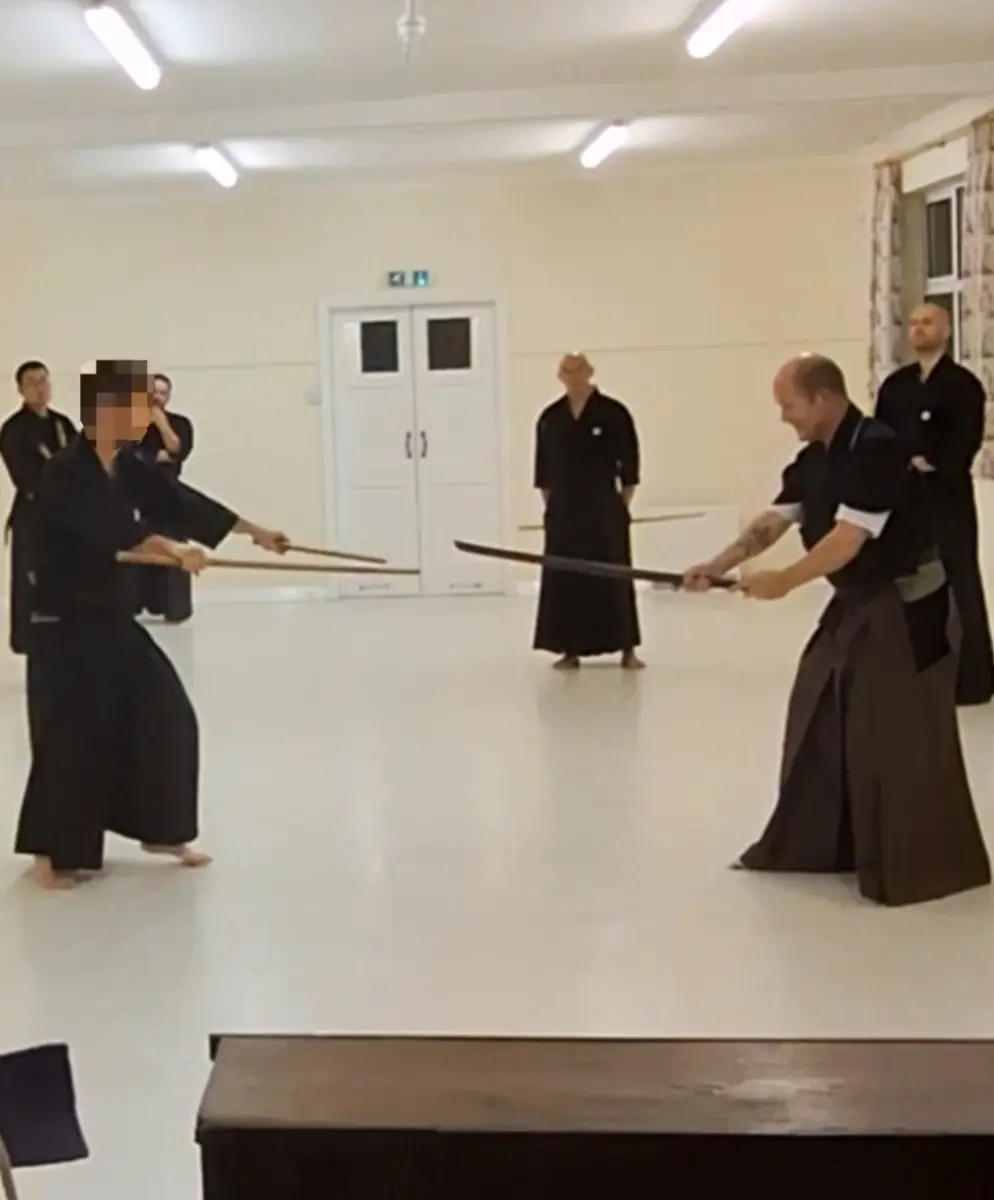
At the foundation lies Kenjutsu, the classical art of the sword developed by samurai during Japan’s feudal era. Far from a single unified system, kenjutsu consists of numerous traditional schools (ryūha), each refining combat principles for survival in real encounters.
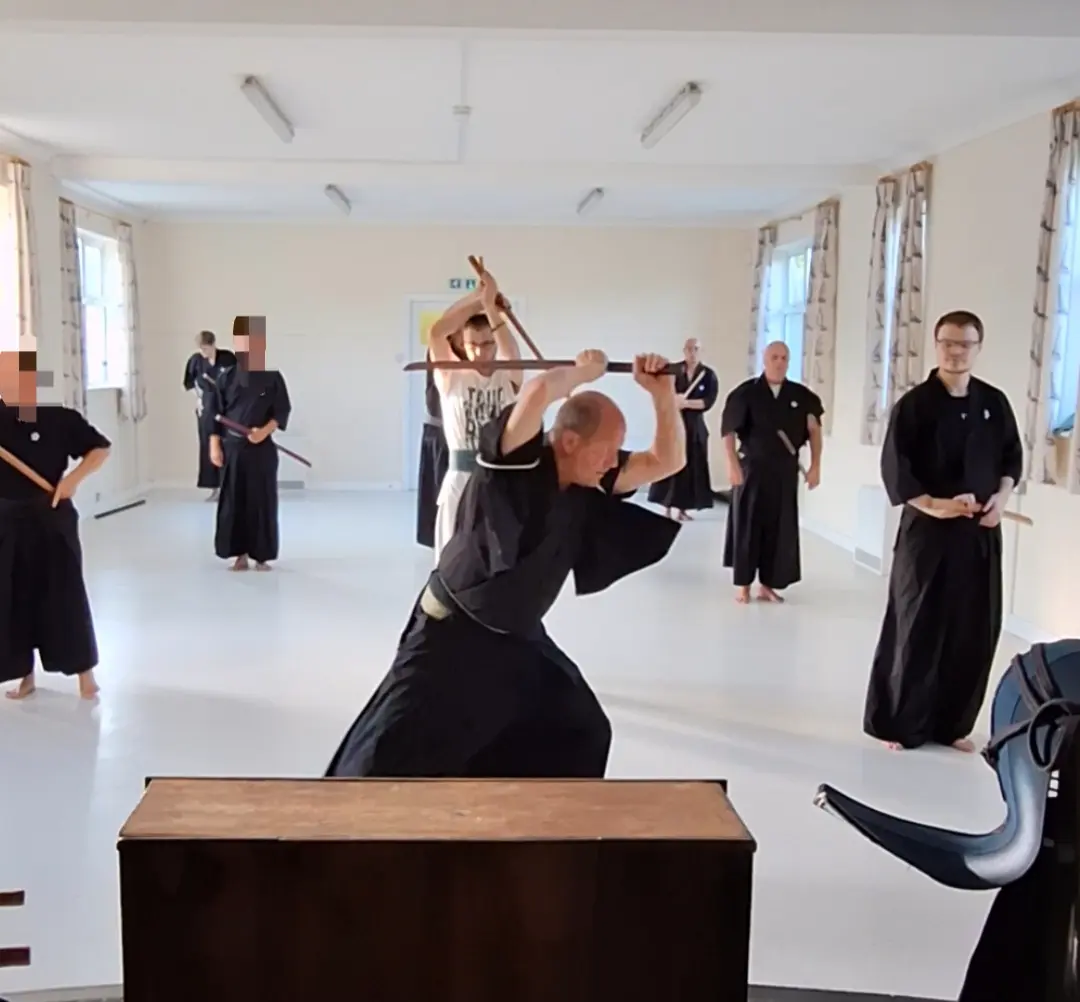
Training emphasizes paired kata—prearranged forms performed with a partner—designed to transmit distancing (maai), timing, targeting, and combative strategy. These kata were not choreography but living records of battlefield knowledge. Through kenjutsu, practitioners learn that the sword is not swung wildly; it is directed with precision, efficiency, and awareness.
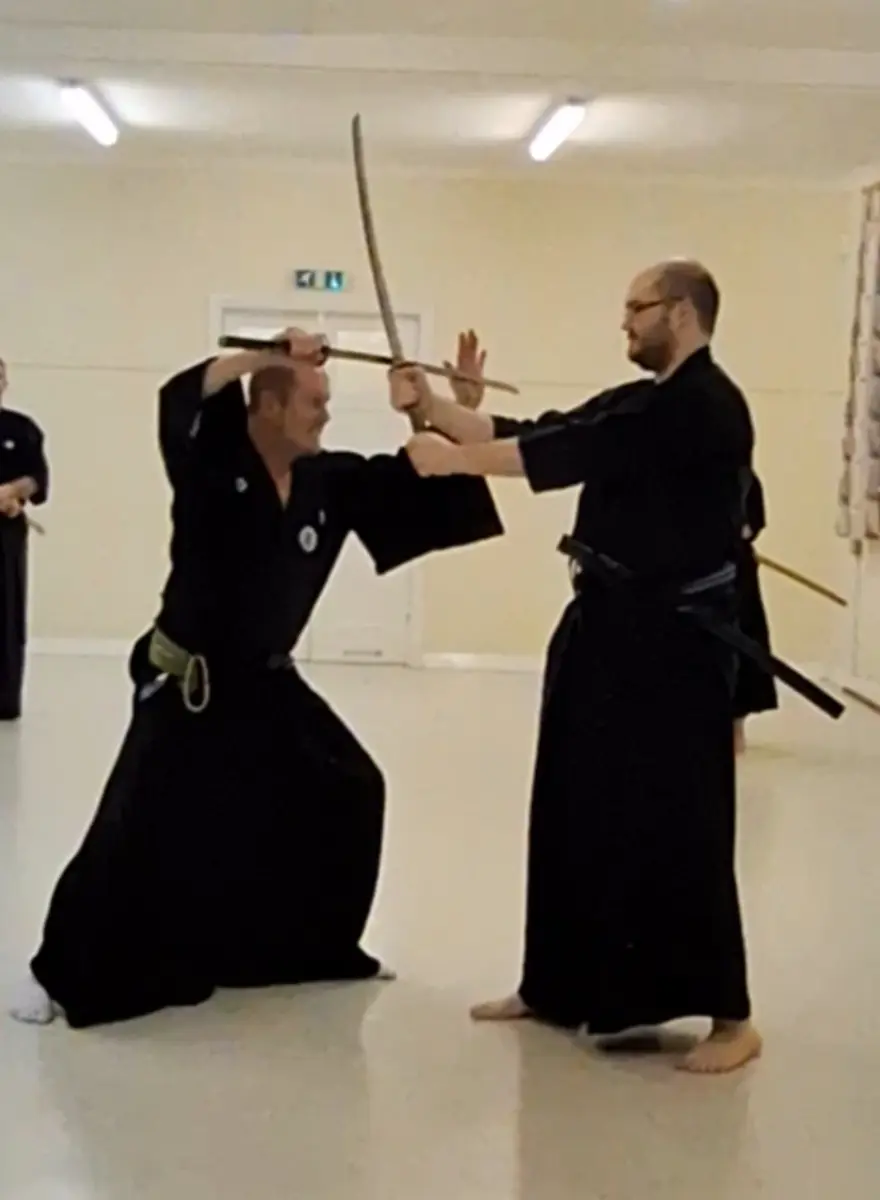
Kenjutsu embodies the raw combative essence of the sword: decisive movement, cutting lines, mental dominance, and an understanding that hesitation invites defeat.
The Instant of Drawing: Iaijutsu
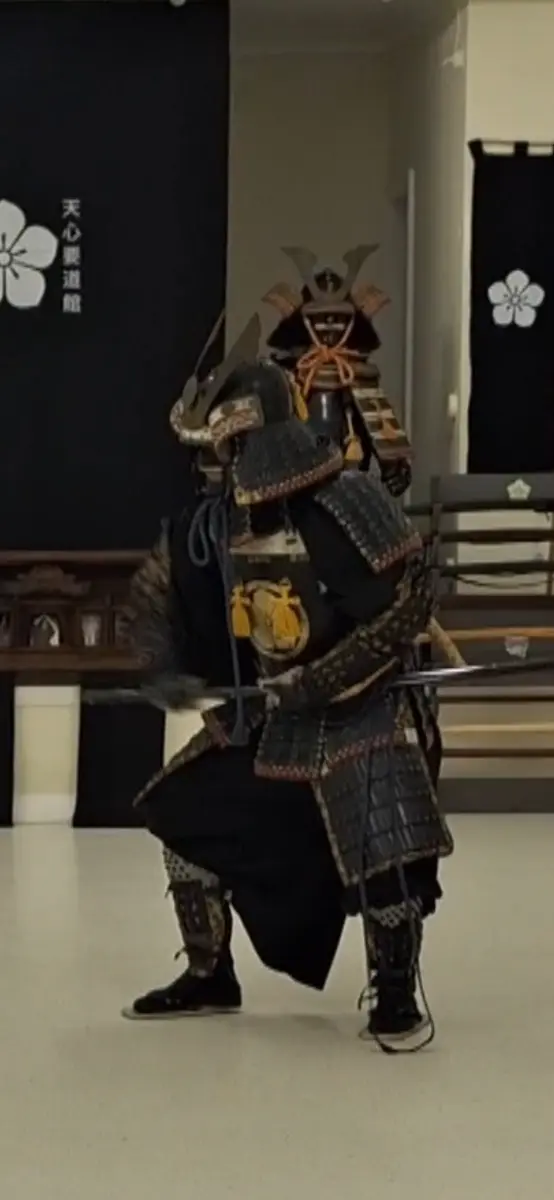
If kenjutsu represents combat engagement, Iaijutsu focuses on the moment before it begins—the draw itself. Developed during periods when warriors wore swords thrust through the sash (obi), iaijutsu trains the ability to respond instantly to sudden attacks.
Its techniques center on:
Drawing and cutting in one continuous motion
Neutralizing threats before they fully materialize
Maintaining awareness in seemingly peaceful settings
Iaijutsu is direct and pragmatic. Historically, it was a survival method: the ability to end a confrontation at the very instant it began. The mindset is alert yet composed, prepared for danger without displaying aggression.
From Jutsu to Dō: Iaido
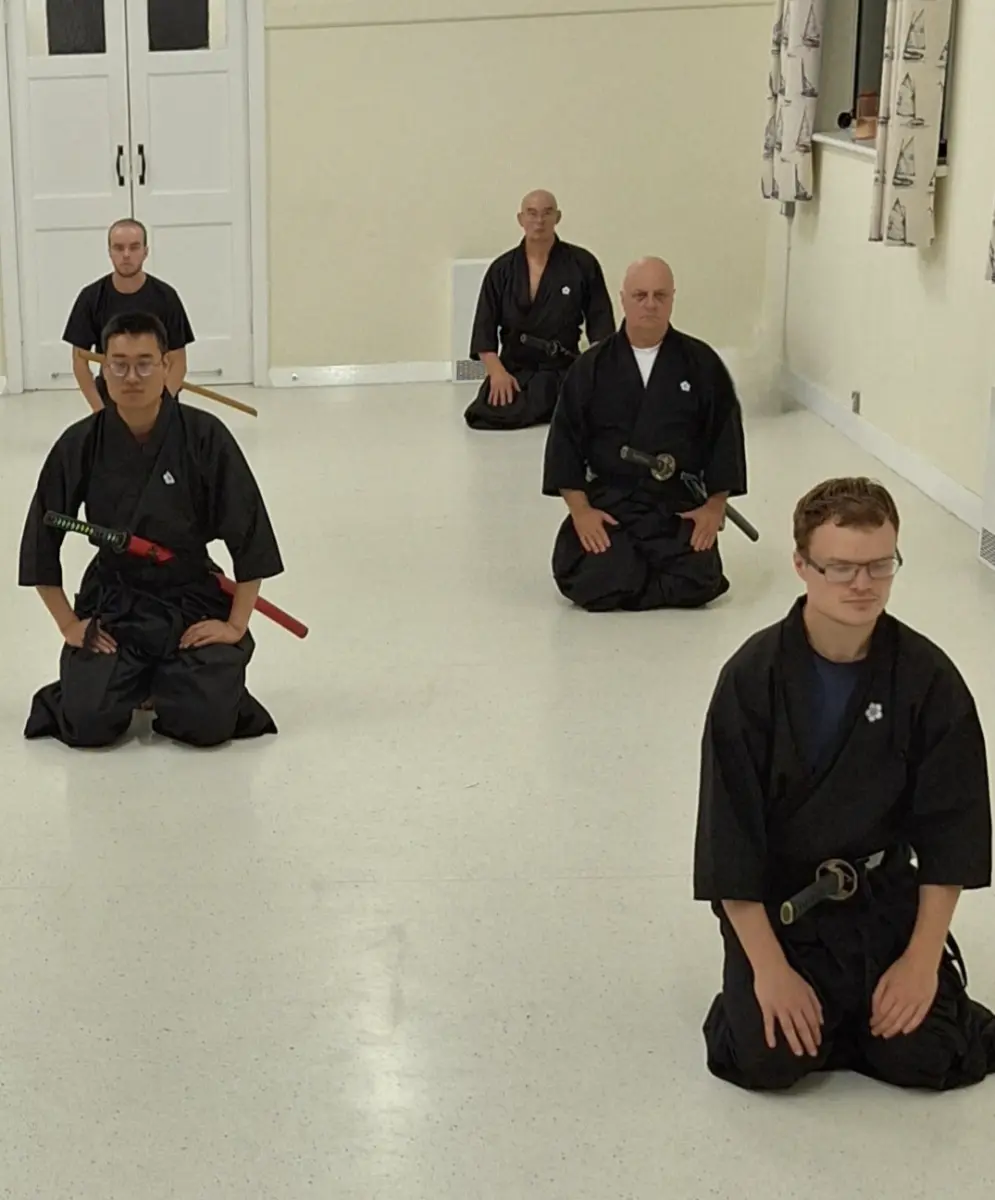 Iaido—the “Way” (dō) of drawing the sword.
Where iaijutsu emphasizes combative efficiency, iaido emphasizes refinement of character through disciplined repetition. Practitioners perform solo kata against imagined opponents, focusing on:
Smooth, controlled drawing (nukitsuke)
Precise cutting (kirioroshi)
Ritualized cleaning of the blade (chiburi)
Mindful resheathing (noto)
Iaido transforms the sword into a mirror of the self. Every movement reflects mental state; tension disrupts flow, distraction breaks harmony. The blade becomes a vehicle for cultivating composure, presence, and dignity.
The Path of the Drawn Blade: Battōdō
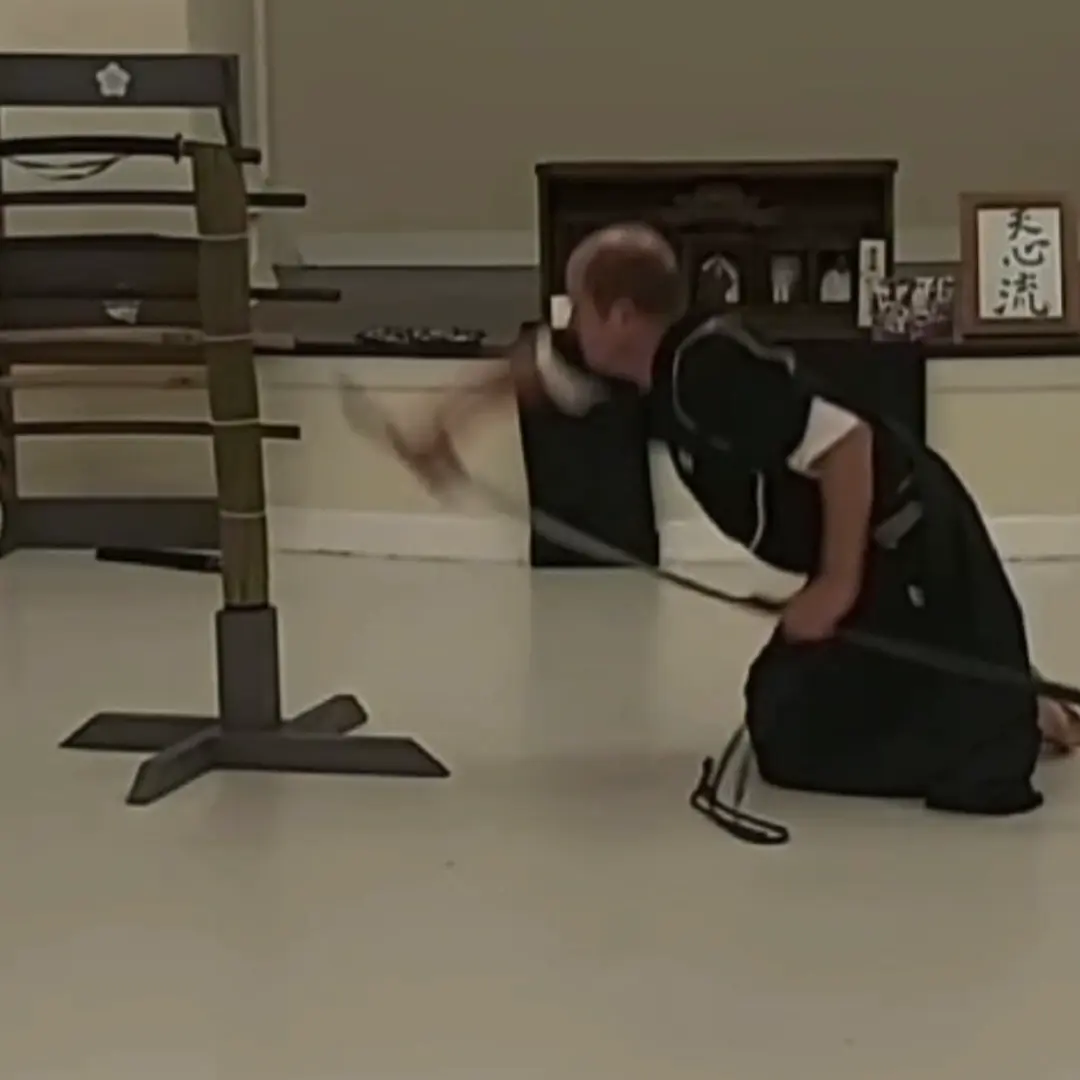
Closely related yet distinct is Battodo. While it shares iaido’s focus on drawing techniques, battōdō places greater emphasis on practical cutting and applied technique.
Battōdō bridges form and function:
Solo kata refine mechanics
Cutting practice validates technique
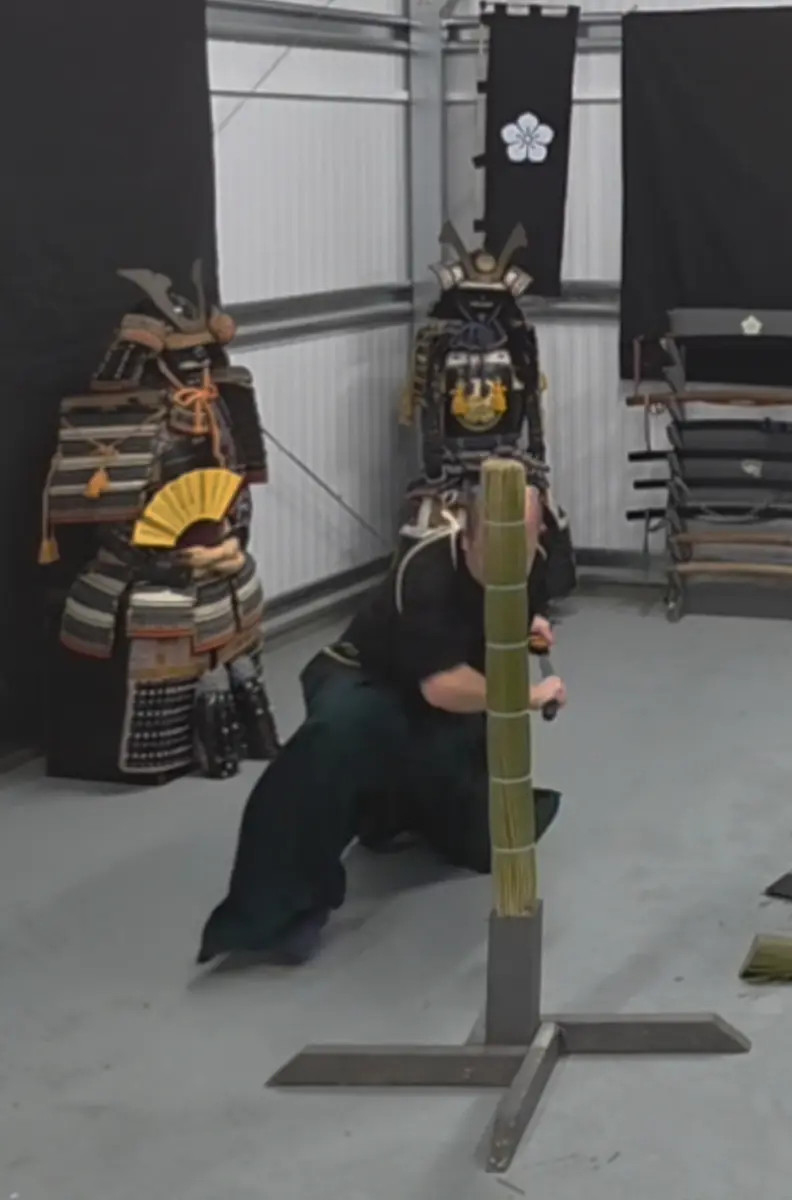
Body alignment and edge control are tested against real targets
In battōdō, aesthetics and effectiveness must coexist. The cut is judged not by appearance alone but by its ability to pass cleanly through a target. It is here that theory meets physical truth.
Testing the Blade: Tameshigiri
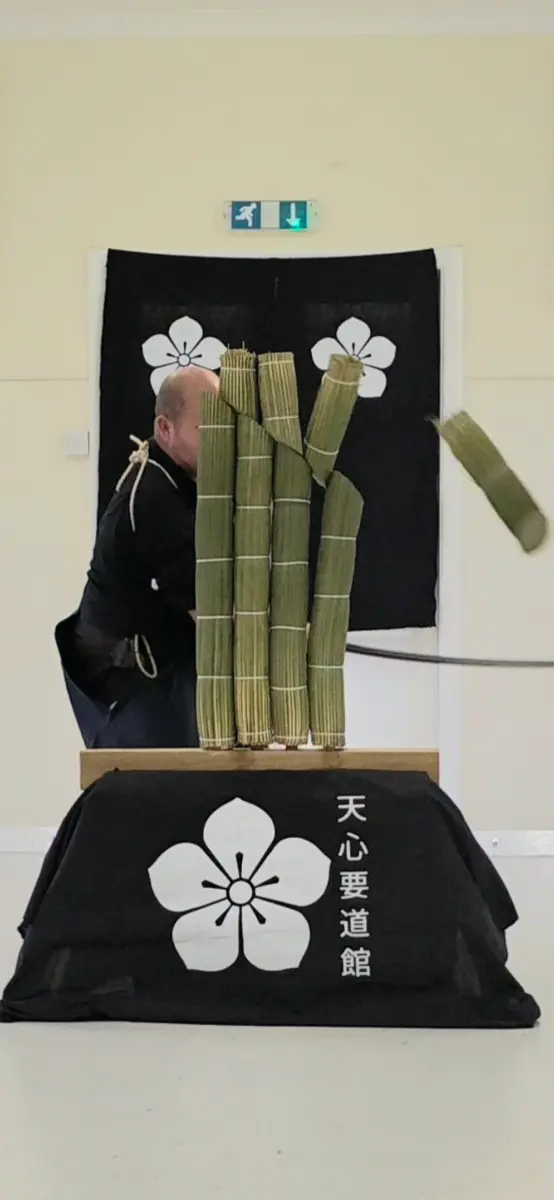
That physical truth finds its purest expression in Tameshigiri, the practice of test cutting. Historically, blades were tested on bundled straw mats or even executed criminals to evaluate sharpness and craftsmanship. Today, practitioners cut rolled tatami omote (woven straw mats) or bamboo to assess their own technique.
Tameshigiri reveals what forms can conceal:
Is the edge aligned properly?
Is the cut driven by structure rather than brute force?
Does the practitioner maintain balance and awareness after the strike?
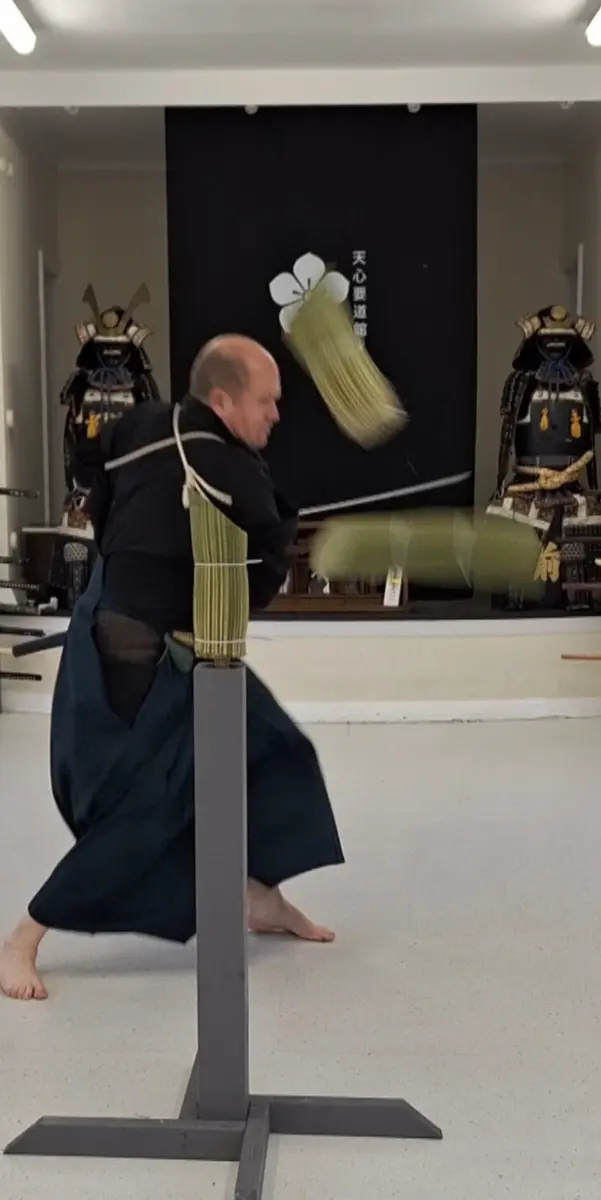
A successful cut is silent and effortless. A flawed cut exposes tension, misalignment, or ego. Tameshigiri humbles and educates in equal measure.
One Tradition, Many Facets
Though described separately, these arts are not isolated. They represent different angles of the same discipline:
Kenjutsu teaches engagement.
Iaijutsu teaches immediacy.
Iaido teaches self-cultivation.
Battōdō tests applied cutting from the draw.
Tameshigiri verifies technical truth.
Together, they illustrate the evolution of Japanese swordsmanship from battlefield necessity to personal discipline. The sword itself remains unchanged—a curved blade of steel—but its meaning deepens with each generation.
In these arts, the practitioner ultimately discovers that the true opponent is not across the dojo floor. It is impatience, fear, imbalance, and distraction within oneself. The draw becomes clarity. The cut becomes commitment. The resheathing becomes reflection.
Thus, Japanese swordsmanship is not merely about wielding a weapon. It is about refining intention, mastering timing, and embodying presence—so that when the blade moves, it moves with purpose, and when it rests, it rests in peace.
© 2026 Stuart Knight / Tenshin Dojo. All rights reserved.
No part of this website may be reproduced, copied, or distributed without written permission.