
Etiquette 'Reishiki'
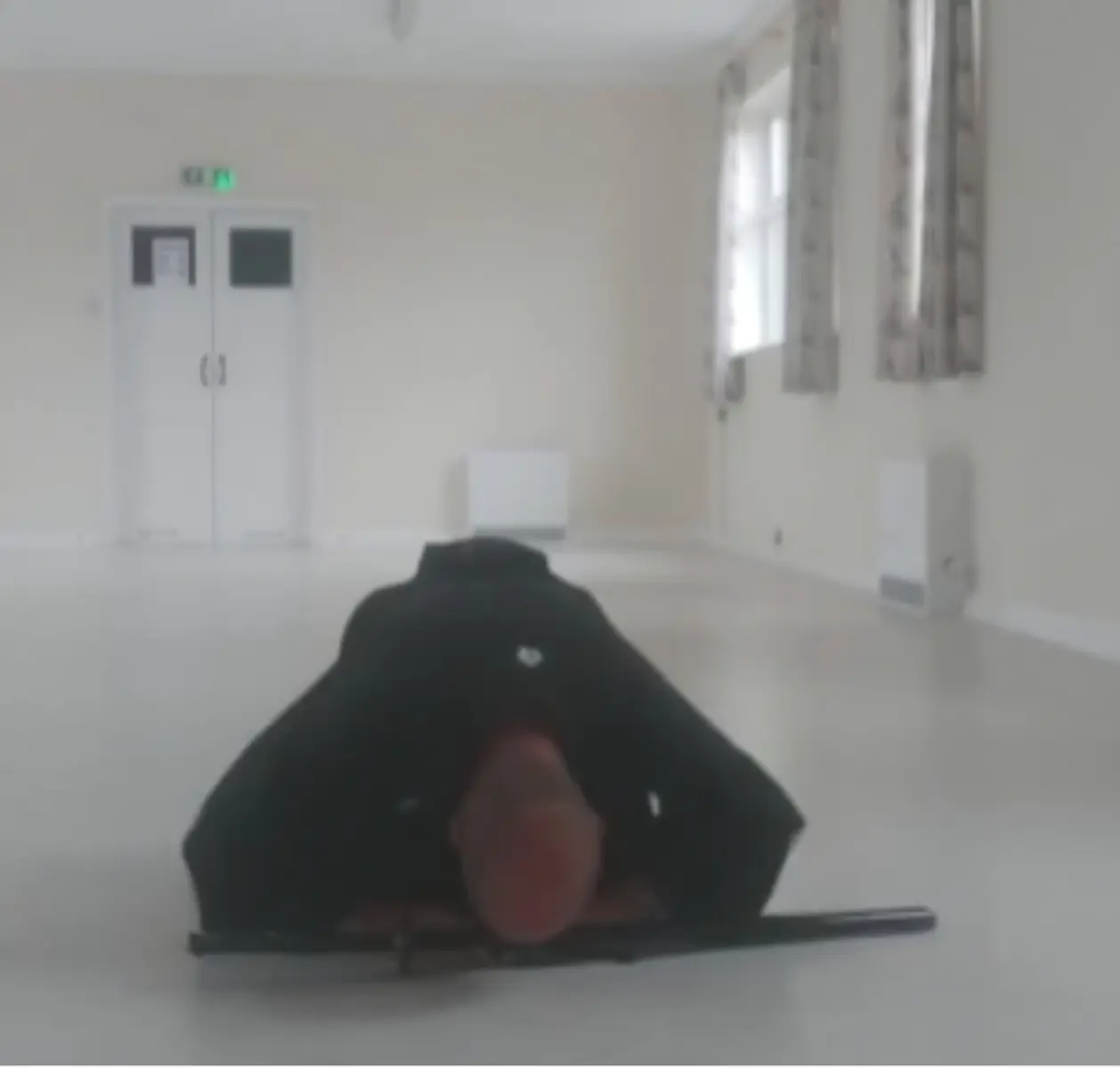
Etiquette 'Reishiki'
Reishiki is more than etiquette. It is the outward expression of inner discipline — the visible form of respect, awareness, and humility within the dojo.
The dojo itself is not merely a training hall. The word finds its origin in the meditation halls of Zen Buddhism — a place of deep concentration, refinement, and self-cultivation. In the martial tradition, it remains a space set apart from the ordinary world. When we step across its threshold, we step into study of the highest order — where body, mind, and spirit are forged together.
If simple principles are upheld within these walls, teacher and student progress together in harmony, in accordance with the spirit of Kyushindo — the Way of seeking true nature.
Conduct Within the Dojo
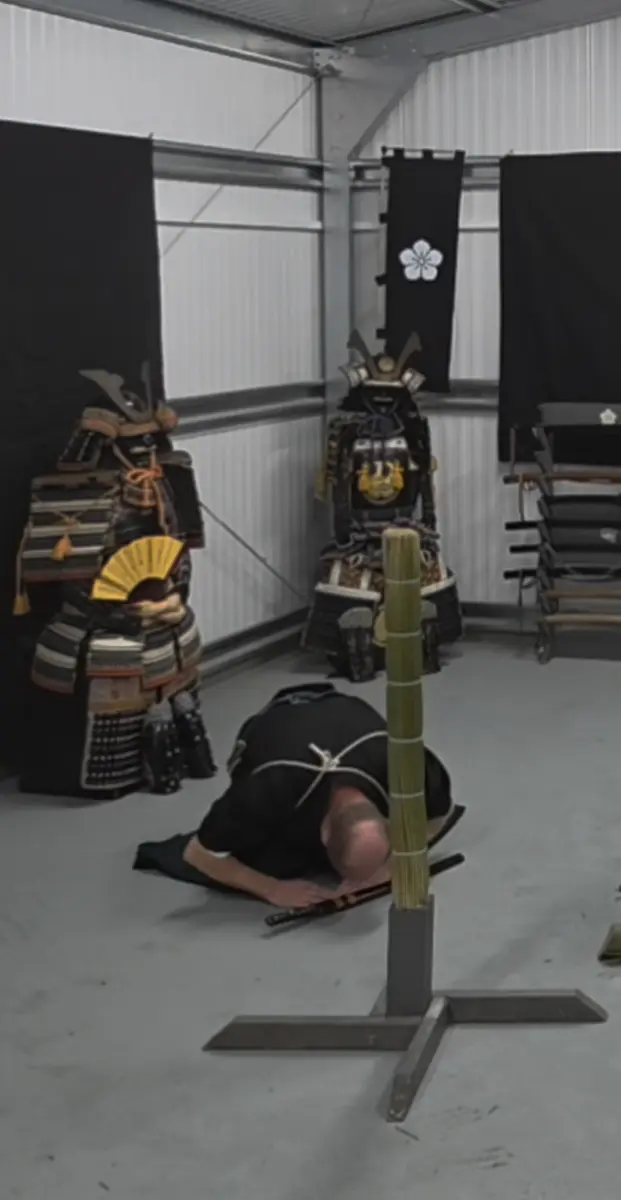
When entering or leaving the dojo, it is proper to perform rei — bowing toward the Kamiza. This gesture is not ritual alone; it is acknowledgement of lineage, tradition, and the seriousness of the training undertaken.
Respect your teacher — your Sensei. Follow instruction with sincerity and attention. Guidance is given for your development; receive it with humility.
When “Yame” is called, stop immediately. Return to stillness and give full attention. Awareness must be instant and complete.
From seiza, never rise before your Sensei. Patience and order reflect discipline.
Zanshin — Continued Awareness
You are training with dangerous equipment. Blades, wooden weapons, and committed movement require constant awareness. Zanshin — remaining mind — means your attention does not fade when a technique ends. Be aware of those around you at all times. Complacency has no place in martial study.
Conduct Toward Others
Be considerate and approachable. Train with control. Senior grades must guide without arrogance; junior grades must practise without fear. Strength is measured by restraint.
When moving around the dojo, extend your empty right hand, palm upward, as a sign of peaceful intent and awareness of others’ space. Do not walk directly behind someone engaged in training. Presence must be visible and respectful.
Discipline and Order
Arrive on time. If you are late, enter quietly and sit in seiza at the edge of the dojo near the entrance, awaiting permission to join. Do not disturb a class already in progress.
Avoid coarse language, idle talk, and foolish behaviour. The dojo is a place of study, not distraction.
Maintain cleanliness of body and uniform. Keep nails trimmed and appearance neat. Disorder in small things reflects disorder in greater ones.
Ensure the hall is left clean and orderly after training. We inherit the dojo through respect; we leave it ready for the next generation.
Beyond the Dojo
Budo techniques are never to be used outside the dojo except in genuine necessity — for the defence of oneself or the protection of others. The purpose of training is control, not aggression. The highest victory is one that need not be fought.
Reishiki is not enforced formality.
It is living awareness.
Through respect, harmony is maintained.
Through discipline, safety is preserved.
Through correct behaviour, the Way endures —
old in spirit, steady in modern practice.
© 2026 Stuart Knight / Tenshin Dojo. All rights reserved.
No part of this website may be reproduced, copied, or distributed without written permission.