Tenshin Anthology Of The Living Blade
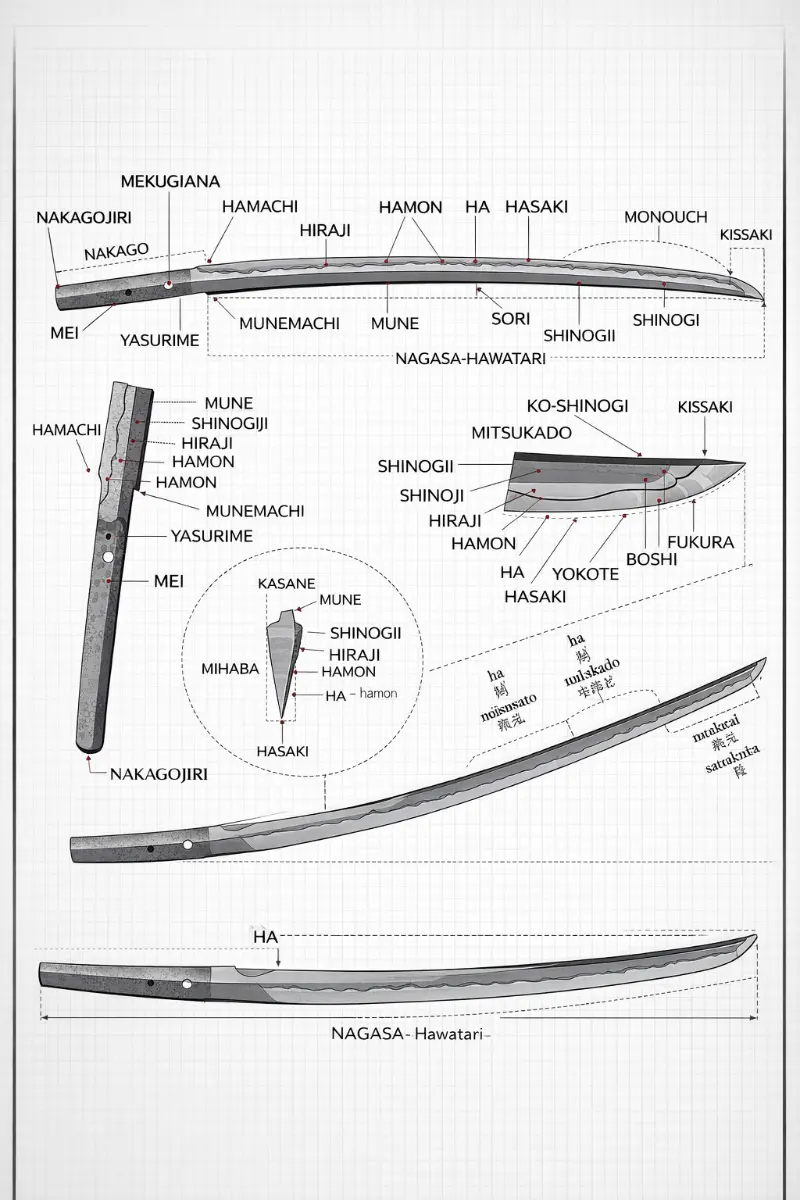
I. BLADE (刀身 – Tōshin)
A. Primary Blade Geometry
Nagasa (長さ) – Blade length
Sori (反り) – Curvature
Koshi-zori (腰反り) – Deep near base
Torii-zori (鳥居反り) – Even curve
Saki-zori (先反り) – Curve near tip
Mune (棟) – Spine
Iori-mune (庵棟) – Peaked spine
Maru-mune (丸棟) – Rounded spine
Ha (刃) – Cutting edge
Shinogi (鎬) – Ridge line
Shinogi-ji (鎬地) – Upper flat
Ji (地) – Blade surface
Hira (平) – Flat plane
Yokote (横手) – Tip boundary line
B. Kissaki (Tip) Classifications
Ō-kissaki (大切先) – Large
Chū-kissaki (中切先) – Medium
Ko-kissaki (小切先) – Small
Ikubi-kissaki (猪首切先) – Stubby
Kamakura-kissaki – Long elegant tip
C. Blade Width & Thickness
Motohaba (元幅) – Width at base
Sakihaba (先幅) – Width near tip
Motokasane (元重ね) – Thickness at base
Sakikasane (先重ね) – Thickness at tip
D. Grooves (Hi)
Bo-hi (棒樋) – Single groove
Futasuji-hi (二筋樋) – Double groove
So-hi (添樋) – Paired groove
Koshibi (腰樋) – Short groove
Tome (留め) – Groove termination style
E. Horimono (彫物 – Engravings)
Bonji (Sanskrit characters)
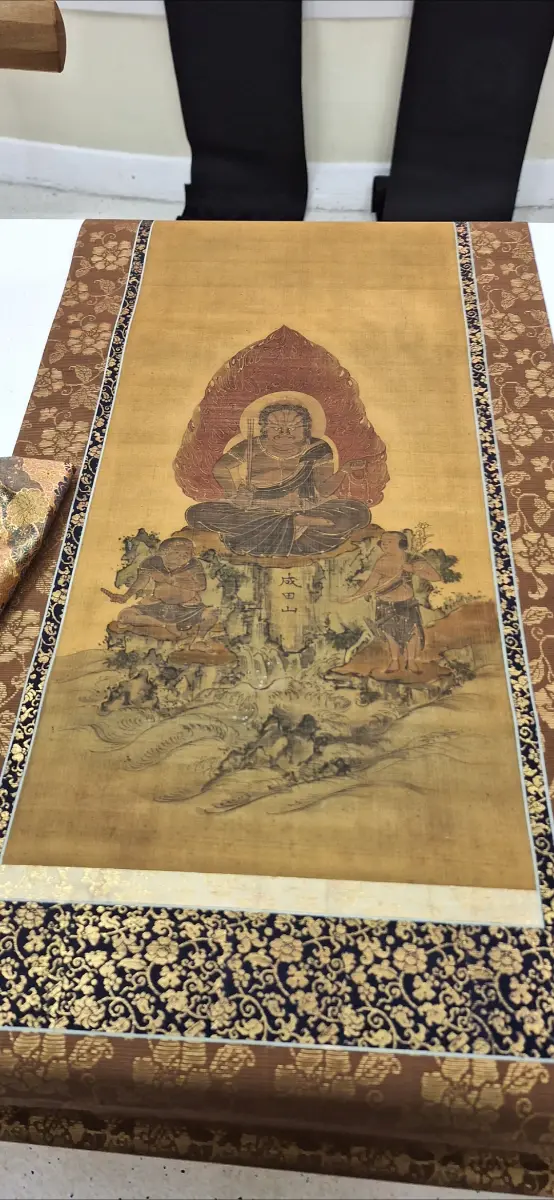
Fudō-myōō carving
Dragon (Ryū)
Ken (sword motif)
Gomabashi (chopstick-style grooves)
II. JIHADA (地肌 – Steel Grain Patterns)
Itame-hada (板目肌) – Wood grain
Mokume-hada (杢目肌) – Burl wood pattern
Masame-hada (柾目肌) – Straight grain
Ayasugi-hada (綾杉肌) – Wave cedar pattern
Nashiji-hada (梨地肌) – Pear-skin texture
Muji-hada (無地肌) – Almost no visible grain
Hadatatsu (肌立つ) – Prominent grain
Ji-nie (地沸) – Crystalline martensite in surface
Chikei (地景) – Dark lines in ji
III. HAMON (刃文 – Temper Line Patterns)
A. Straight-Based
Suguha (直刃) – Straight line
Hiro-suguha (広直刃) – Wide straight
Ko-midare (小乱れ) – Small irregular
B. Wavy & Patterned
Notare (湾れ) – Gentle wave
Gunome (互の目) – Clove-shaped
Chōji (丁子) – Clove pattern
Ō-chōji (大丁子) – Large clove
Togari-gunome (尖り互の目) – Pointed gunome
Hitatsura (皆焼) – Full temper
Sudareba (簾刃) – Bamboo-blind style
Hamon Activity (Hataraki)
Ashi (足) – Legs extending downward
Yō (葉) – Leaves upward
Kinsuji (金筋) – Lightning lines
Inazuma (稲妻) – Lightning streaks
Sunagashi (砂流し) – Sand-like lines
Nie (沸) – Crystalline martensite
Nioi (匂) – Mist-like temper
IV. BOSHI (帽子 – Tip Temper Styles)
Omote / Ura – Front / back side
Kaeri (返り) – Turnback
Jizō-boshi (地蔵帽子) – Rounded head
Midare-komi (乱れ込み) – Irregular continuation
Hakikake (掃き掛け) – Brushed appearance
Yakitsume (焼詰め) – No turnback
V. SUGATA (姿 – Blade Shape Classifications)
Shinogi-zukuri (鎬造り) – Standard ridge blade
Hira-zukuri (平造り) – Flat blade (no ridge)
Kissaki-moroha-zukuri (切先両刃造) – Double-edged tip
Shōbu-zukuri (菖蒲造り) – Iris-leaf shape
Unokubi-zukuri (鵜首造り) – Cormorant neck style
Kanbun-shintō sugata – Compact Edo style
Kamakura sugata – Deep curvature
Nambokuchō sugata – Wide & long
VI. TANG (茎 – Nakago)
Nakago (茎) – Tang
Nakago-jiri (茎尻) – Tang tip
Kurijiri (栗尻)
Kengyō (剣形)
Ha-agari kurijiri (刃上がり栗尻)
Mekugi-ana (目釘穴) – Peg hole
Yasurime (鑢目) – File marks
Kiri
Takanoha
Kesho
Mei (銘) – Signature
Ubu (生ぶ) – Original
Suriage (磨上げ) – Shortened
VII. TSUKA (柄 – Handle Assembly)
Tsuka (柄) – Handle
Tsuka-maki (柄巻) – Wrapping
Ito (糸) – Cord
Samegawa (鮫皮) – Ray skin
Menuki (目貫) – Grip ornaments
Fuchi (縁) – Collar
Kashira (頭) – Pommel
Mekugi (目釘) – Peg
Hishigami (菱紙) – Paper wedges
Makidome (巻止め) – Wrap knot
Kabuto-gane (兜金) – Helmet-style pommel fitting
VIII. TSUBA (鍔 – Guard)
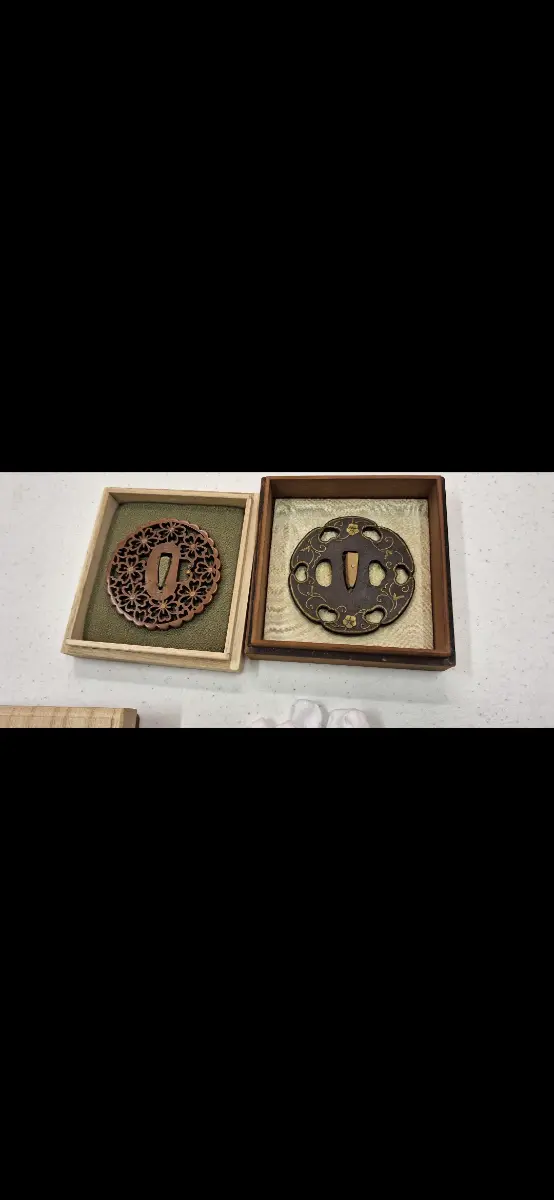
Tsuba (鍔) – Guard
Seppa (切羽) – Spacers
Nakago-ana (茎穴) – Tang hole
Hitsu-ana (櫃穴) – Accessory holes
Kozuka-ana (小柄穴) – Utility knife hole
Kogai-ana (笄穴) – Hairpin tool hole
Tsuba-dai (鍔台) – Central area
IX. SAYA (鞘 – Scabbard)
Saya (鞘) – Scabbard
Koiguchi (鯉口) – Mouth
Kurigata (栗形) – Knob
Sageo (下緒) – Cord
Shitodome (鵐目) – Decorative metal insert
Kojiri (鐺) – End cap
Saya-nuri (鞘塗) – Lacquer finish
X. MOUNTING TYPES (拵え – Koshirae)
Koshirae (拵え) – Mounting
Shirasaya (白鞘) – Plain storage mount
Tachi-koshirae (太刀拵え)
Handachi (半太刀)
Buke-zukuri (武家造り)
Daishō (大小)
Katana (刀)
Wakizashi (脇差)
Tantō (短刀)
Weapons, Warfare, and the Development of the Sword
武器・戦・刀の発展
To understand the Japanese sword properly, it must be understood in the context of the other weapons that were used alongside it, the armour that was worn, and the periods in which warfare took place. The sword did not exist alone, and for much of history it was not the main weapon used on the battlefield.
The weapons used by warriors changed over time depending on how wars were fought: whether combat was conducted on horseback, in small engagements, in large infantry formations, in sieges, or later, with the introduction of firearms. As warfare changed, weapons and armour changed with it, and these changes influenced the development and use of the sword.
Early Period — Mounted Archery
平安時代
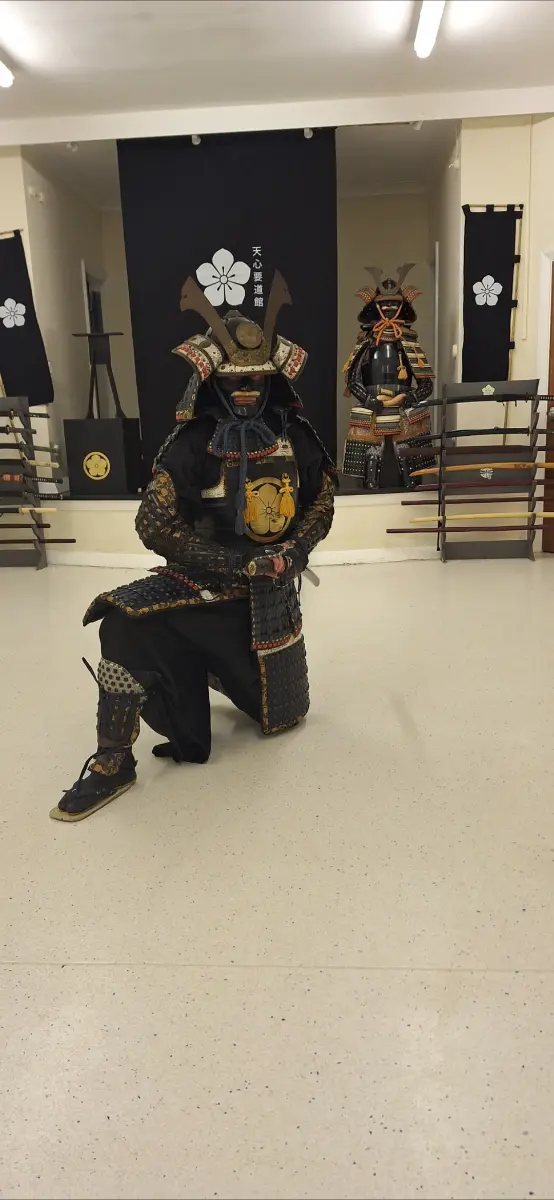
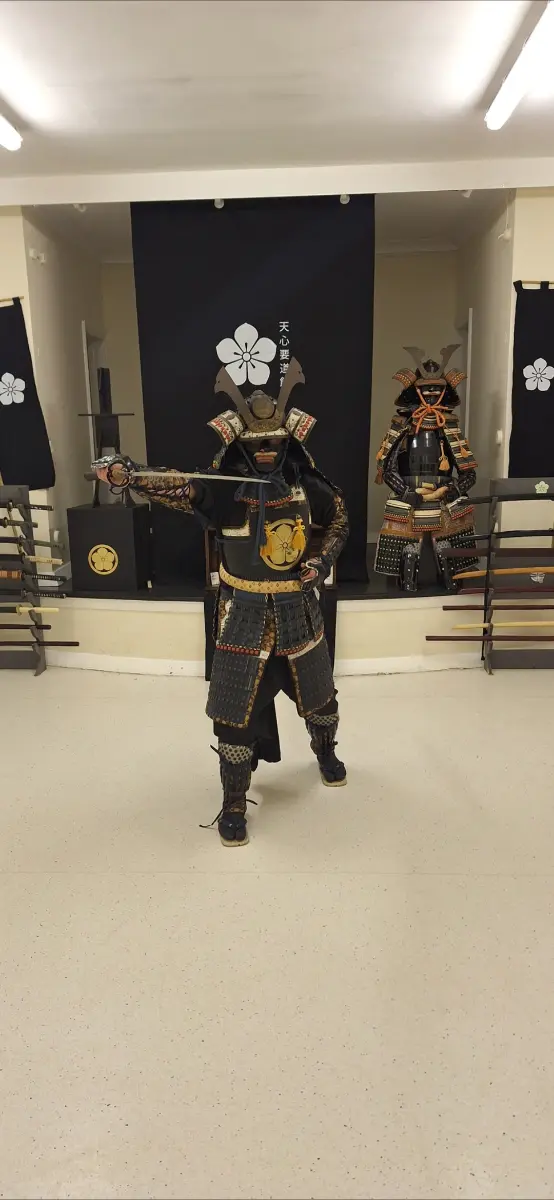
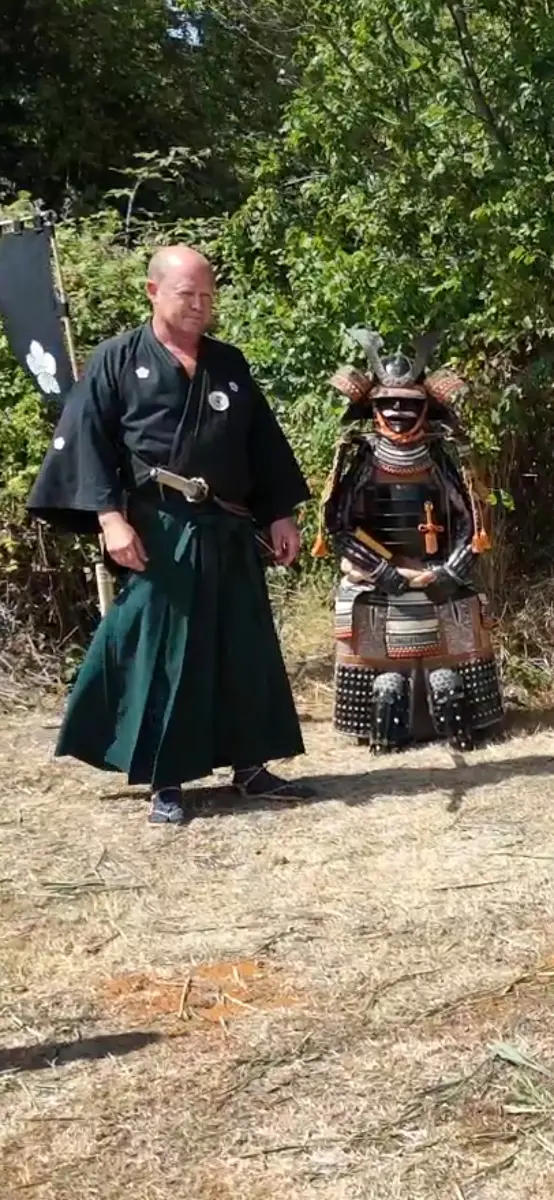
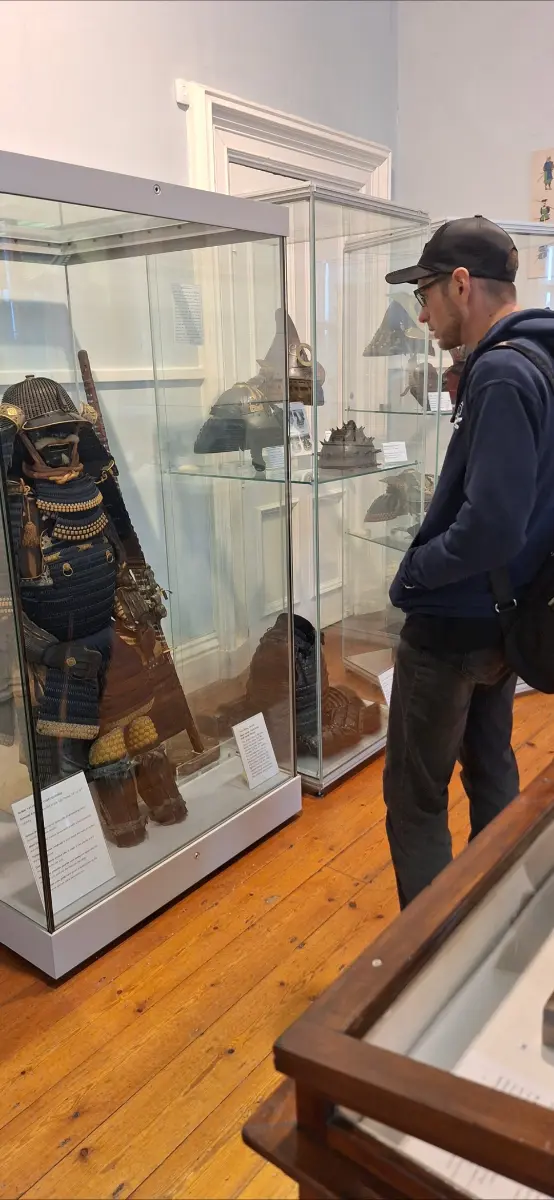
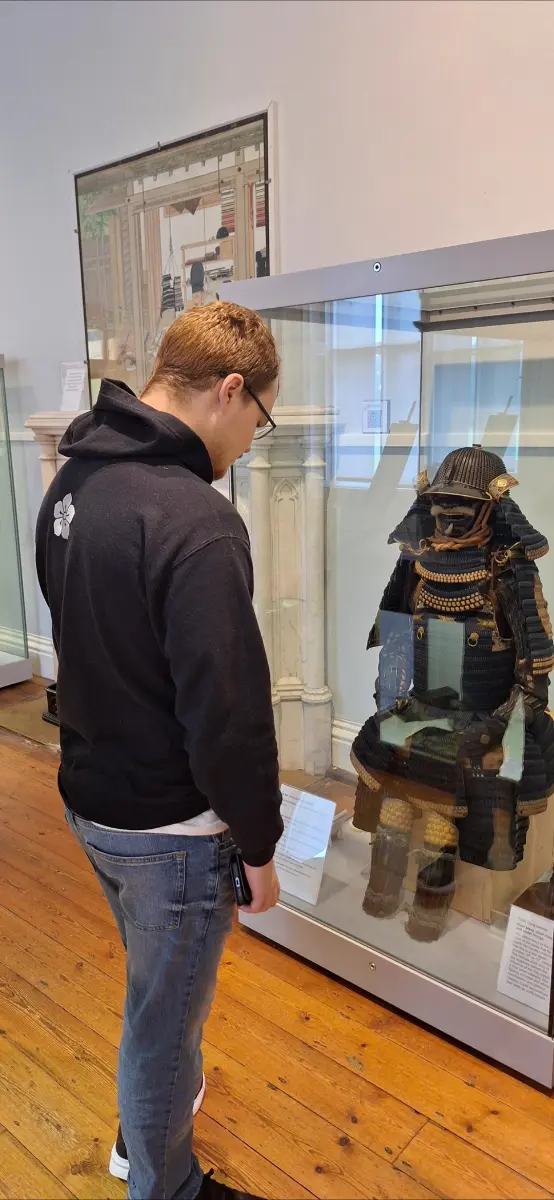
In the earlier periods of samurai warfare, particularly in the late Heian period, the yumi, the longbow, was one of the defining weapons of the mounted warrior. Samurai of this period are closely associated with mounted archery, and armour such as ō-yoroi was designed for mounted combat and the use of the bow. The large shoulder guards (ō-sode) provided protection while allowing the arm movement needed for archery.
During this period, the sword—usually the tachi, worn edge-down and suspended from the armour—was carried as a sidearm for closer fighting. Daggers such as the tantō were also used at very close range.
Medieval Period — Polearms and Infantry Combat
鎌倉時代・南北朝時代
As warfare developed and larger infantry battles became more common, polearms became increasingly important battlefield weapons. Among the most prominent were the naginata and later the yari. Longer cutting weapons such as the nagamaki, and in some periods the ōdachi or nodachi, appear in historical records as battlefield weapons associated with large-scale fighting.
These longer weapons offered reach that swords did not, especially in formation fighting. The sword continued to be carried, but often as a secondary weapon for close combat if the primary weapon was lost, broken, or impractical.
Armour during these periods also shifted toward more mobile forms such as dō-maru and haramaki, reflecting changes in how warriors fought.
The Yari — The Spear
槍
The yari, or spear, became one of the most widely used battlefield weapons, particularly from the Muromachi period and into the Sengoku period. Spears allowed warriors to fight at a greater distance than swords and were especially effective in formation fighting.
Large groups of soldiers could be trained to use the spear in coordinated formations, making it extremely effective in large battles. Because of its reach and effectiveness in formation combat, the spear became one of the most important battlefield weapons of the period.
The Naginata — The Curved Polearm
薙刀
The naginata is a curved blade mounted on a long shaft and combines aspects of a sword and a spear. It could be used for cutting, sweeping, and controlling distance.
The naginata appears frequently in earlier medieval warfare and was effective against both infantry and cavalry due to its reach and cutting ability. Over time, the spear became more dominant in large infantry formations, but the naginata continued to be used and studied in martial traditions.
The Nagamaki — The Long-Handled Sword
長巻
The nagamaki is a weapon that combines characteristics of both a sword and a polearm. It consists of a long blade mounted on a long handle, with the handle wrapped in a similar manner to a sword hilt. The name nagamaki refers to the long wrapping on the handle.
The nagamaki allowed powerful cutting movements while still providing longer reach than a standard sword. It occupied a middle ground between the sword and polearms such as the naginata.
Sengoku Period — Mass Warfare and Firearms
戦国時代
The Sengoku period saw large-scale warfare, organised armies, and the widespread use of infantry formations. During this time, the spear and firearms became extremely important battlefield weapons.
Firearms were introduced to Japan in 1543 and spread during this period. Their introduction changed battlefield tactics and contributed to changes in armour and battlefield formations. Groups of soldiers could be trained to fire in coordinated volleys, increasing the effectiveness of organised infantry units.
During this period, the uchigatana, worn edge-up through the belt, became more common. This method of wear allowed faster drawing and was more practical for combat on foot and in confined spaces.
The sword was often carried together with other weapons and became particularly important in close quarters, inside fortifications, during broken formations, and in situations where long weapons were impractical.
Ashigaru — Infantry Soldiers
足軽
A large part of Sengoku warfare was fought not only by samurai but by ashigaru, foot soldiers who formed the bulk of many armies. Ashigaru were commonly armed with spears and later firearms and fought in organised units and formations.
Because large groups of ashigaru could be trained to use spears and firearms effectively in formation, these weapons became extremely important on the battlefield.
Castle Warfare and Indoor Combat
Not all fighting took place on open battlefields. Fighting also occurred in and around castles, inside buildings, in narrow streets, and in confined spaces. In these environments, very long weapons such as spears and naginata were often difficult to use effectively.
In confined spaces, shorter weapons such as the sword, short sword, and dagger became more practical. This is one reason the sword remained an important carried weapon even when longer weapons were used on the battlefield.
The Sword as a Sidearm
Historically, the sword was often carried as a sidearm. On the battlefield, longer weapons such as the spear and naginata were often more effective because of their reach. However, these weapons were not always practical in confined spaces, indoors, or when formations broke.
For this reason, the sword was carried as a sidearm. Because it was consistently carried, it became the weapon most often used in sudden encounters, close combat, and personal defence. This contributed to the sword becoming one of the most studied weapons in later martial traditions.
The Wakizashi — The Companion Sword
脇差
The wakizashi was the shorter companion sword worn together with the long sword. It was particularly useful in confined spaces, indoors, or in situations where a longer sword was difficult to use.
During the Edo period, the long sword and short sword together became known as the daishō and were worn by the samurai class. In some indoor situations, the long sword might be set aside, and the wakizashi would remain as the primary weapon.
The Tantō — Close Combat and Grappling
短刀 — 組討と至近距離の武器
The tantō, or dagger, was an important weapon for very close combat. In armoured combat, cutting through armour was difficult, so techniques often involved targeting gaps in the armour. The tantō was well suited for this type of fighting because it could be used in very close quarters and in grappling situations.
In some forms of battlefield grappling, often referred to as kumiuchi, warriors would grapple, throw, or pin an opponent and then use a dagger to attack weak points in the armour.
Heavy Weapons — Kanabō and Tetsubō
金棒・鉄棒
There were also heavy impact weapons such as the kanabō and tetsubō, heavy clubs made of wood or iron. These weapons were designed to crush rather than cut and were used against armoured opponents.
Weapons and Engagement Distance
Distance
Weapons
Long distance
Yumi, Firearms
Medium distance
Yari, Naginata
Close distance
Sword
Very close distance
Tantō
Armoured shock
Kanabō
Tachi, Uchigatana, and Katana
太刀・打刀・刀
The way the sword was worn changed over time, and this affected how it was drawn and used.
Tachi — worn edge-down, associated with mounted warfare
Uchigatana — worn edge-up, associated with fighting on foot
Katana — later development of the uchigatana, worn with wakizashi during the Edo period
Armour and Technique
Technique also changed depending on armour.
Situation
Technique
Armoured opponent
Target gaps, thrusting
Light armour
Cutting techniques
No armour
Faster drawing and cutting
Blade Shape and Curvature by Period
刀の反りと時代
The shape and curvature of the Japanese sword changed over time, and these changes were influenced by how the sword was used and how warfare was conducted in different periods.
Early swords, particularly those used in mounted warfare, often had deeper curvature, sometimes referred to as koshizori, where the deepest part of the curve is closer to the base of the blade.
Later swords developed a more even curvature, often referred to as torii-zori, where the curve is more central along the blade.
In some later blades, the curvature becomes slightly more pronounced toward the tip, sometimes referred to as sakizori.
Curvature Type
Shape
Associated Use
Koshizori
Curve near base
Mounted cutting
Torii-zori
Even curve
General use
Sakizori
Curve near tip
Later period swords
These differences in curvature relate to how the sword was used in different periods and contexts.
Tameshigiri — Historical and Modern
試し斬り — 歴史と現代
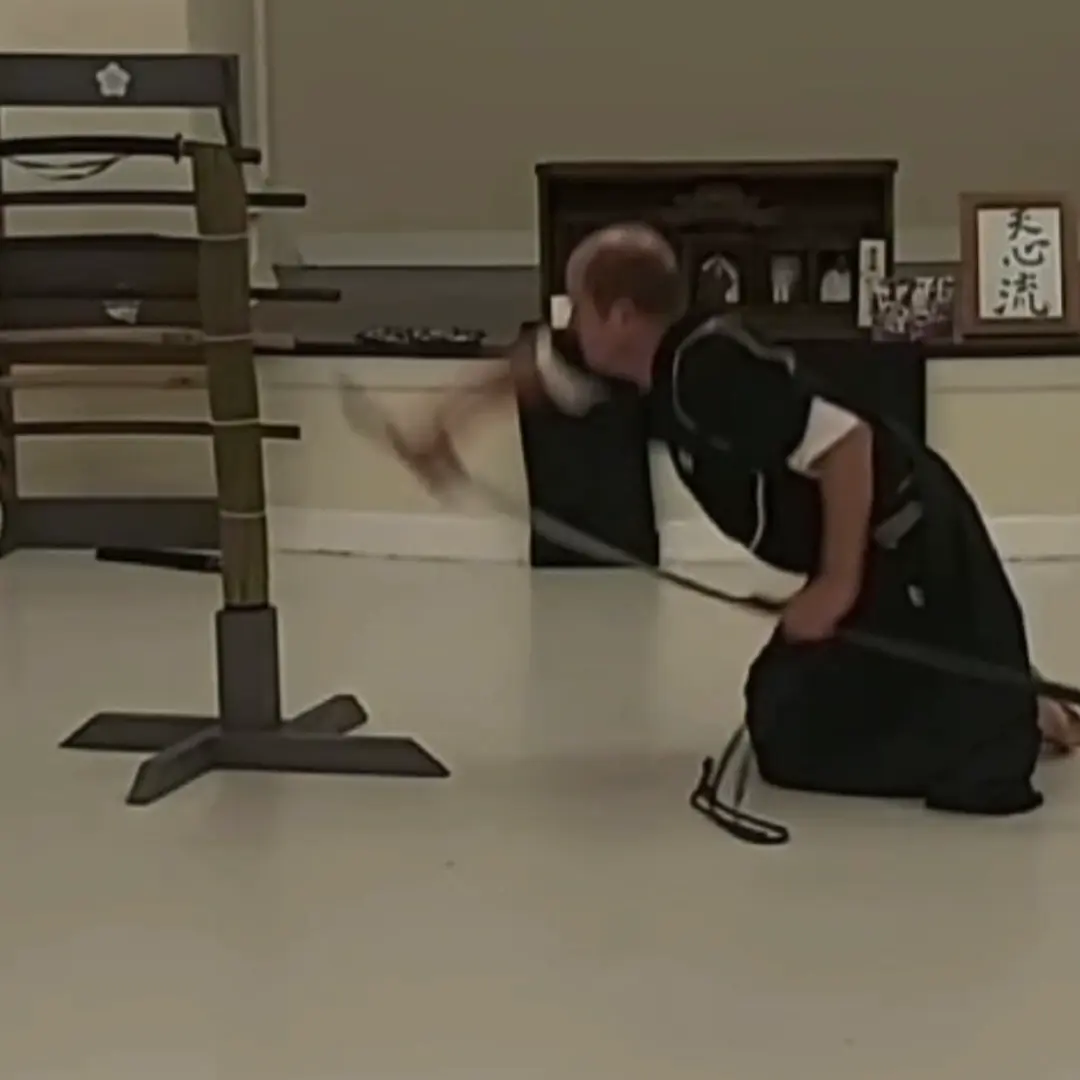
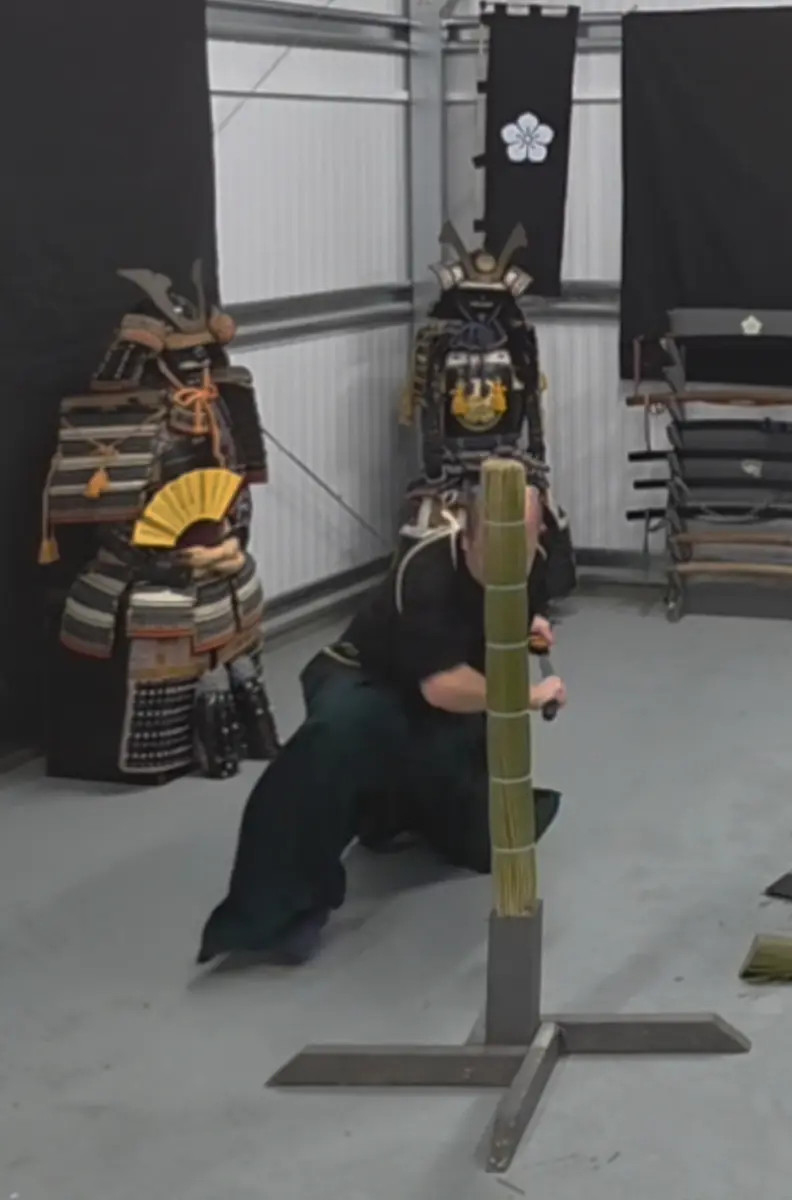
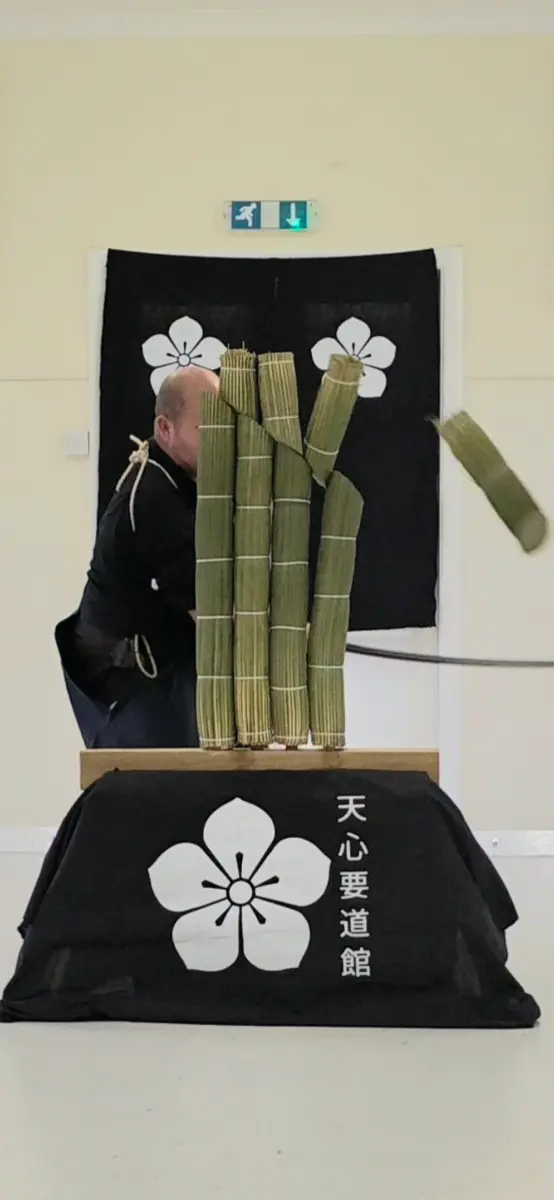
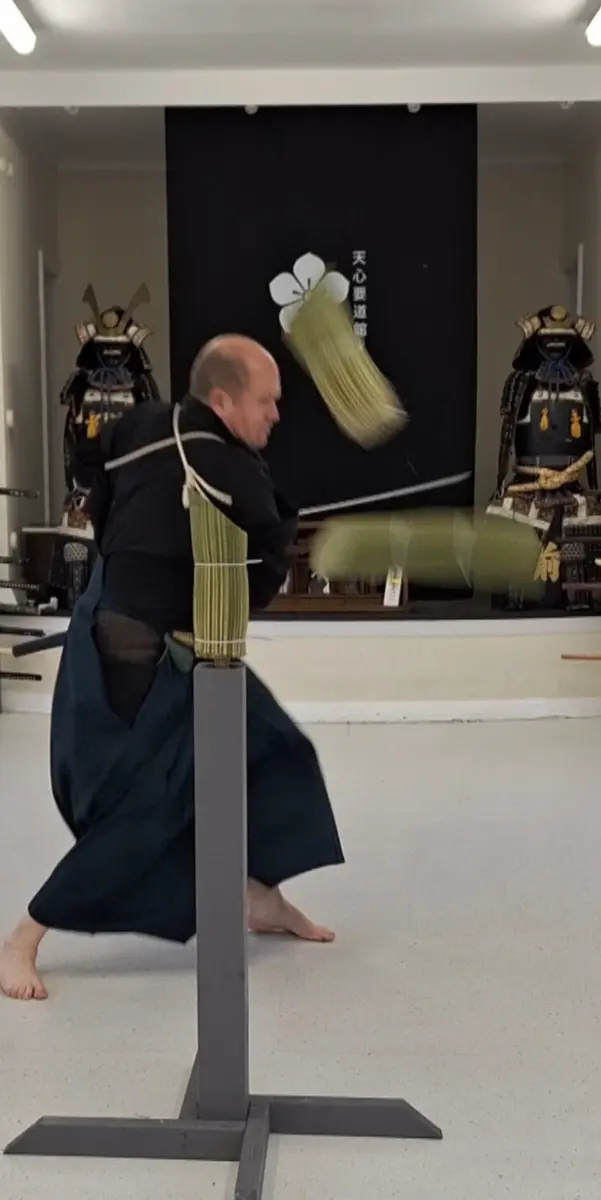
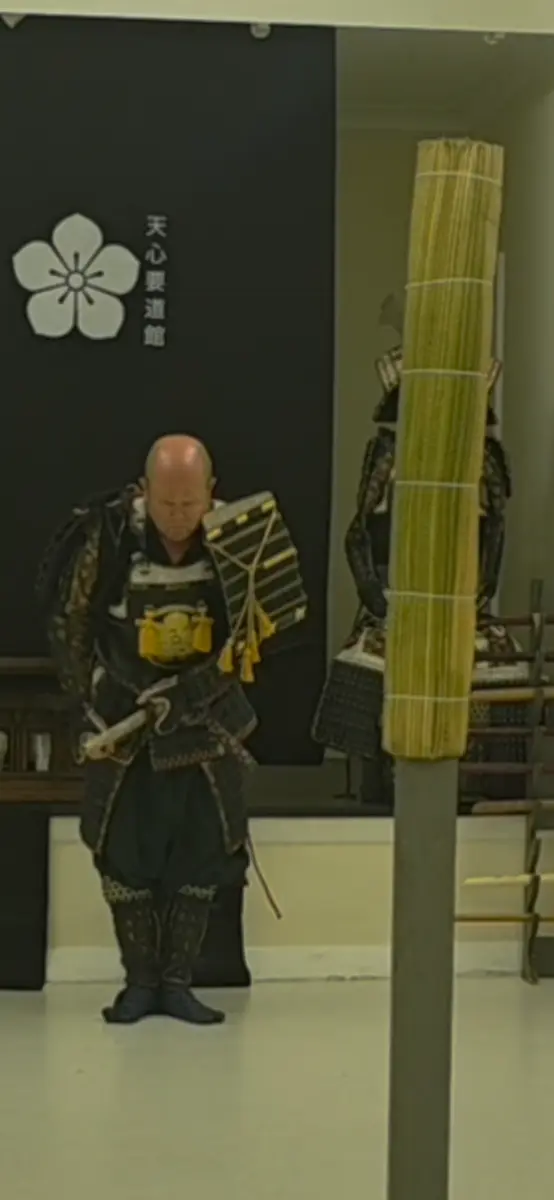
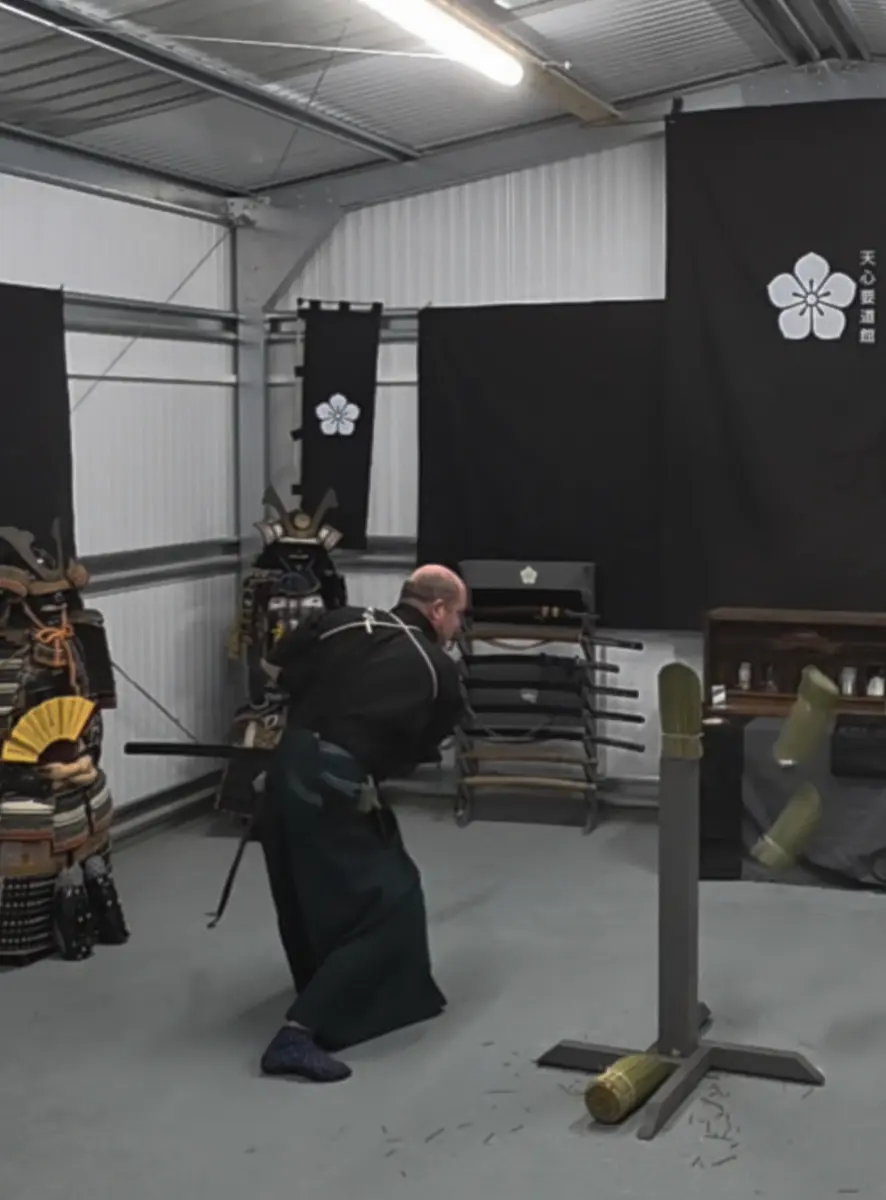
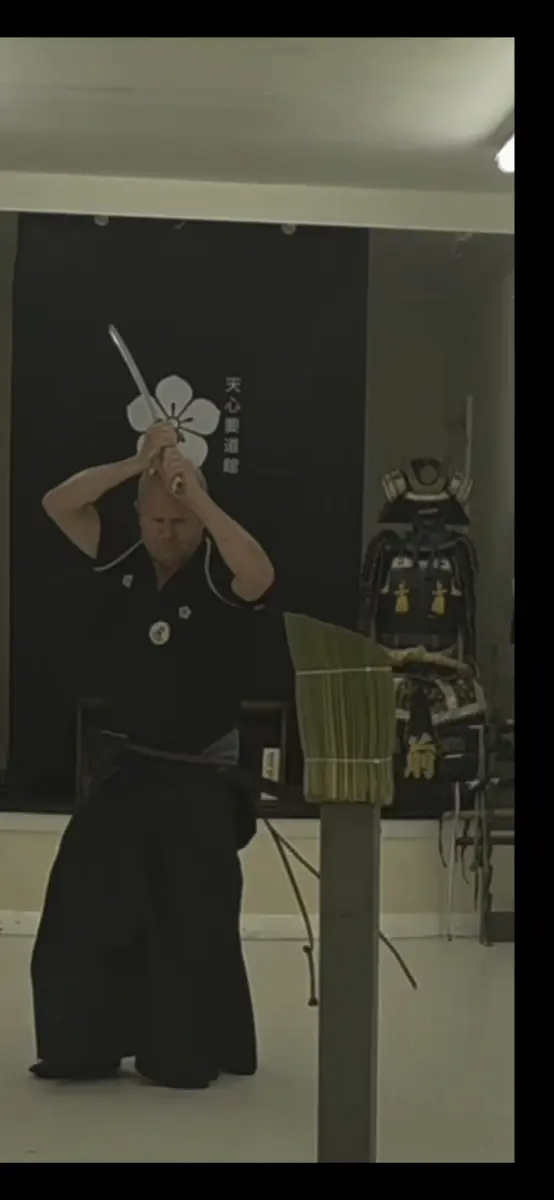
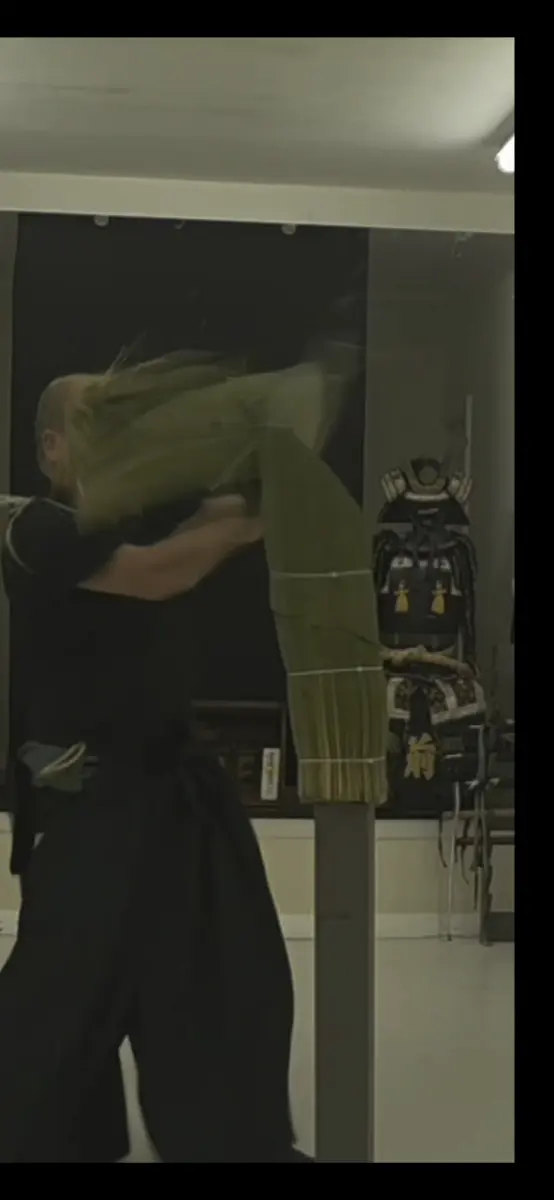
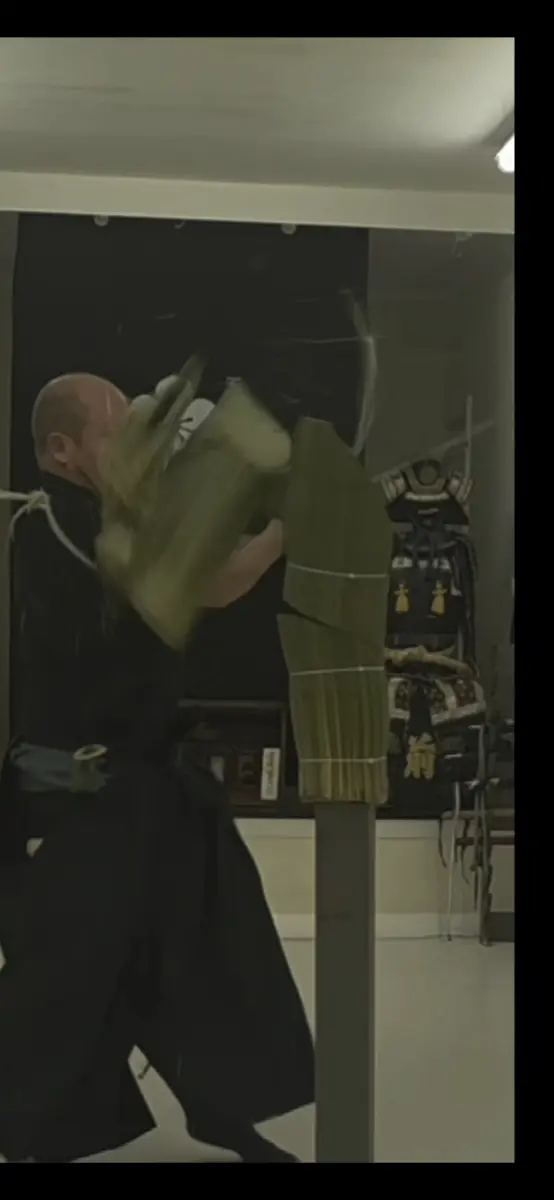
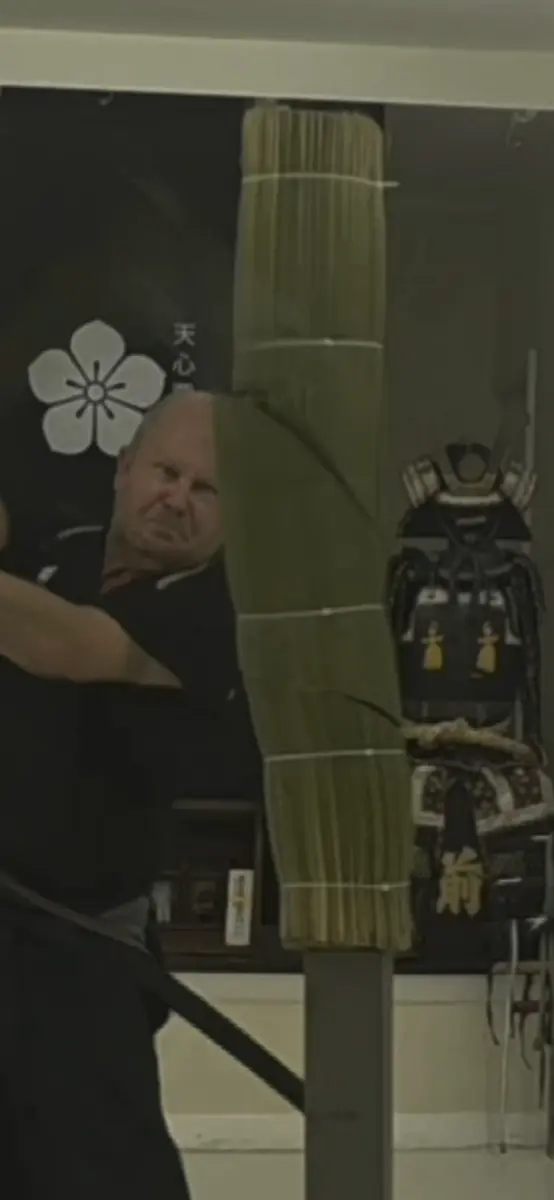
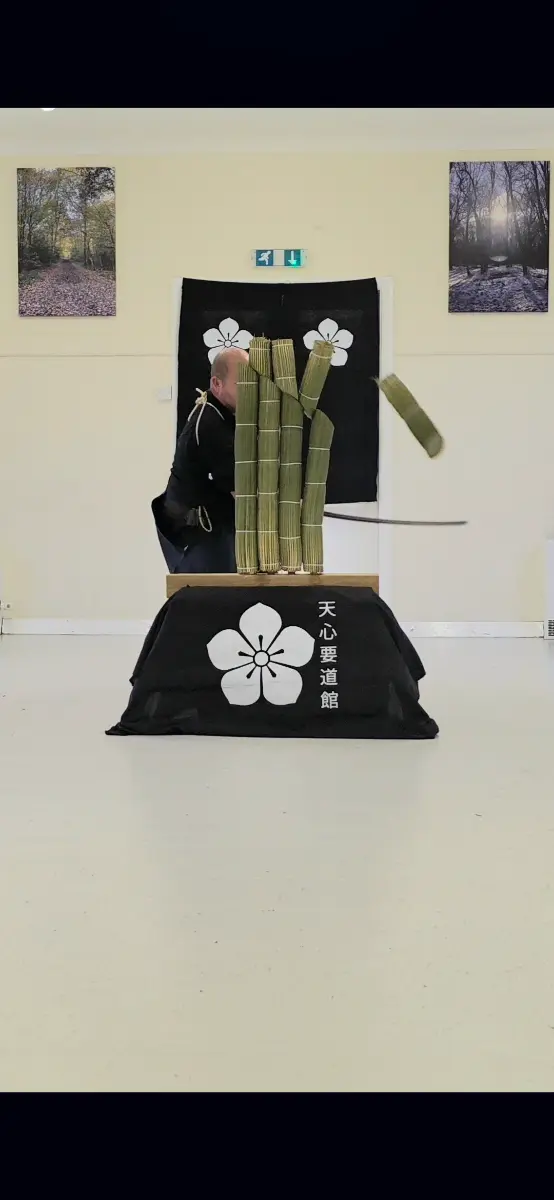
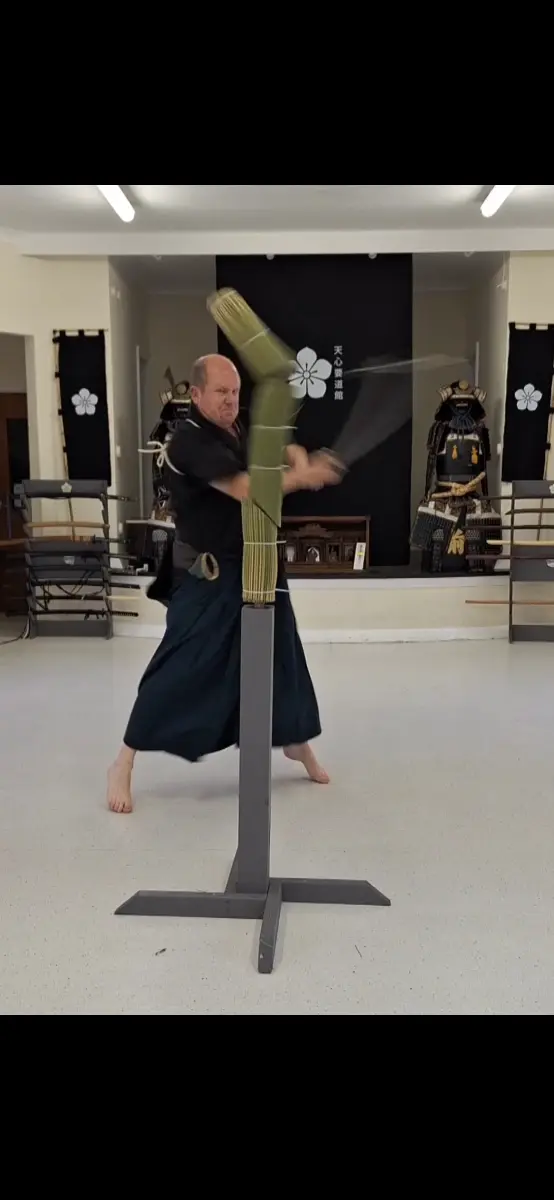
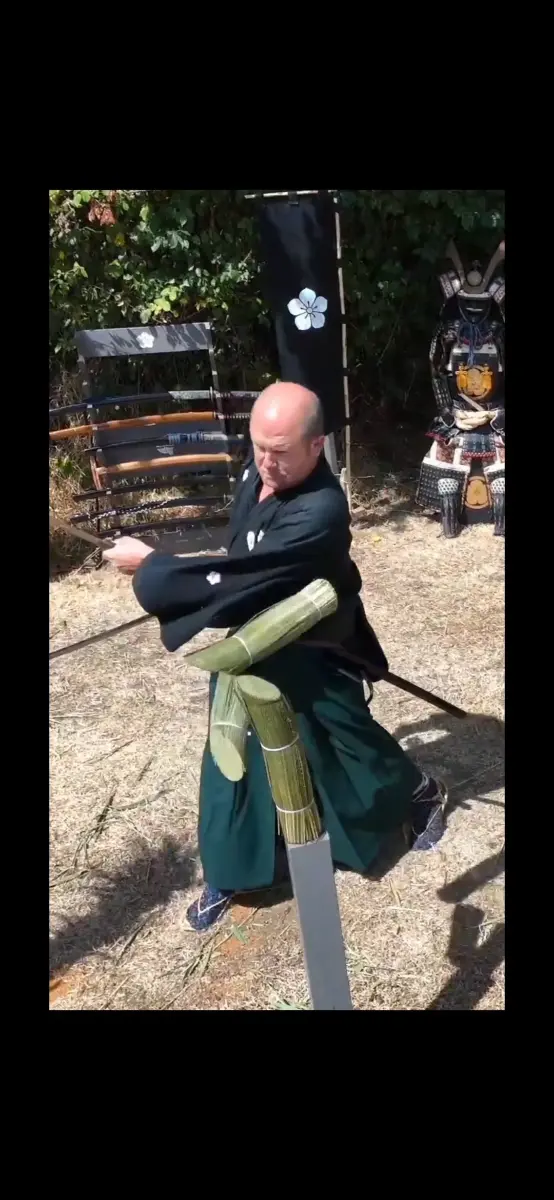
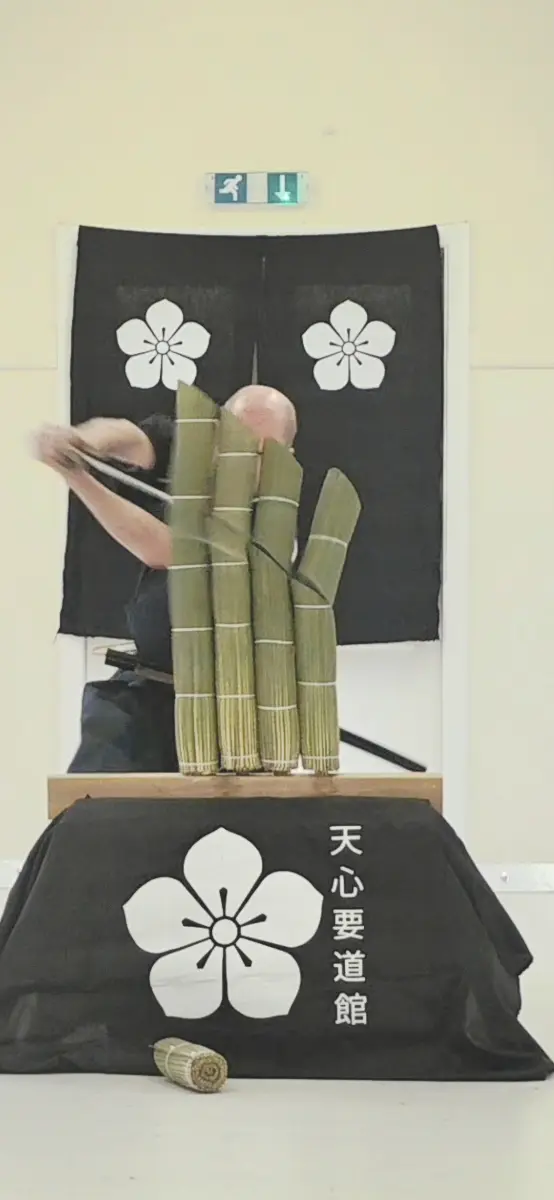
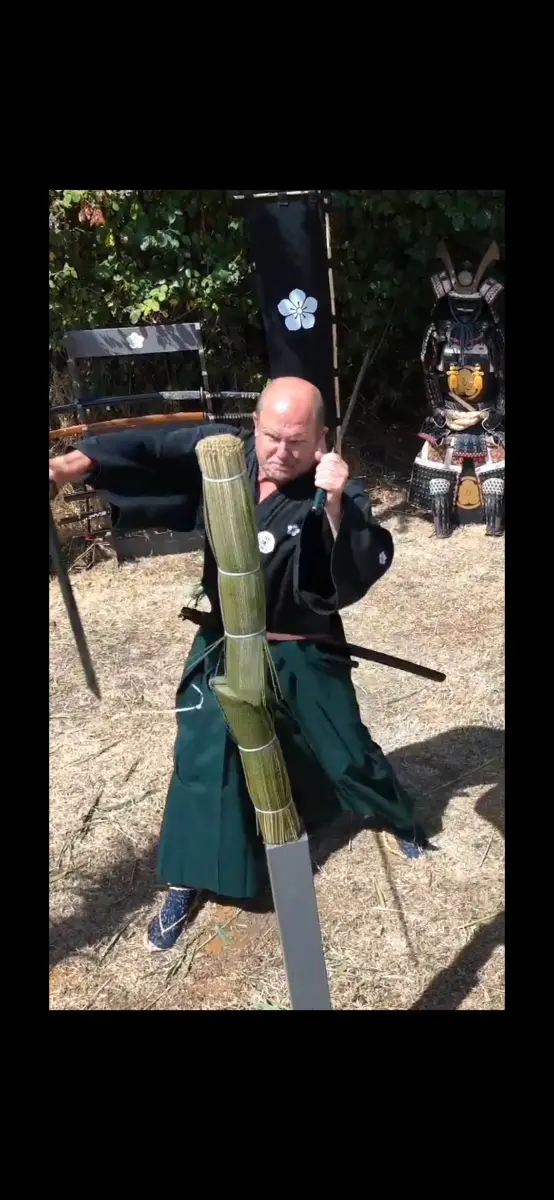
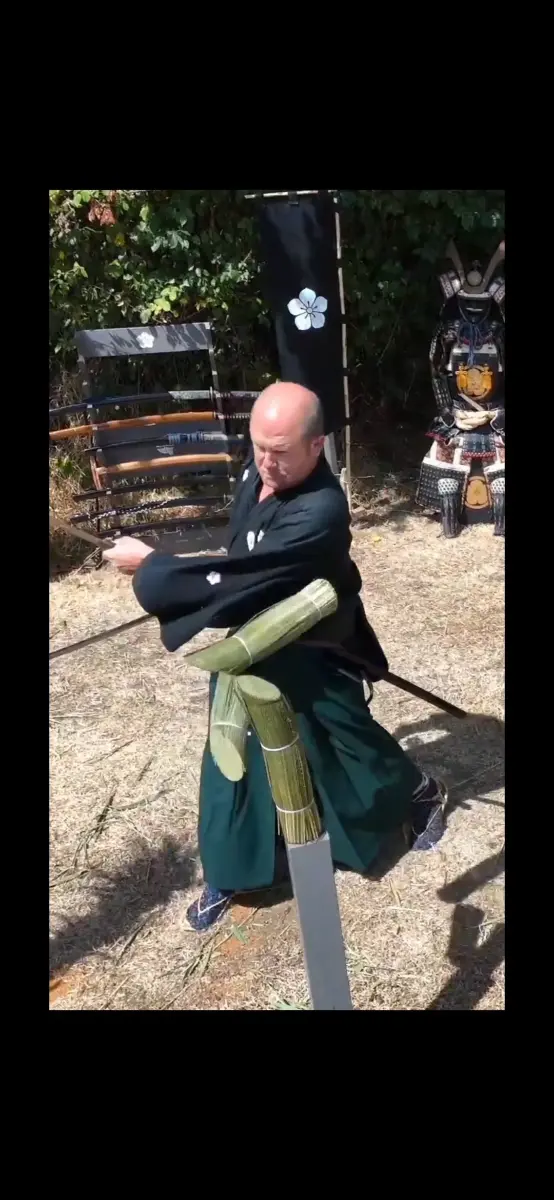
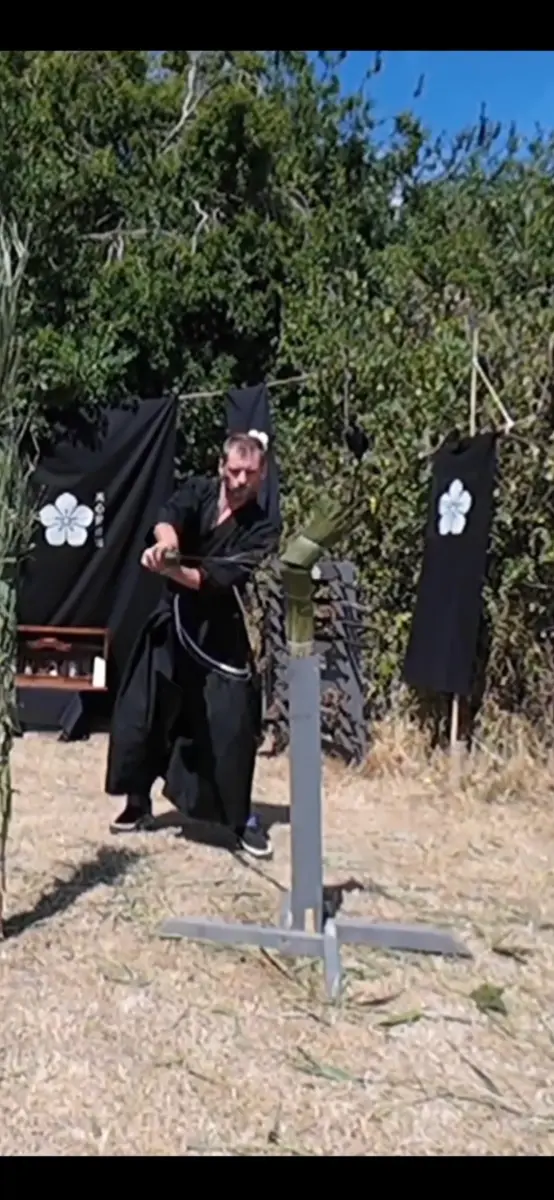
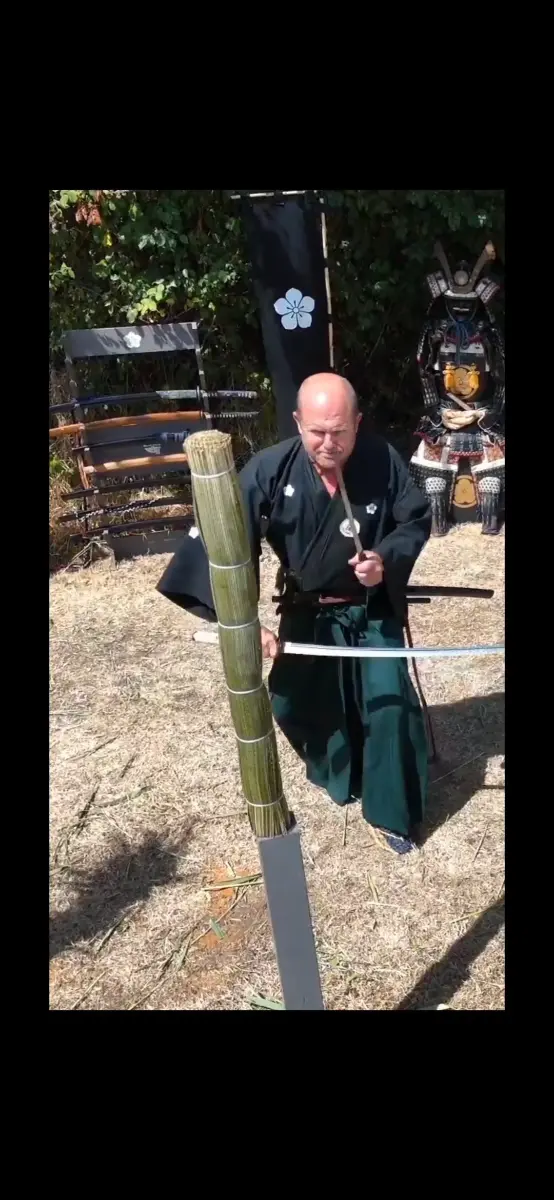
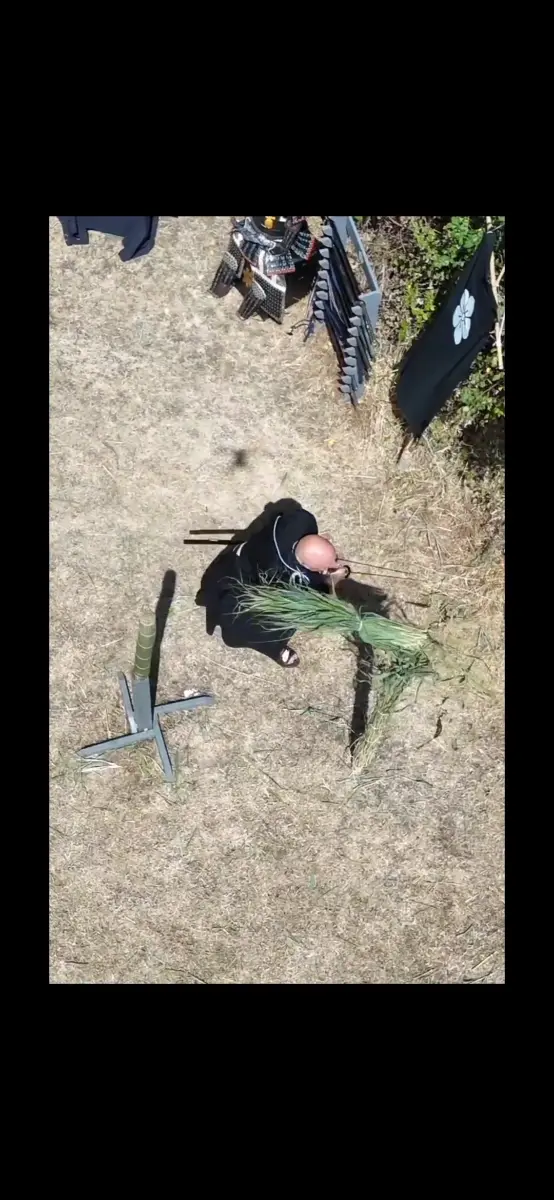
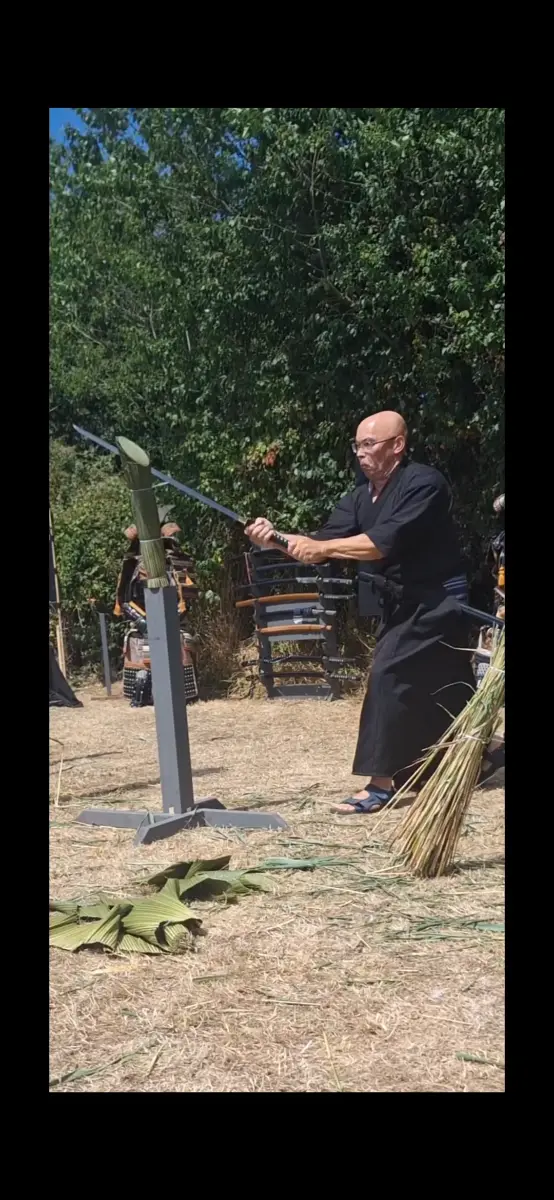
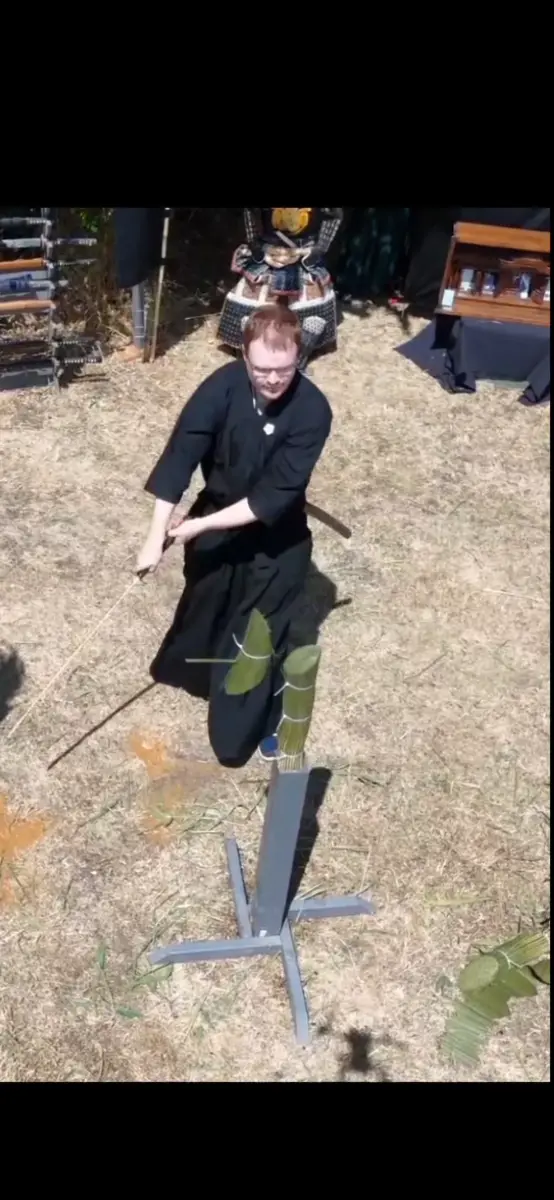
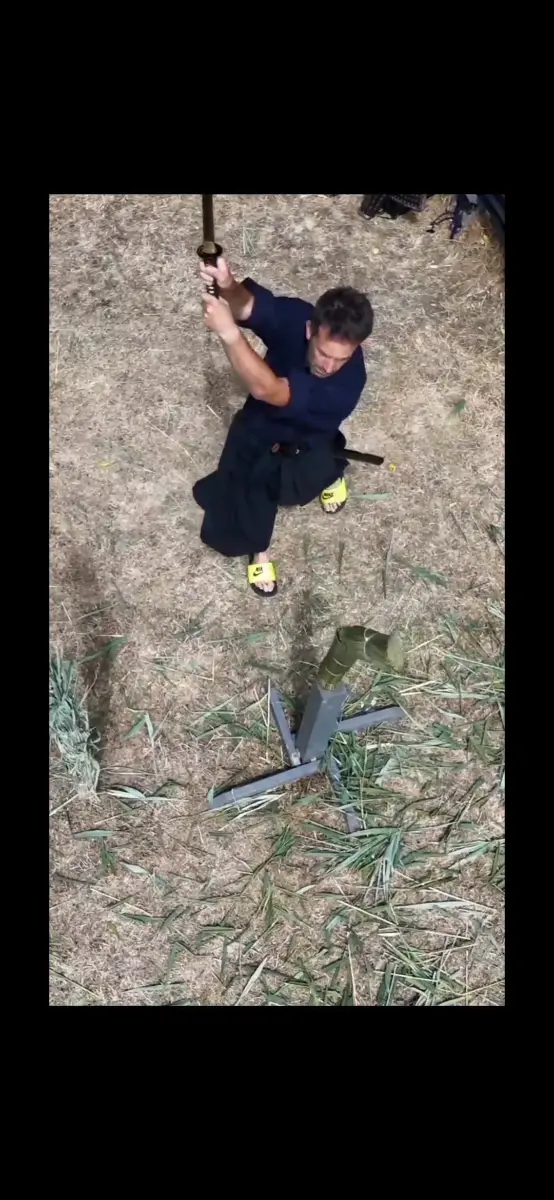
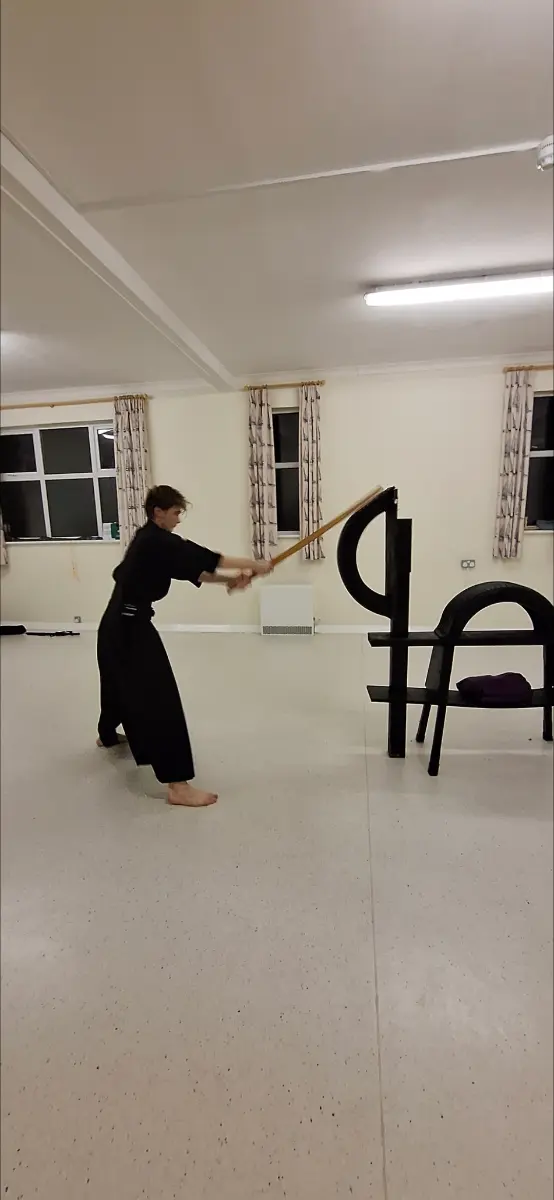
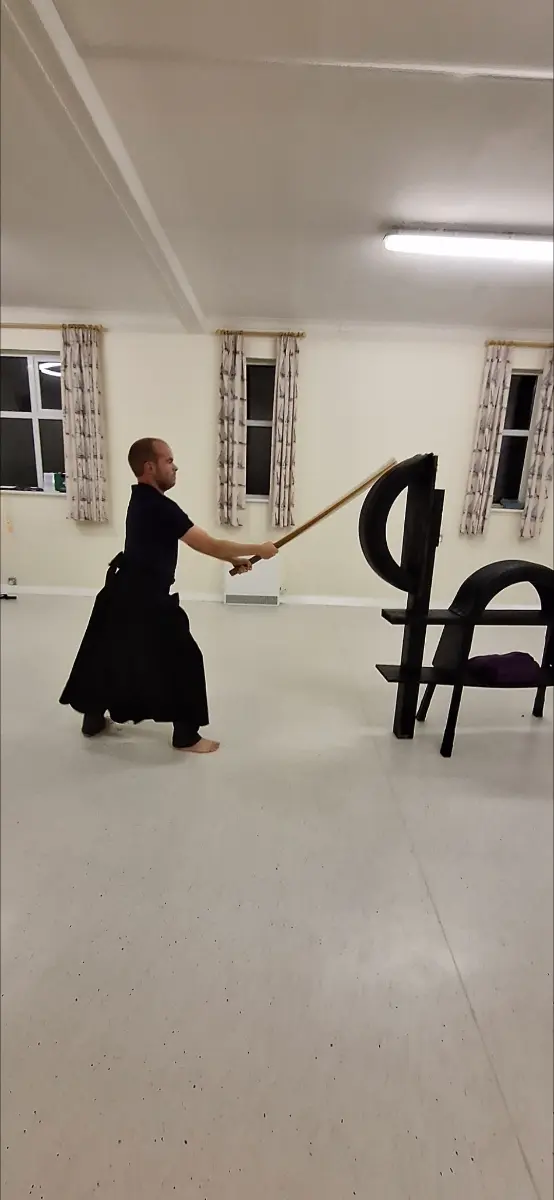
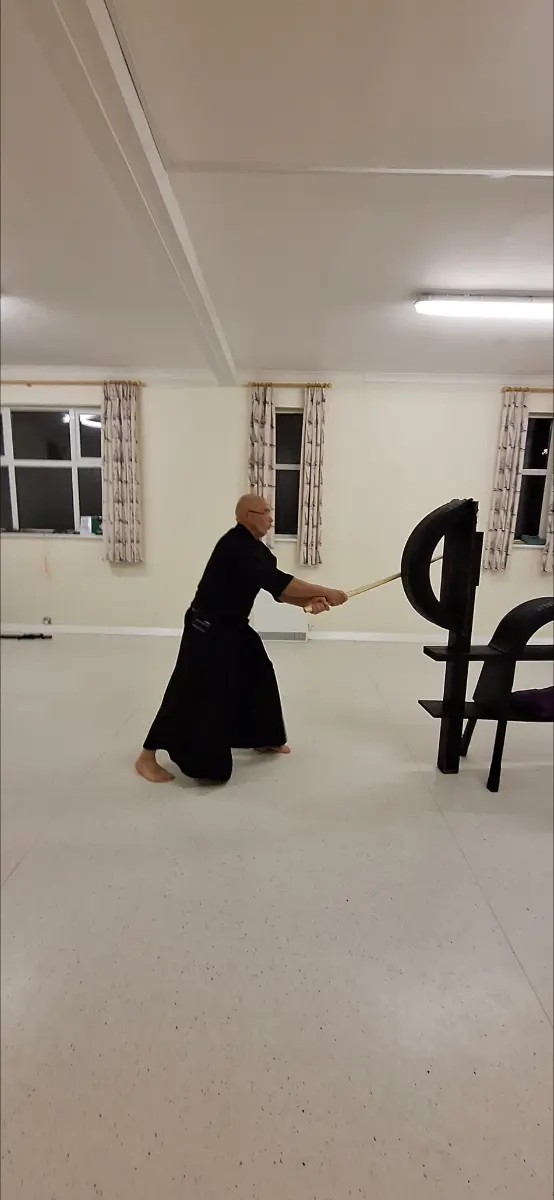
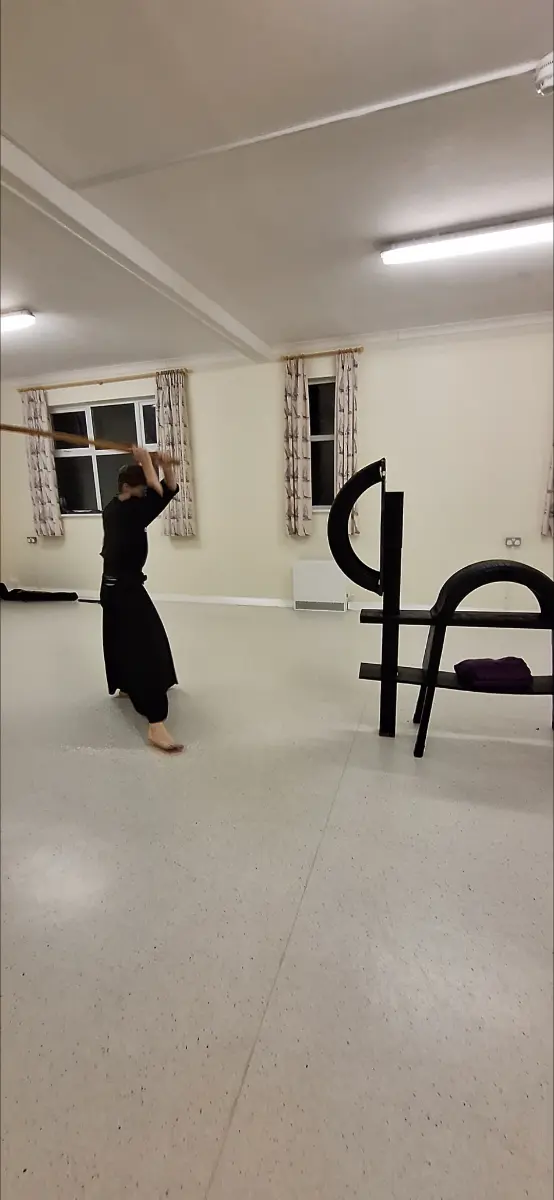
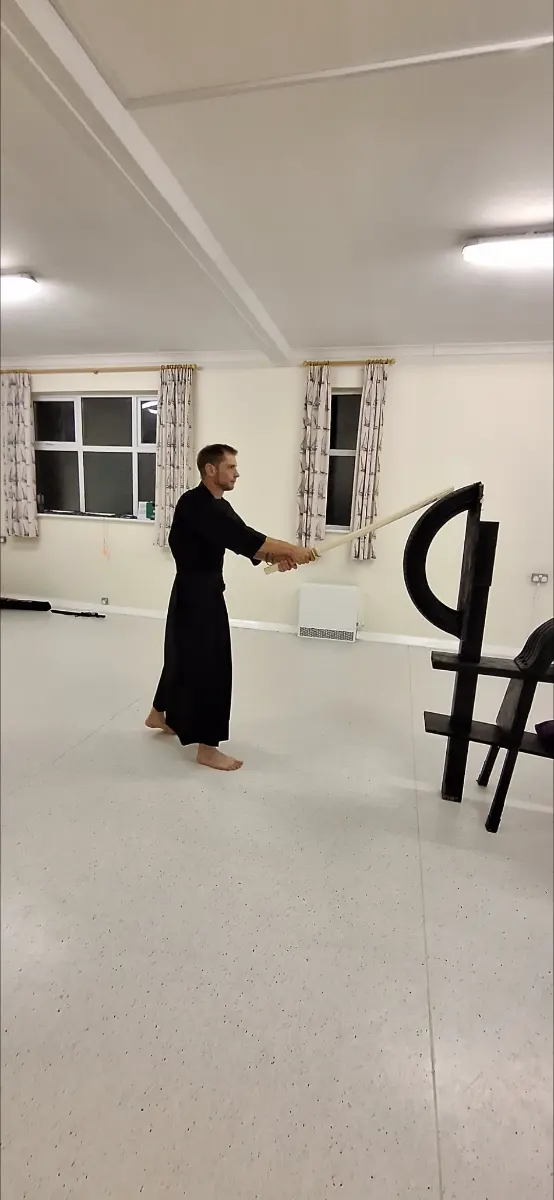
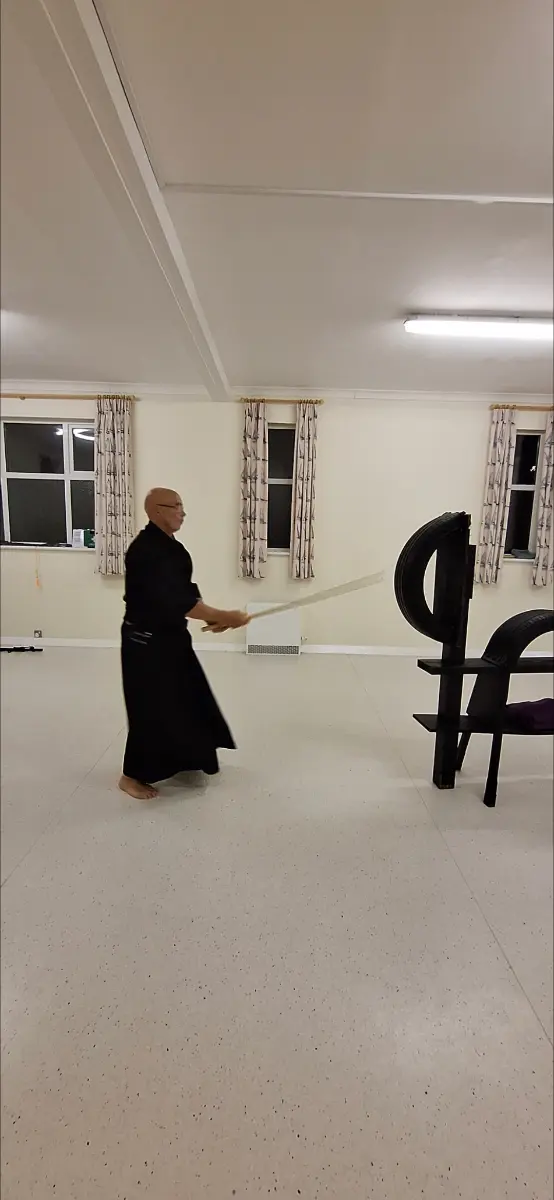
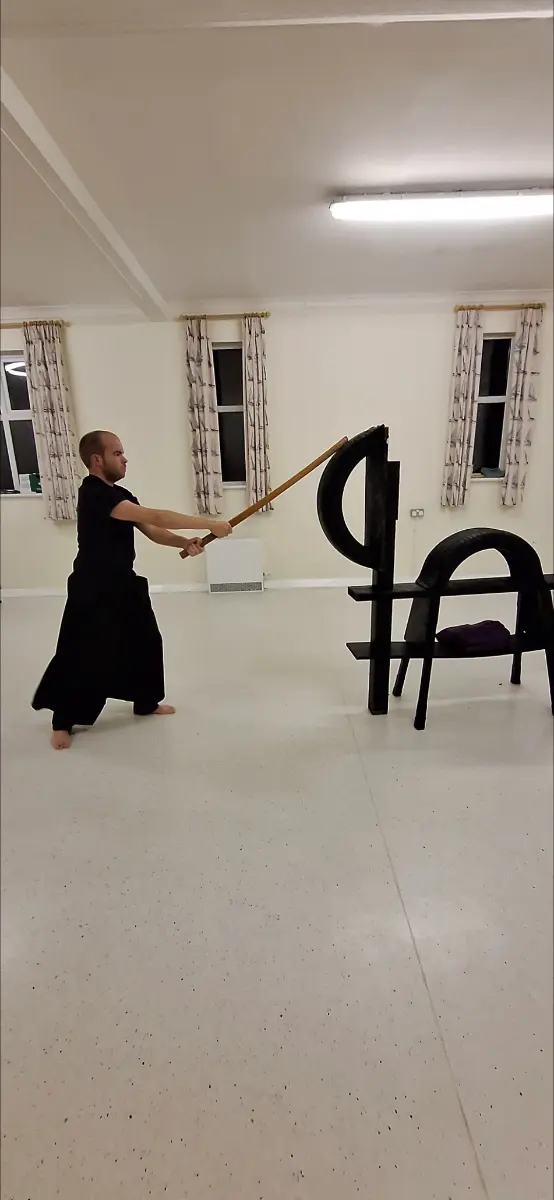
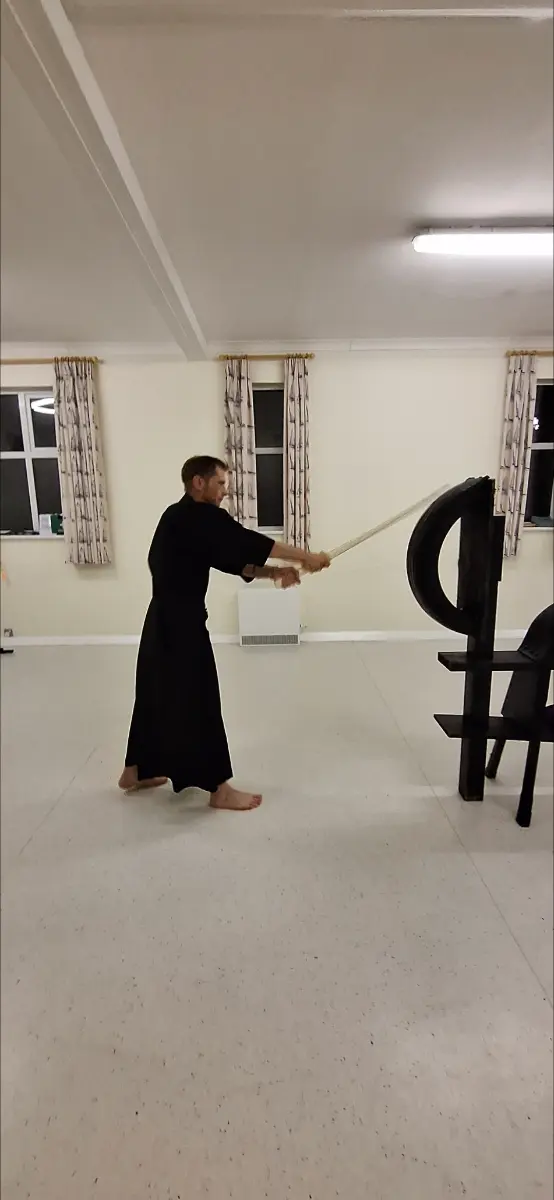
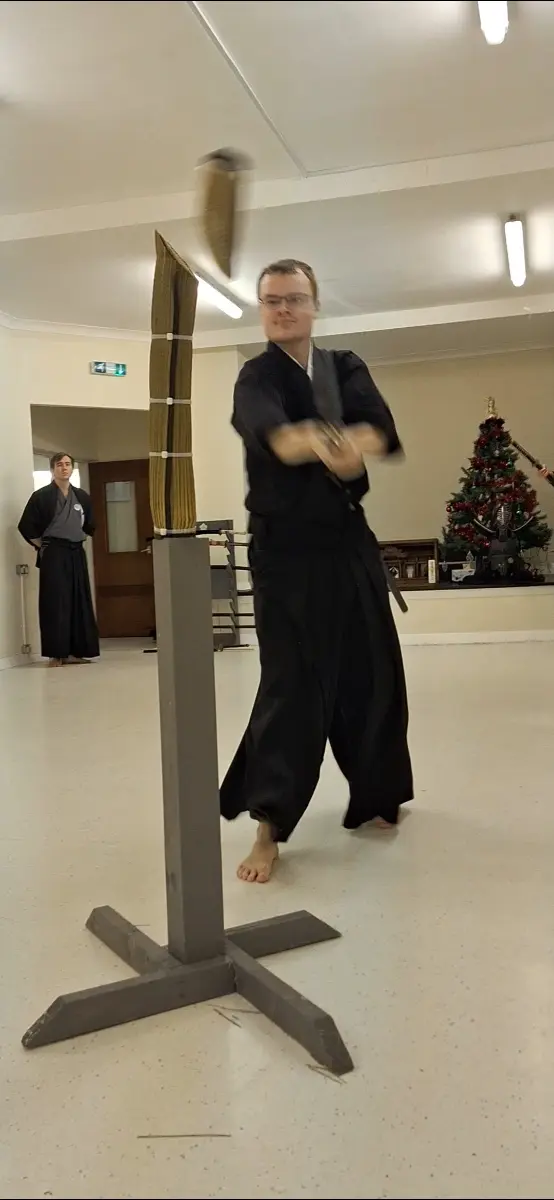
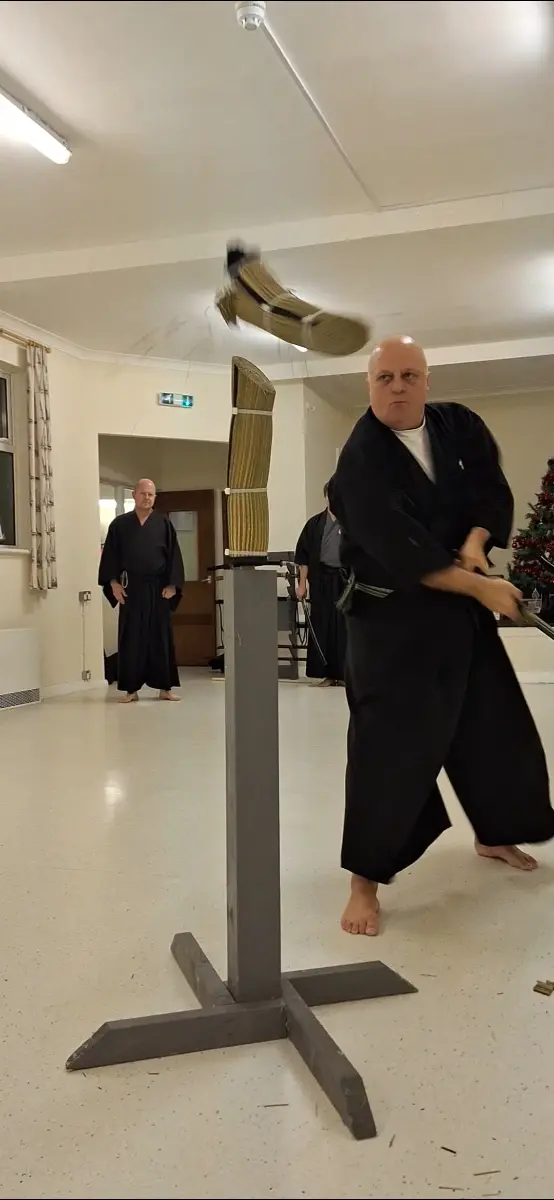
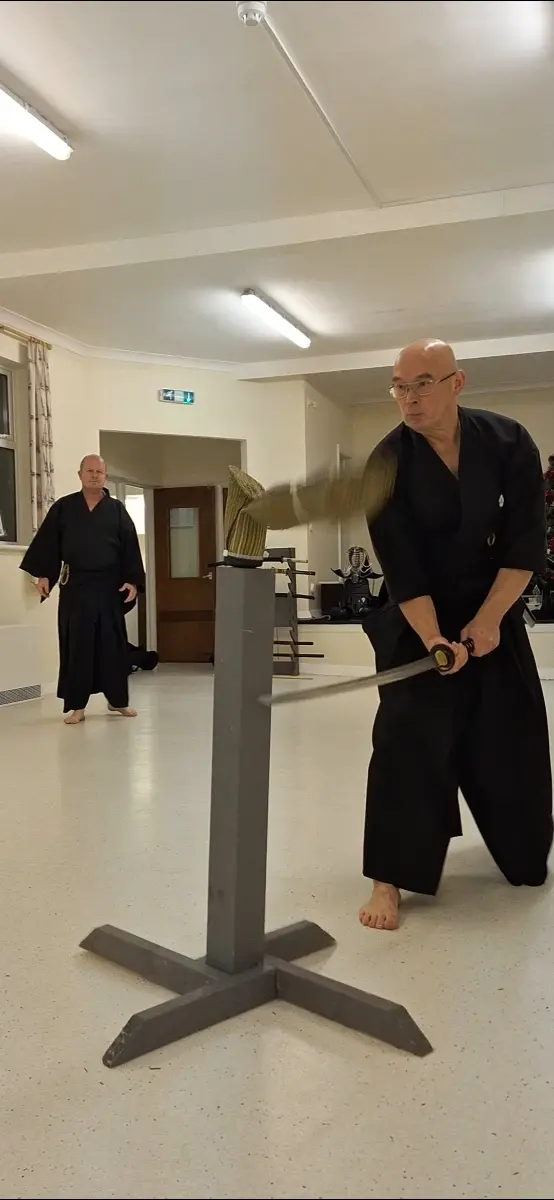
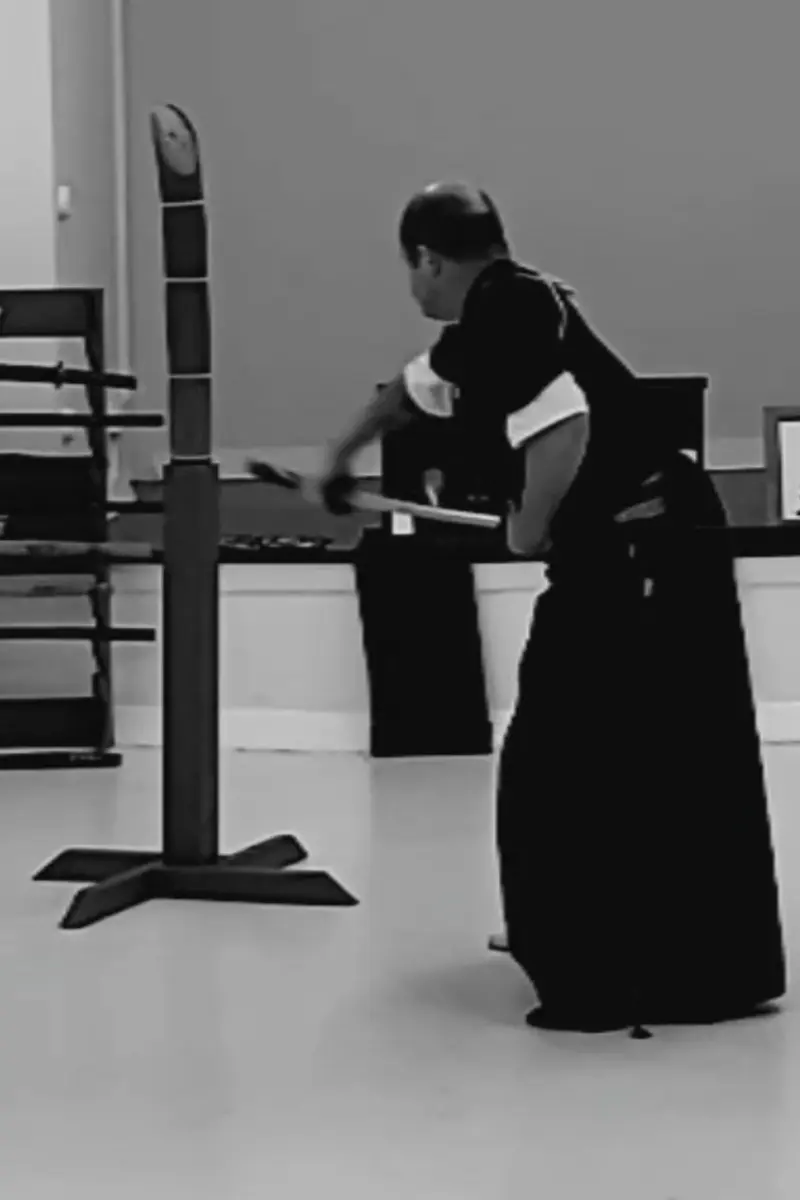
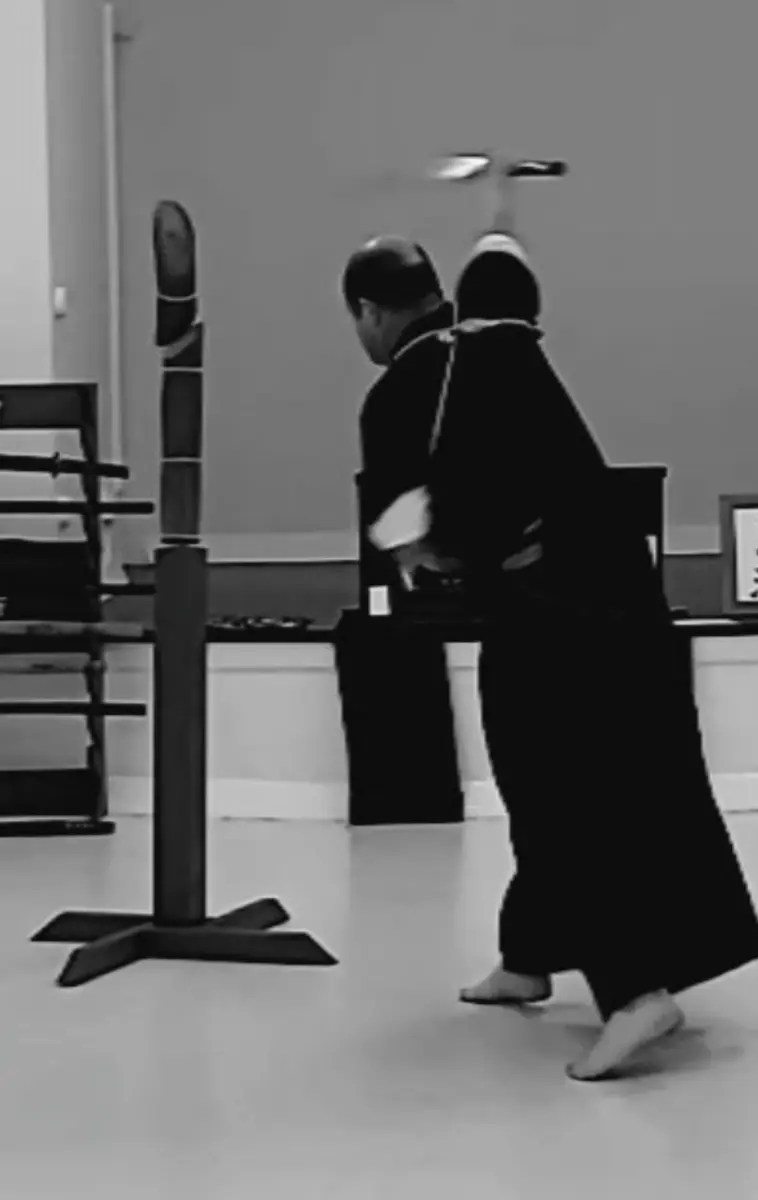
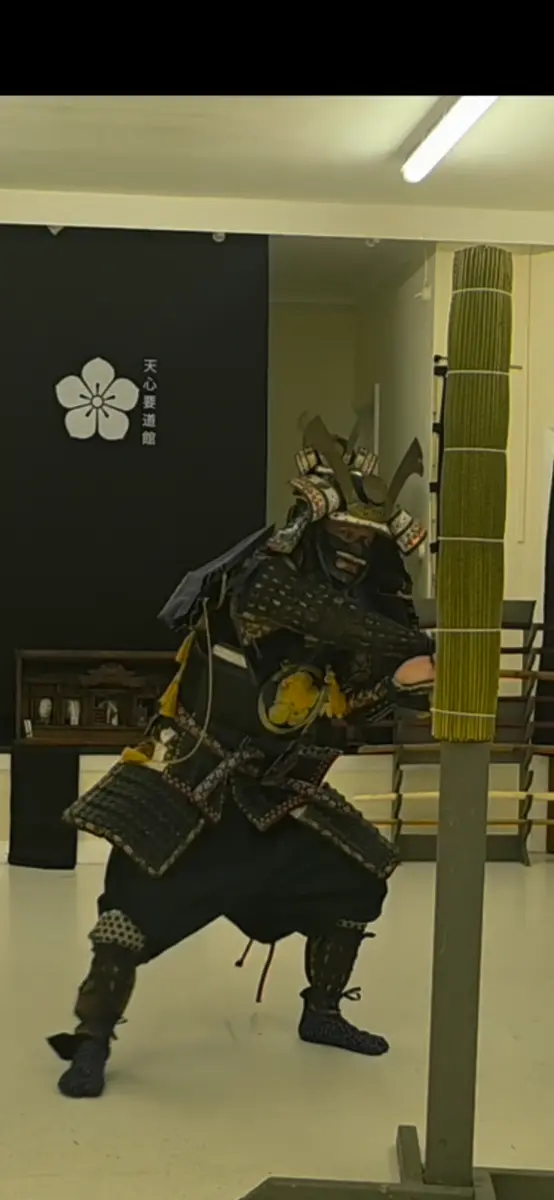
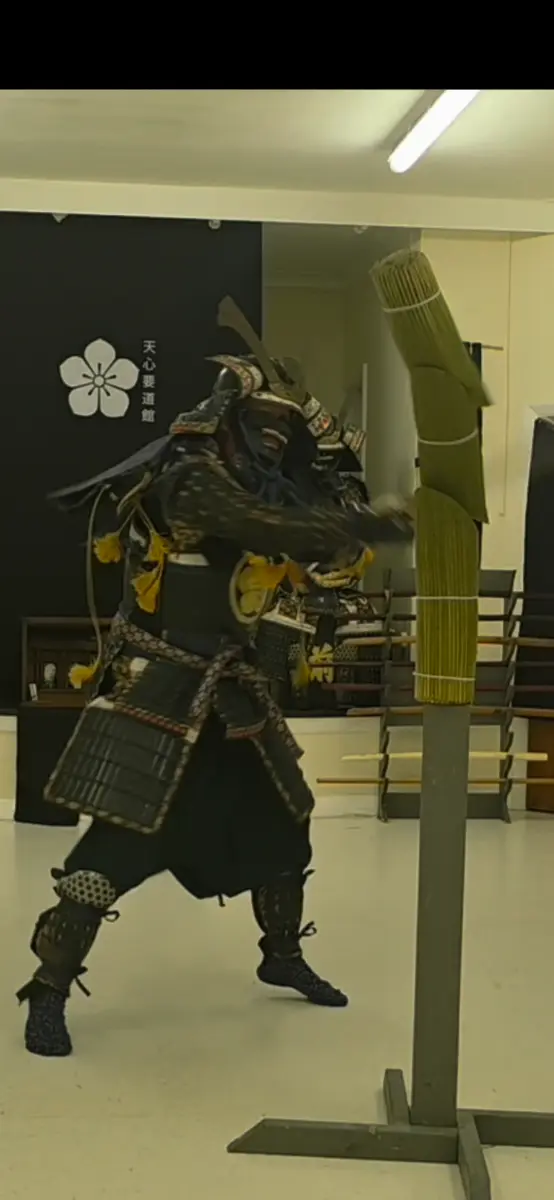
Tameshigiri, or test cutting, has existed in various forms throughout Japanese sword history. Historically, test cutting was sometimes performed to test the quality and sharpness of a blade. Records exist of blades being tested on materials such as bundled straw and bamboo, and in some historical cases on the bodies of executed criminals. These tests were sometimes recorded on the tang (nakago) of the blade.
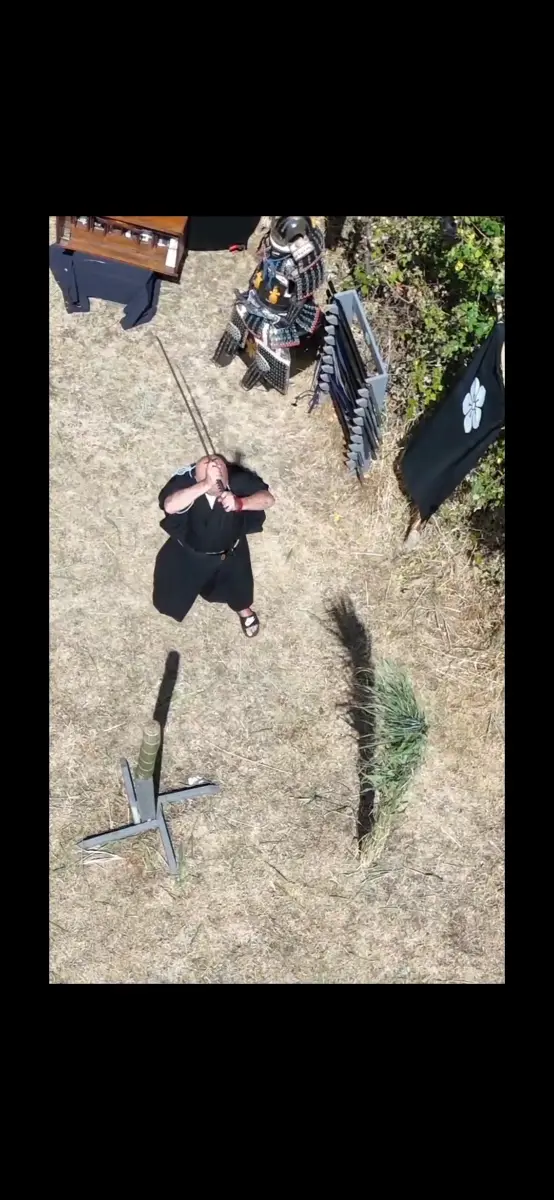
In modern times, tameshigiri is typically performed on rolled tatami mats or similar materials. Modern test cutting is not performed to test the sword itself as much as to test the skill, technique, blade alignment, distance, and control of the person using the sword.
Modern tameshigiri emphasises:
Correct distance (maai)
Correct blade alignment
Correct hasuji (edge angle)
Proper use of the monouchi
Proper cutting motion
Follow-through and zanshin
Successful cutting is not primarily about strength. Proper technique, correct angle, correct distance, and correct movement are more important than force. The sword cuts most effectively when the blade is guided through the target with correct alignment and movement rather than forced through with strength.
Closing Note
The sword did not develop in isolation. Its shape, the way it was worn, and the way it was used were influenced by warfare, armour, and the other weapons used at the time.
The sword was not always the main weapon used on the battlefield, but it was one of the most consistently carried weapons. For this reason, it became one of the most studied weapons, and many martial traditions came to focus on the sword, especially in later periods of peace.
To understand the sword fully, it must be understood as part of a larger system of weapons, armour, history, and human conduct. The sword is not only an object, but part of a wider tradition that includes craftsmanship, technique, discipline, and responsibility.
JAPANESE SWORD PERIOD TIMELINE
I. JŌKOTŌ (上古刀 – Ancient Swords)
~ pre-900 CE
Straight chokutō
Continental influence (China/Korea)
Little surviving signed work
II. KOTŌ (古刀 – Old Swords)
c. 900–1596
This is the golden age of classical swordmaking.
1. Heian Period (794–1185)
Emergence of curved tachi
Early Yamashiro and Yamato traditions
Notable schools:
Ko-Bizen (備前国古派)
Sanjō (三条派)
Ko-Hōki (伯耆古派)
2. Kamakura Period (1185–1333)
Peak classical craftsmanship.
Gokaden (五ヶ伝 – Five Traditions)
Yamashiro-den (山城伝) – Kyoto
Elegant, tight hada, suguha hamon
Yamato-den (大和伝) – Nara
Straight masame hada
Bizen-den (備前伝) – Bizen Province
Chōji hamon, mokume hada
Sōshū-den (相州伝) – Kamakura
Wild nie, hitatsura
Mino-den (美濃伝) – Mino
Gunome-midare, togari shapes
Major Kamakura Schools
Yamashiro
Awataguchi
Rai (来派)
Yamato
Tegai
Shikkake
Senjuin
Taima
Hōshō
Bizen
Ichimonji (Fukuoka, Yoshioka)
Osafune (長船派)
Sōshū
Yukimitsu
Masamune
Sadamune
Hiromitsu
Akihiro
Mino (early roots forming)
3. Nanbokuchō Period (1336–1392)
Massive blades
Wide mihaba
Ō-kissaki
Schools:
Late Sōshū
Late Bizen Osafune
Mino forming schools
4. Muromachi Period (1392–1573)
Mass production during wartime.
Early Muromachi
Sue-Bizen
Sue-Seki (late Mino)
Mihara (Bingo)
Sengoku Period (1467–1615)
Civil war era (within Muromachi → Azuchi-Momoyama transition)
Functional blades
Shortened suriage blades common
Key production centers:
Seki (Mino)
Bizen Osafune
Echizen
Bingo
Higo
5. Azuchi–Momoyama Period (1573–1603)
Transition into Shintō.
Horikawa Kunihiro (revivalist)
Umetada school
III. SHINTŌ (新刀 – New Swords)
1596–1781 (Edo Period early to mid)
More standardized styles.
Early Edo Period (1603–1688)
Major Shintō Schools:
Horikawa School (Kyoto)
Horikawa Kunihiro
Mishina School
Iga no Kami Kinmichi
Tanba no Kami Yoshimichi
Osaka Shintō
Tsuda Sukehiro
Inoue Shinkai
Edo Shintō
Kotetsu (Nagasone Kotetsu)
Hizen Tadayoshi School
Hizen no Kuni Tadayoshi
Echizen Yasutsugu Line
Mid to Late Edo (Genroku Era onward)
Refinement, flamboyant hamon styles.
IV. SHINSHINTŌ (新々刀 – New-New Swords)
1781–1876
Revival of Koto styles.
Major revival smiths:
Suishinshi Masahide
Taikei Naotane
Kiyomaro
Minamoto Kiyomaro
Nanki Shigekuni
Schools:
Edo revivalists
Sōshū revival school
Bizen revival
Mino revival
V. GENDAITŌ (現代刀 – Modern Swords)
1876–1945
After Haitōrei (Sword Abolishment Edict).
Important smiths:
Gassan Sadakatsu
Miyairi Akihira
Kasama Ikkansai Shigetsugu
Yasukuni Shrine smiths:
Yasunori
Yasumitsu
VI. SHINSHAKUTŌ (新作刀 – Contemporary Swords)
1953–Present
Post-WWII revival.
Organizations:
NBTHK (Nihon Bijutsu Tōken Hozon Kyōkai)
Modern masters:
Yoshihara Yoshindo
Gassan Sadatoshi
Kawachi Kunihira
SMALLER / REGIONAL SCHOOLS (LESSER KNOWN)
Bingo Mihara (備後三原)
Aoe (青江派 – Bitchū)
Naminohira (波平 – Satsuma)
Uda (宇多 – Etchū)
Nobukuni (信国 – Yamashiro)
Shimada (島田 – Suruga)
Chikuzen Nobukuni
Hōju (豊後)
Sa School (Chikuzen)
Etchū Norishige line
Bungo Takada
Echigo no Kami school
Owari Seki
Kaga Fujishima
Higo Enju
Bitchū Osafune branches
Echizen Seki
PERIOD SUMMARY TABLE
Jōkotō – Pre-900
Heian – 794–1185
Kamakura – 1185–1333
Nanbokuchō – 1336–1392
Muromachi – 1392–1573
Sengoku – 1467–1615 (within Muromachi)
Azuchi–Momoyama – 1573–1603
Edo – 1603–1868
Shintō – 1596–1781
Shinshintō – 1781–1876
Meiji – 1868–1912
Taishō – 1912–1926
Shōwa – 1926–1989
Heisei – 1989–2019
Reiwa – 2019–Present
© 2026 Tenshin Dojo. All rights reserved.
No part of this website may be reproduced, copied, or distributed without written permission.



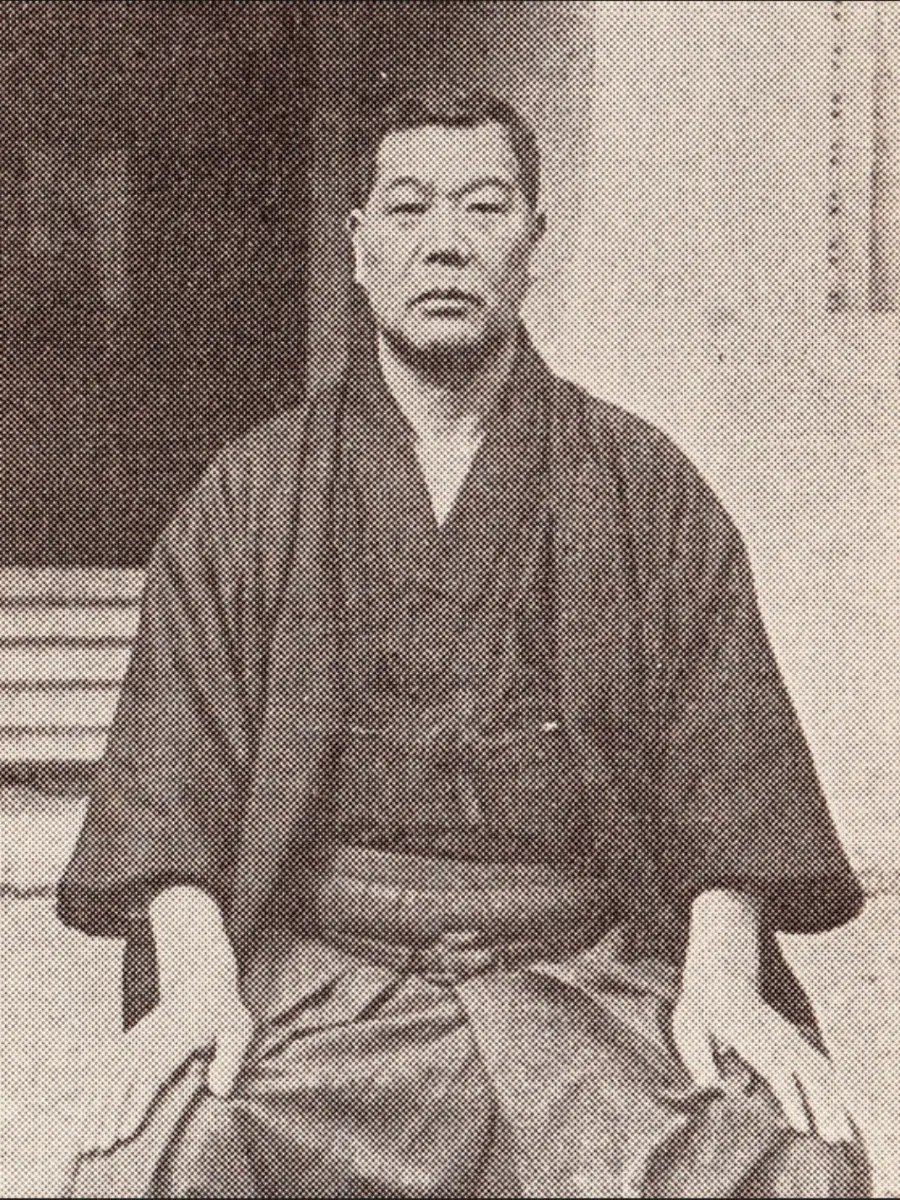
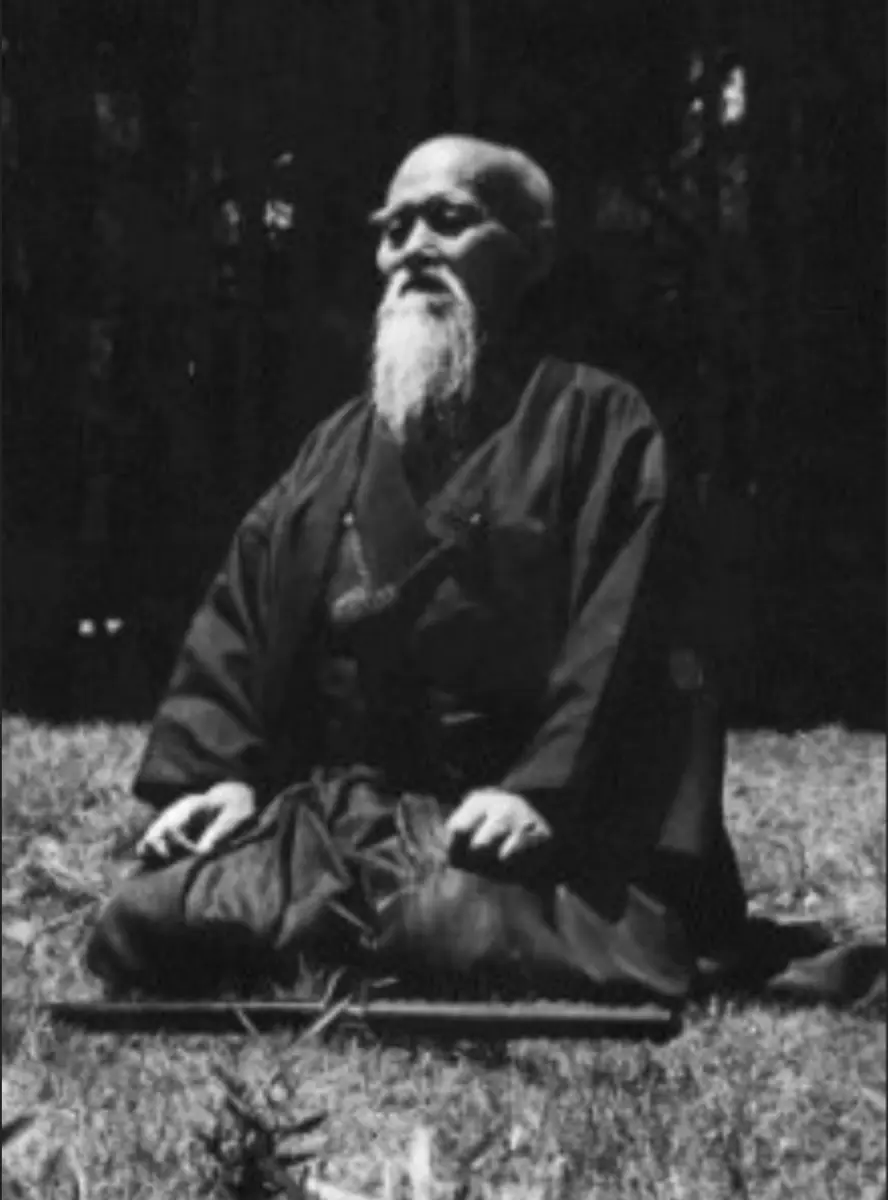
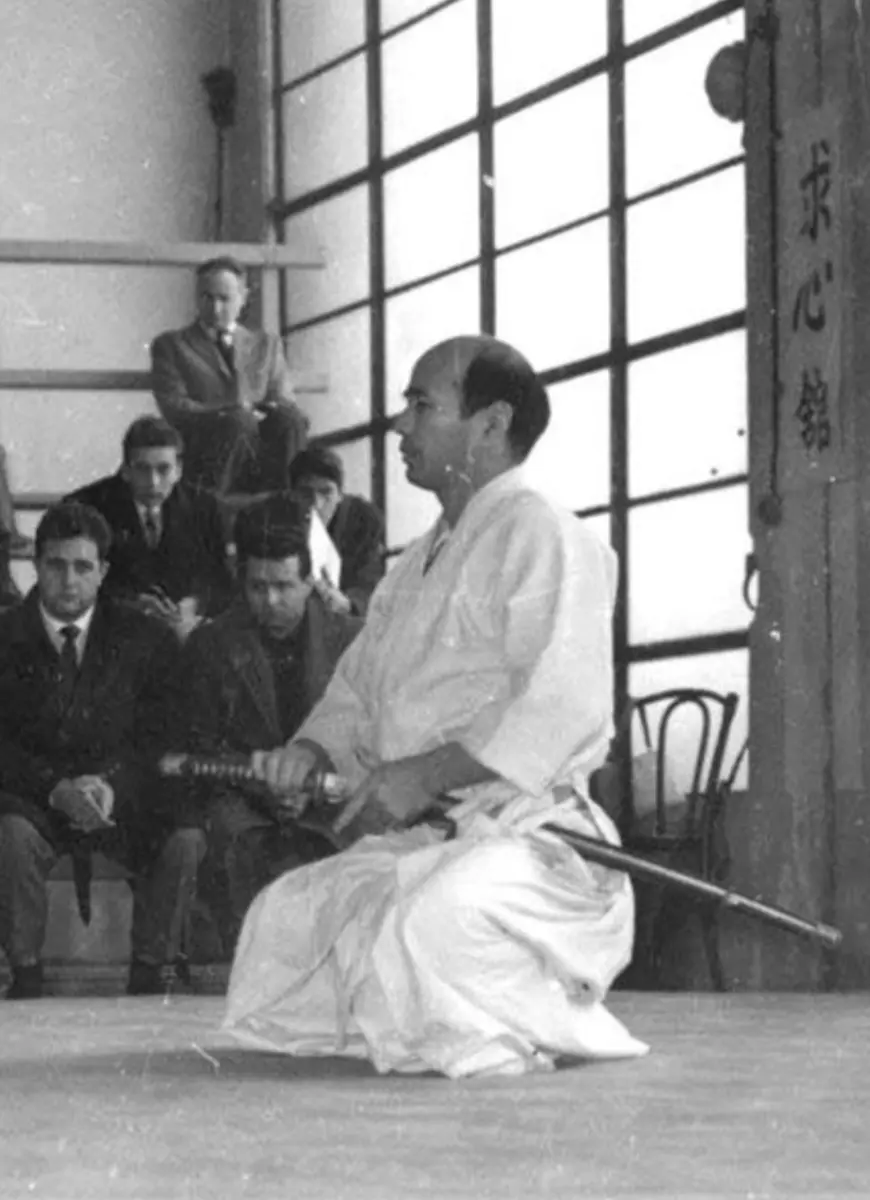
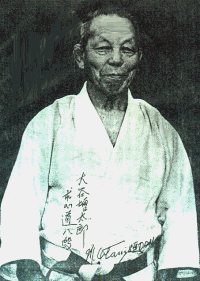
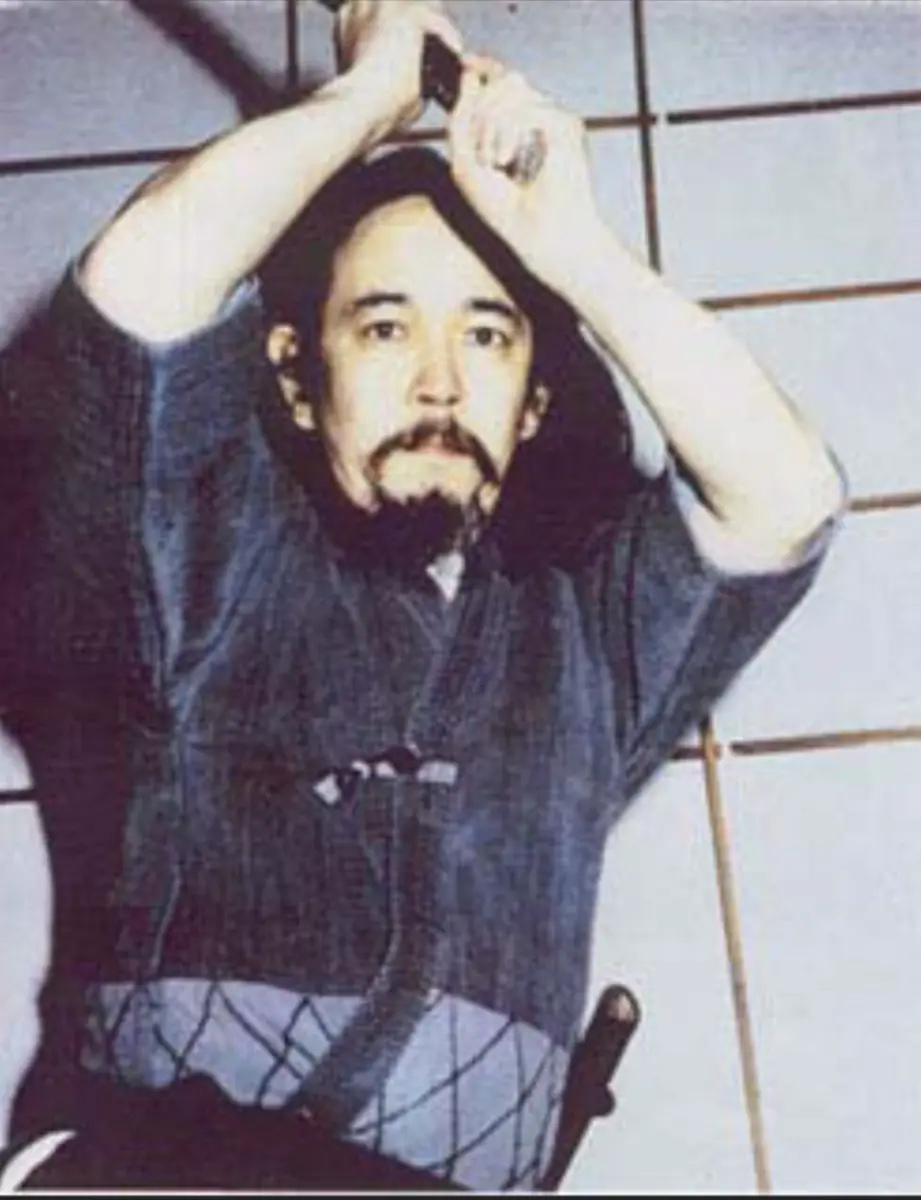
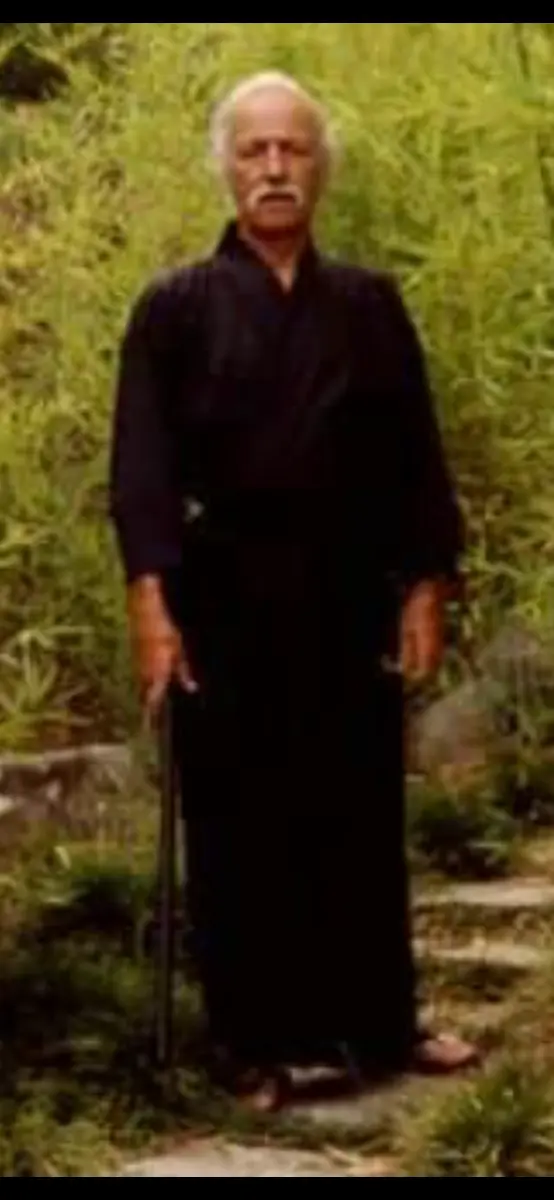
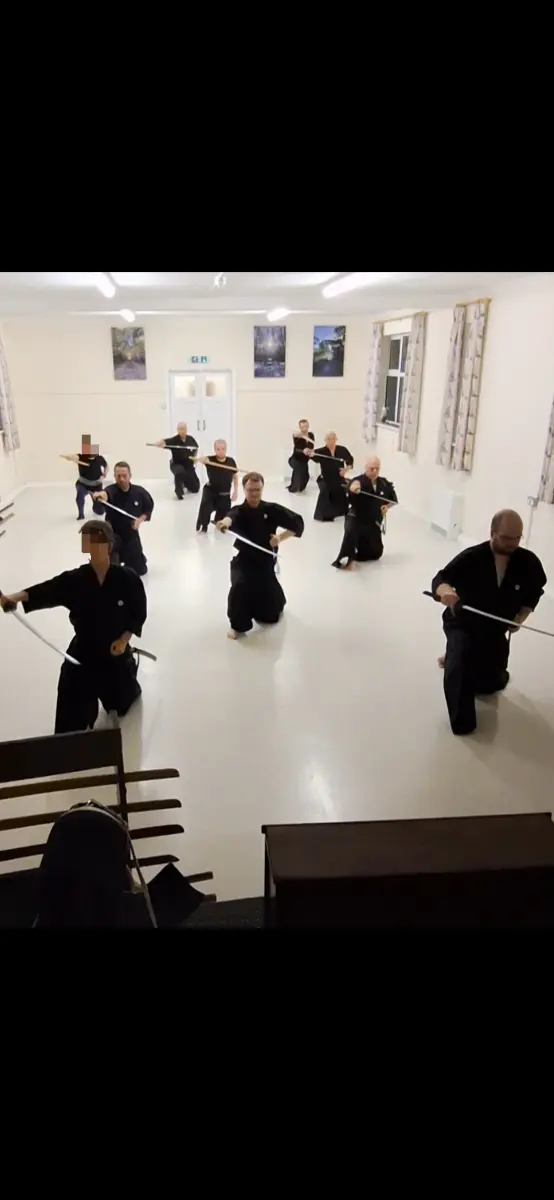
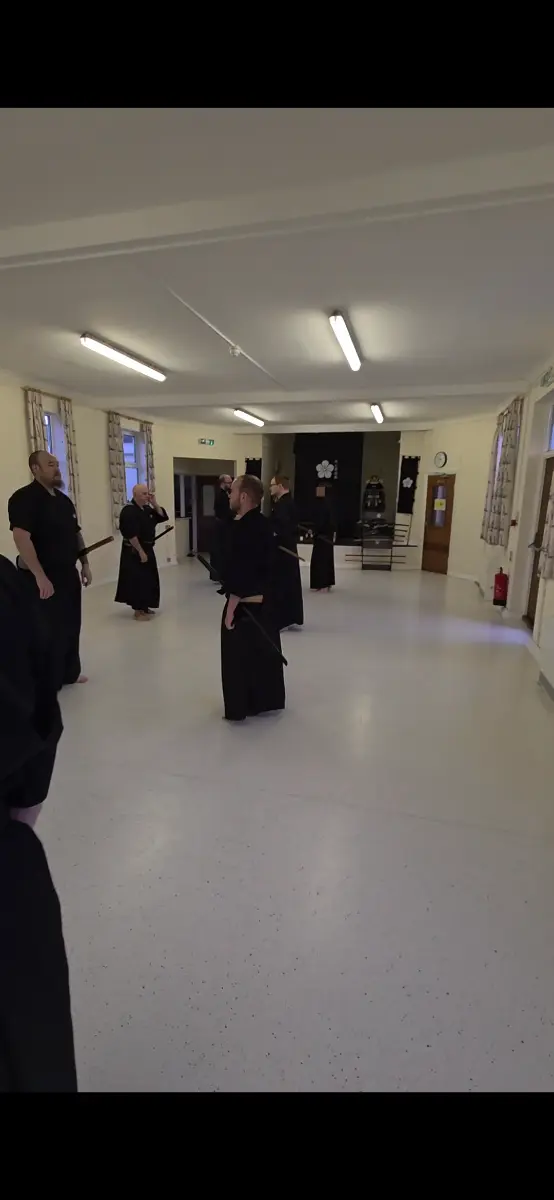
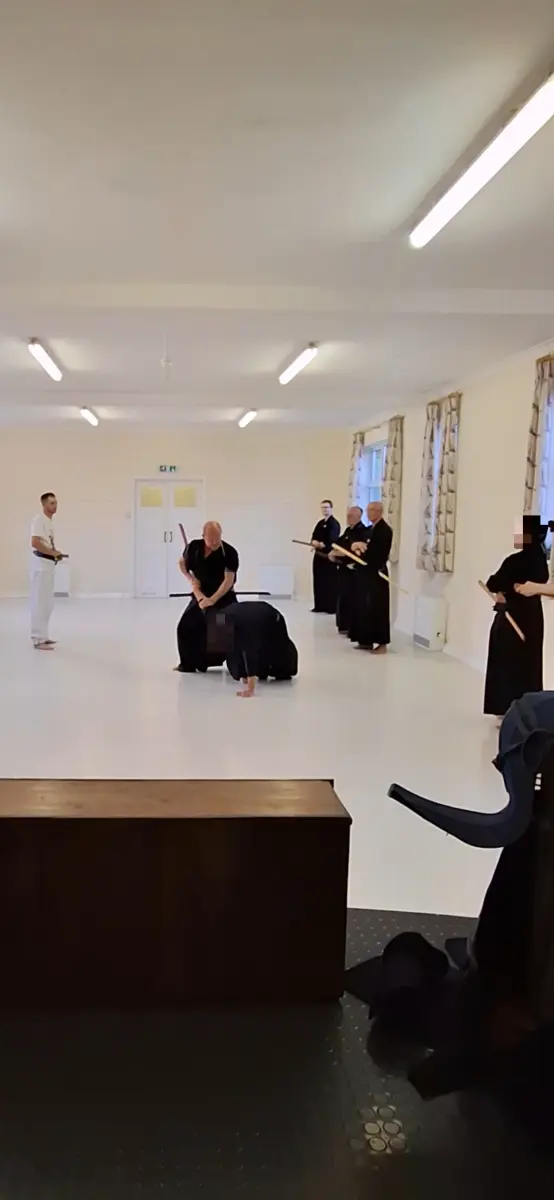
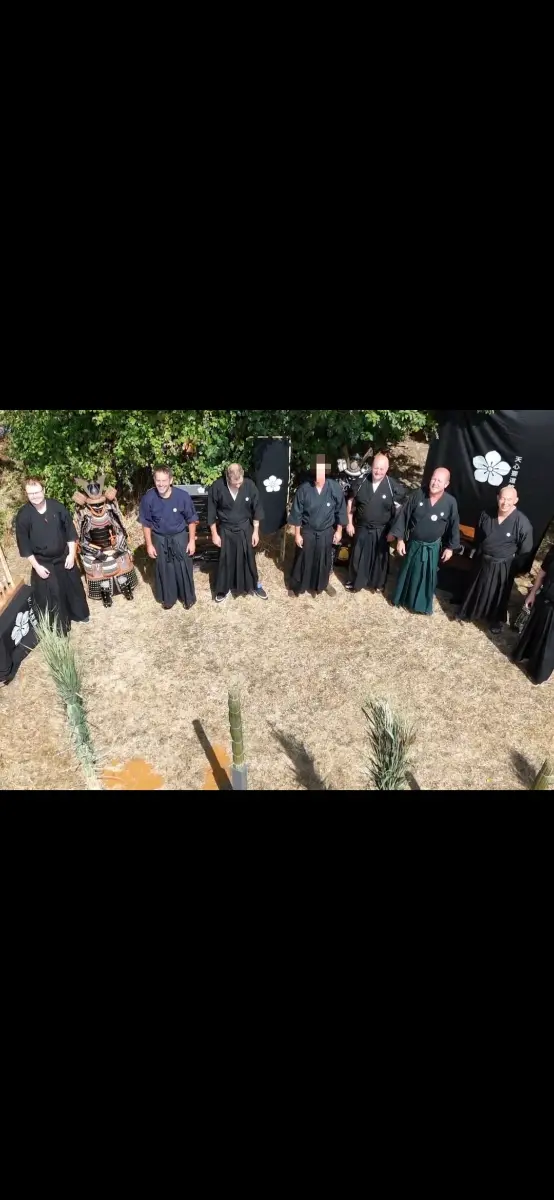
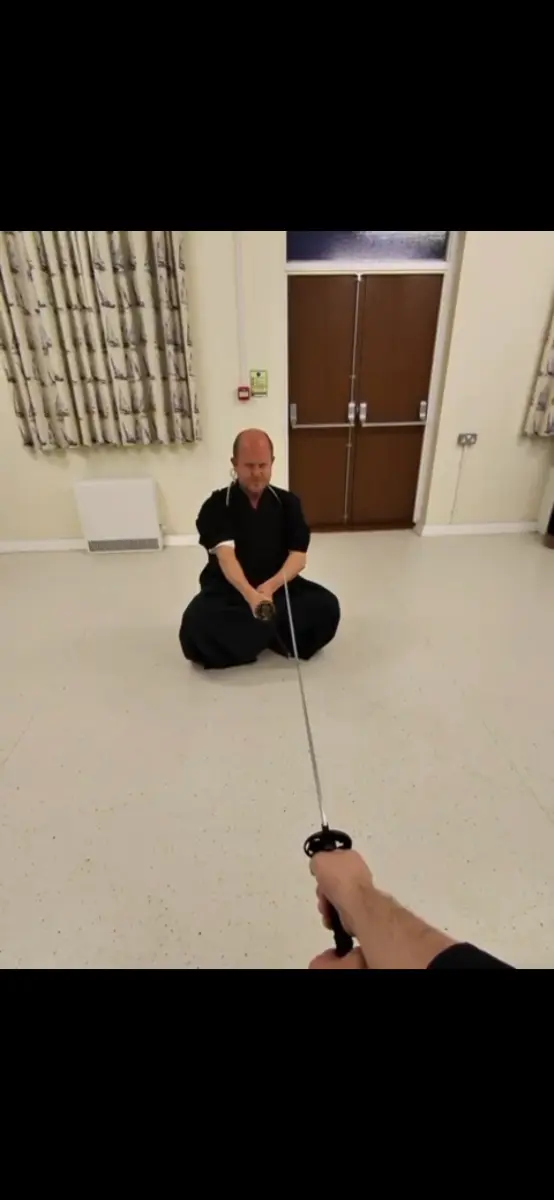
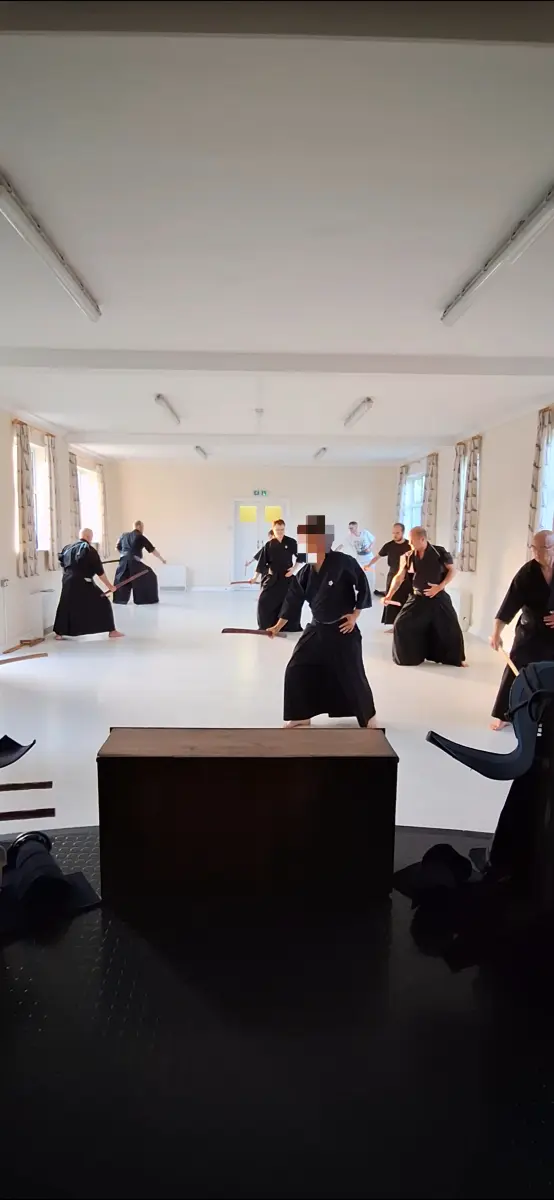
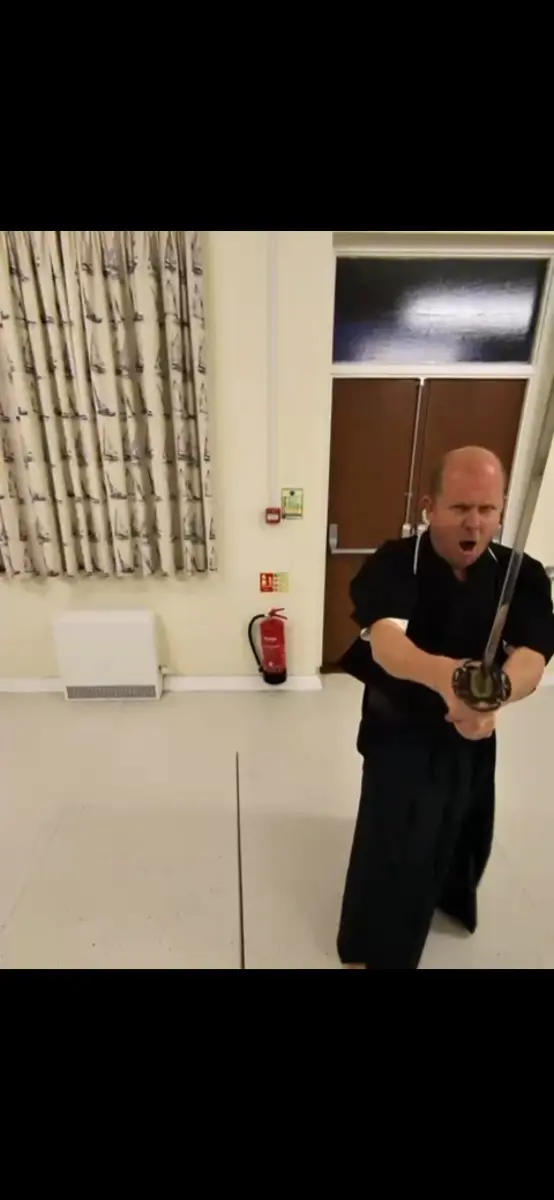
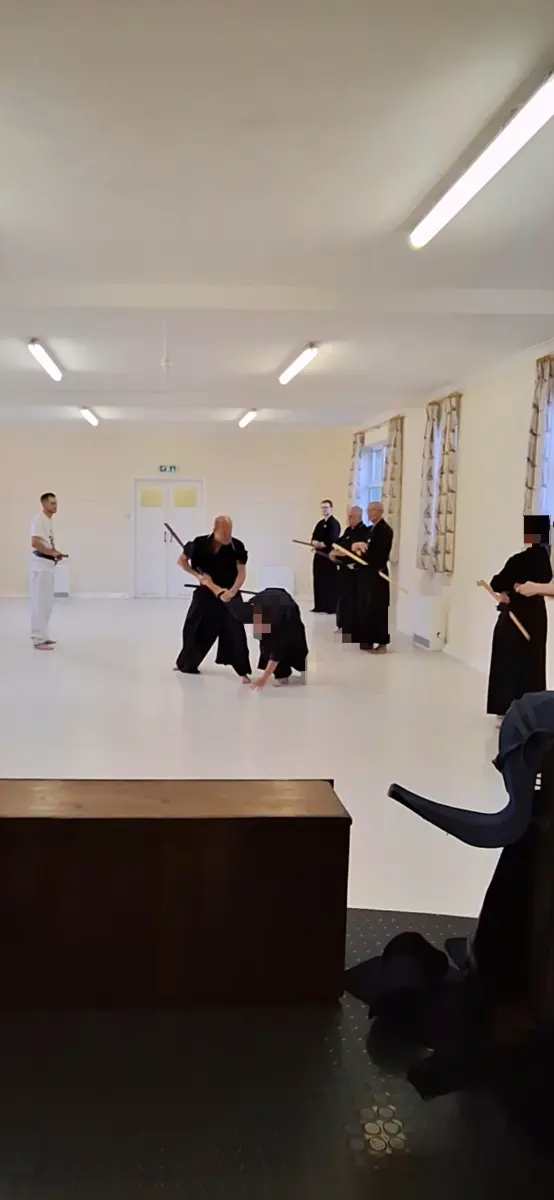
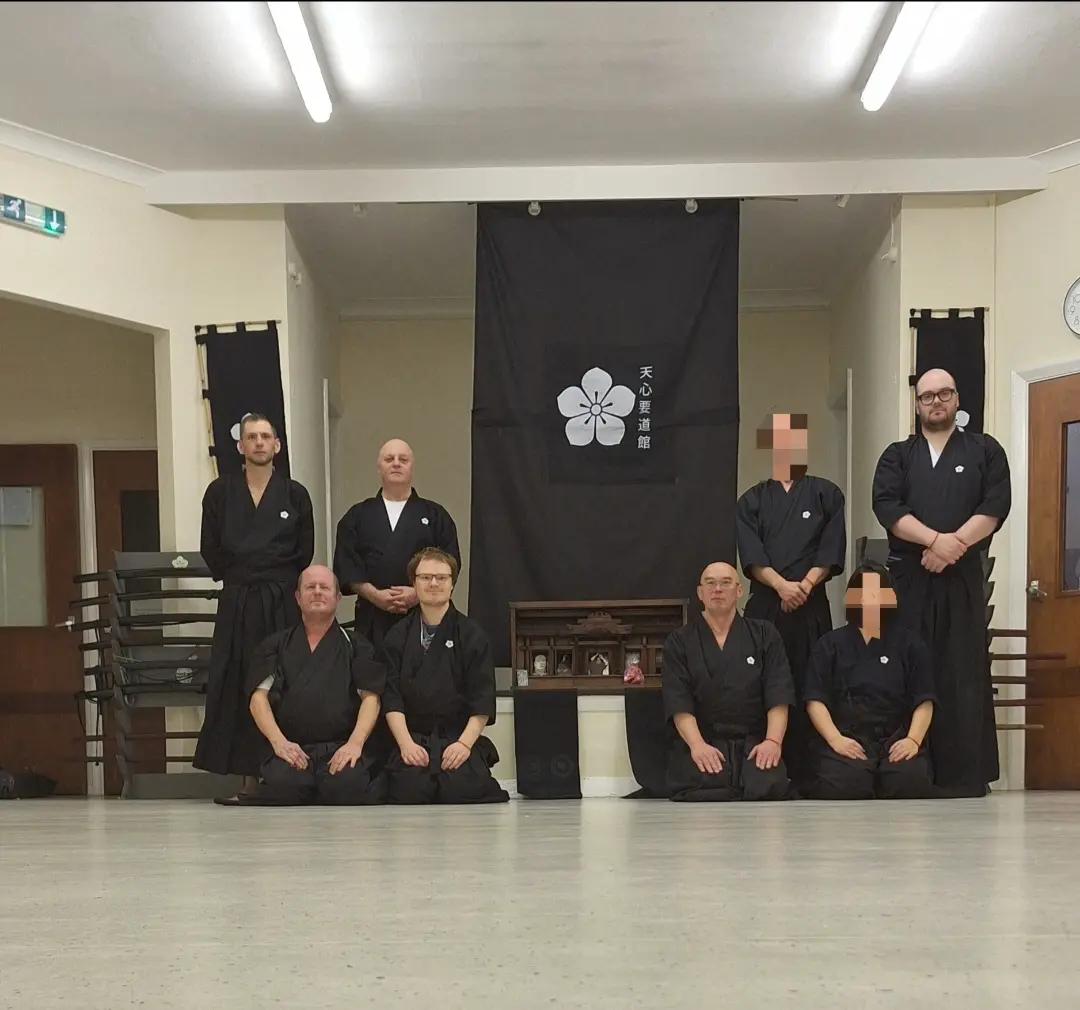
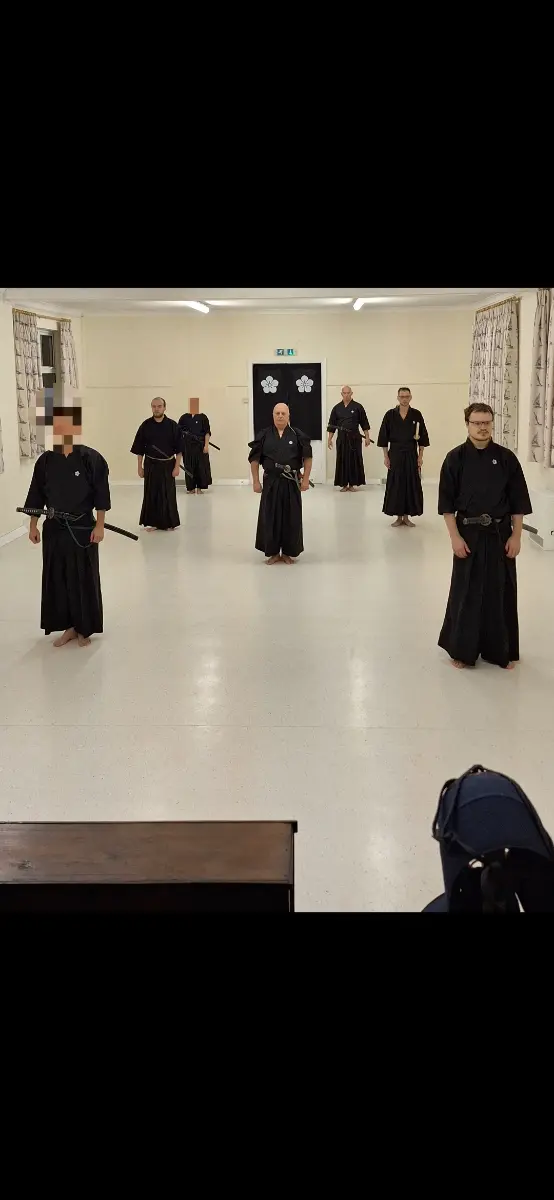
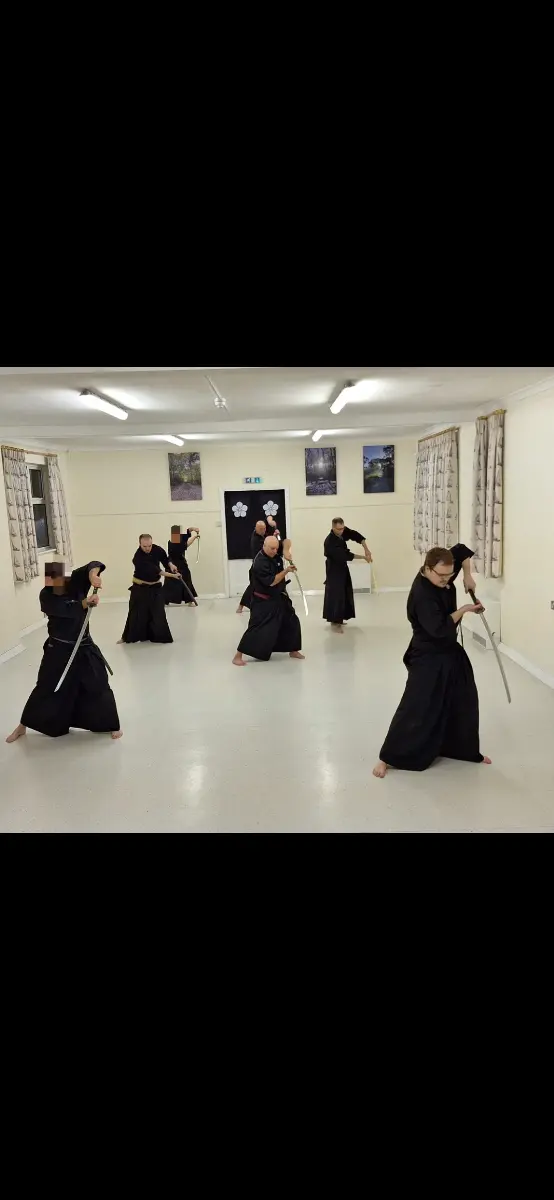
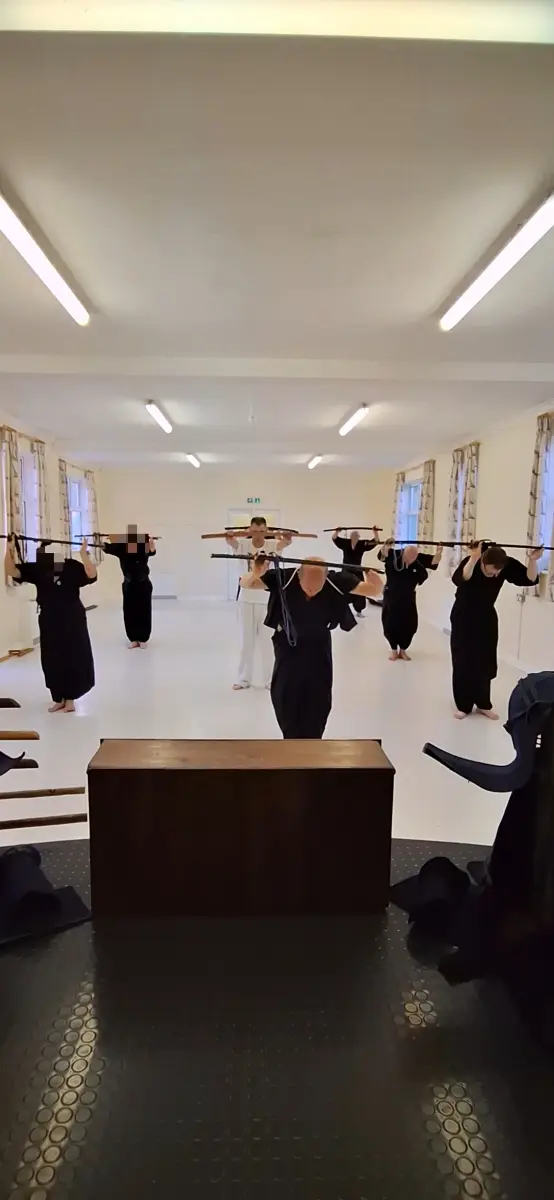
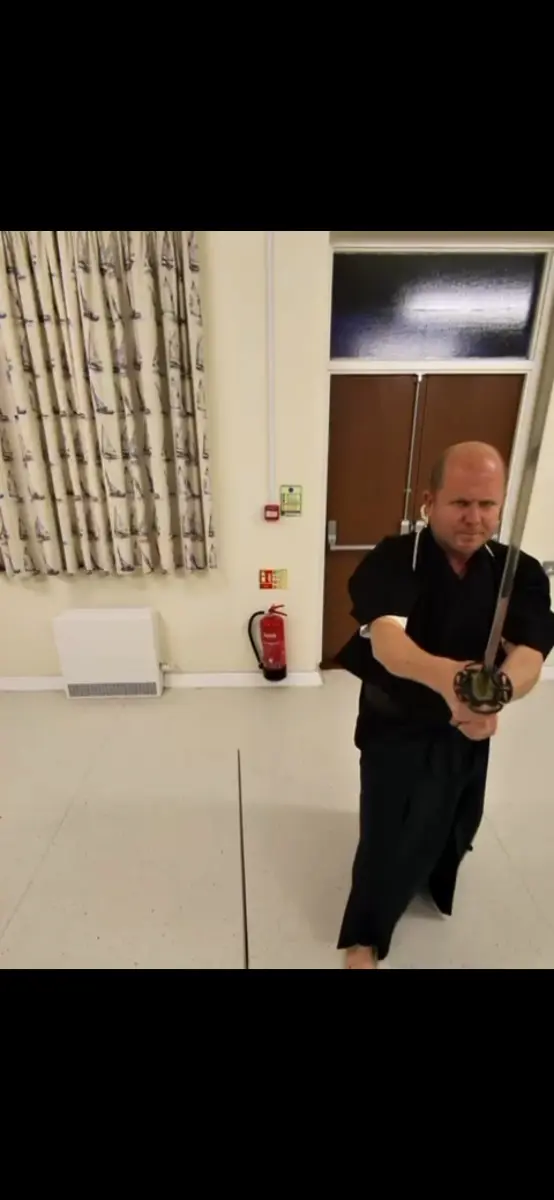
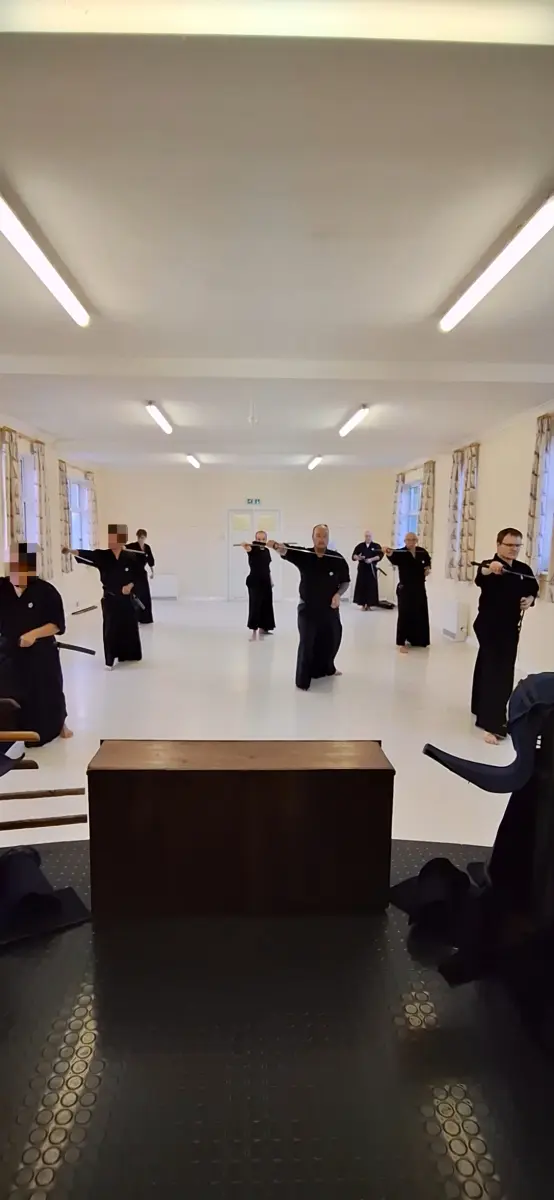
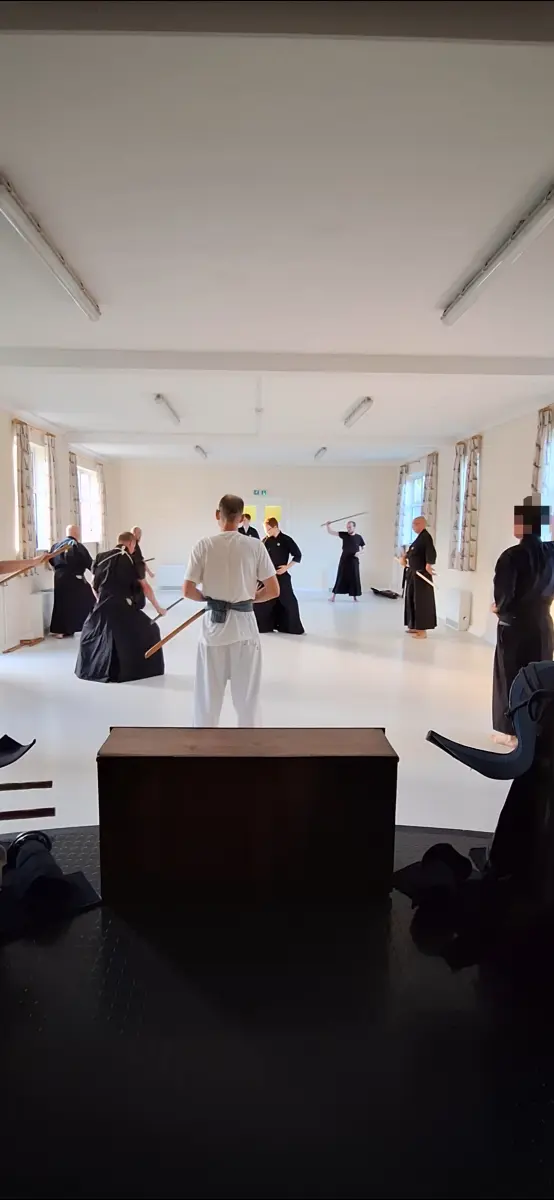
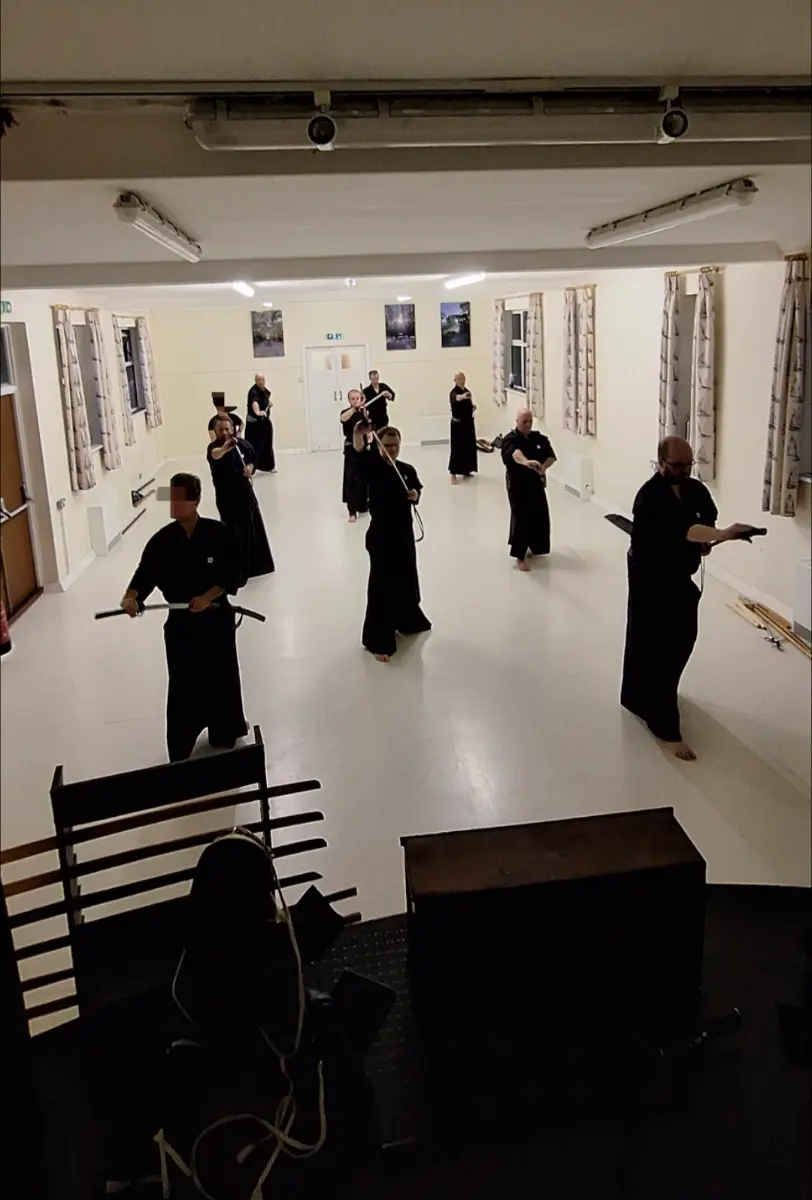
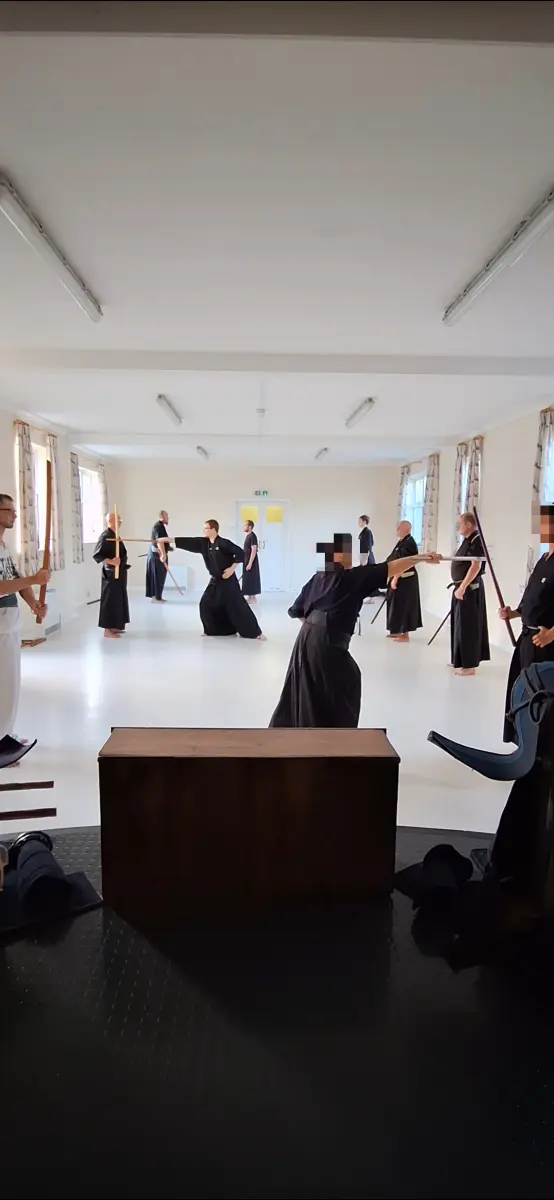
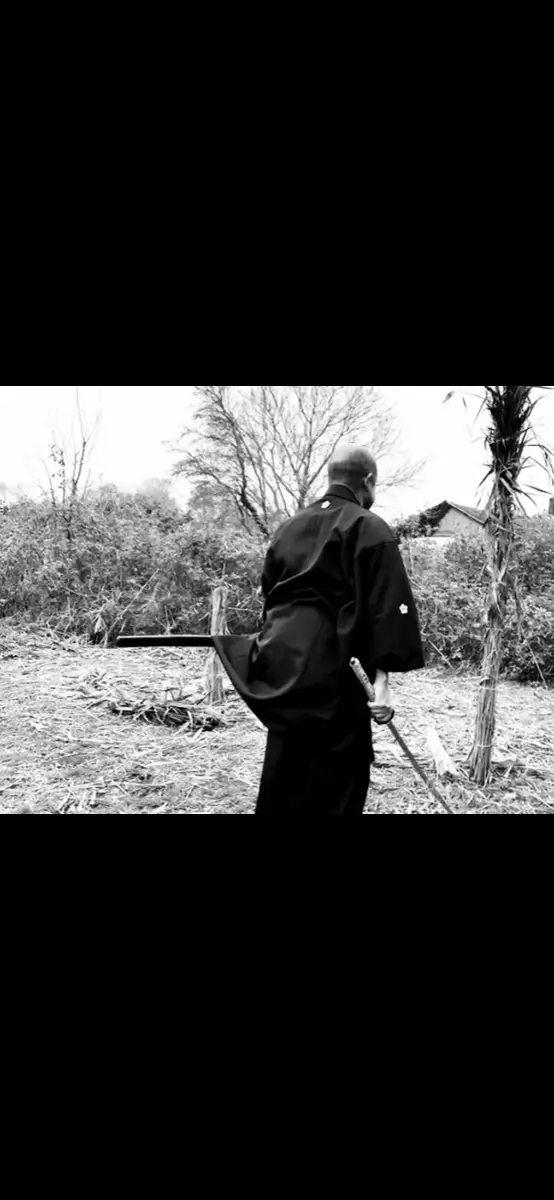
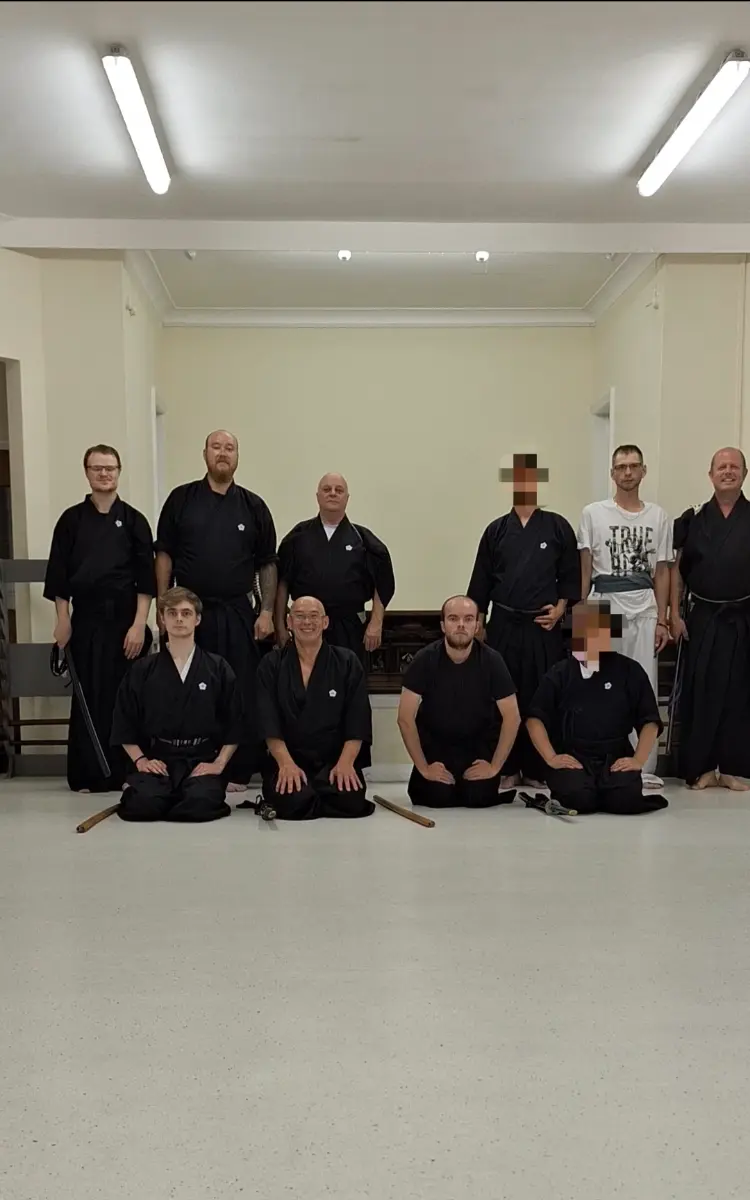
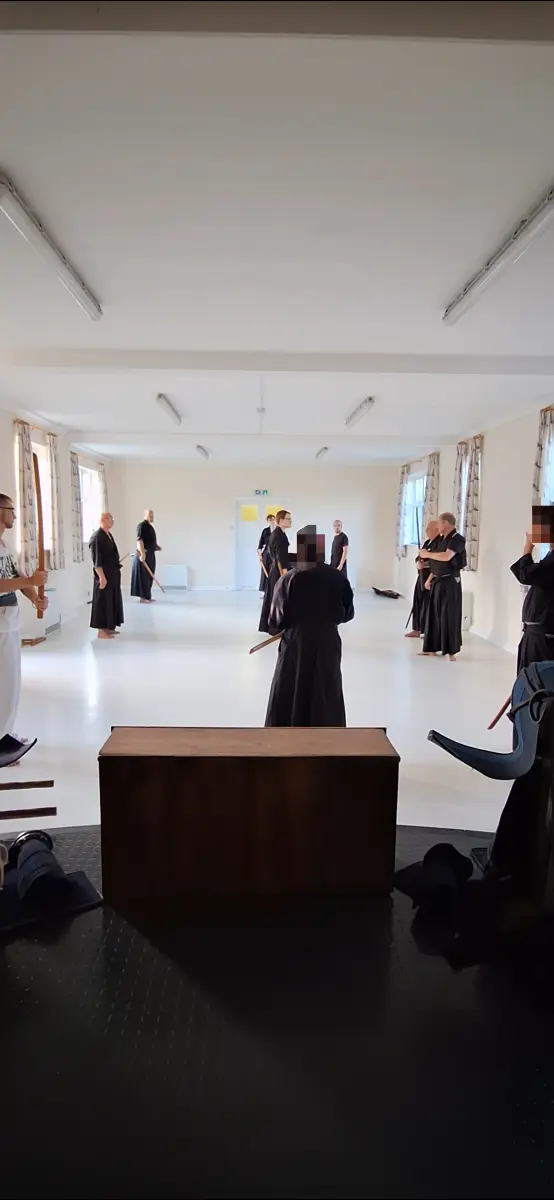
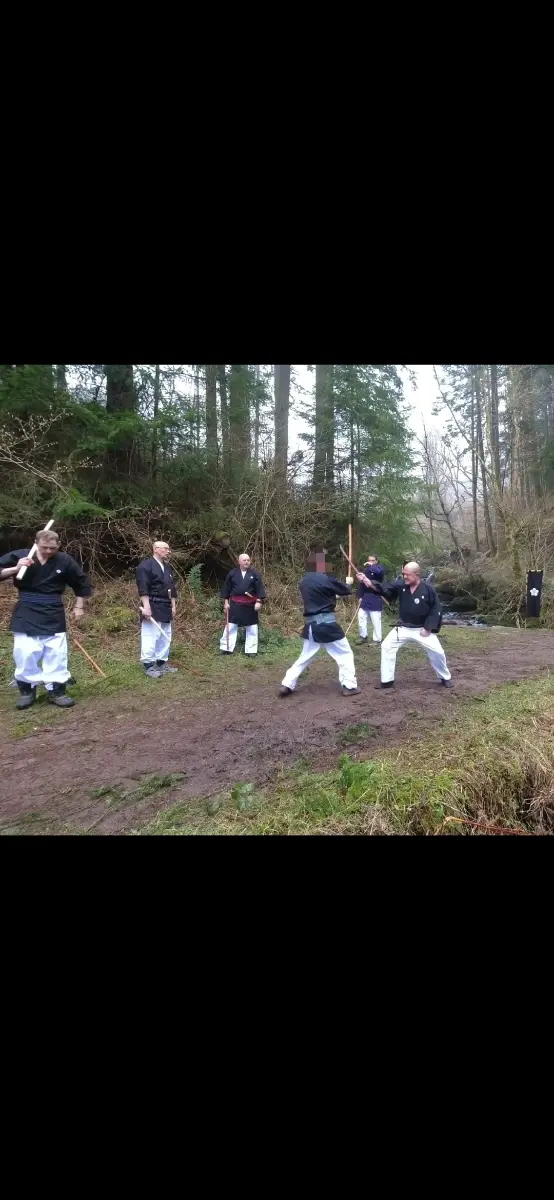
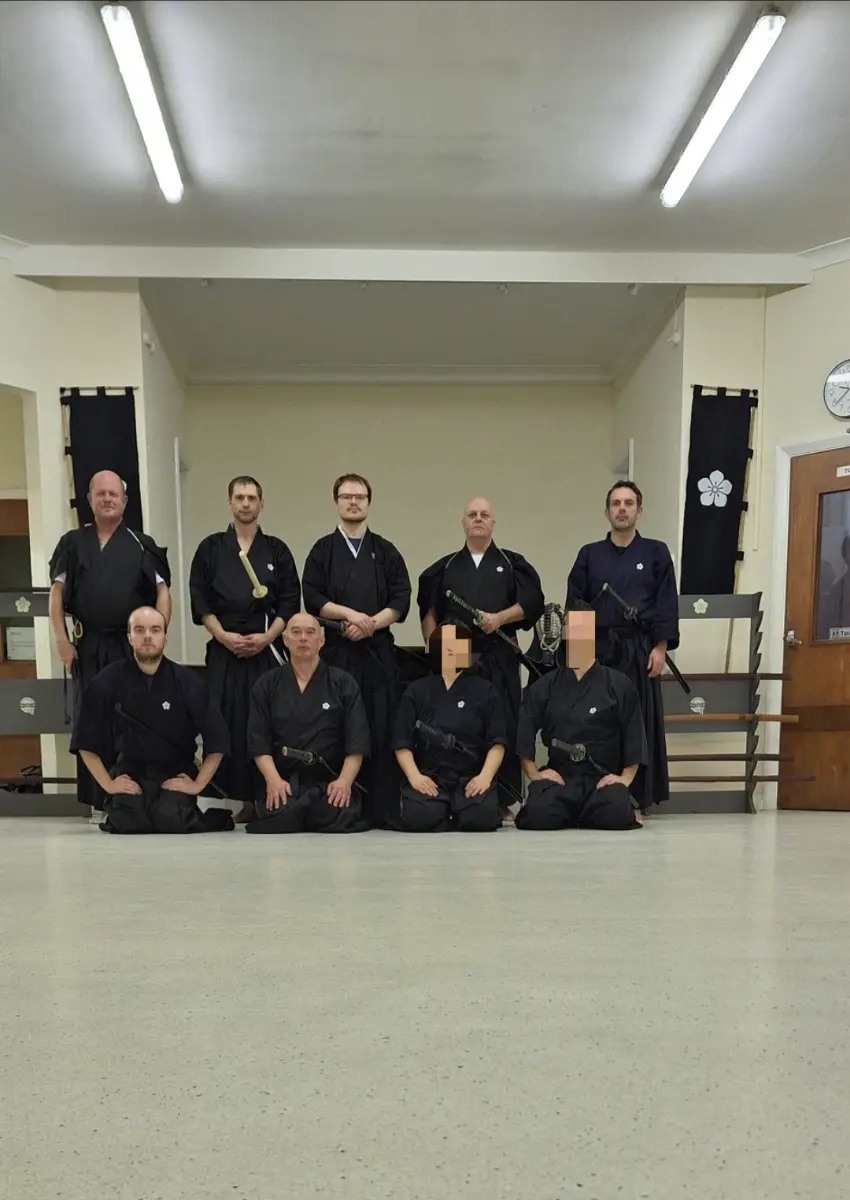
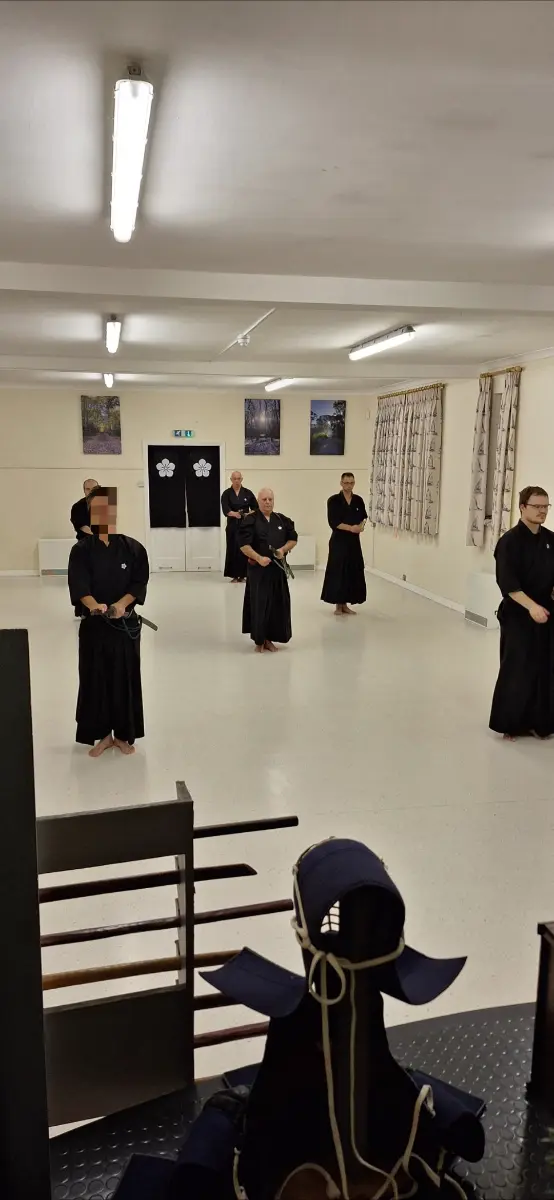
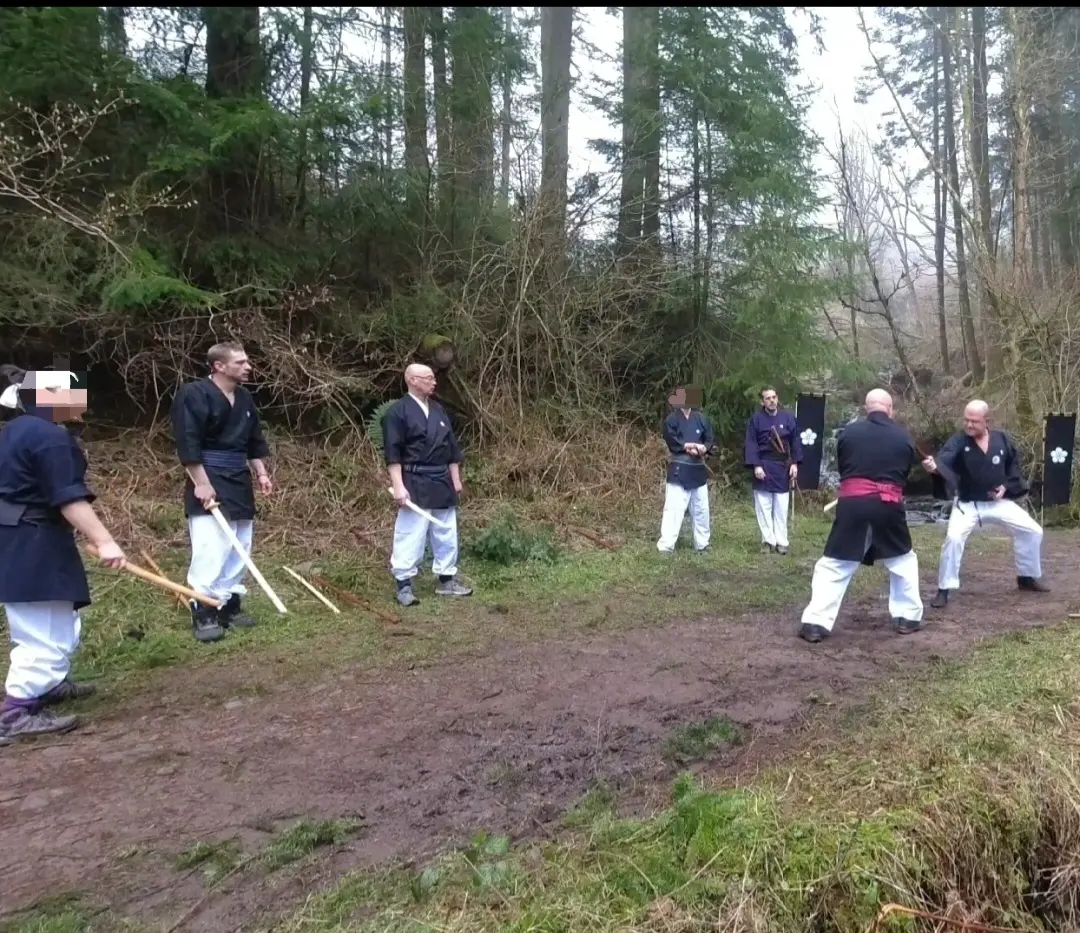
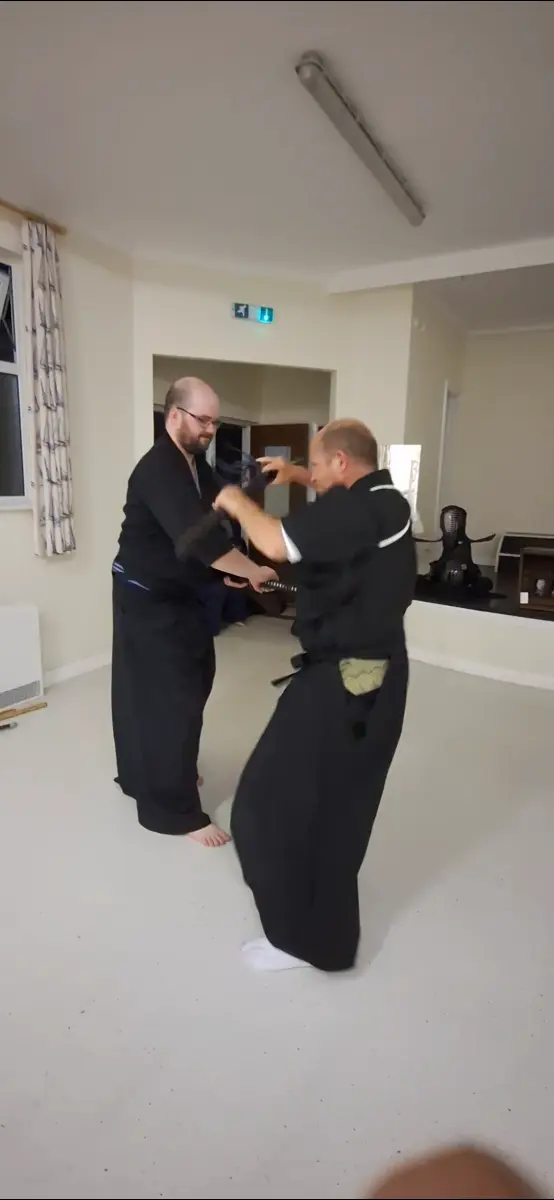
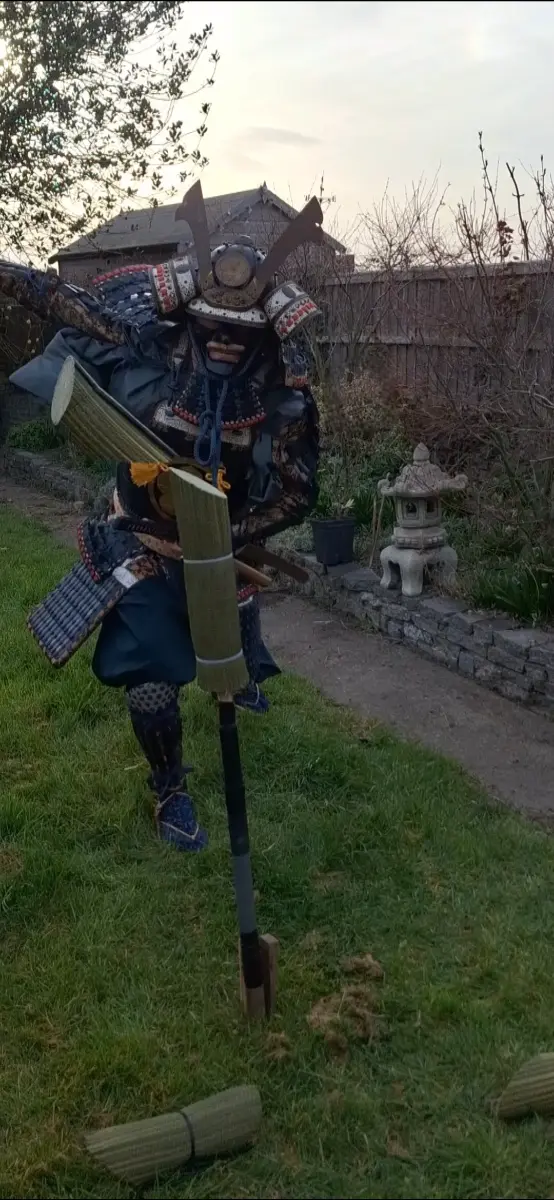
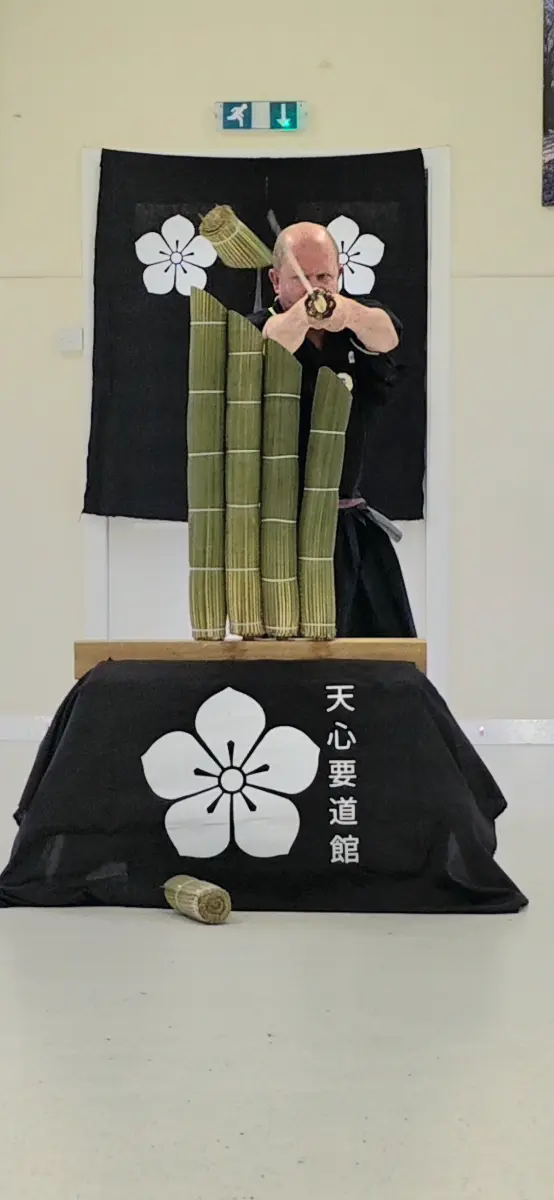
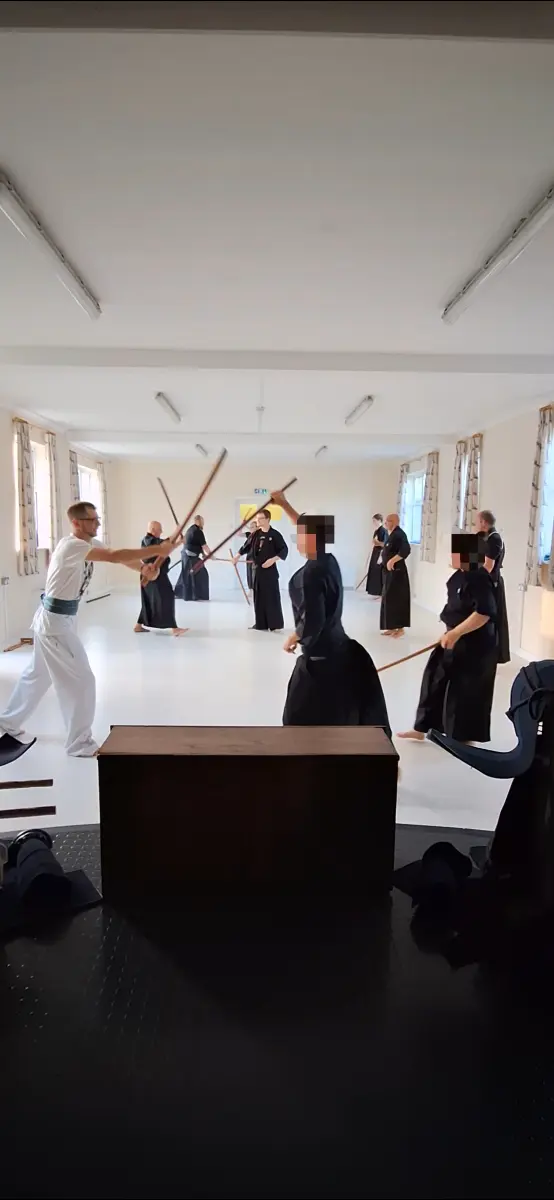
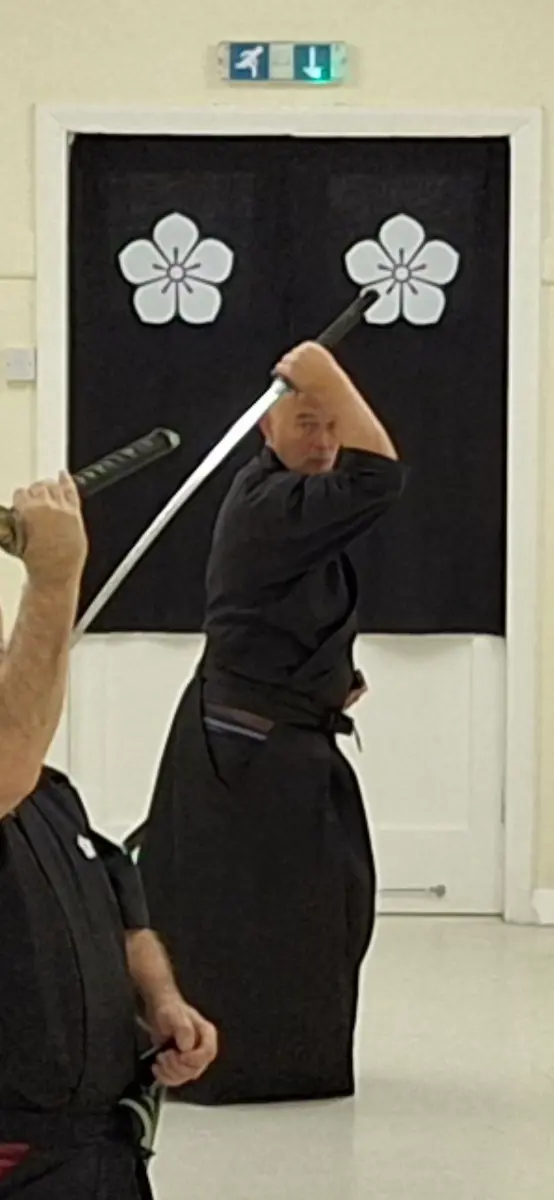
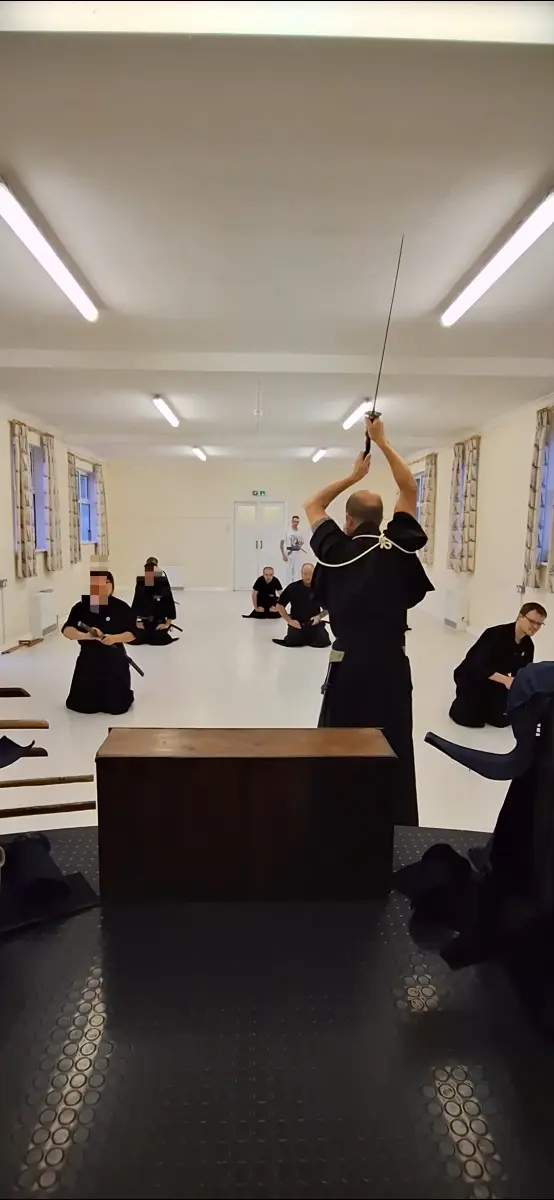
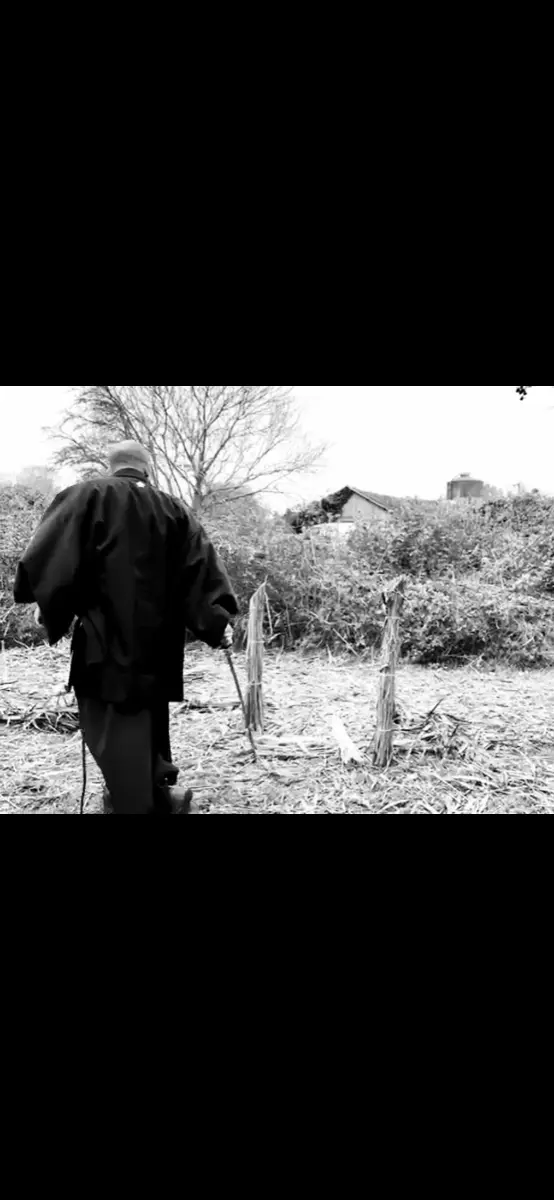
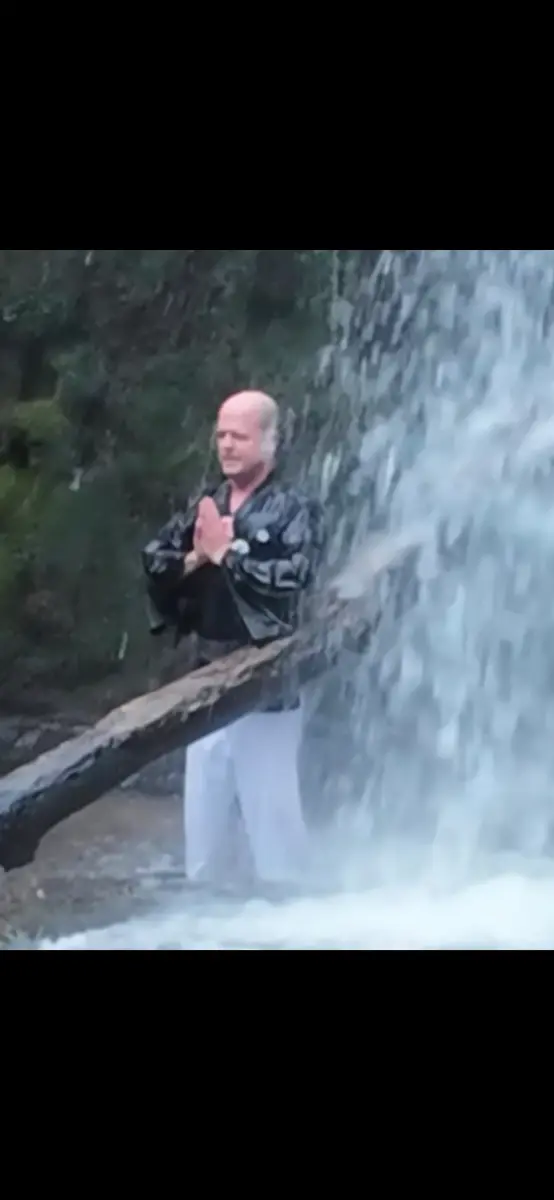
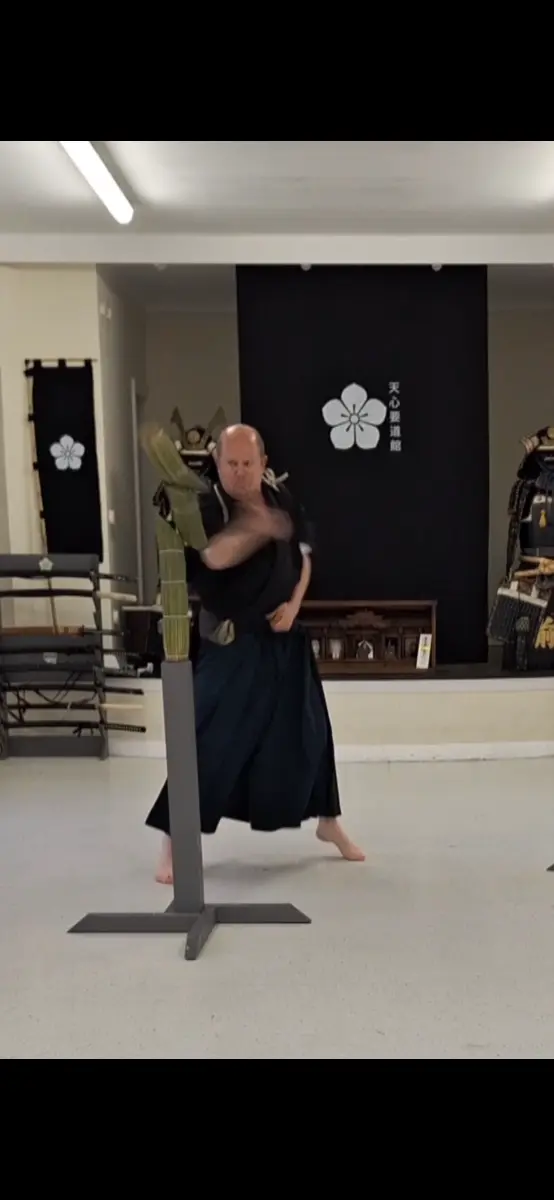
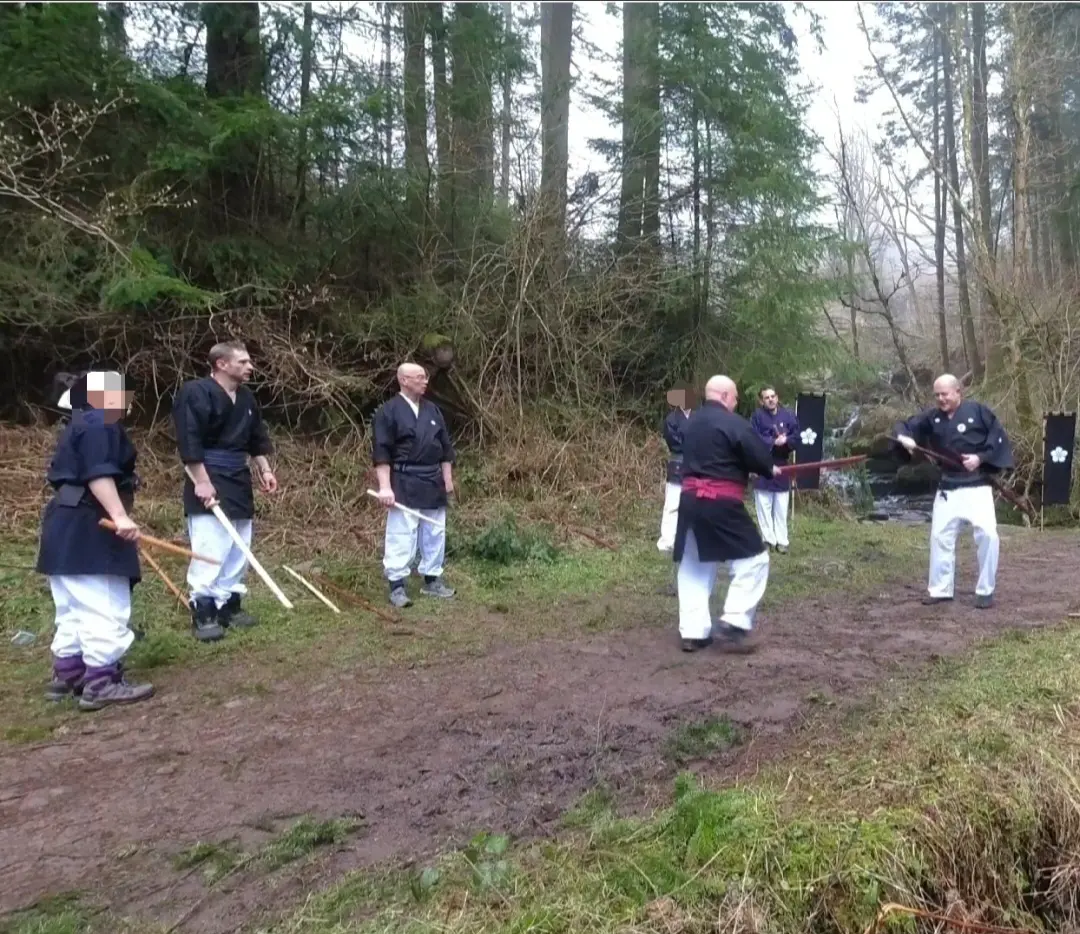
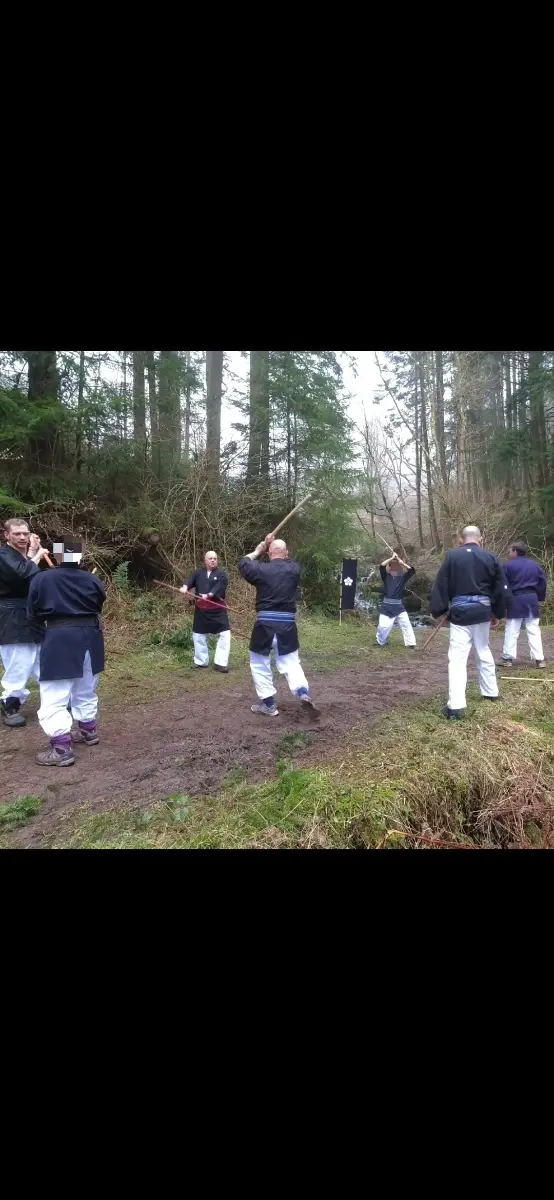
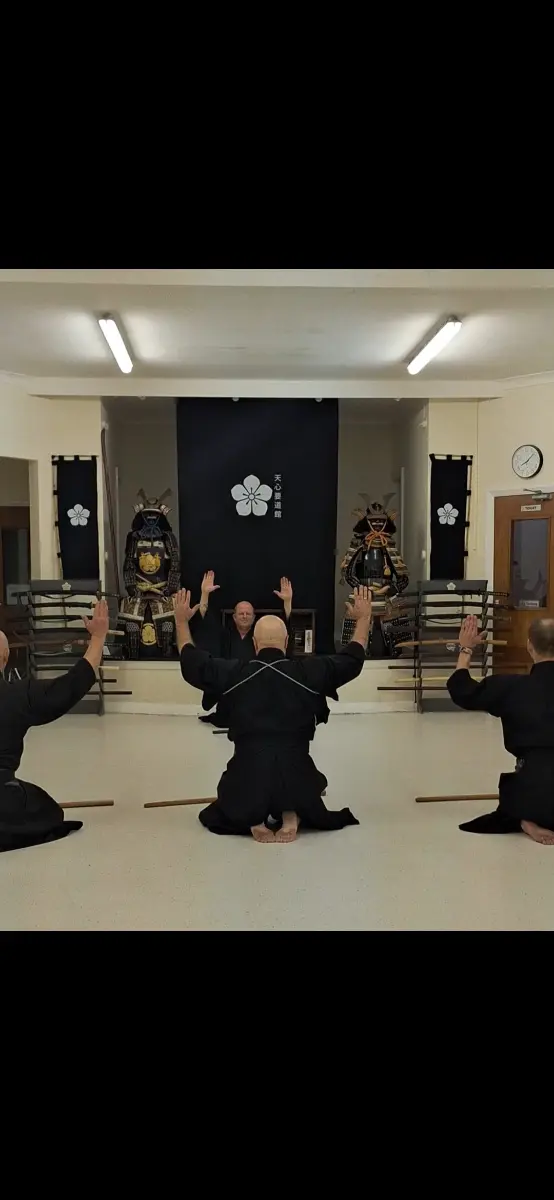
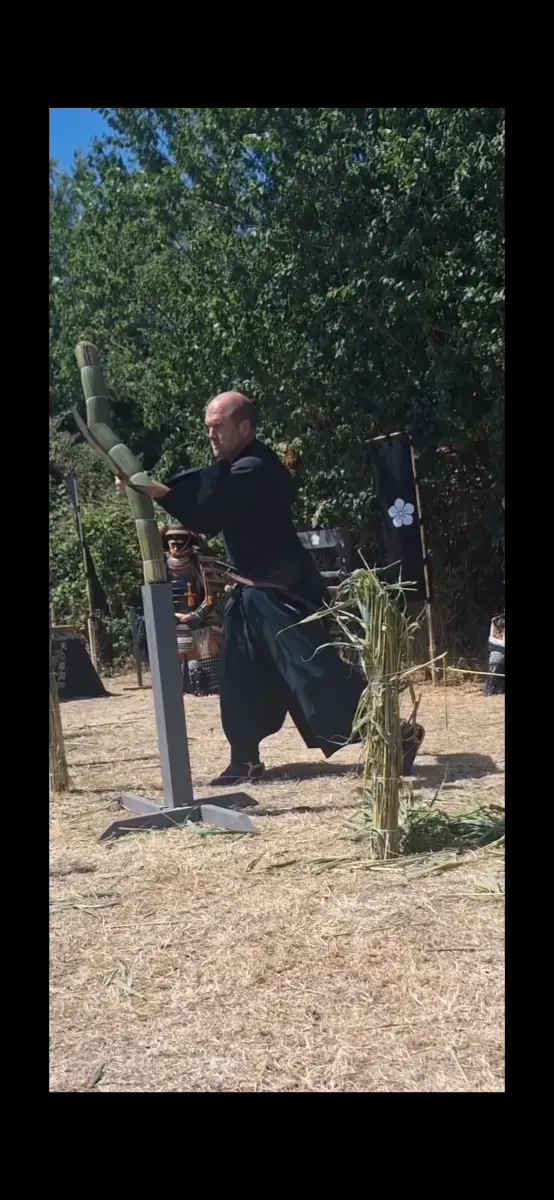
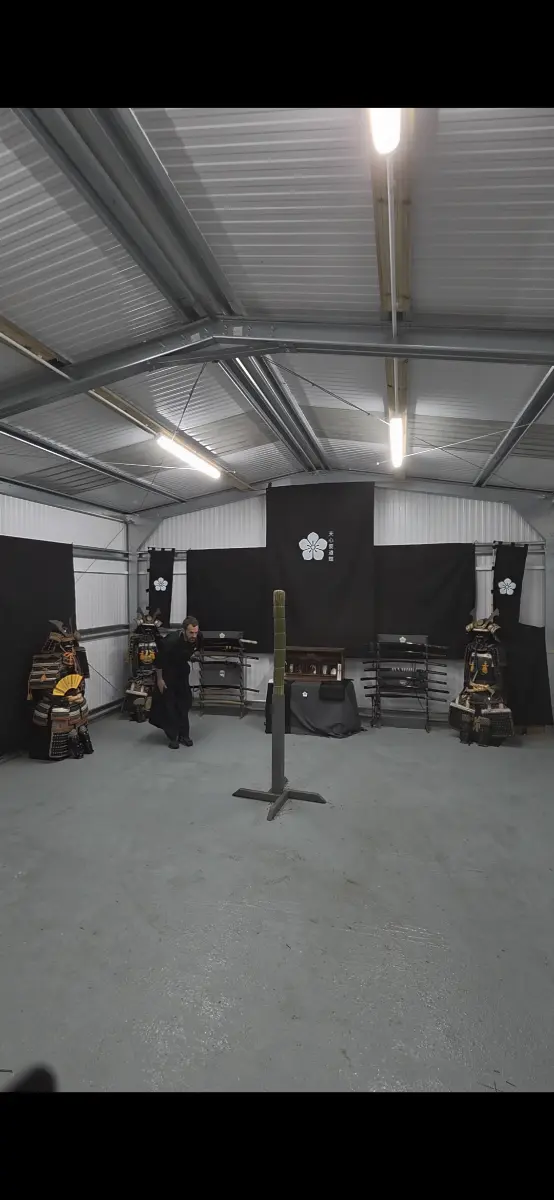
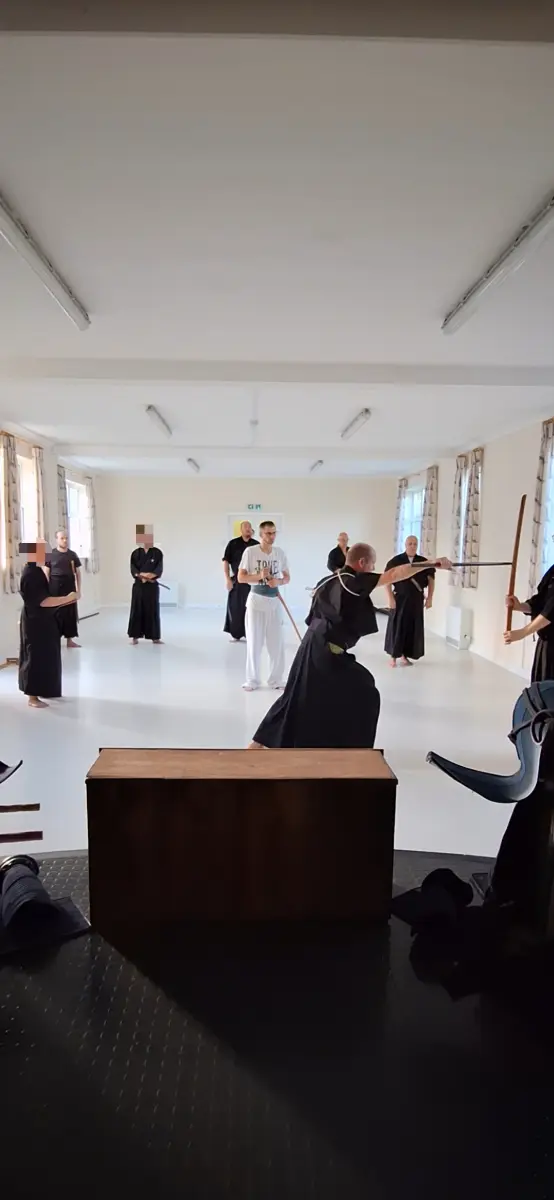
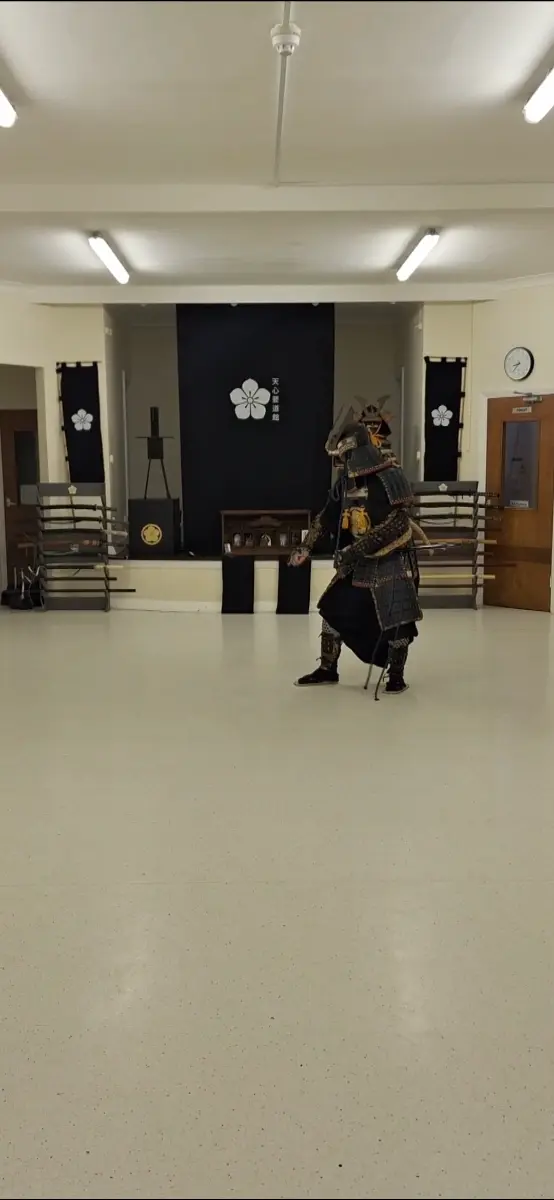
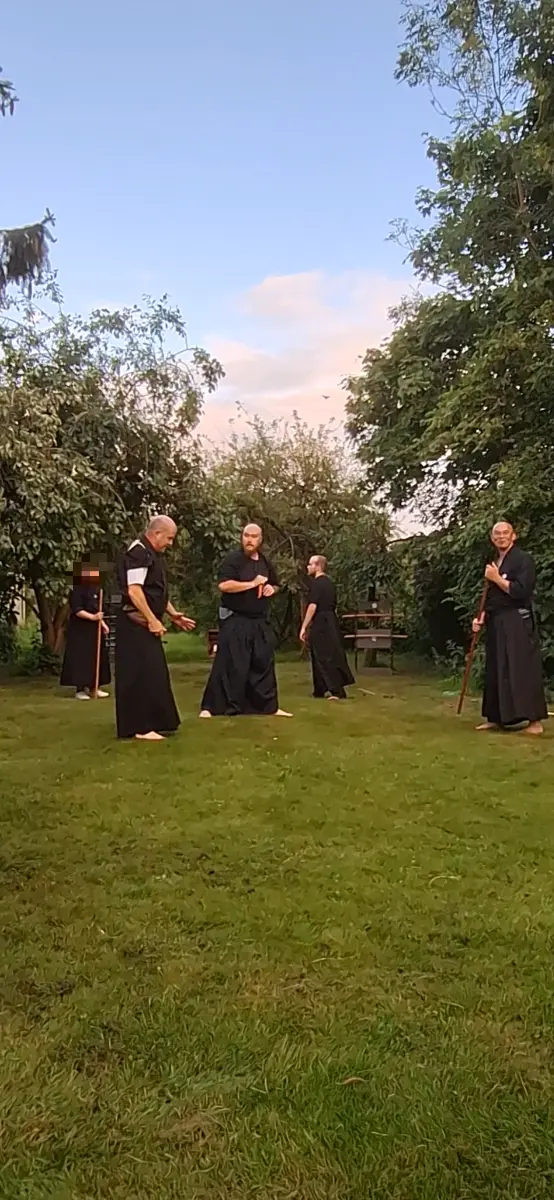
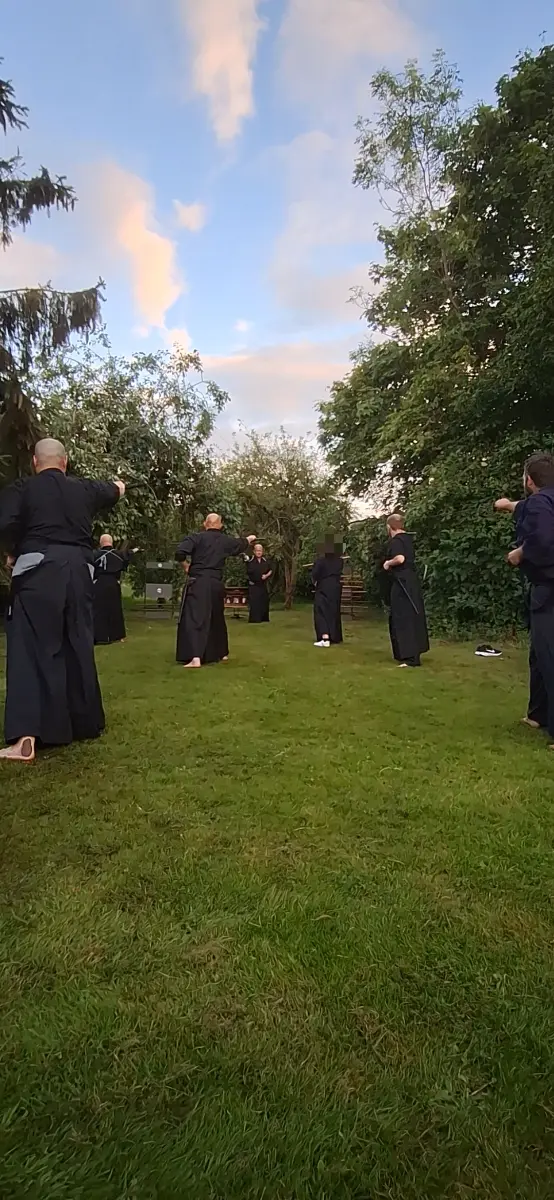
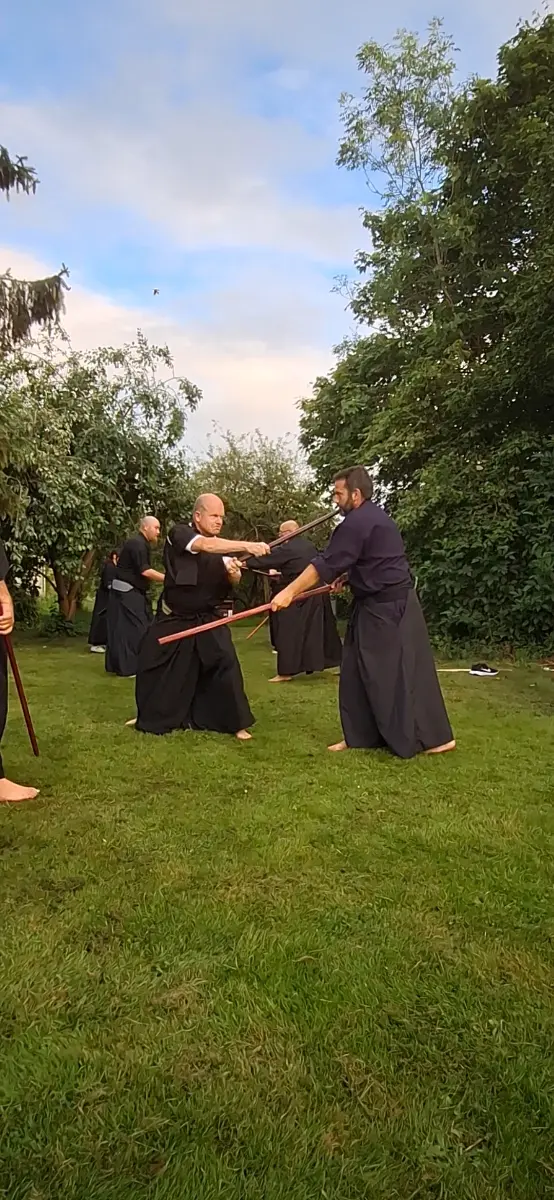
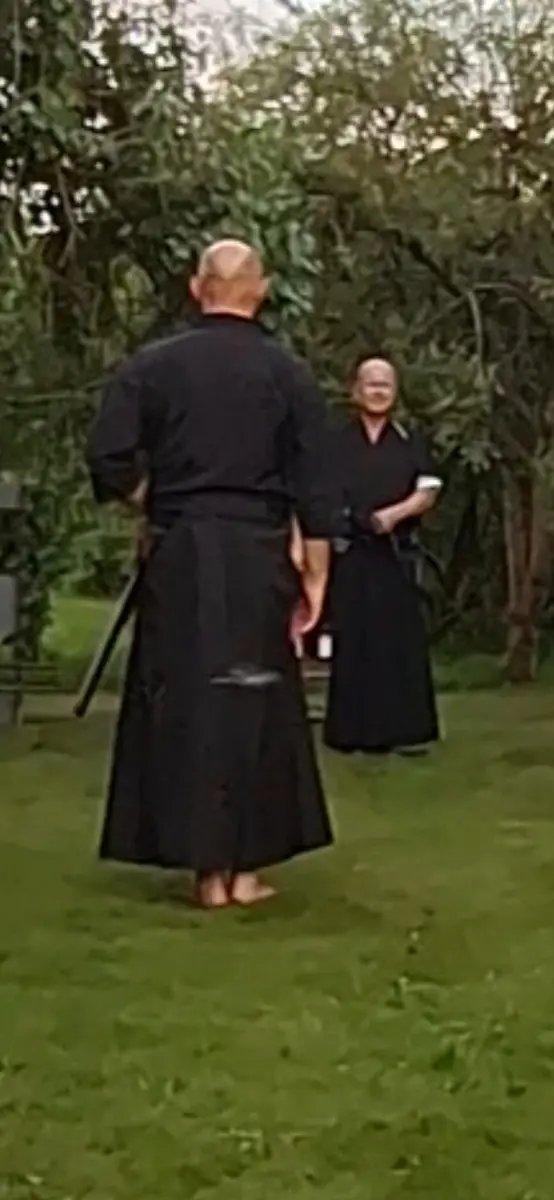
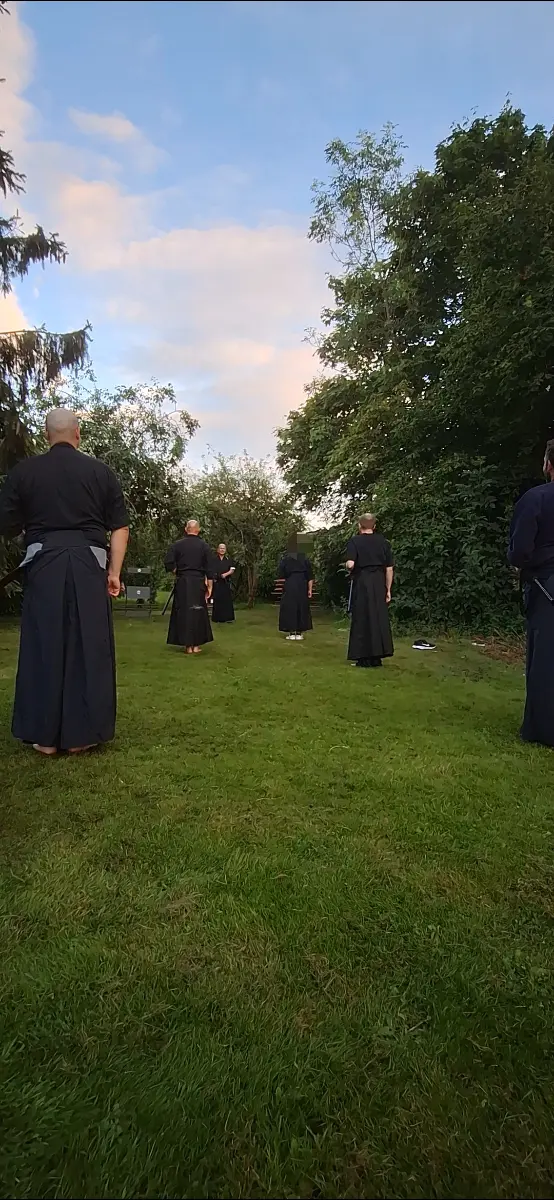
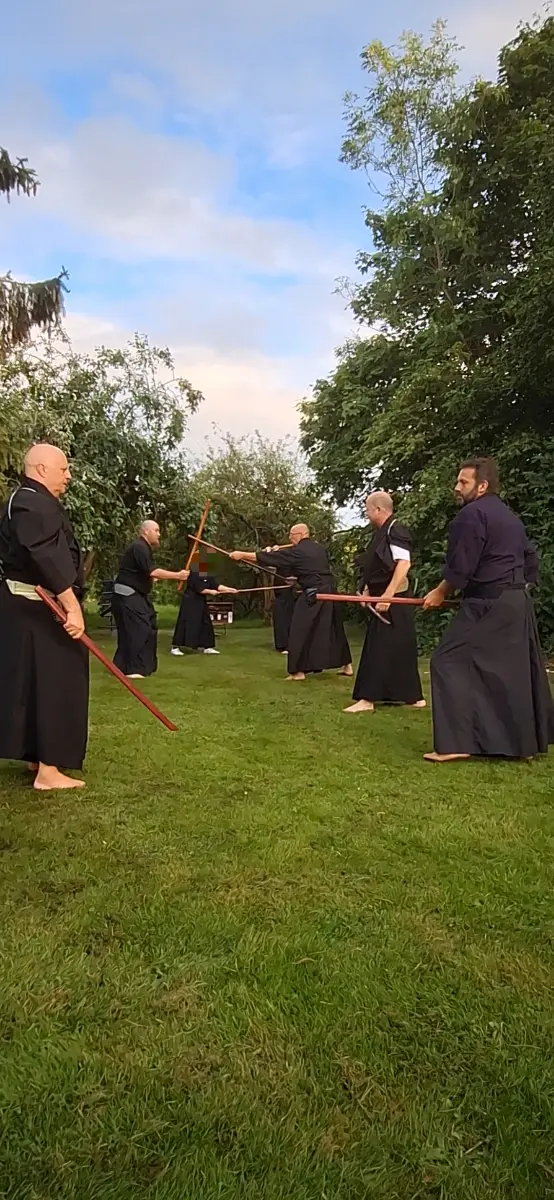
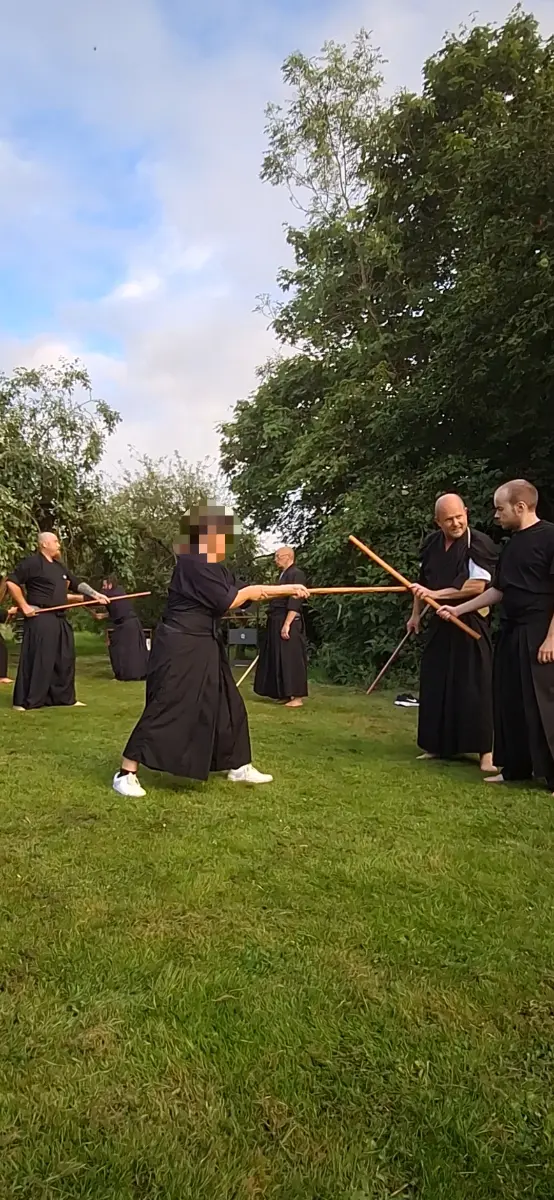
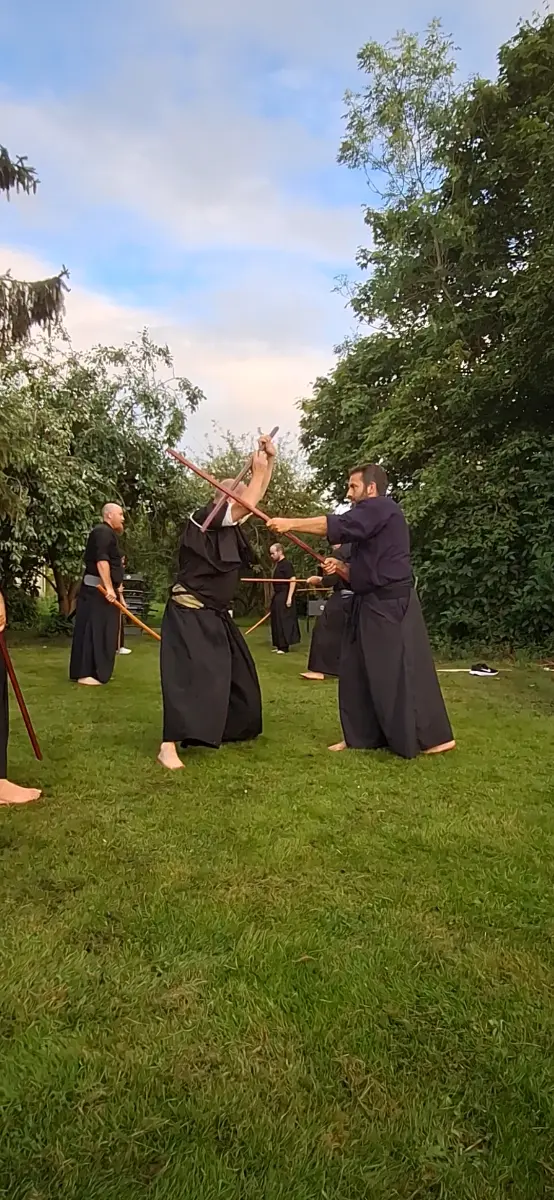
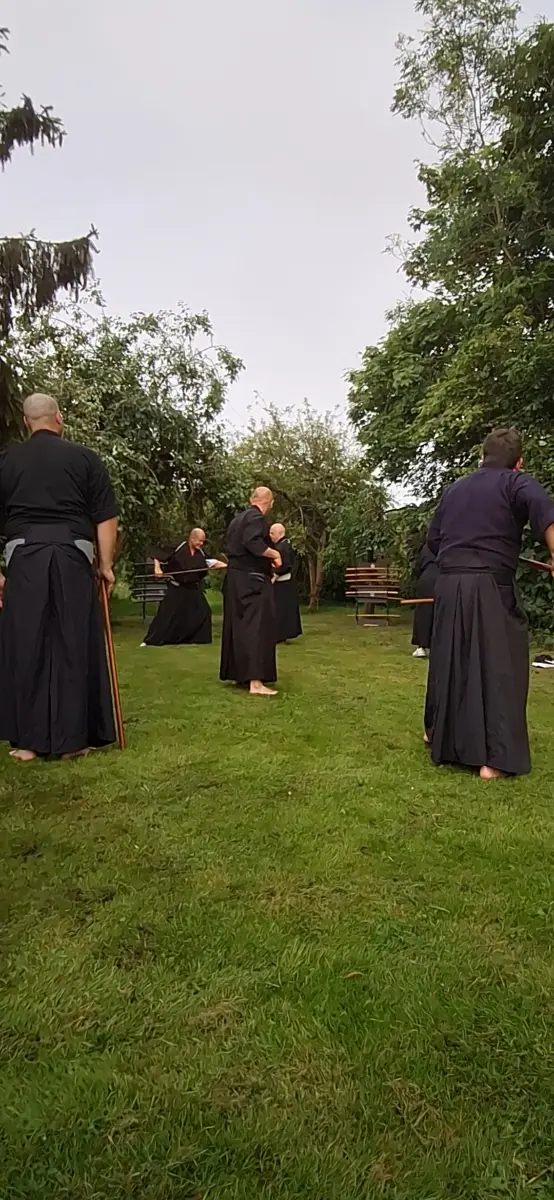
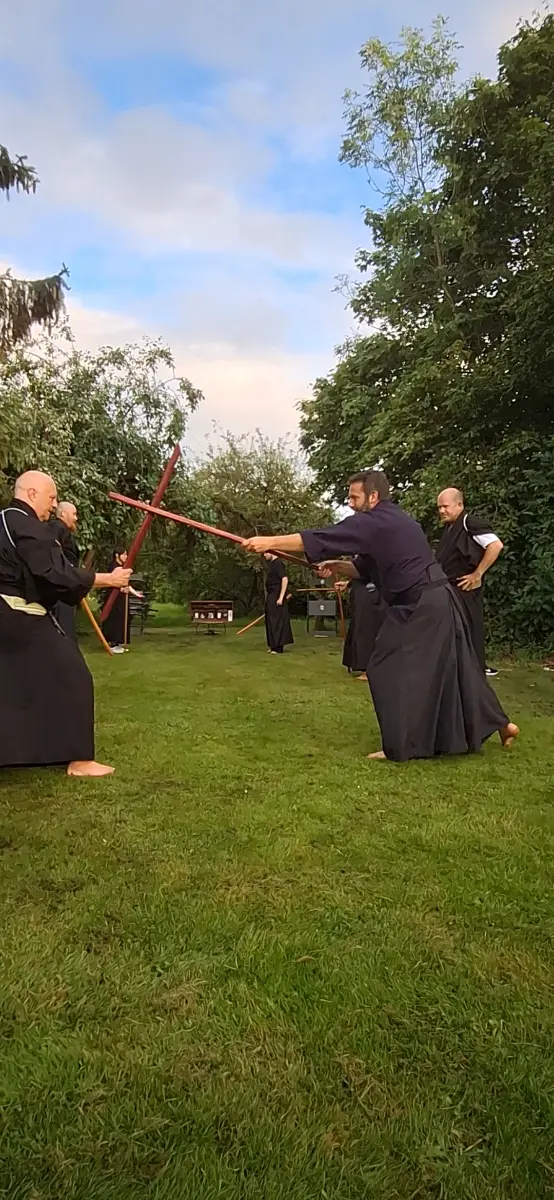
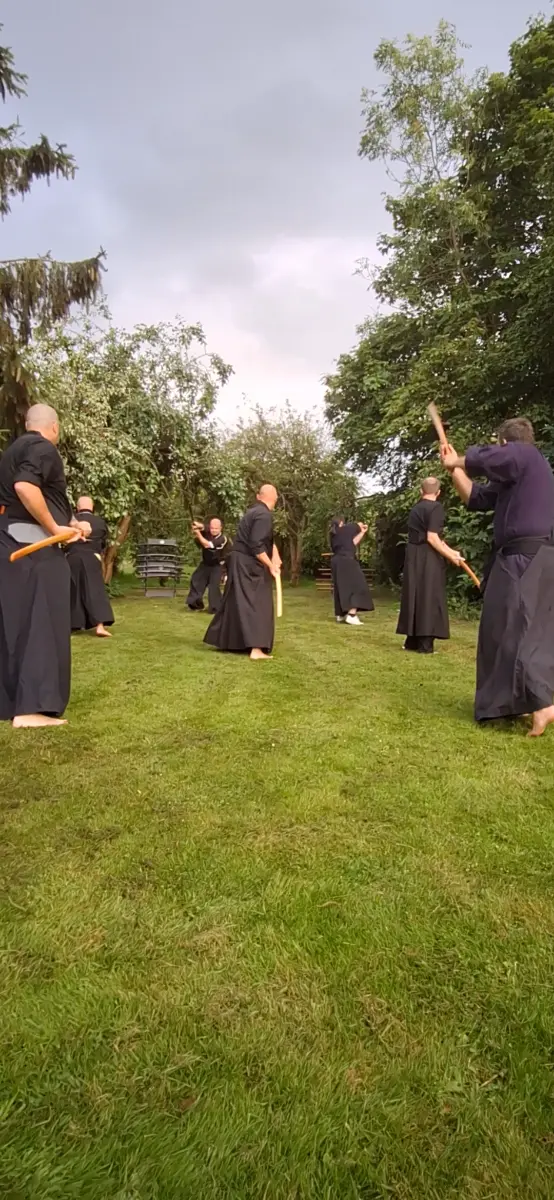
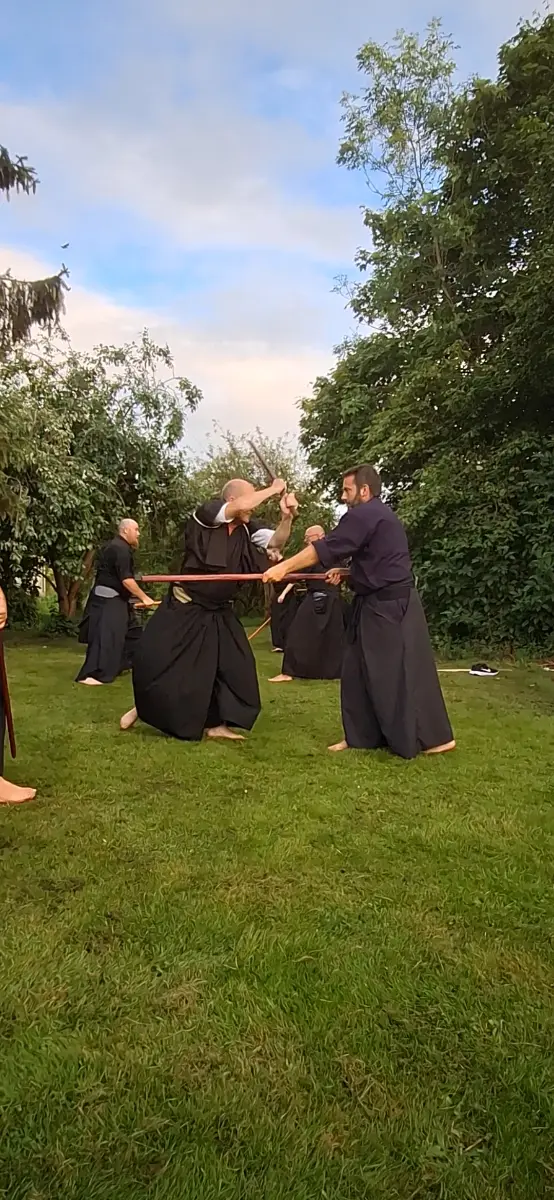
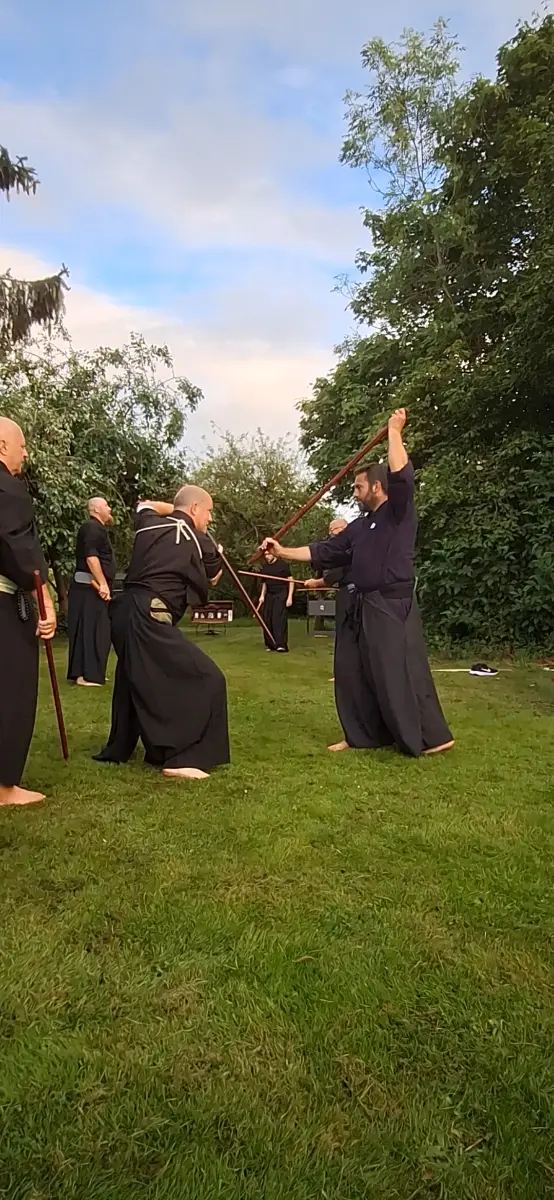
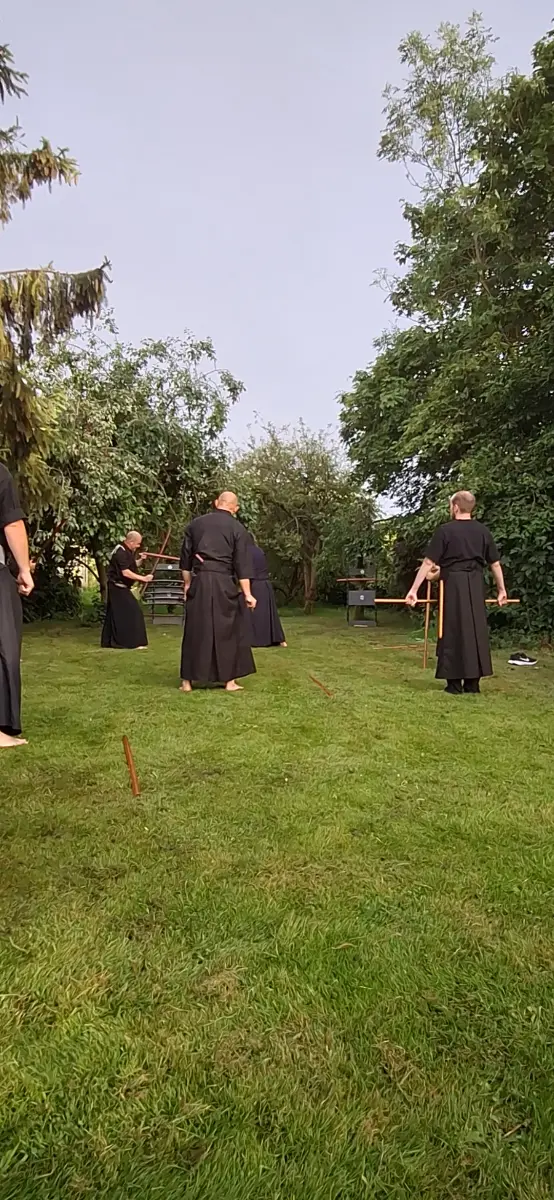
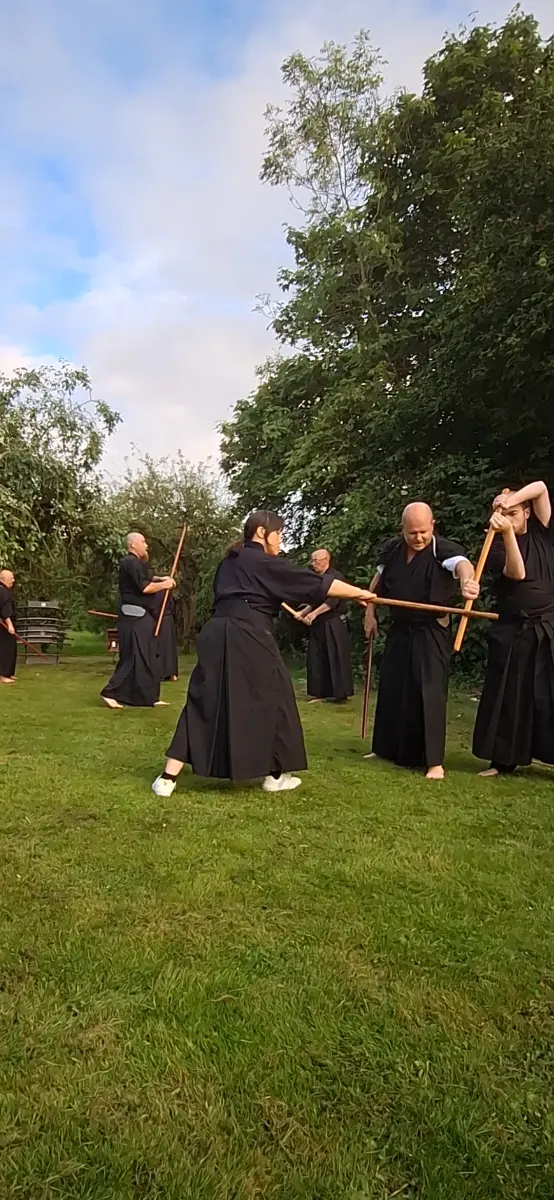
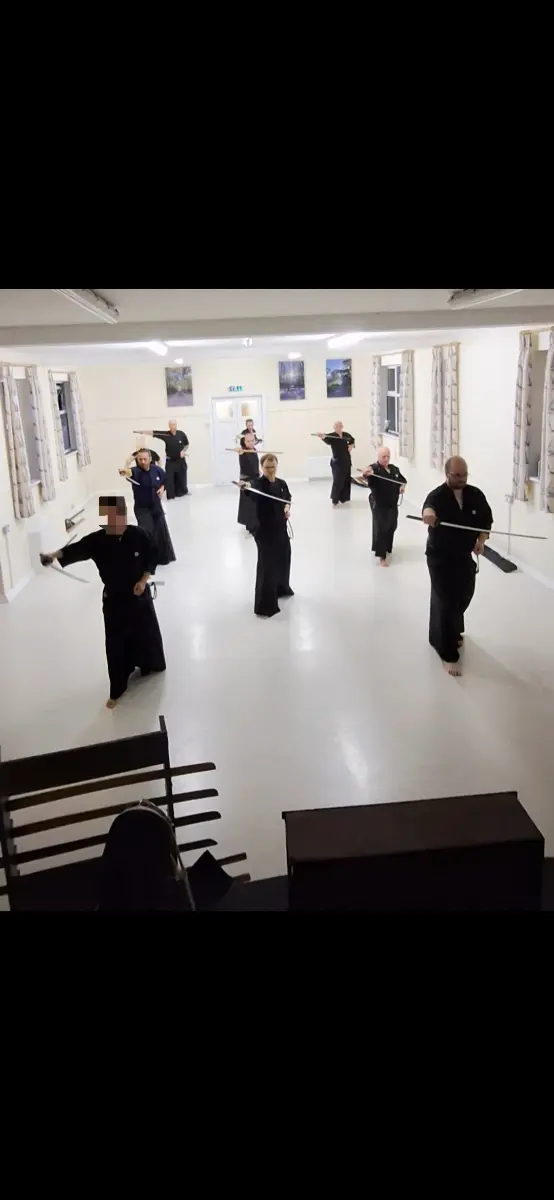
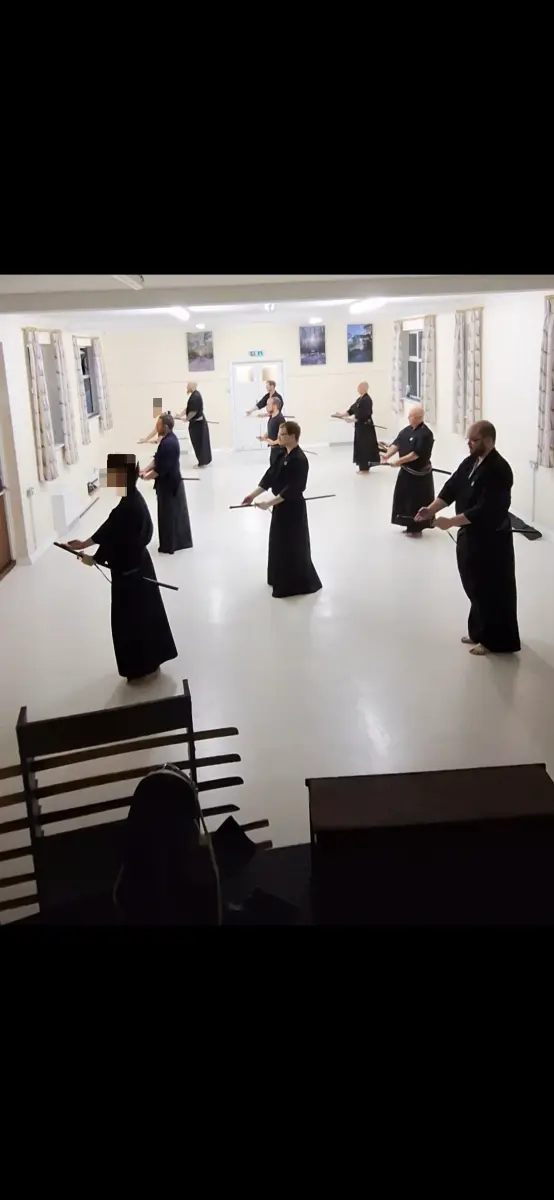
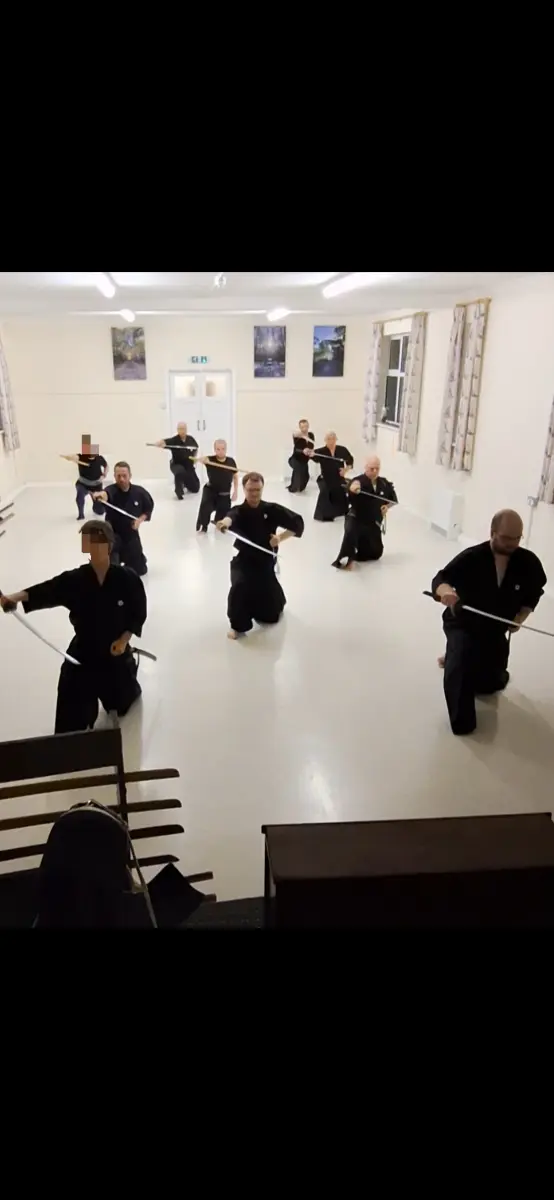
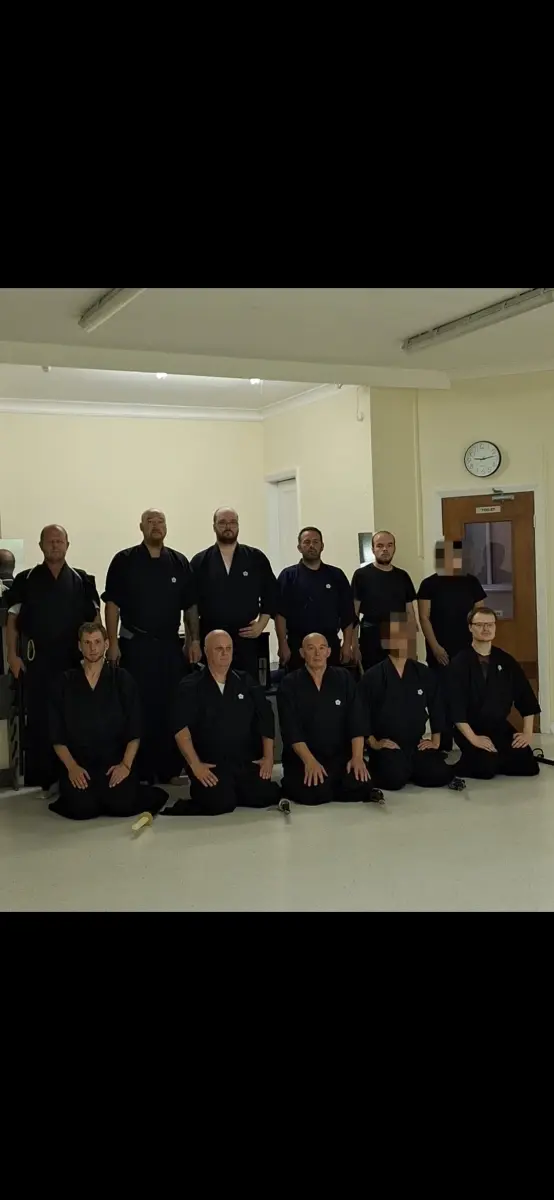
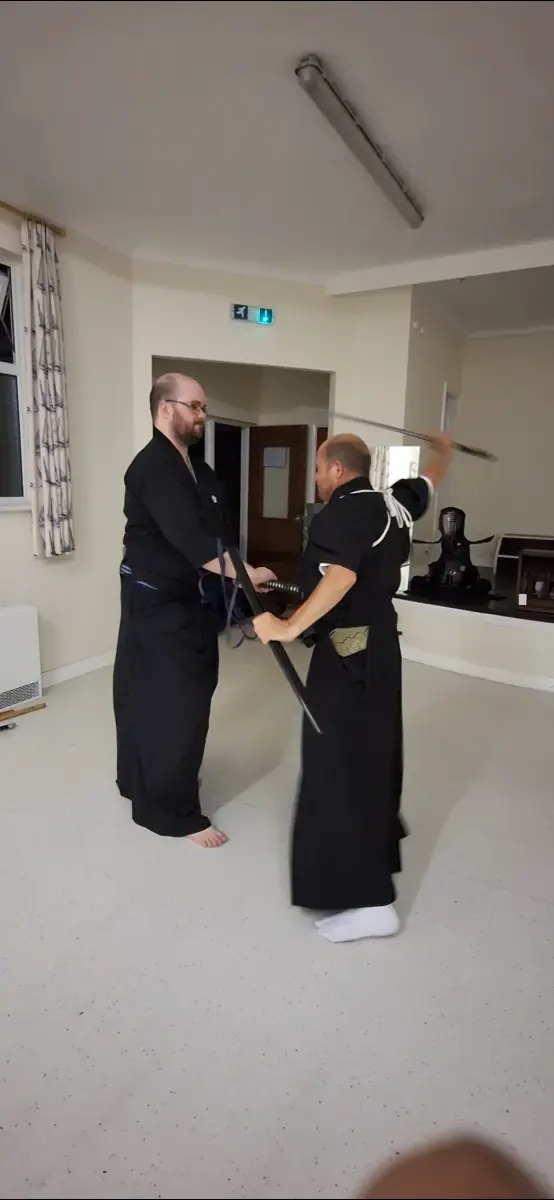
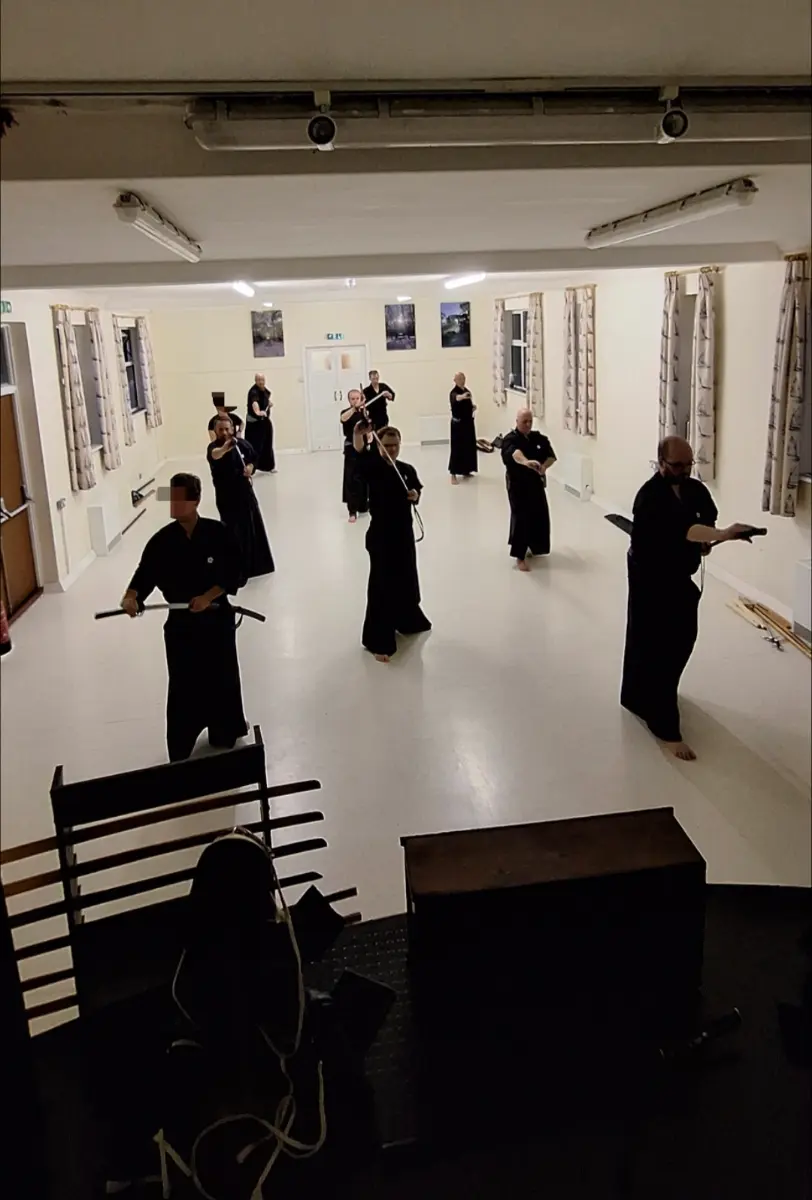
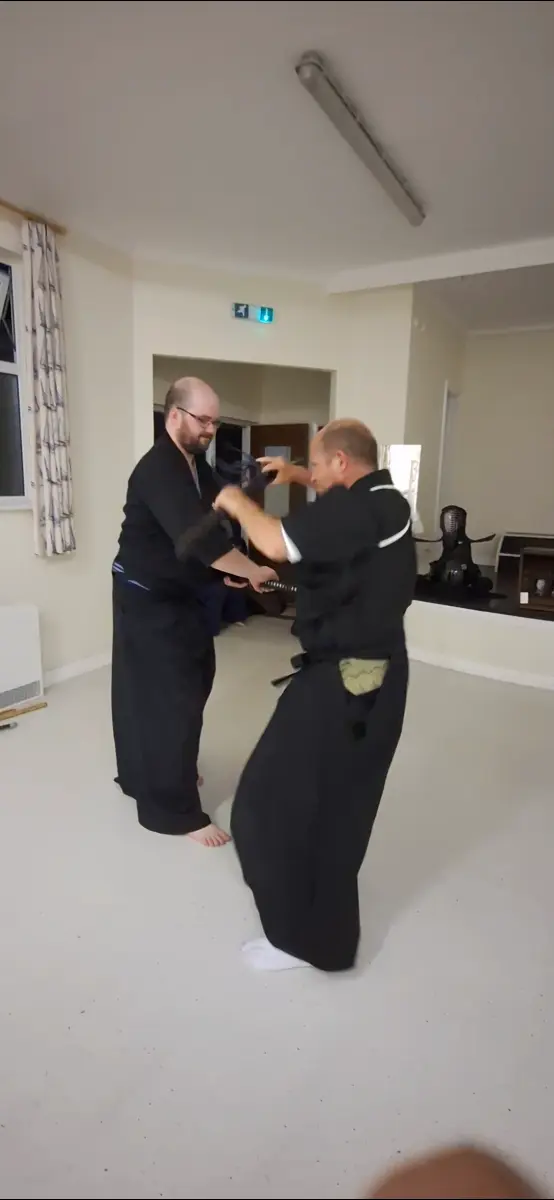
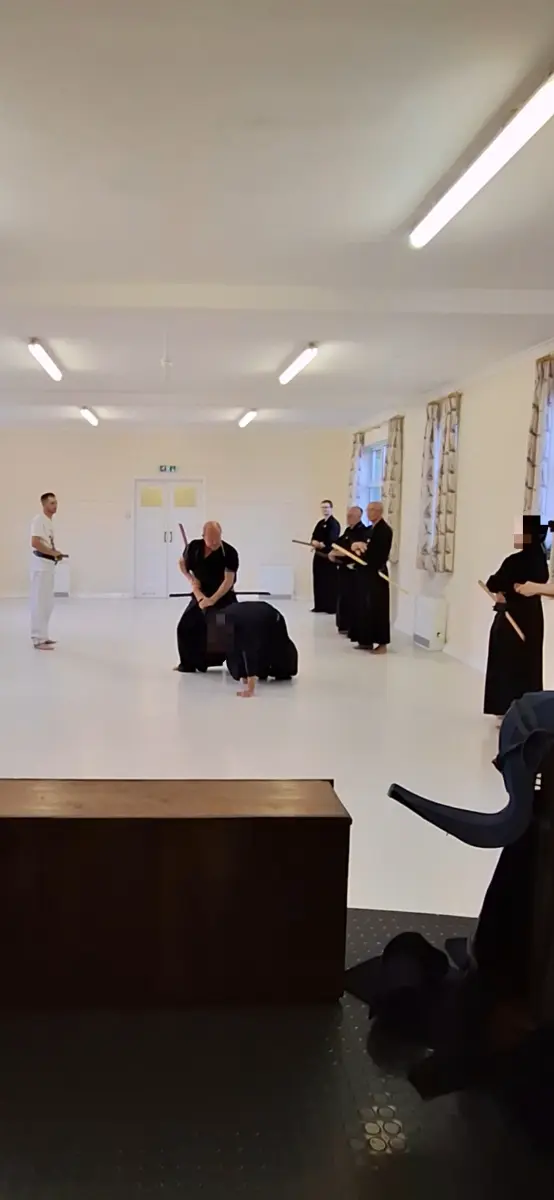
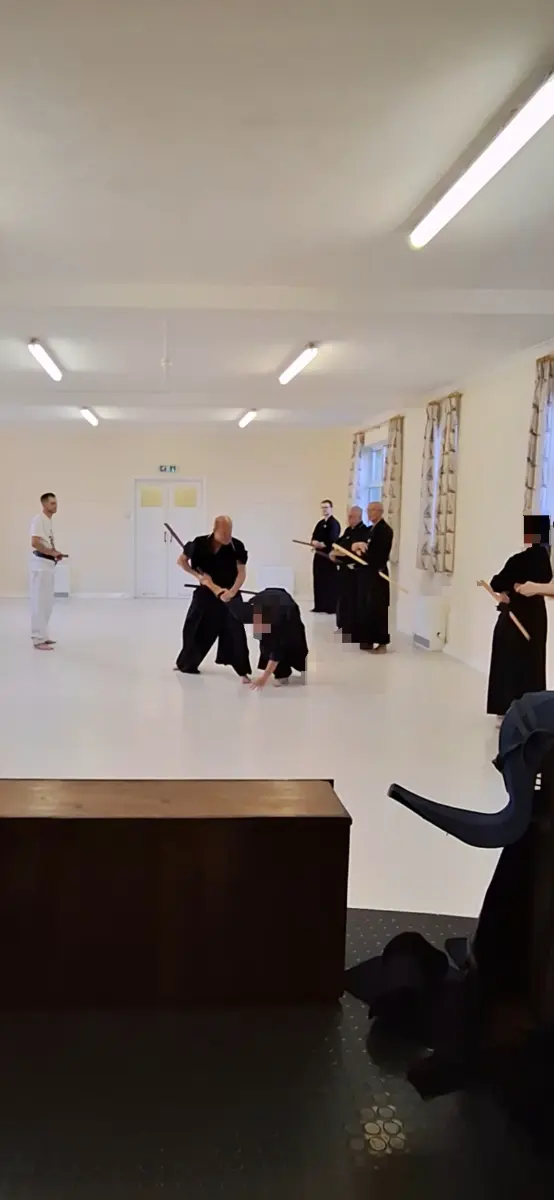
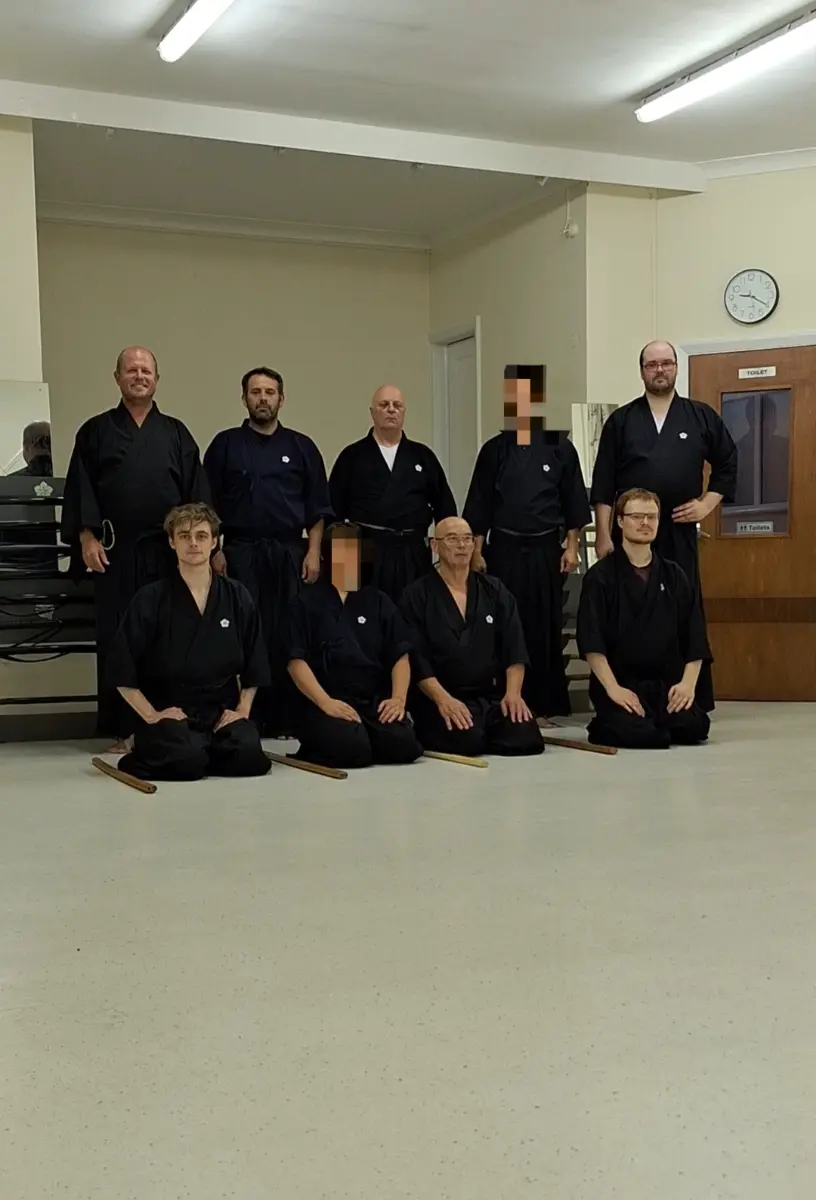
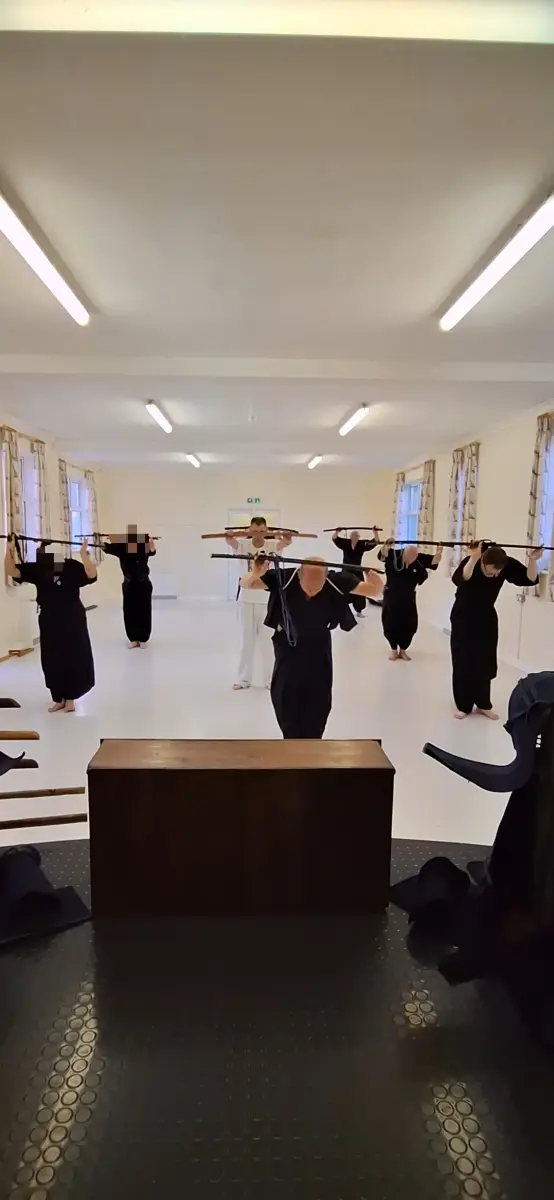
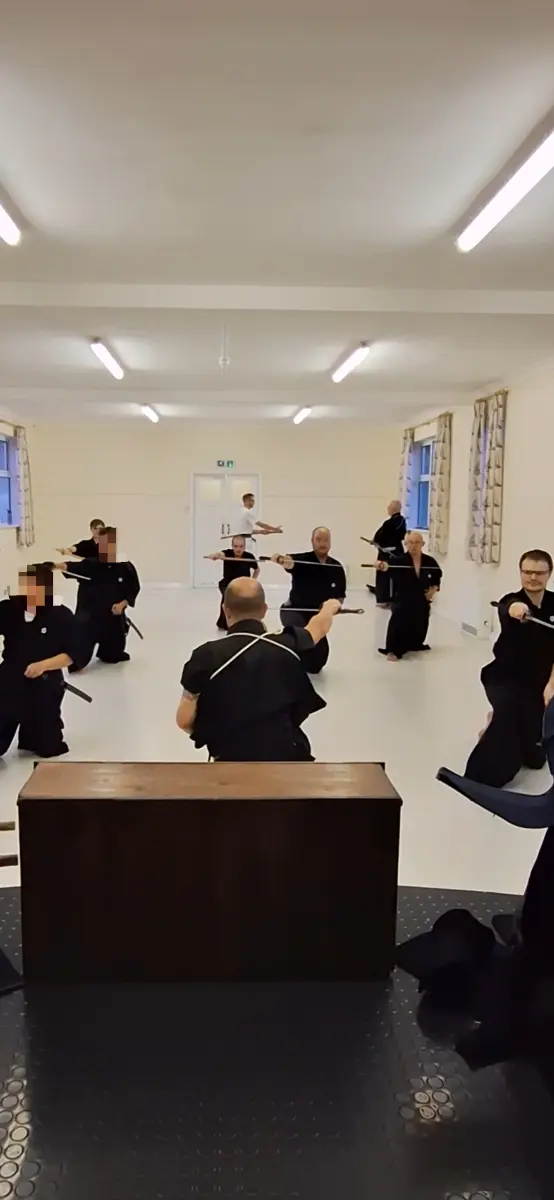
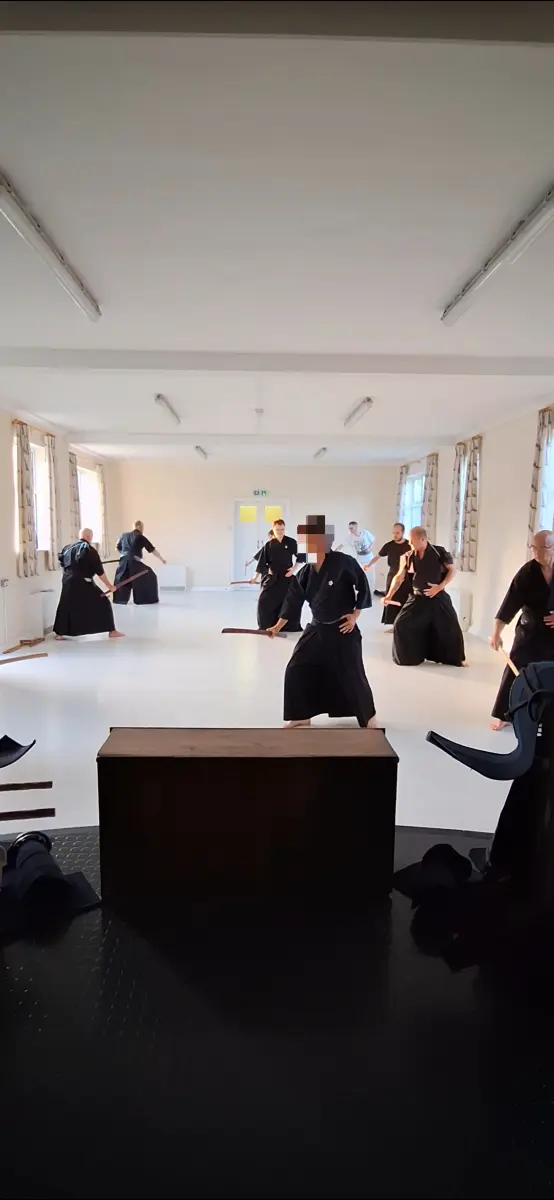
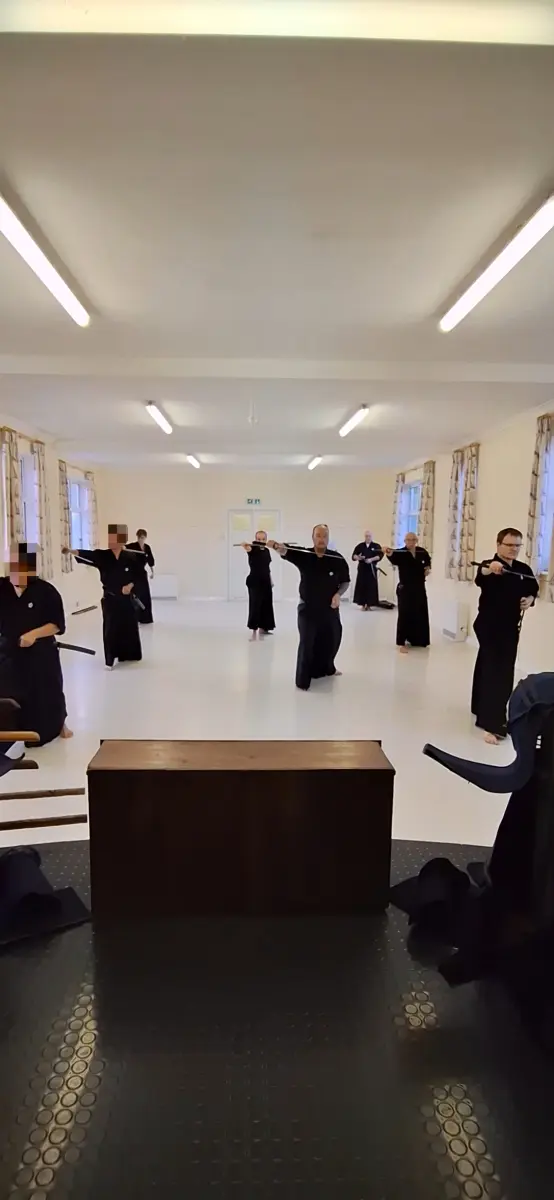
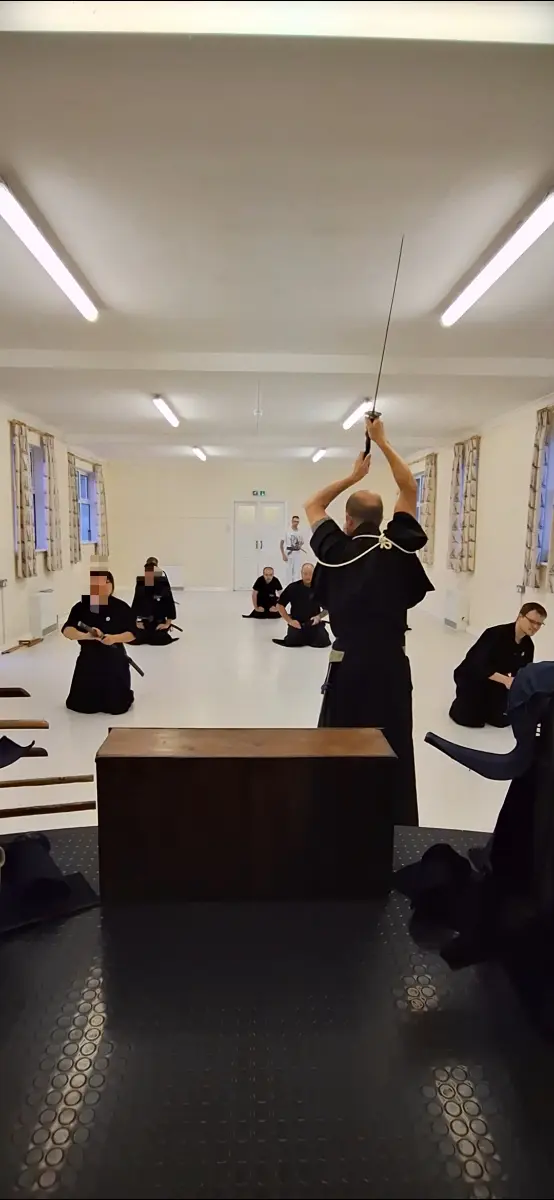
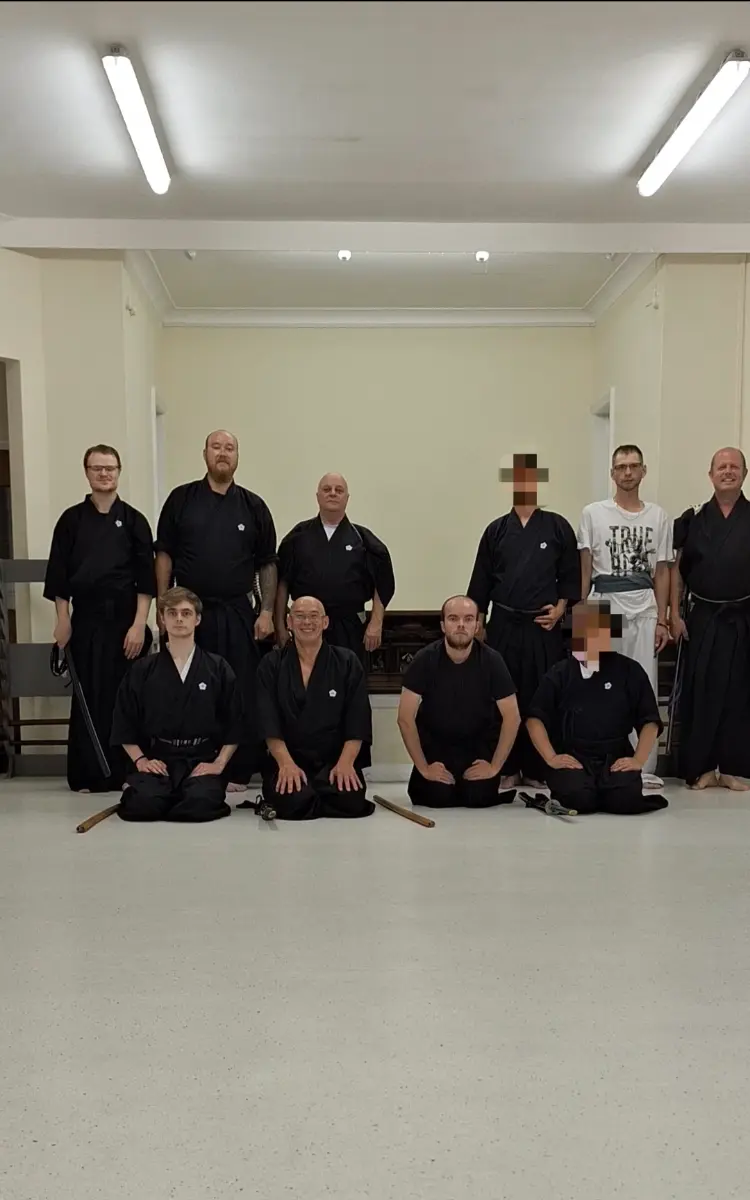
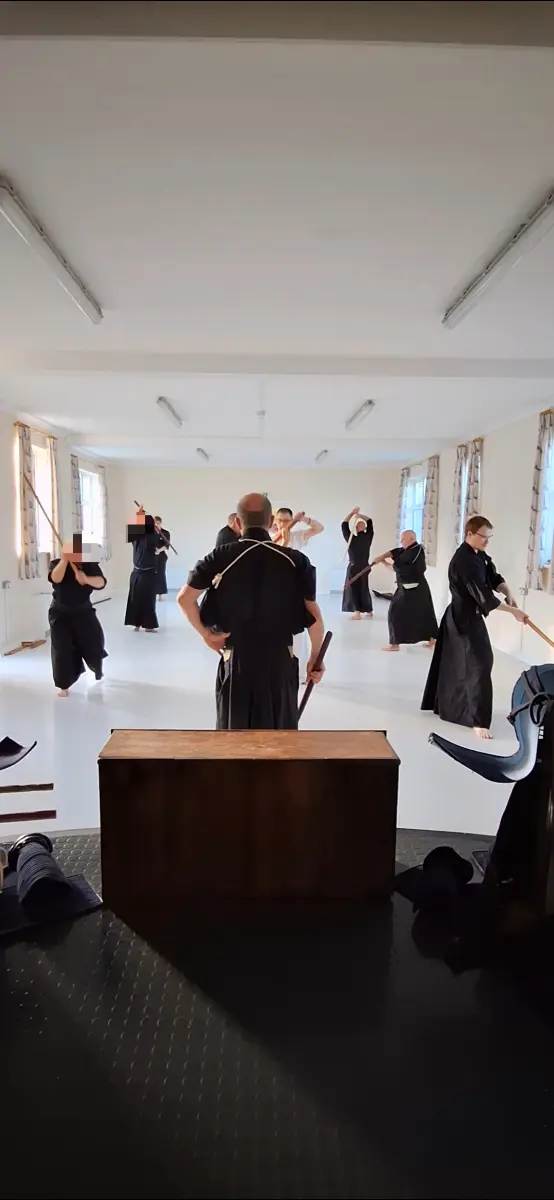
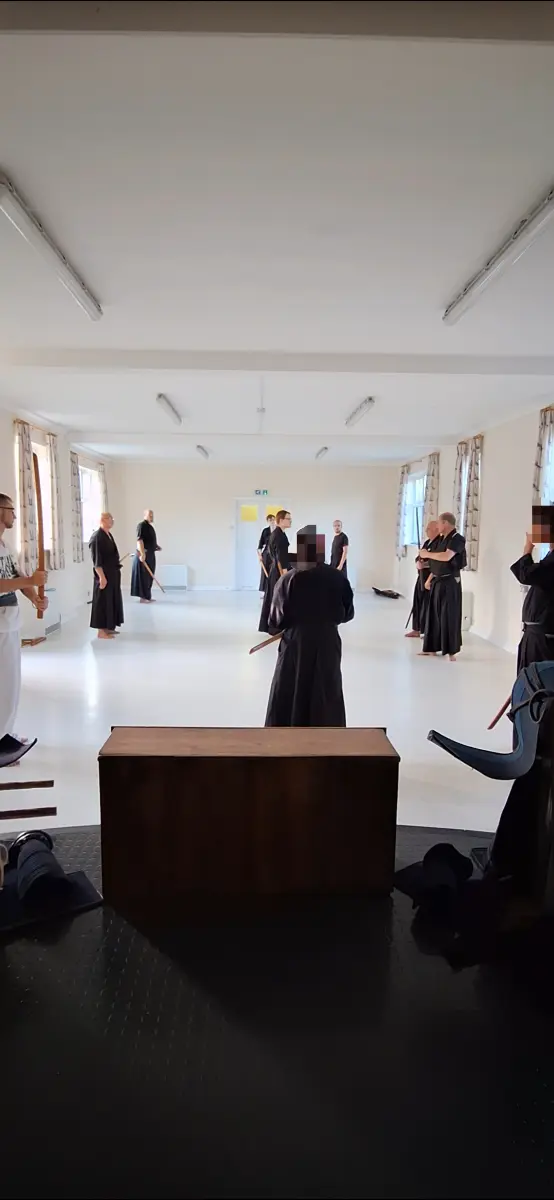
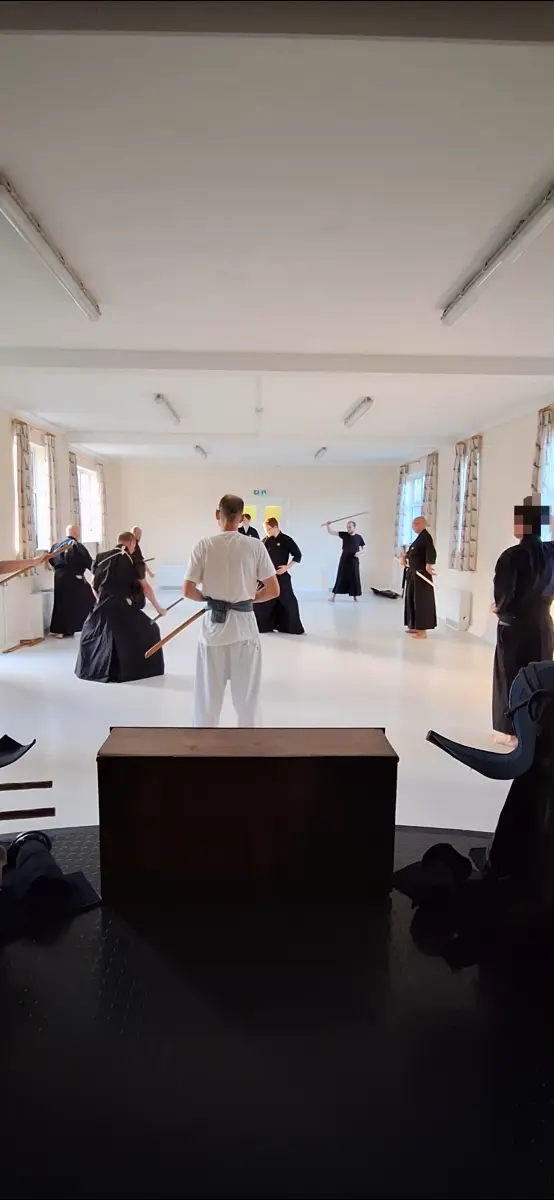
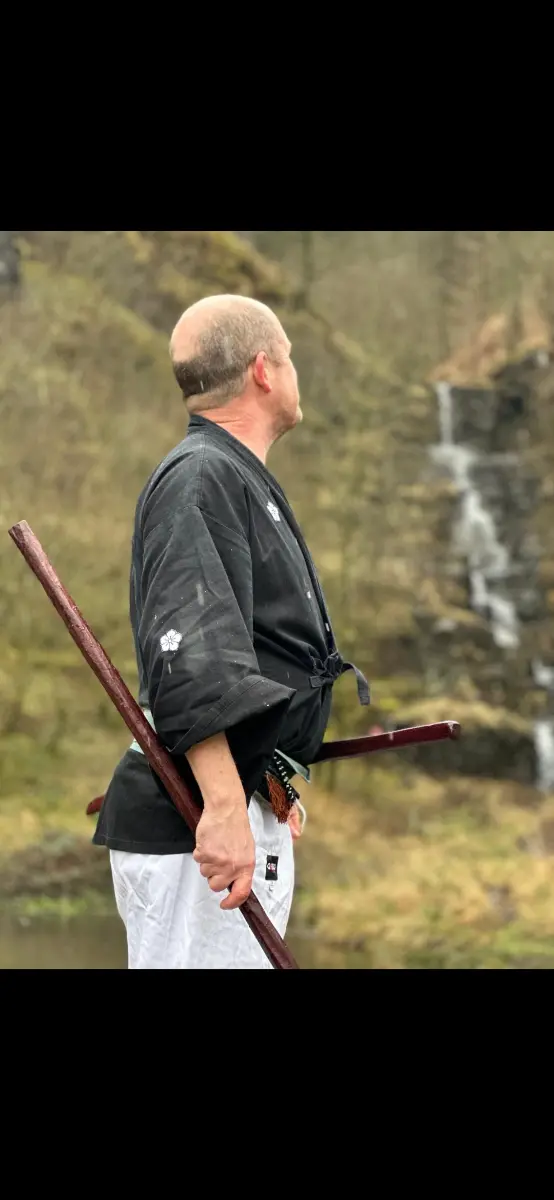
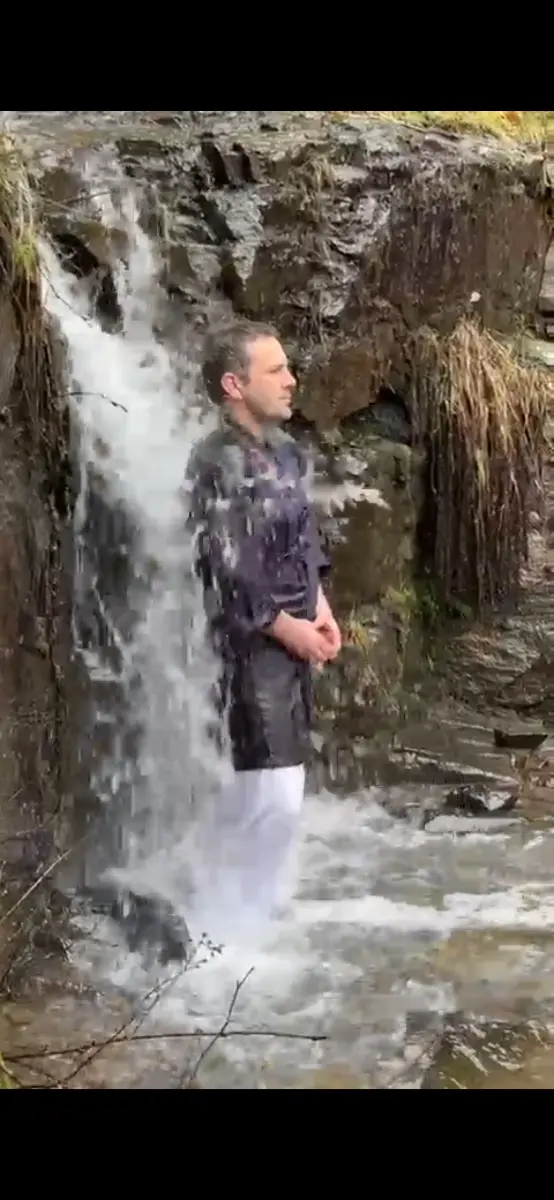
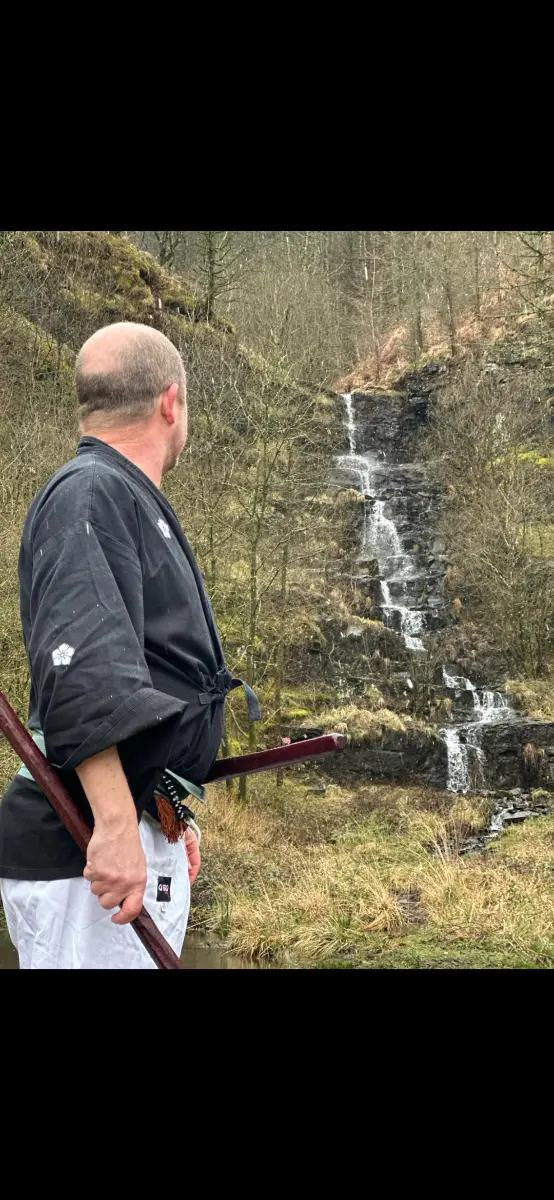
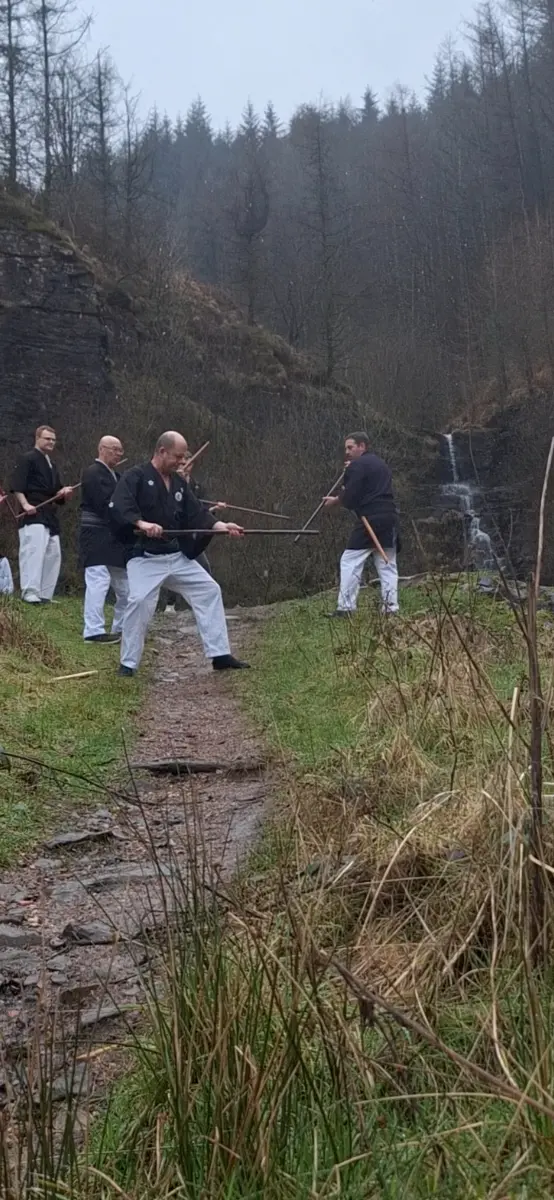
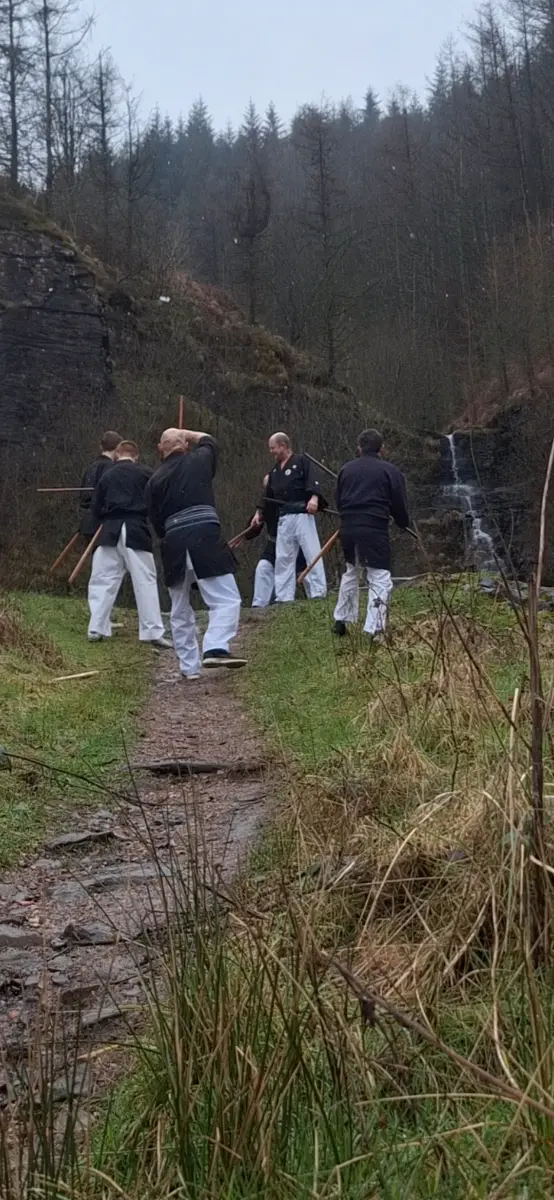
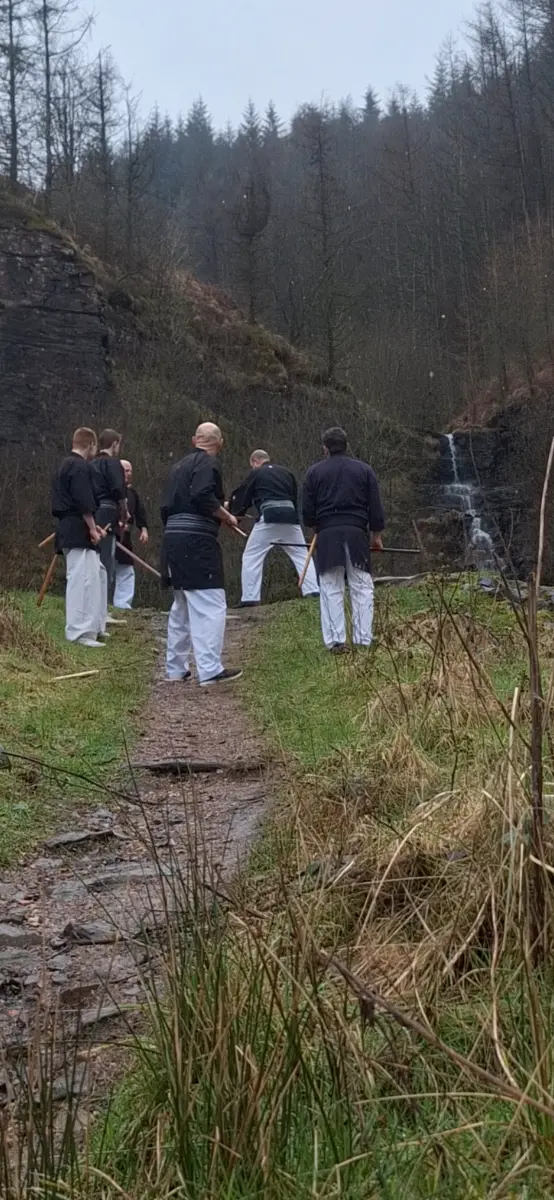
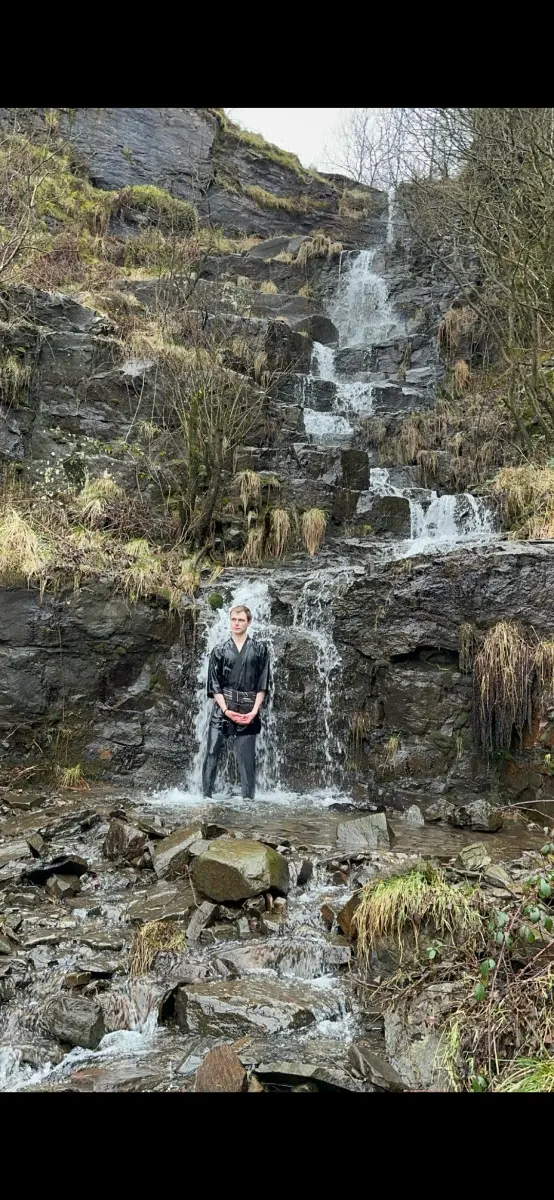
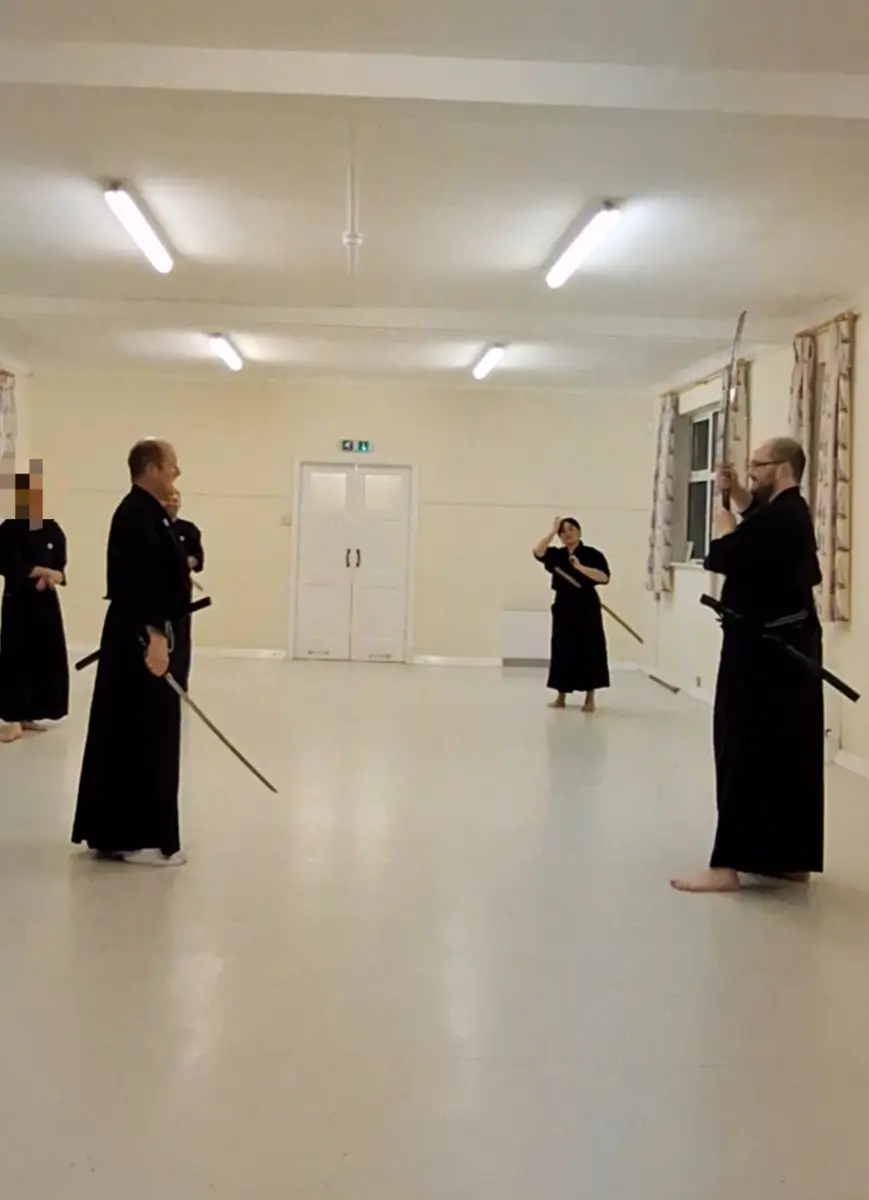
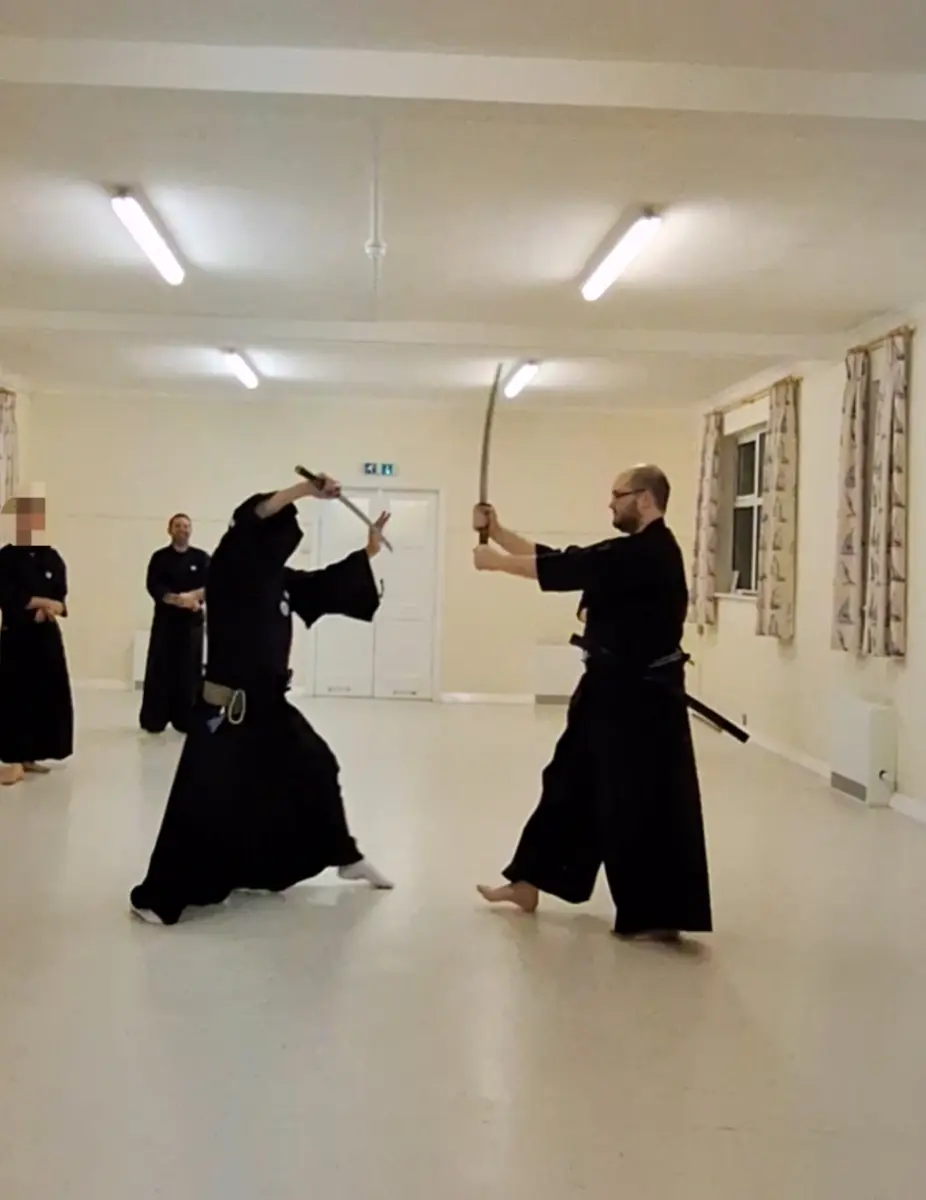
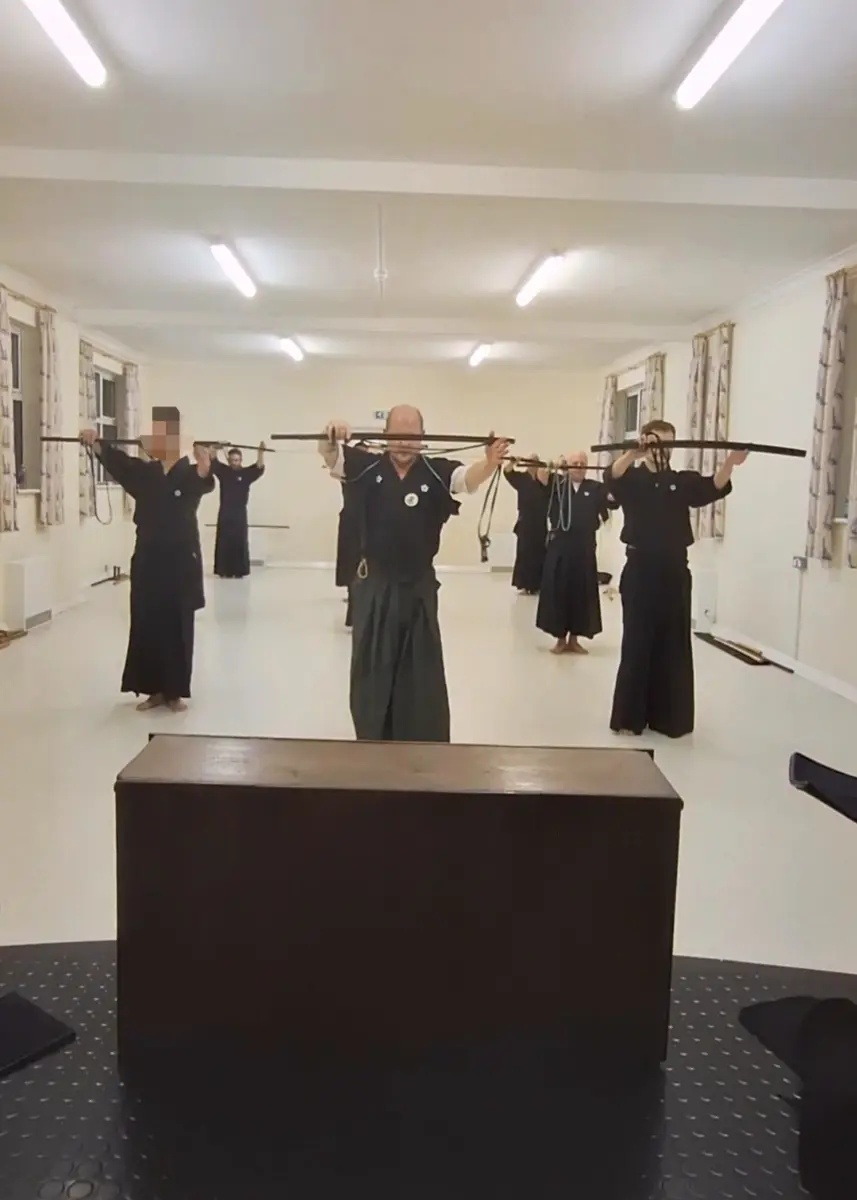
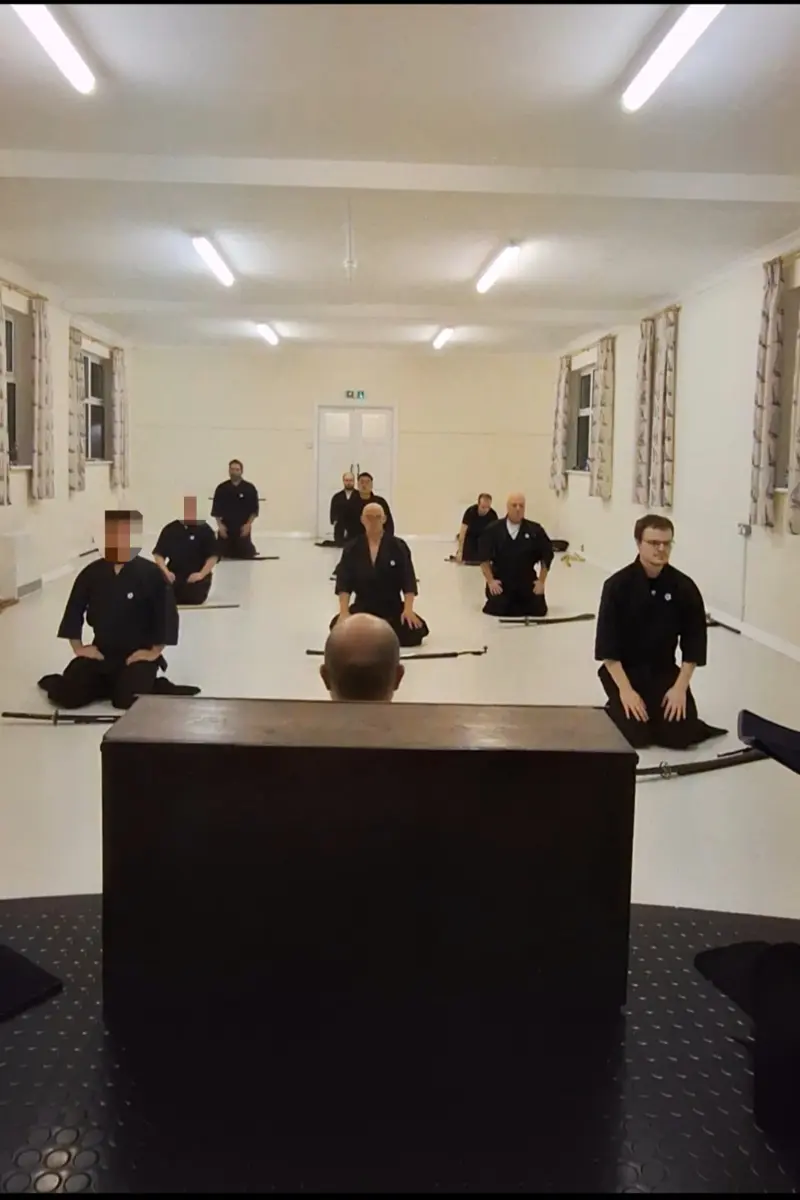
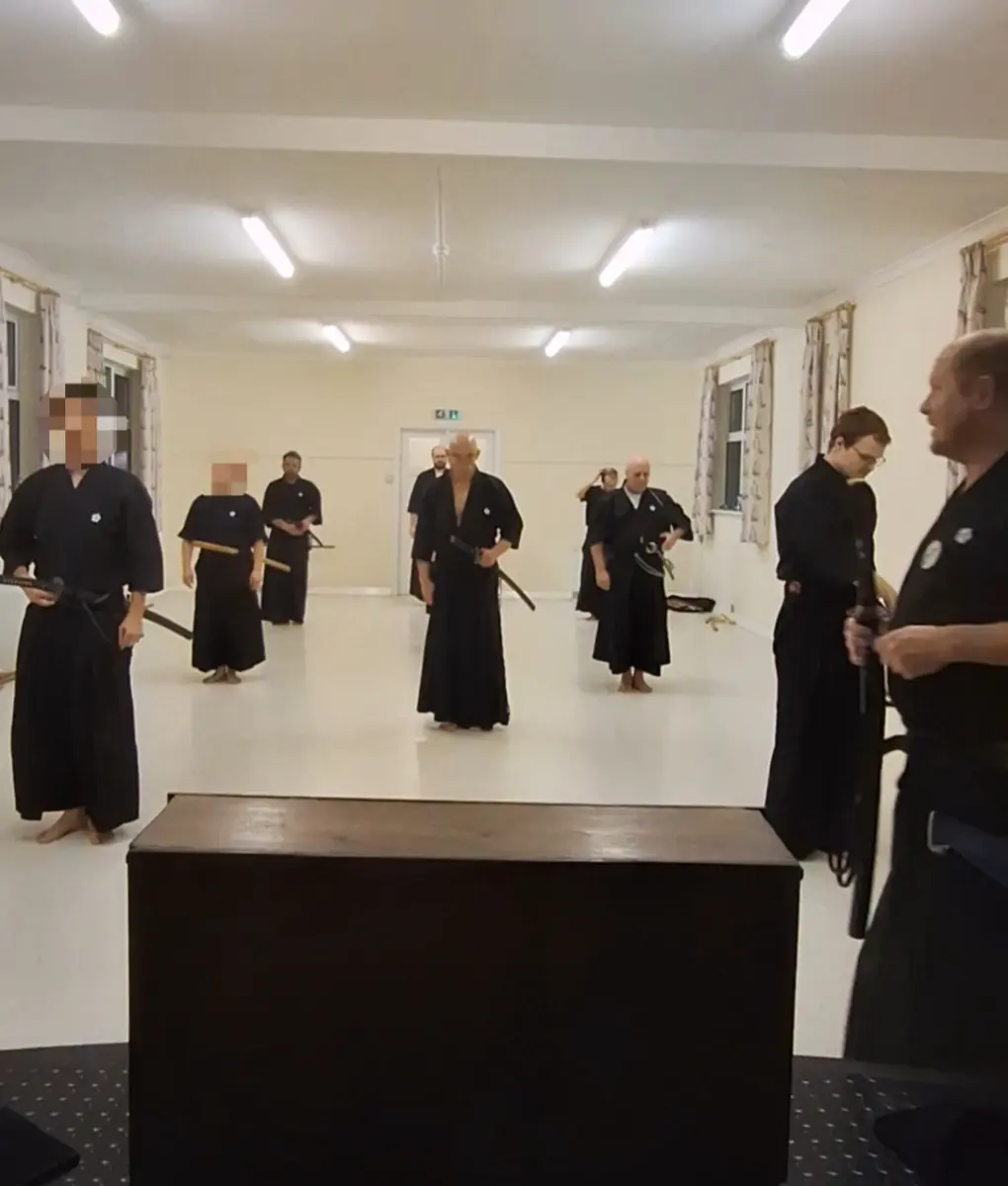
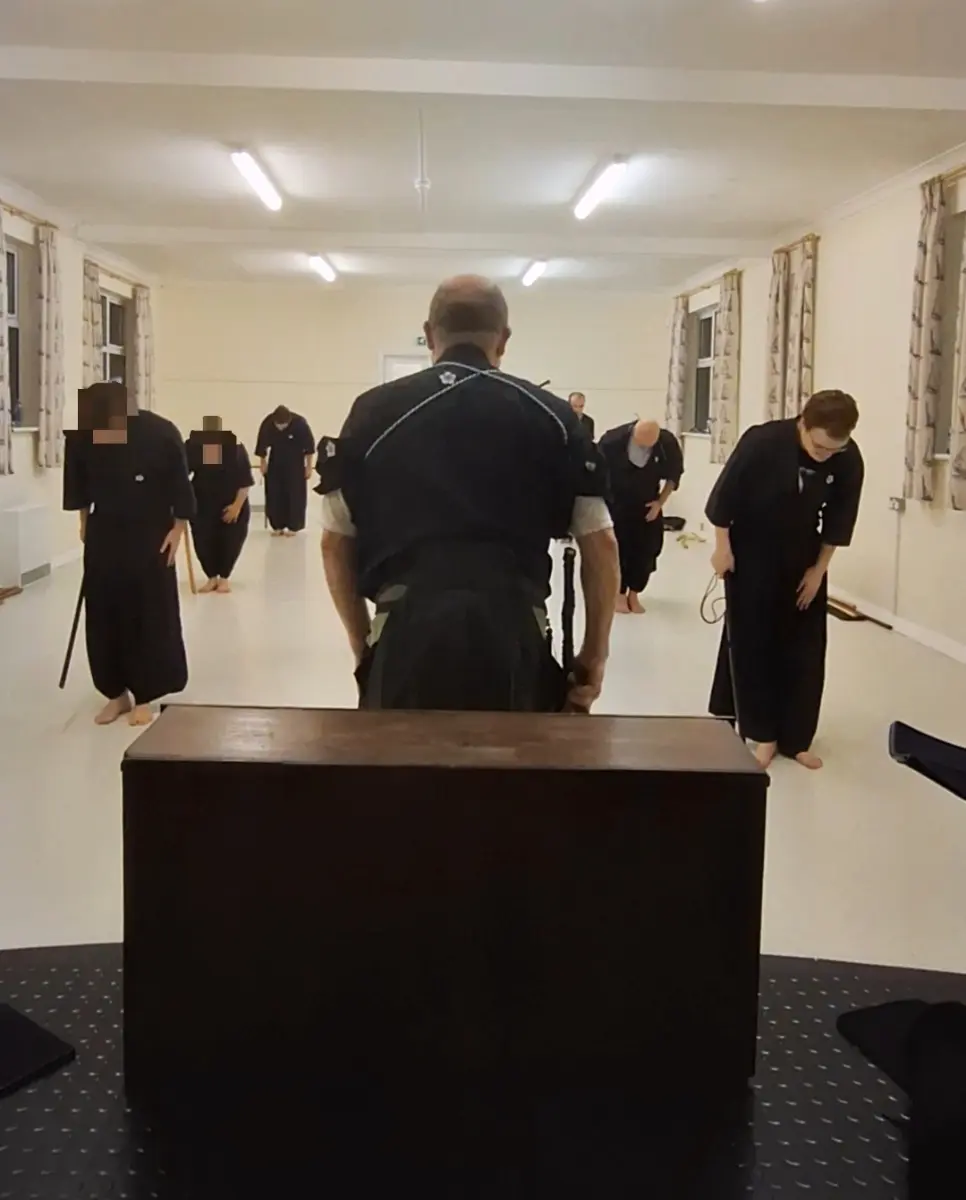
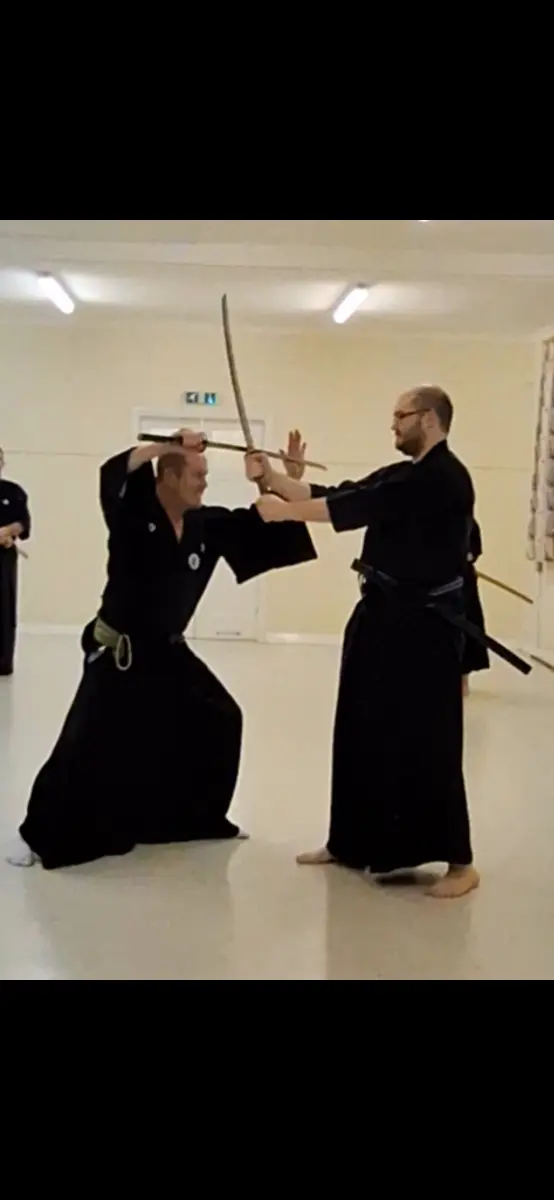
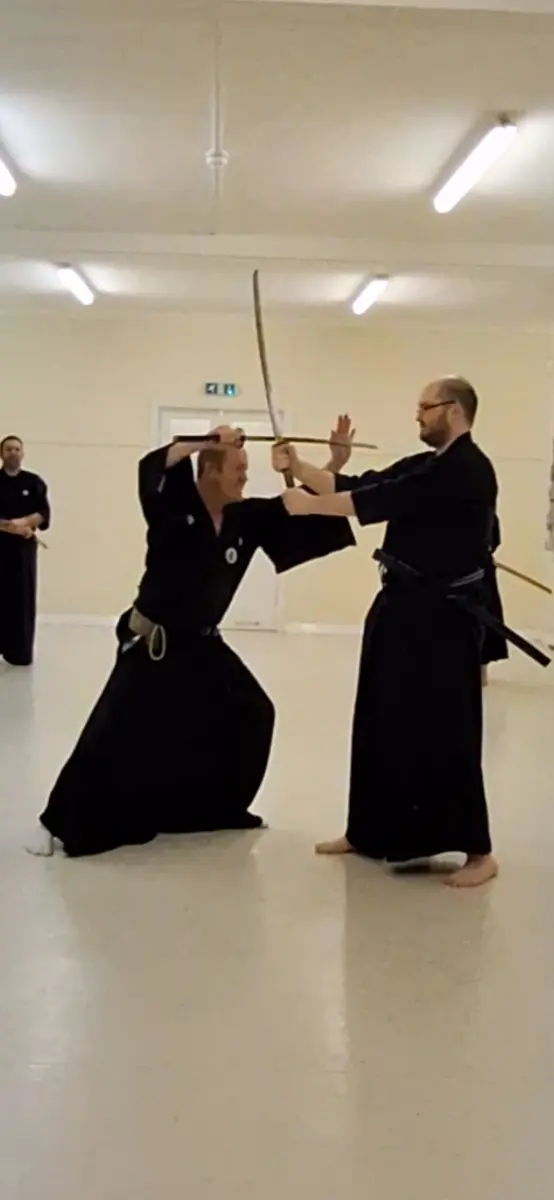
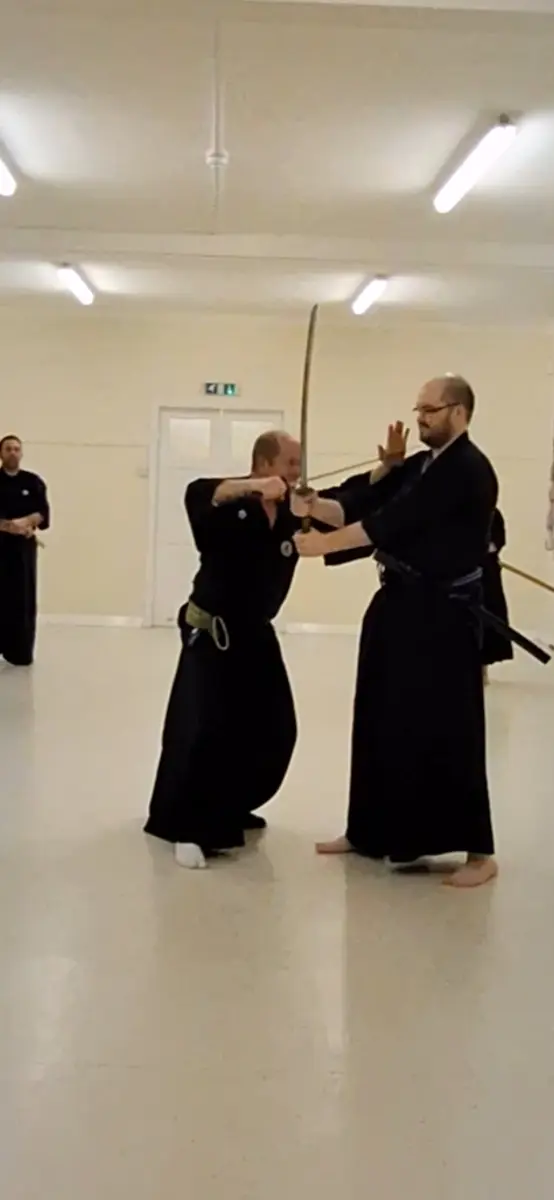
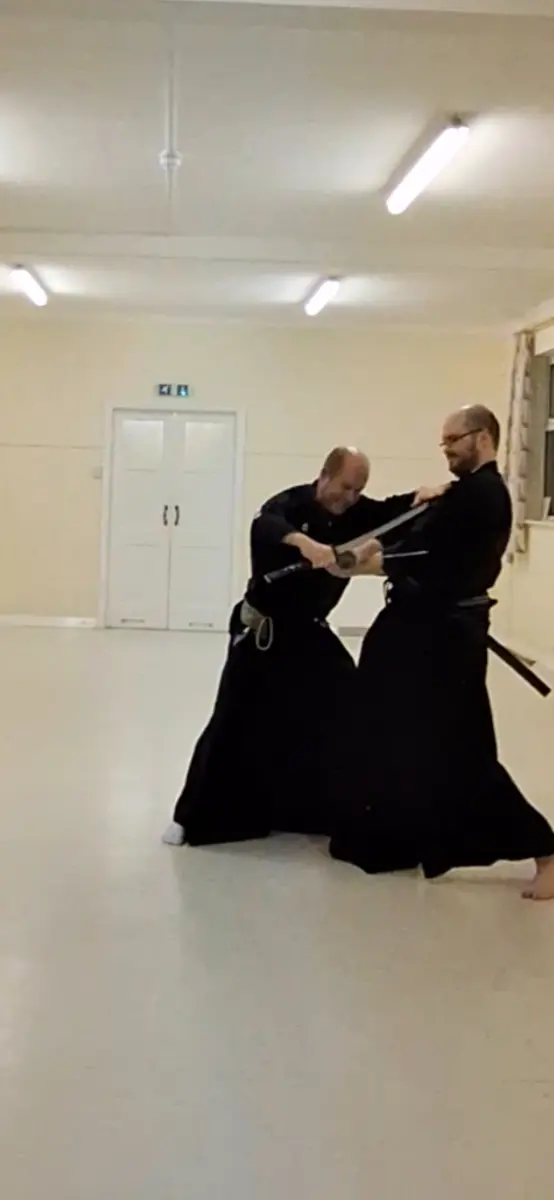
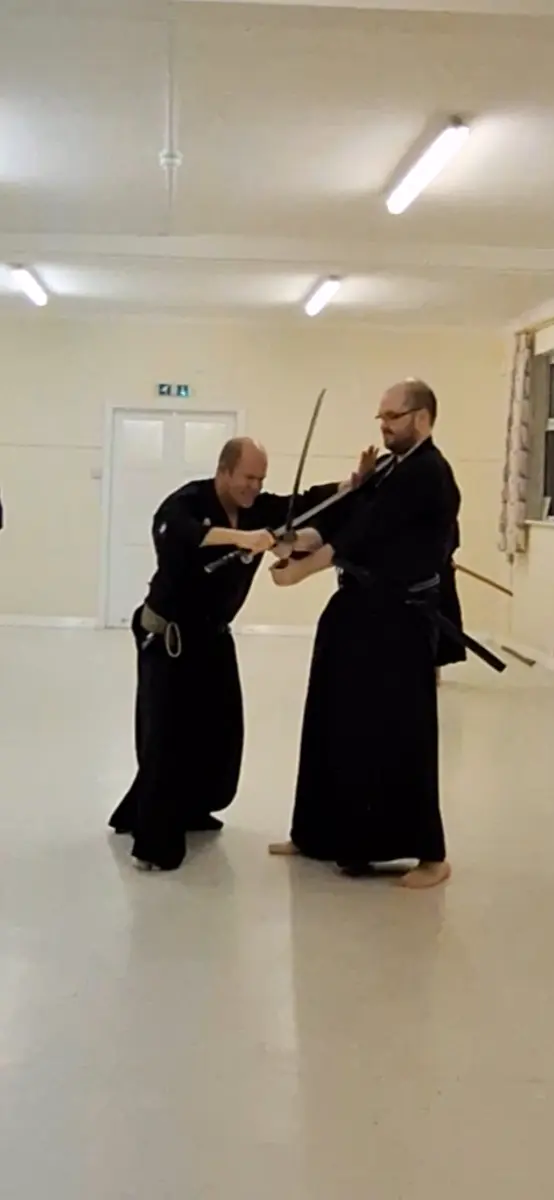
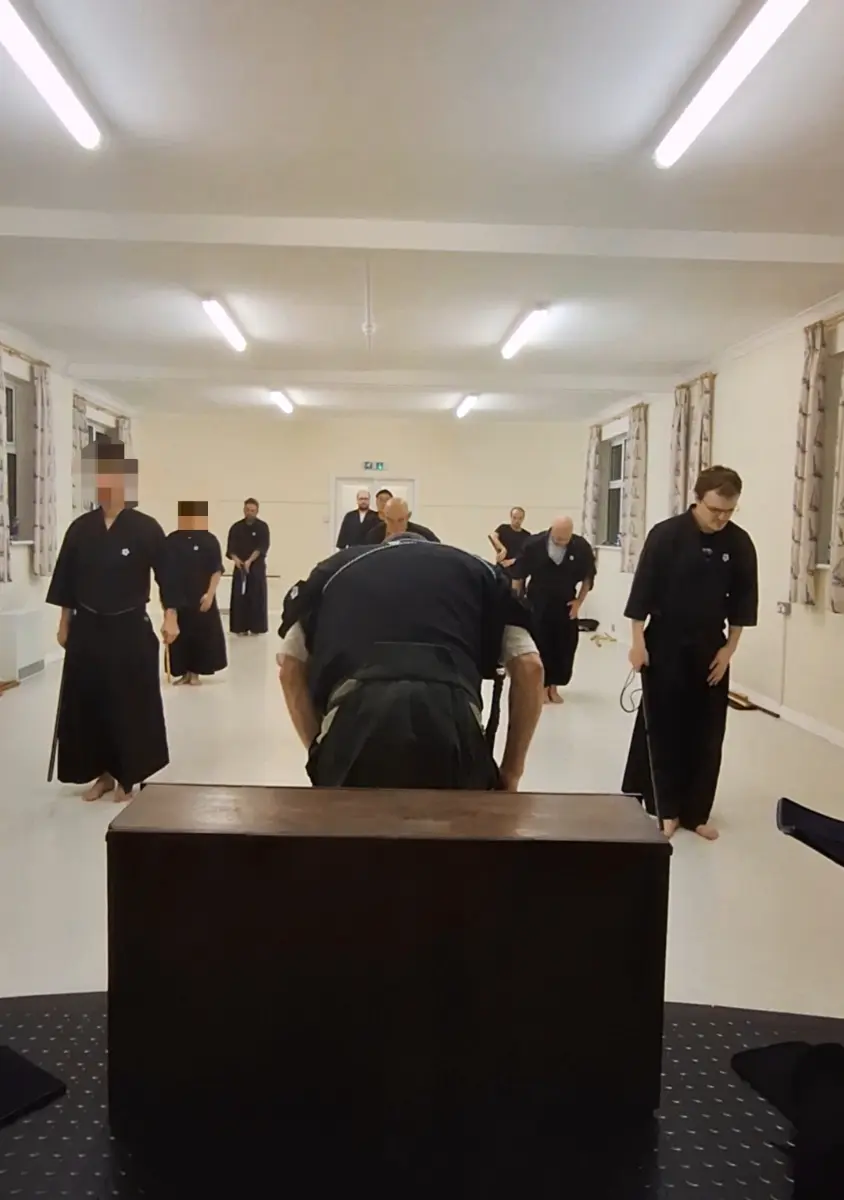
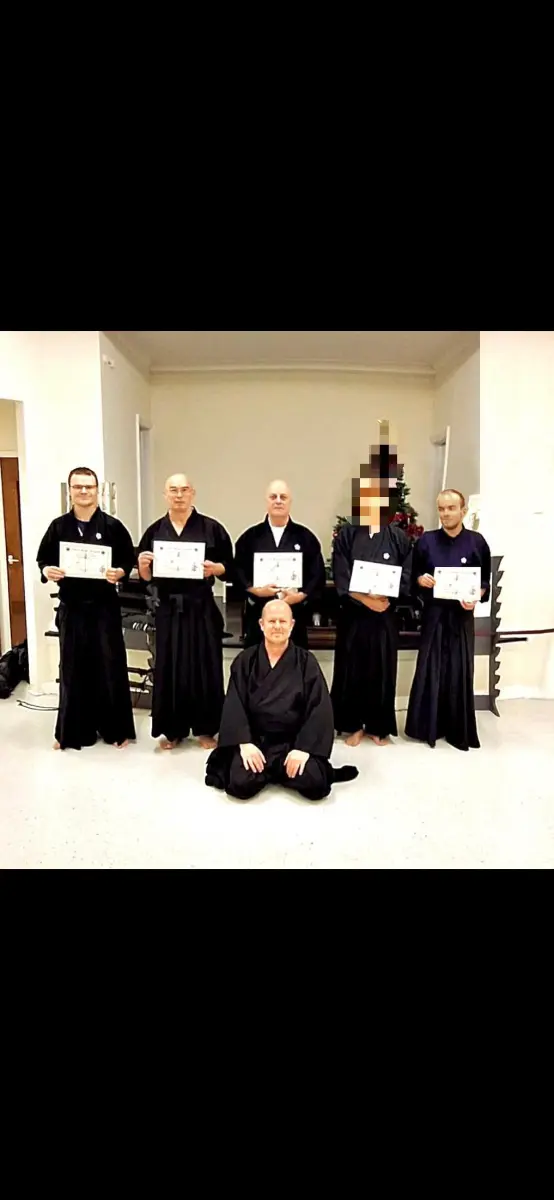
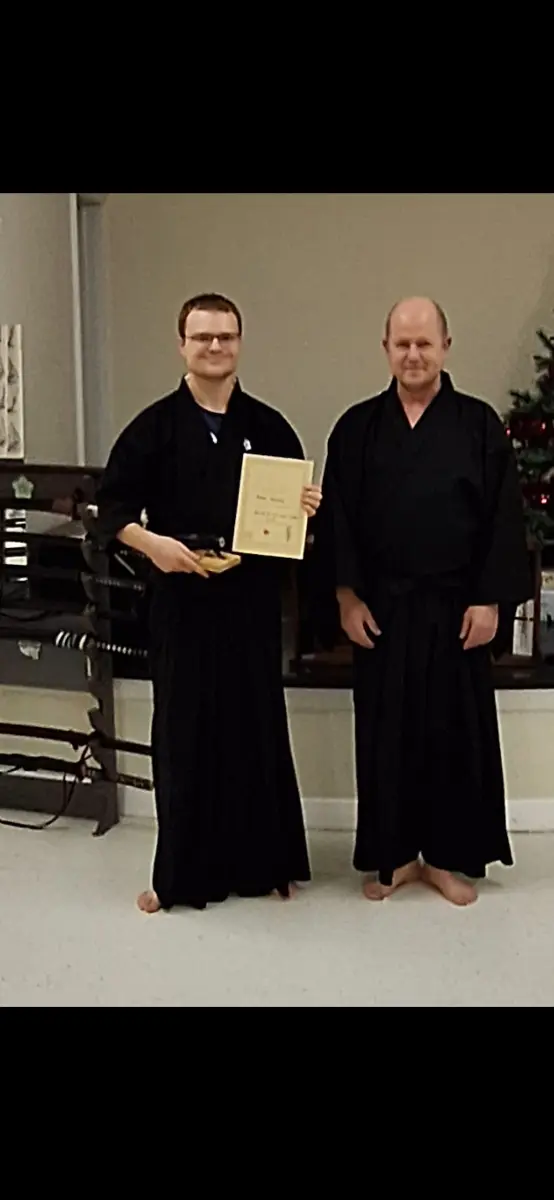
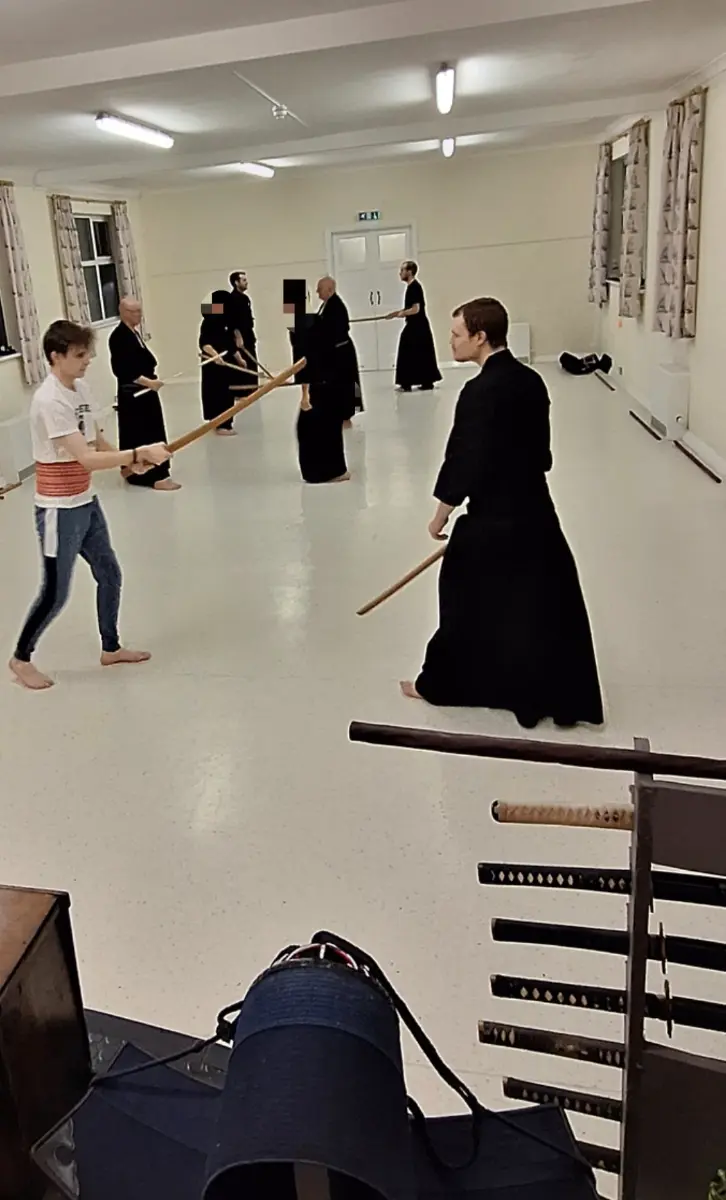
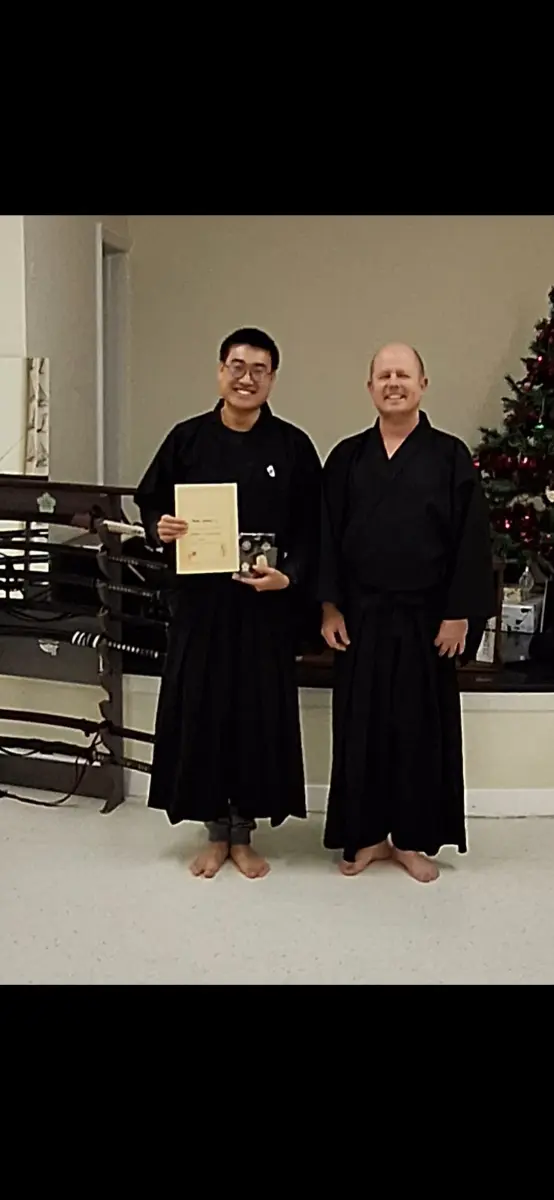
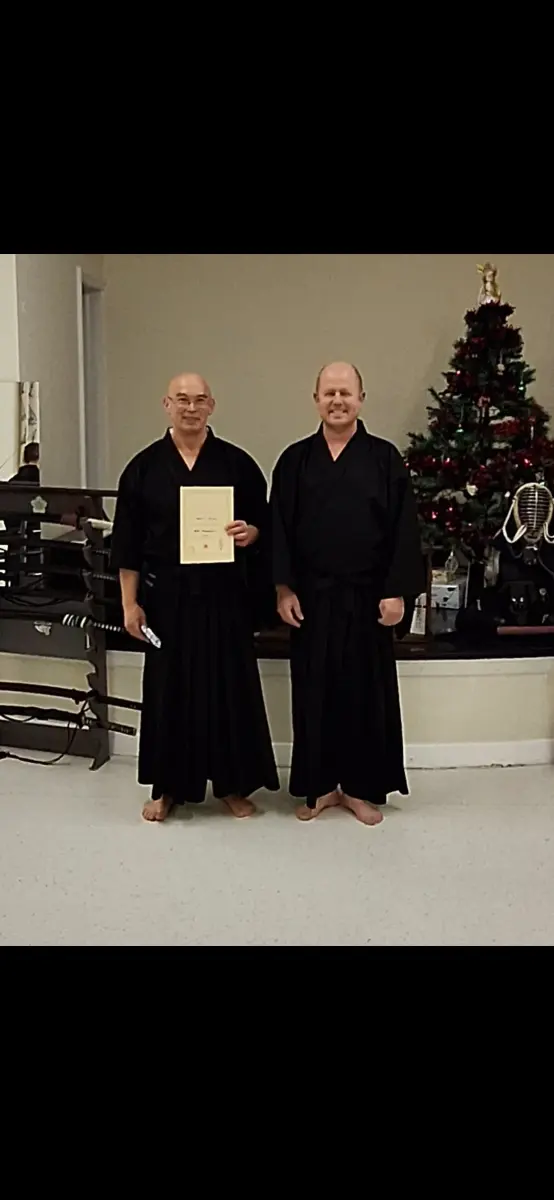
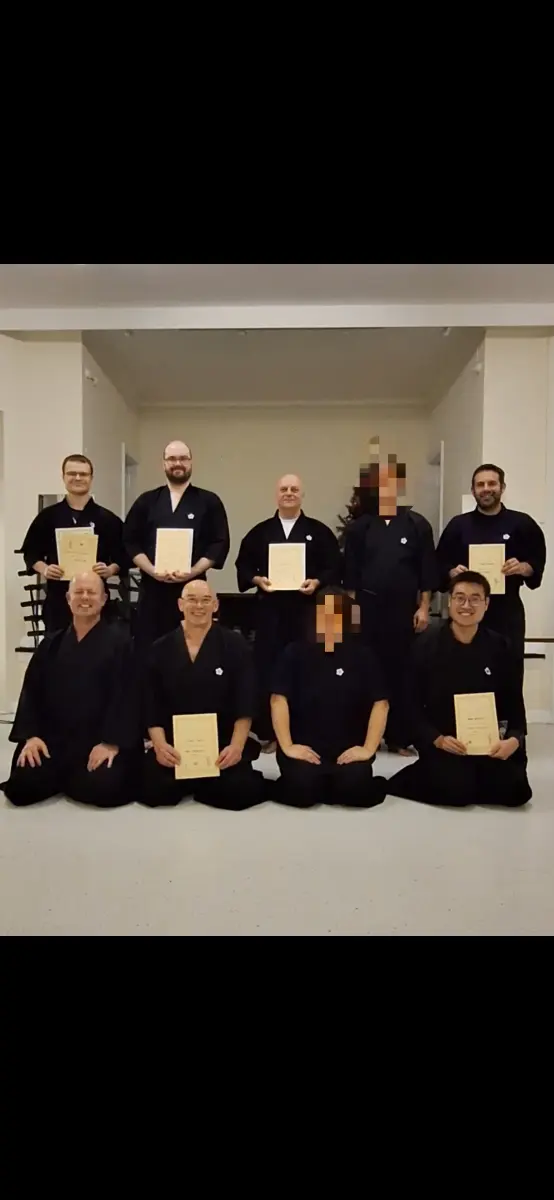
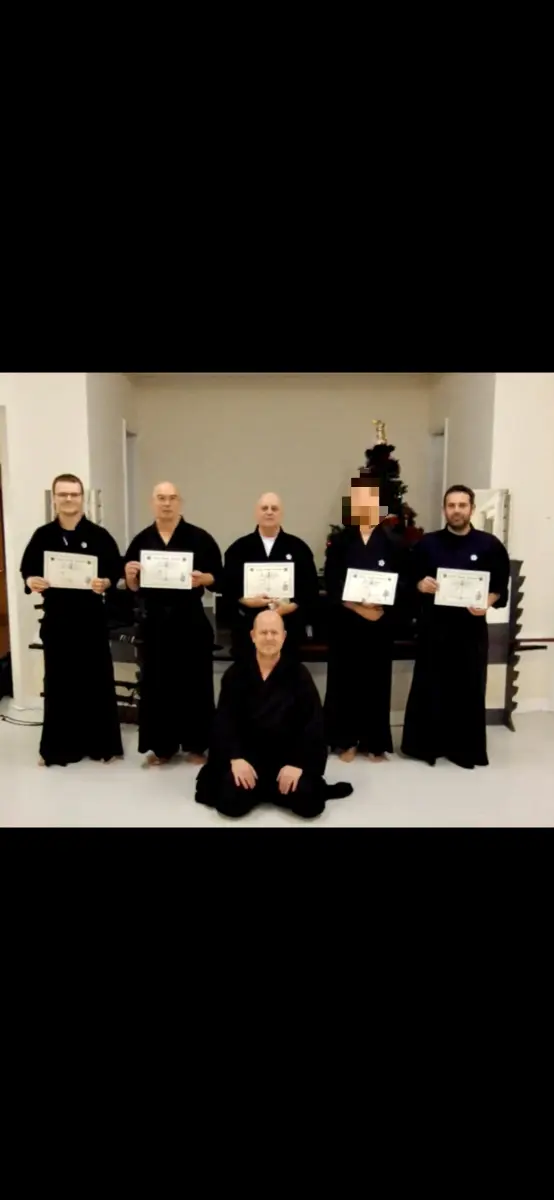
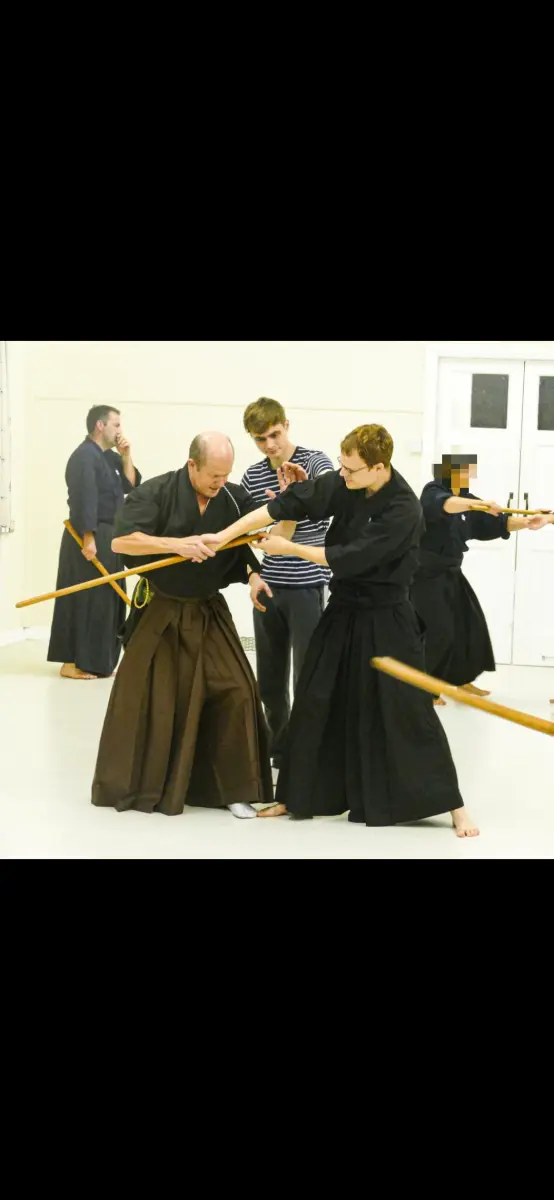
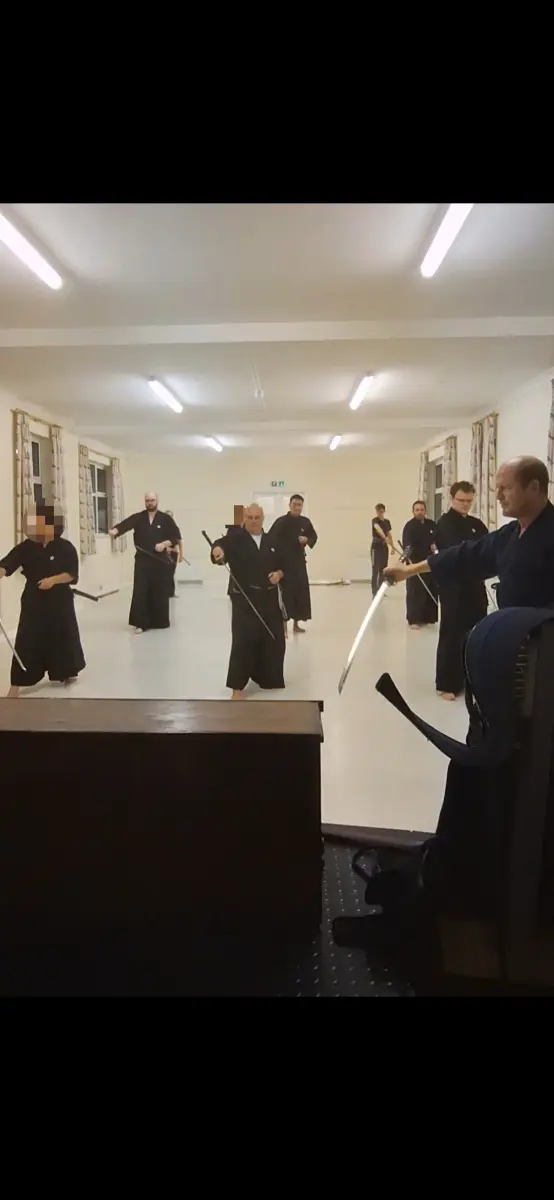
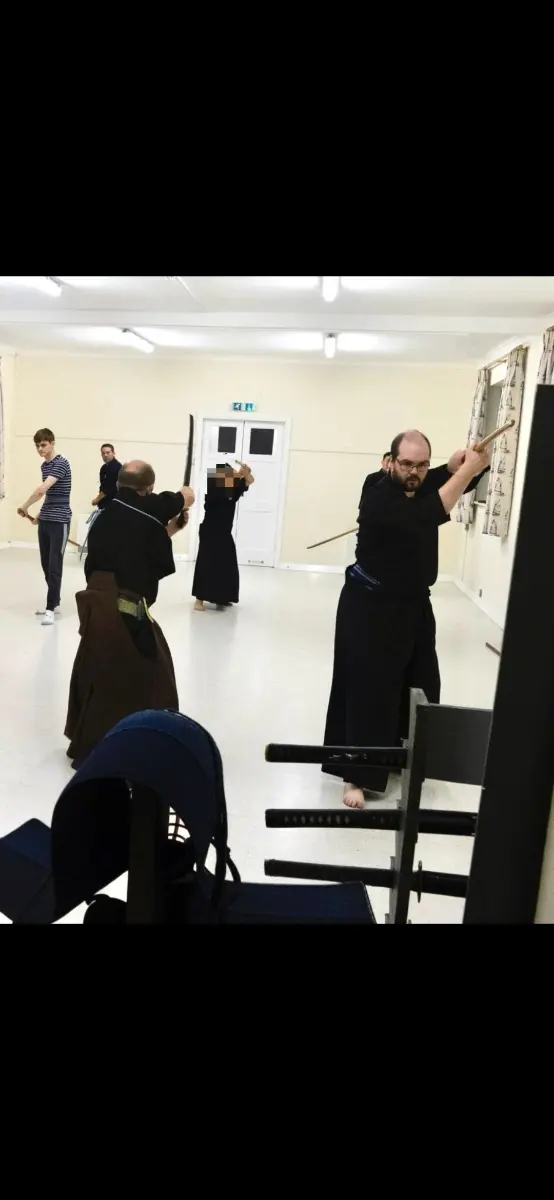
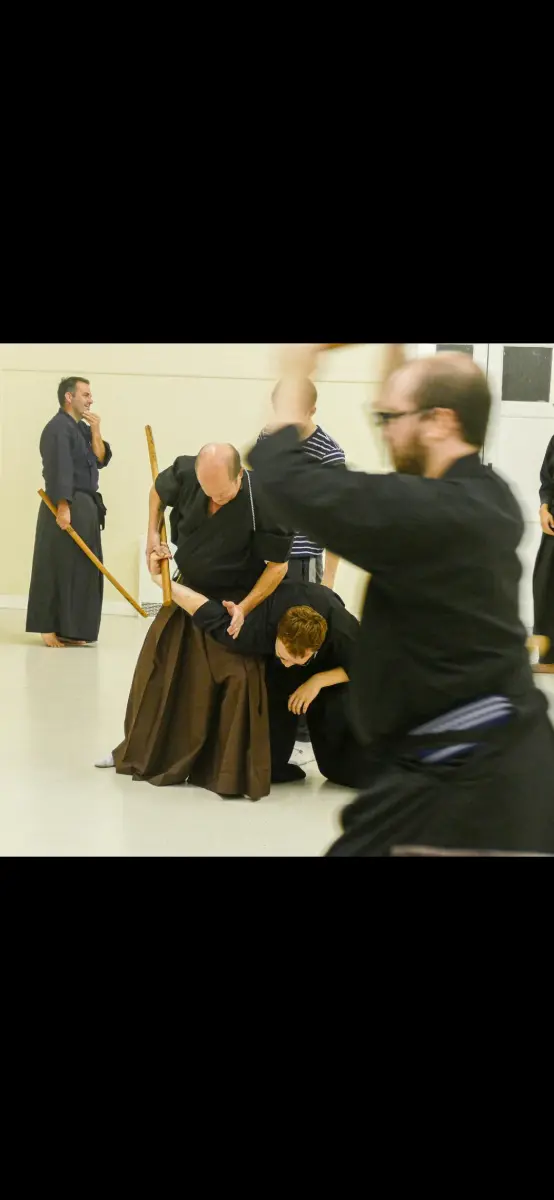
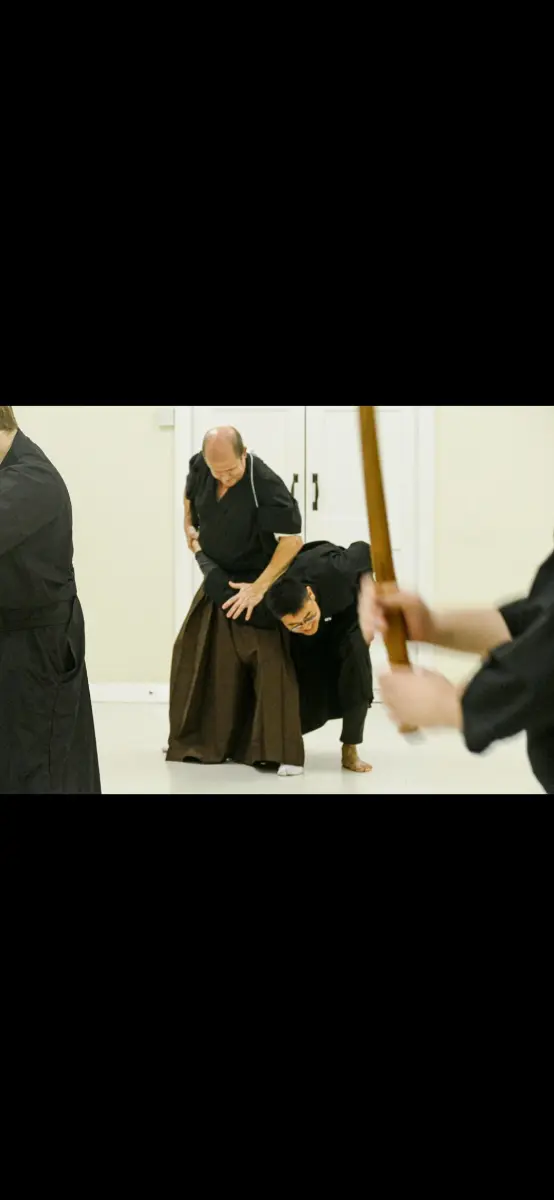
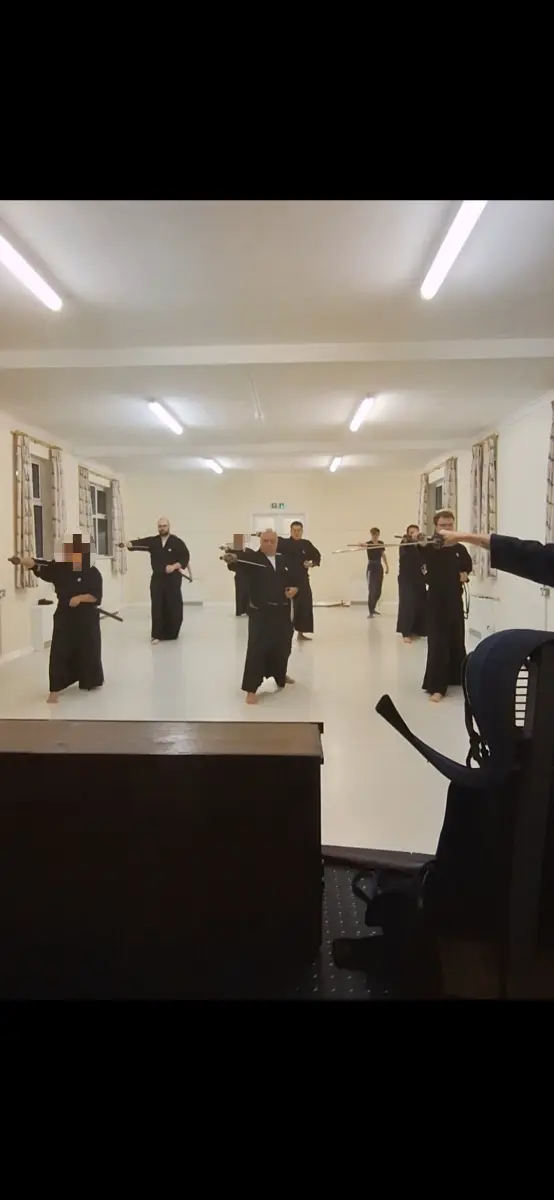
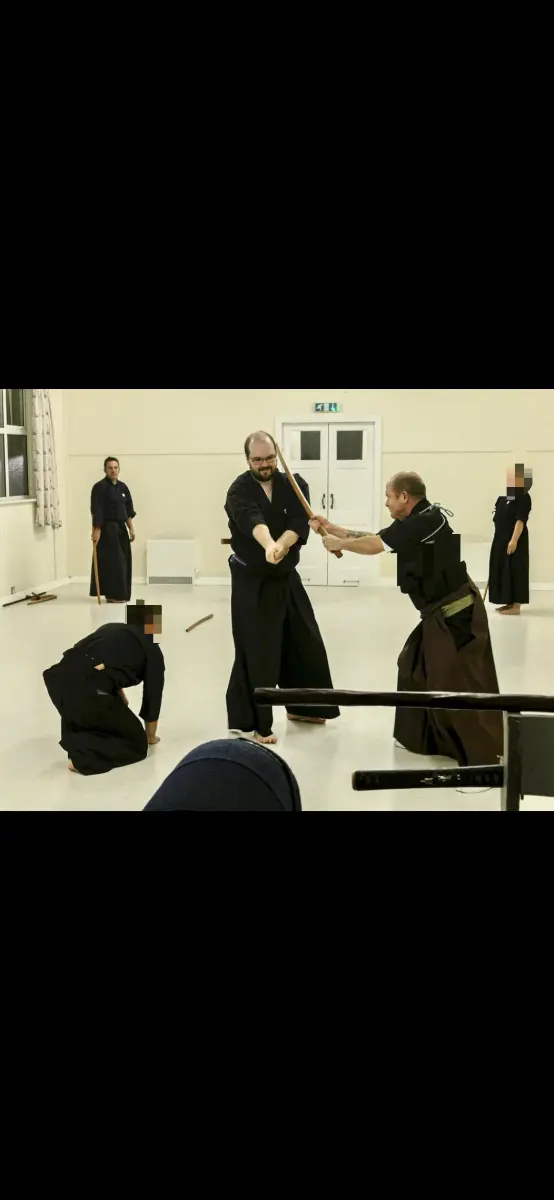
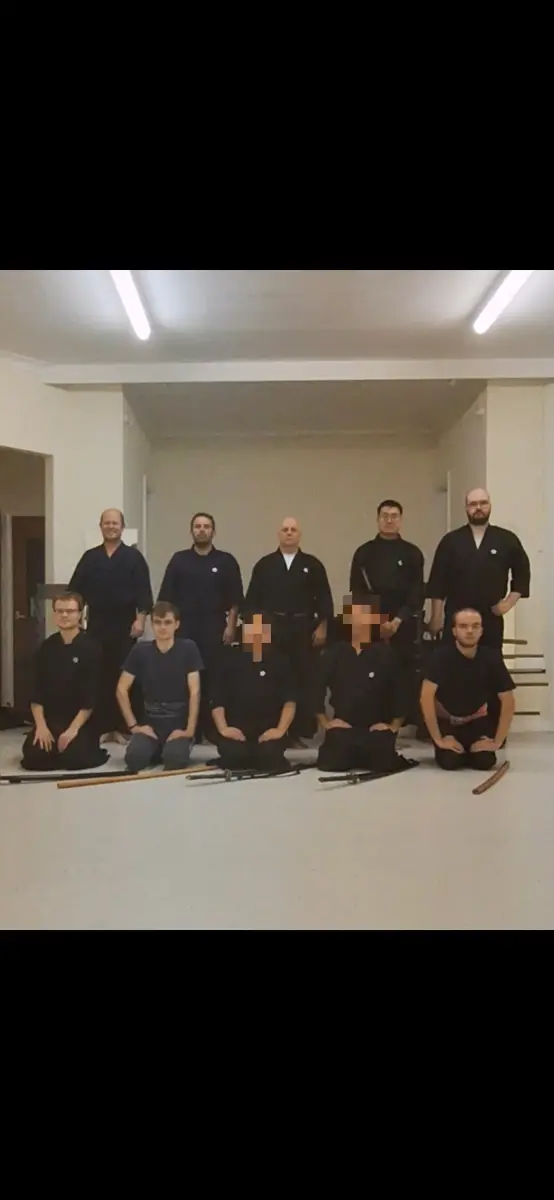
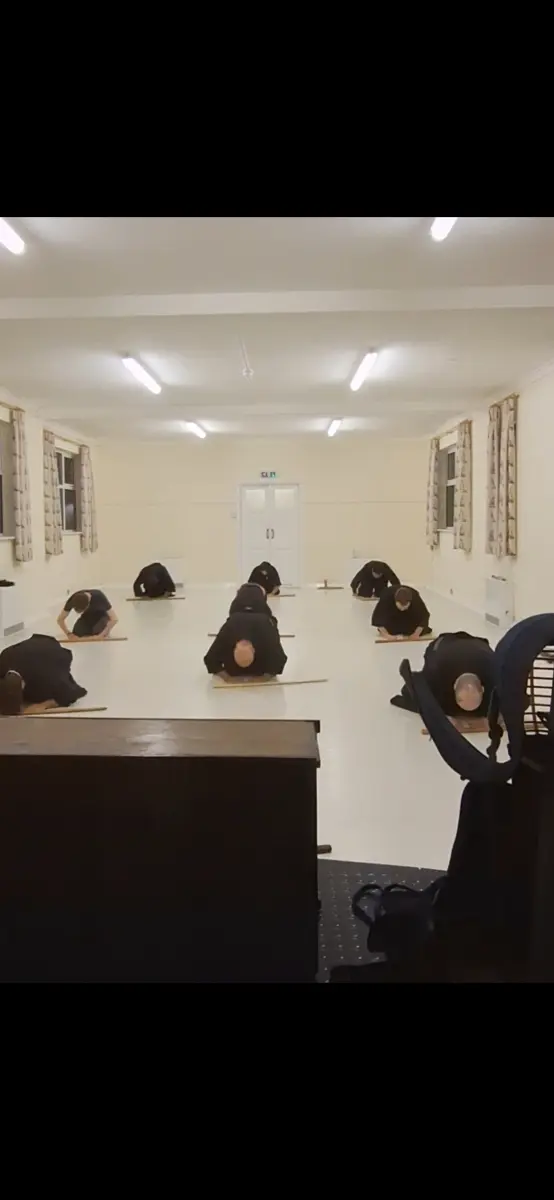
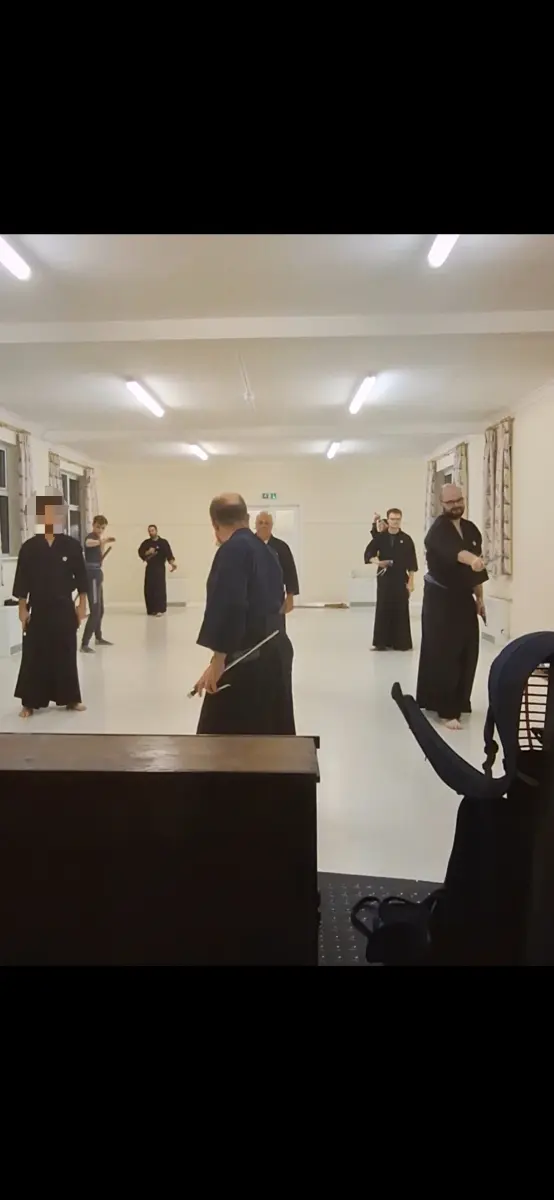
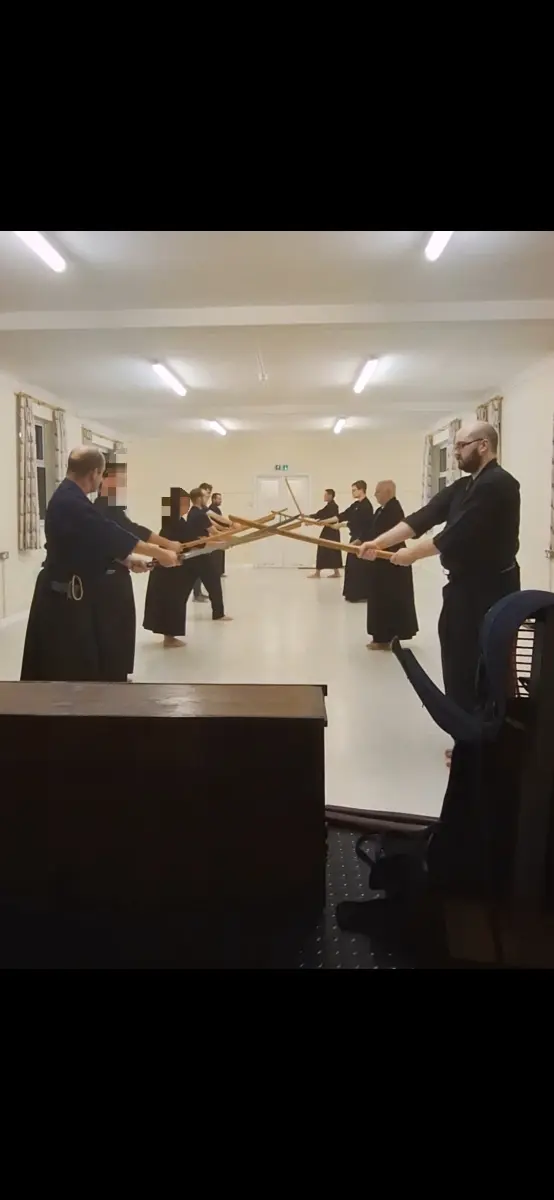
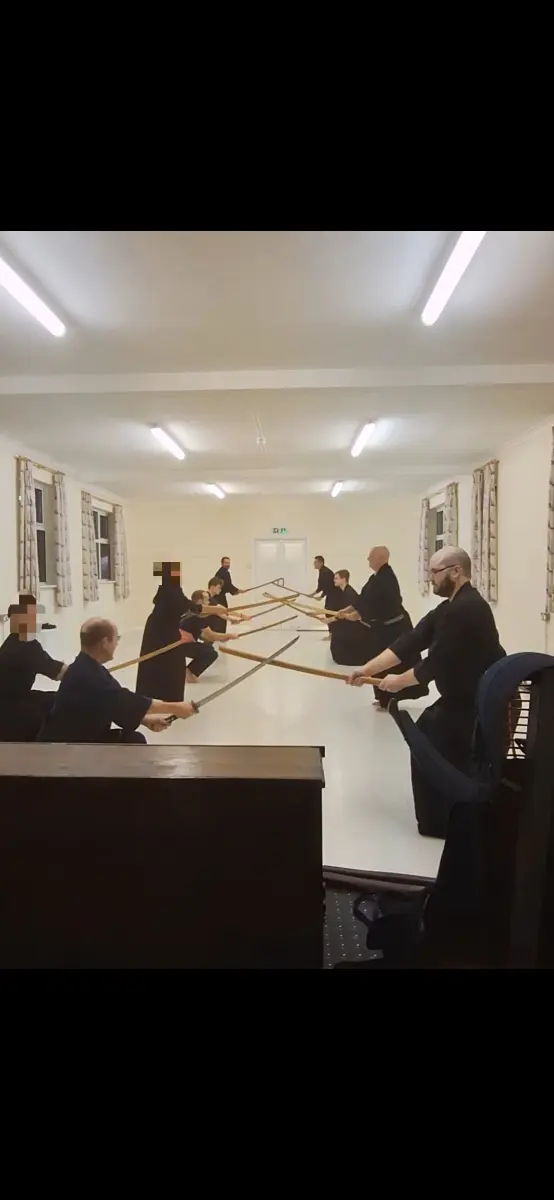
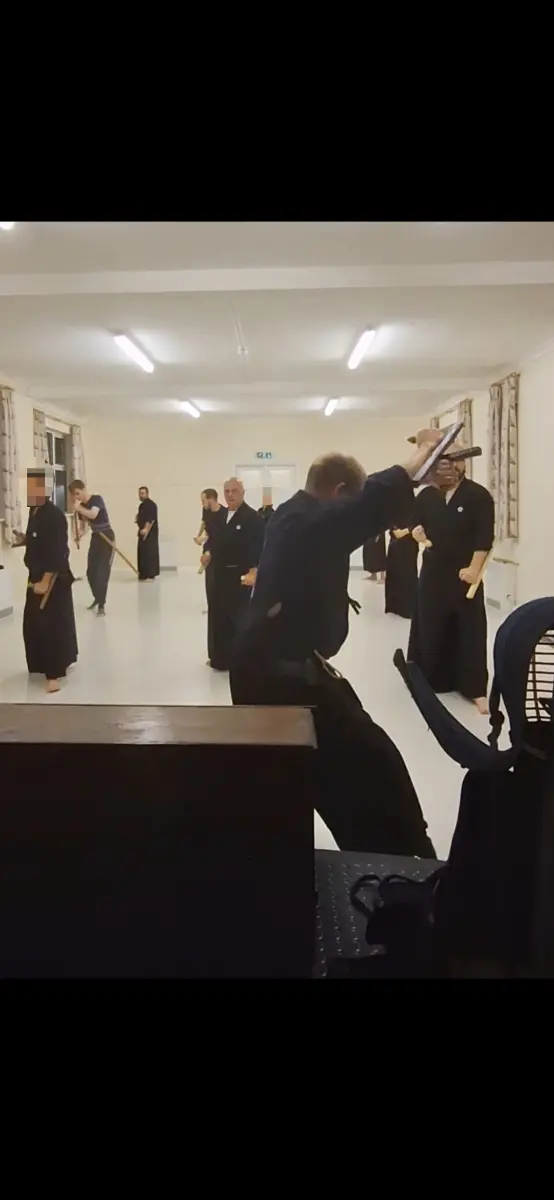
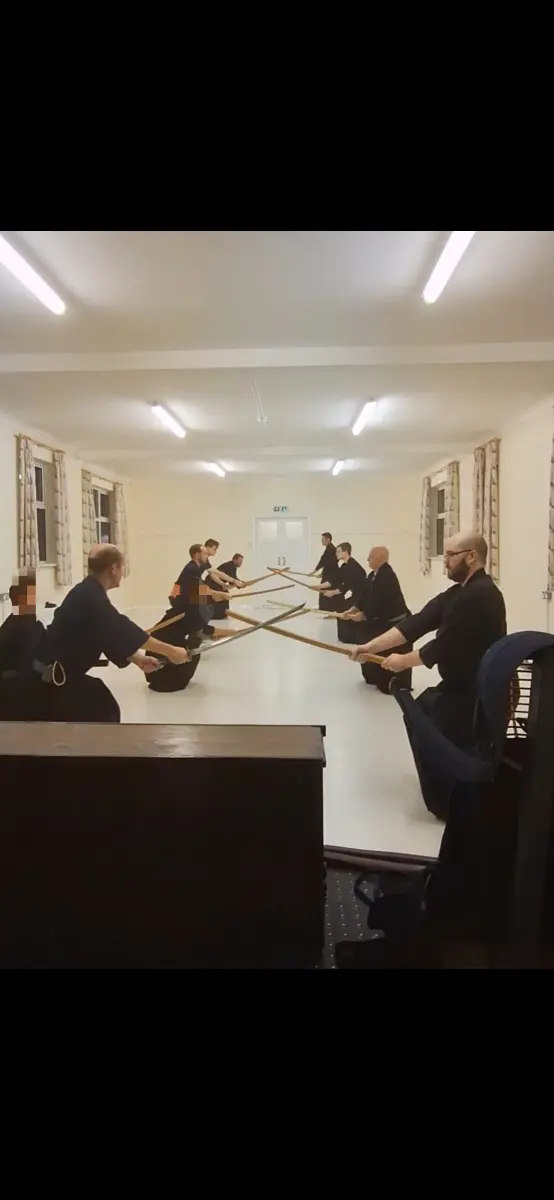
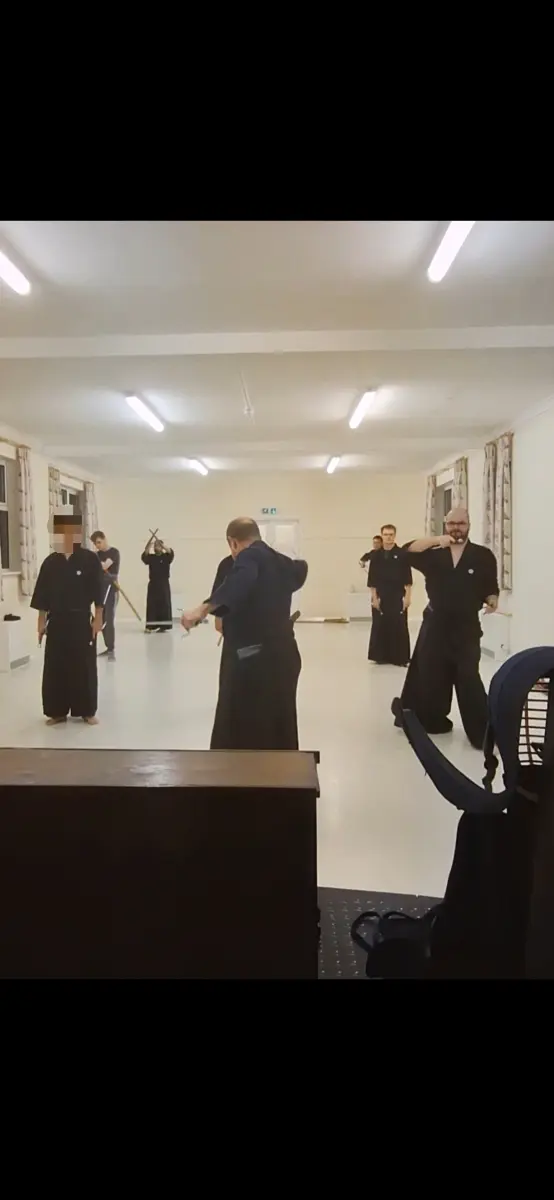
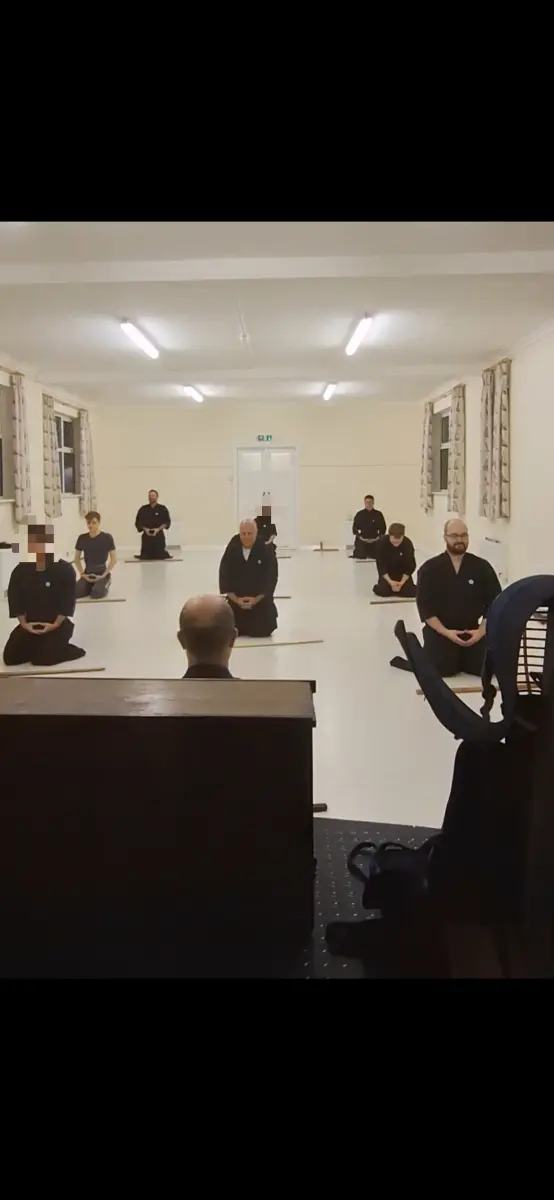
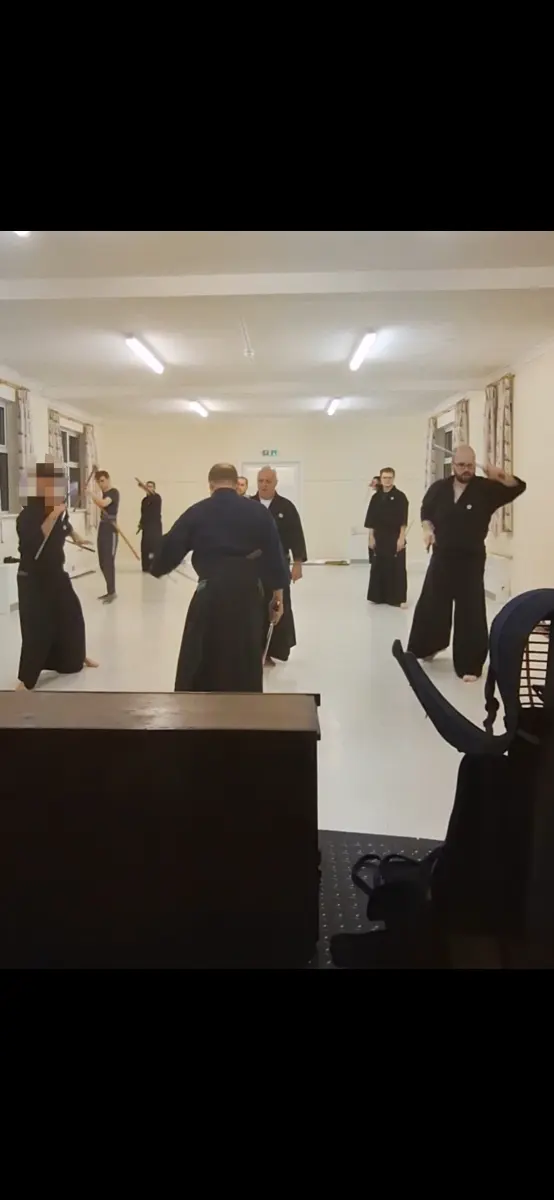
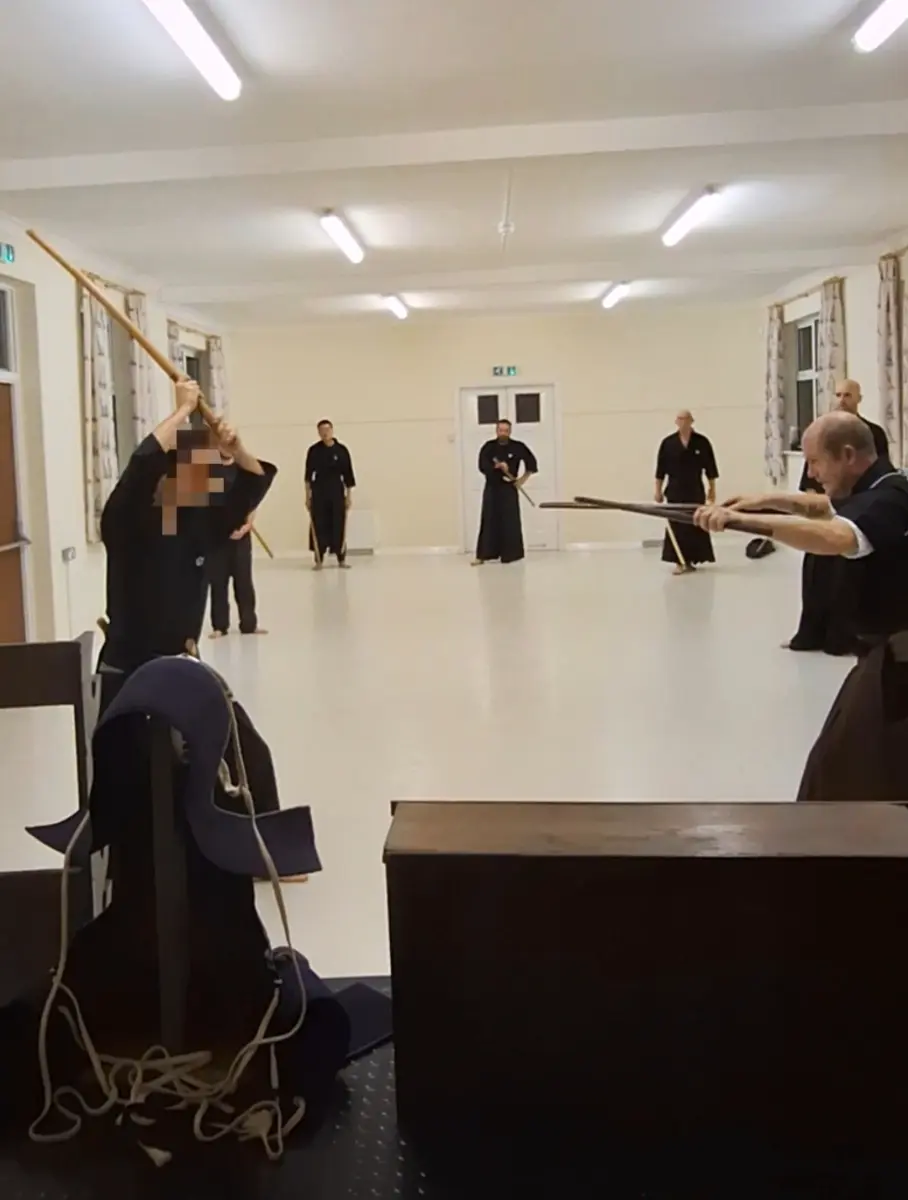
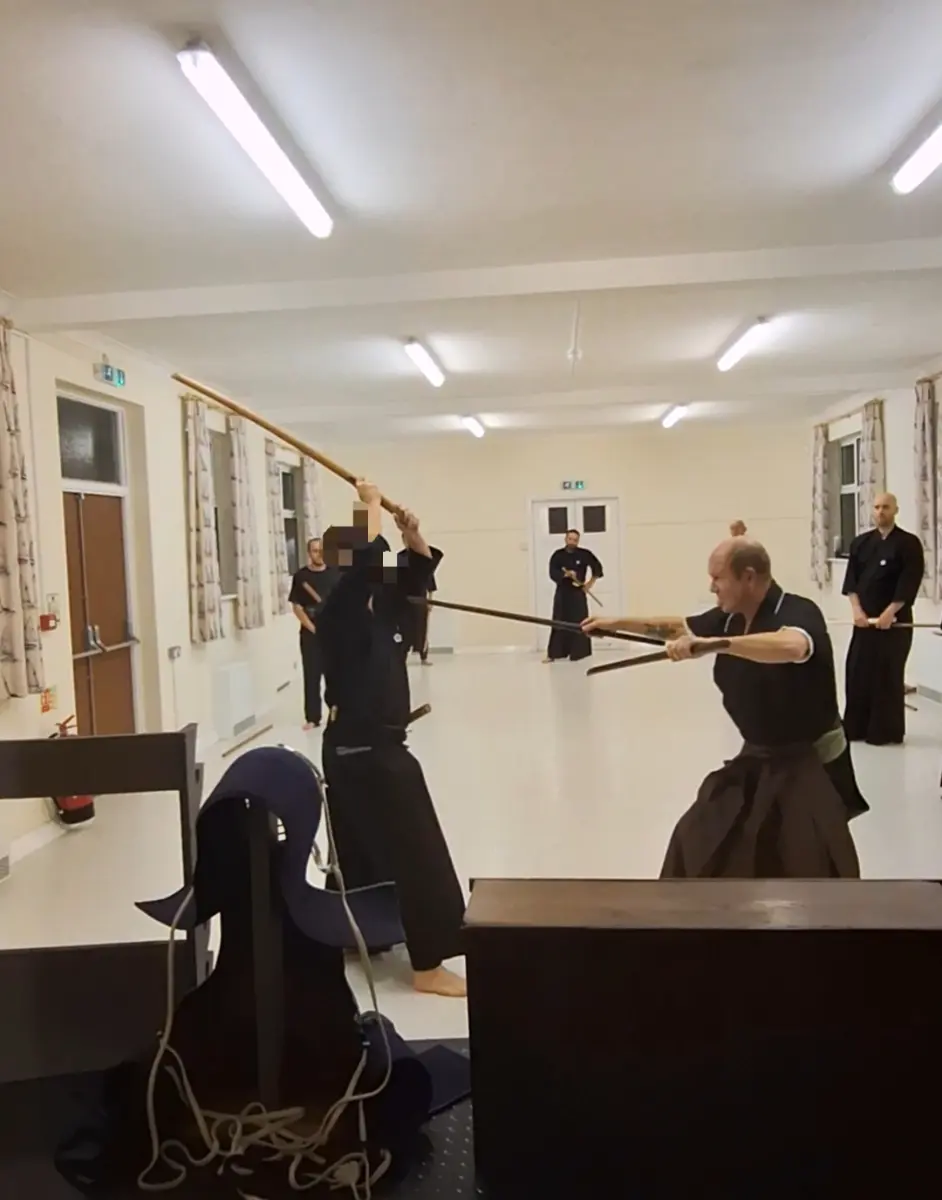
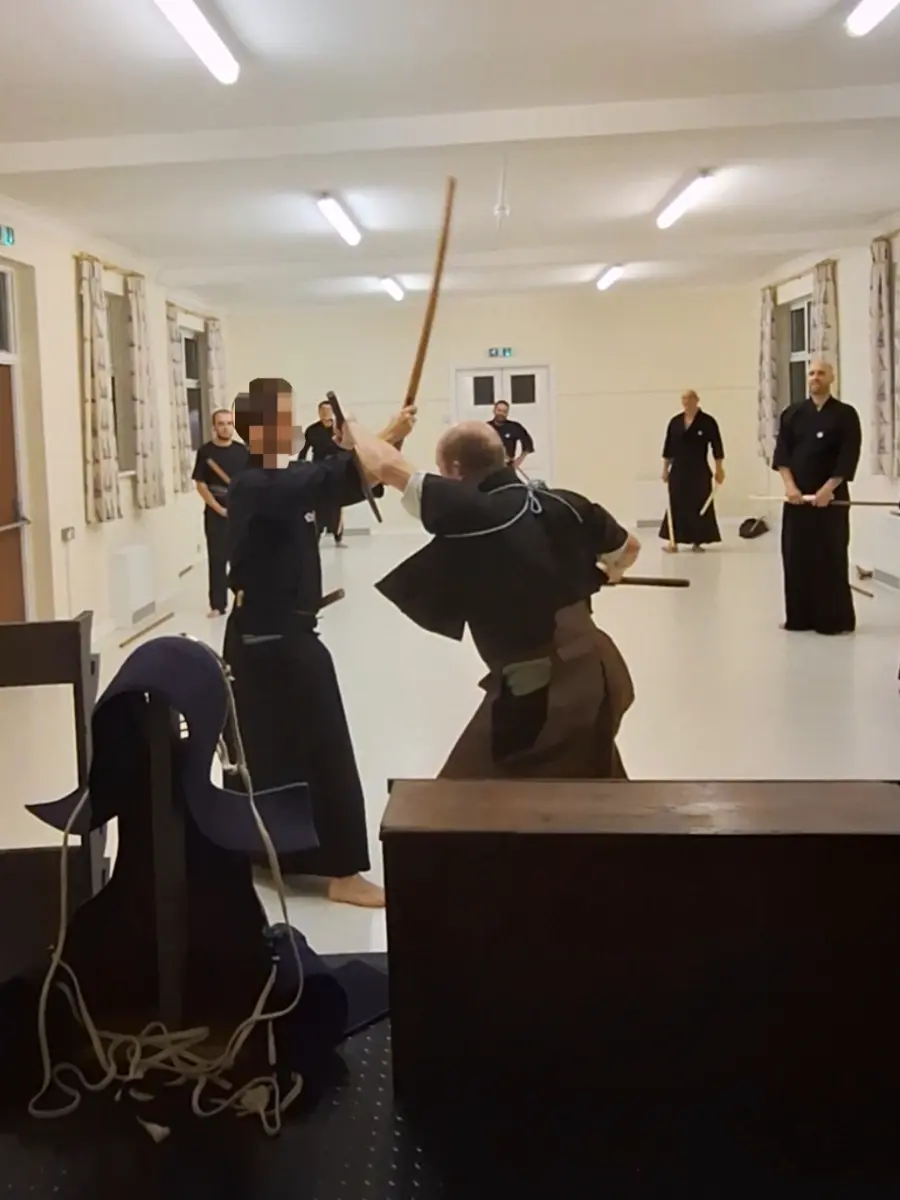
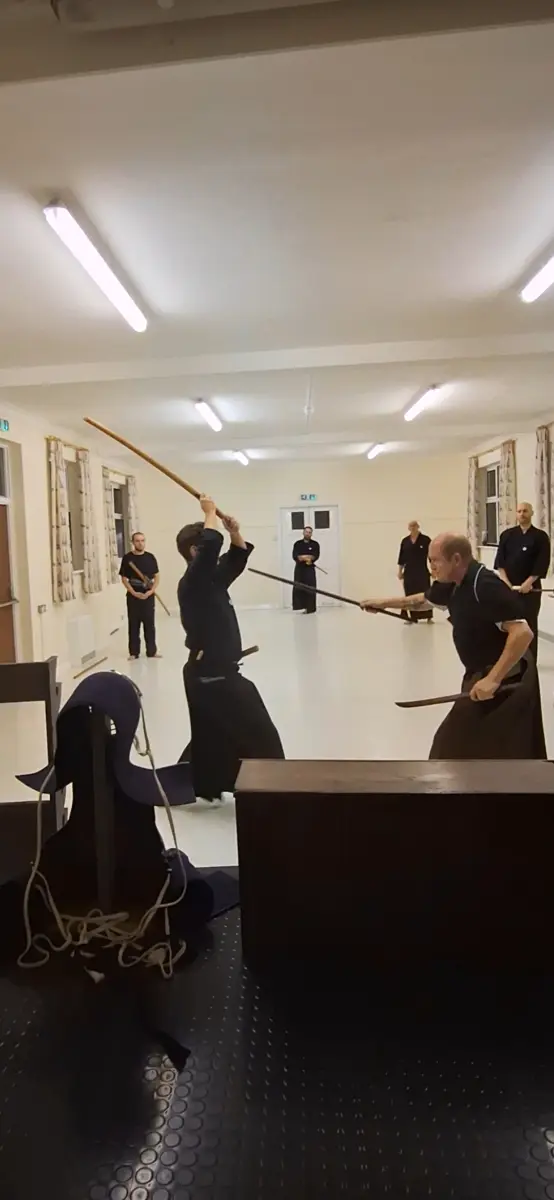
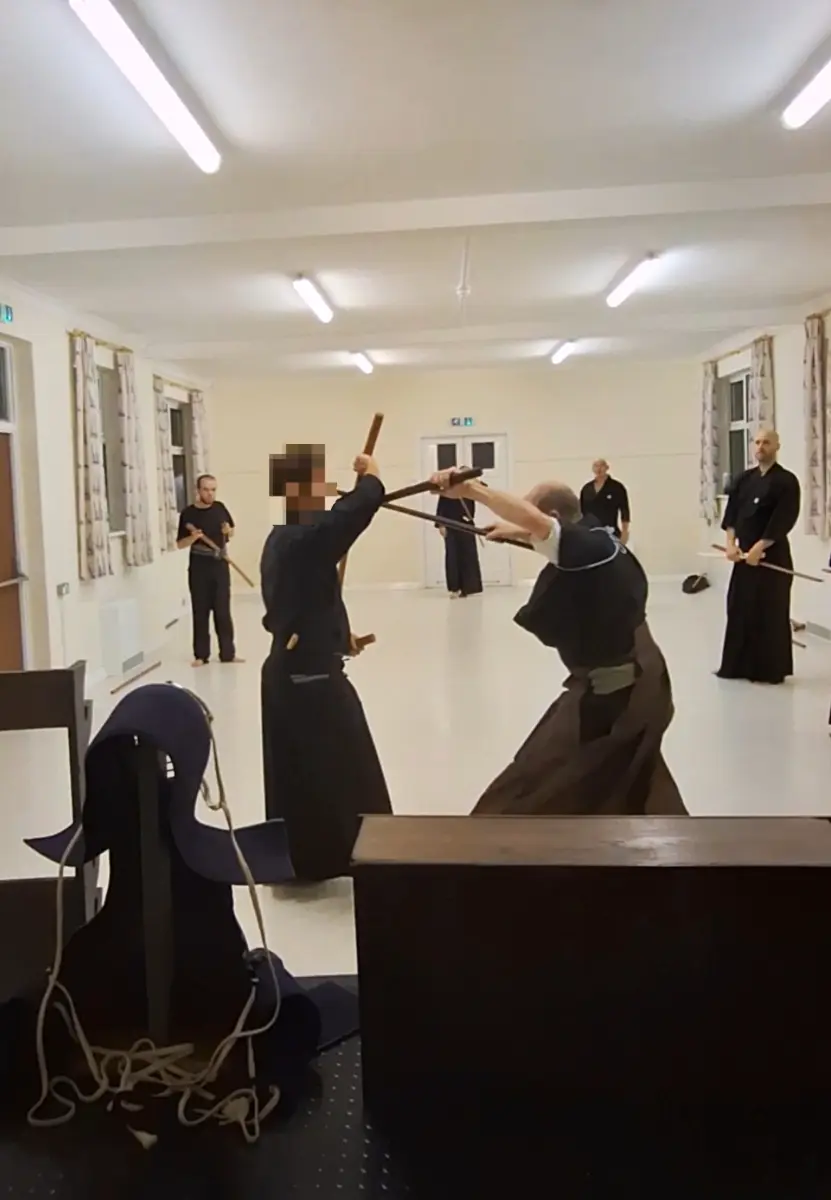
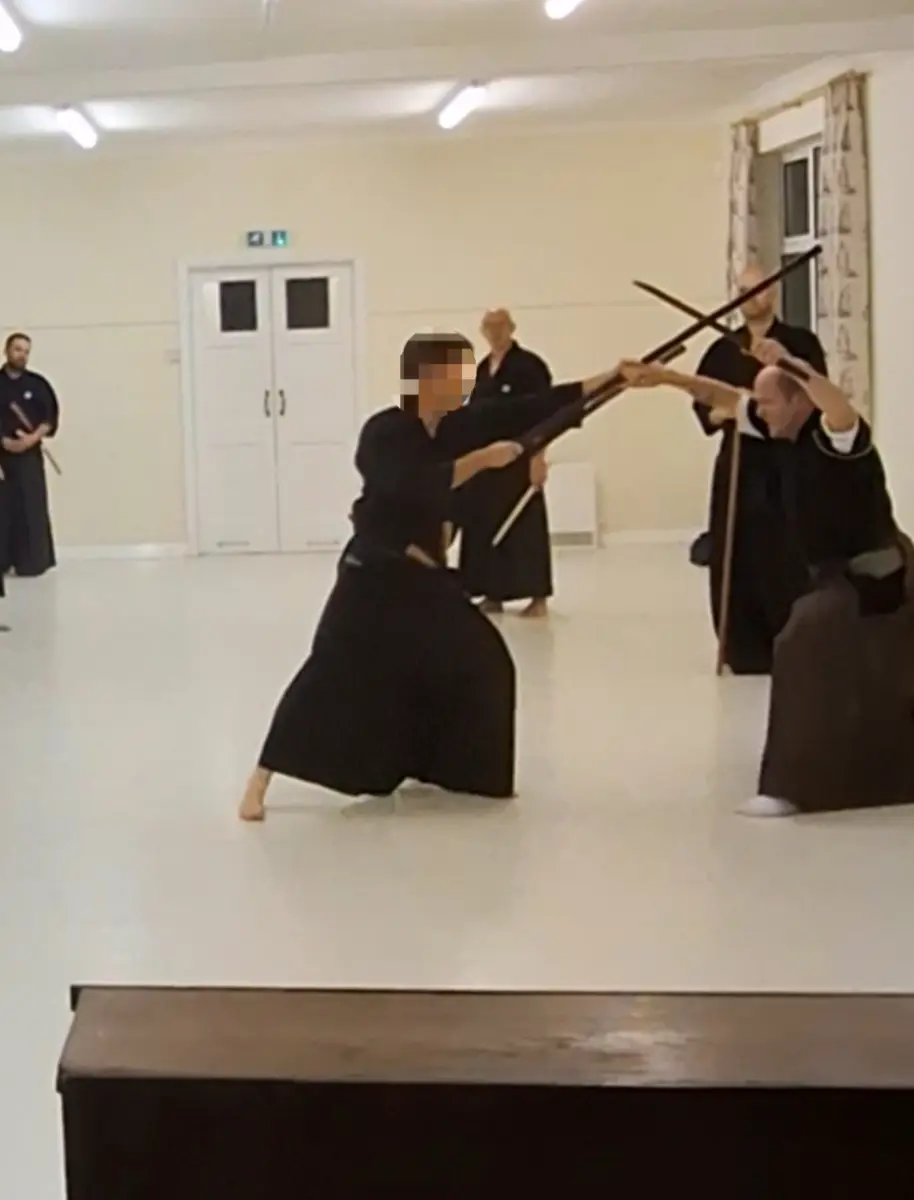
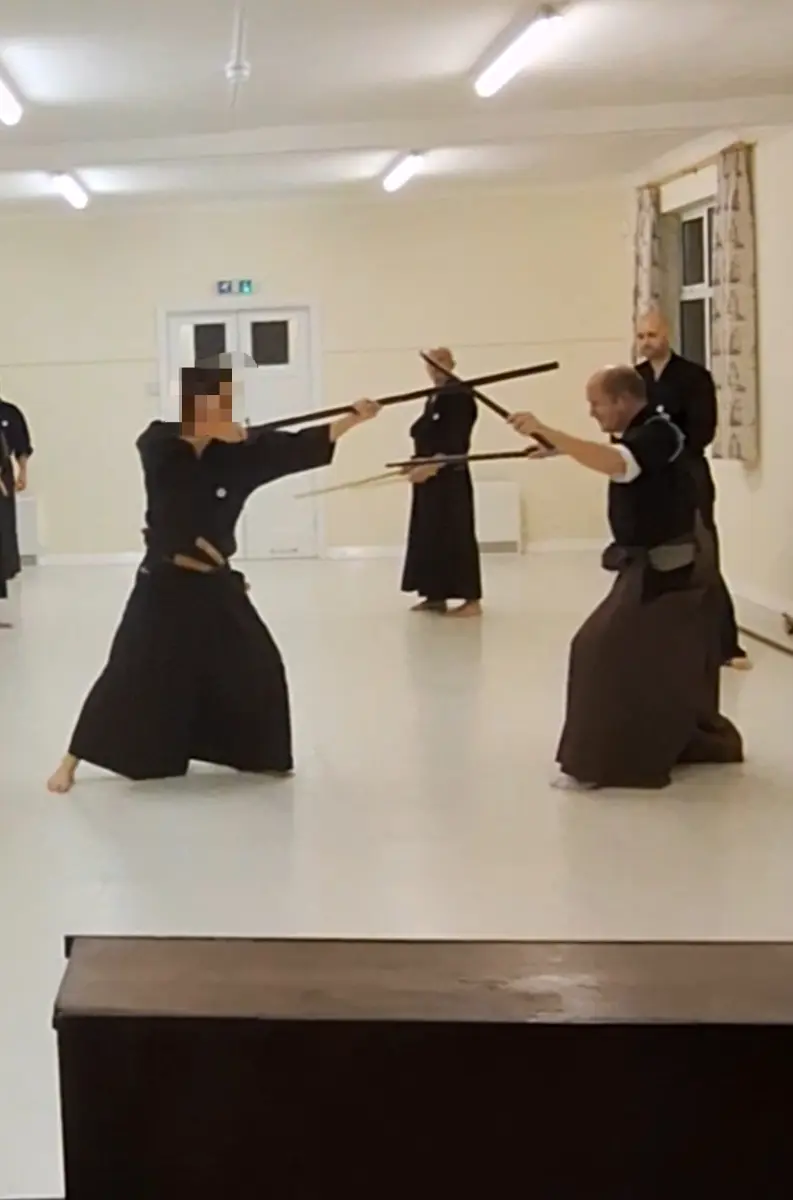
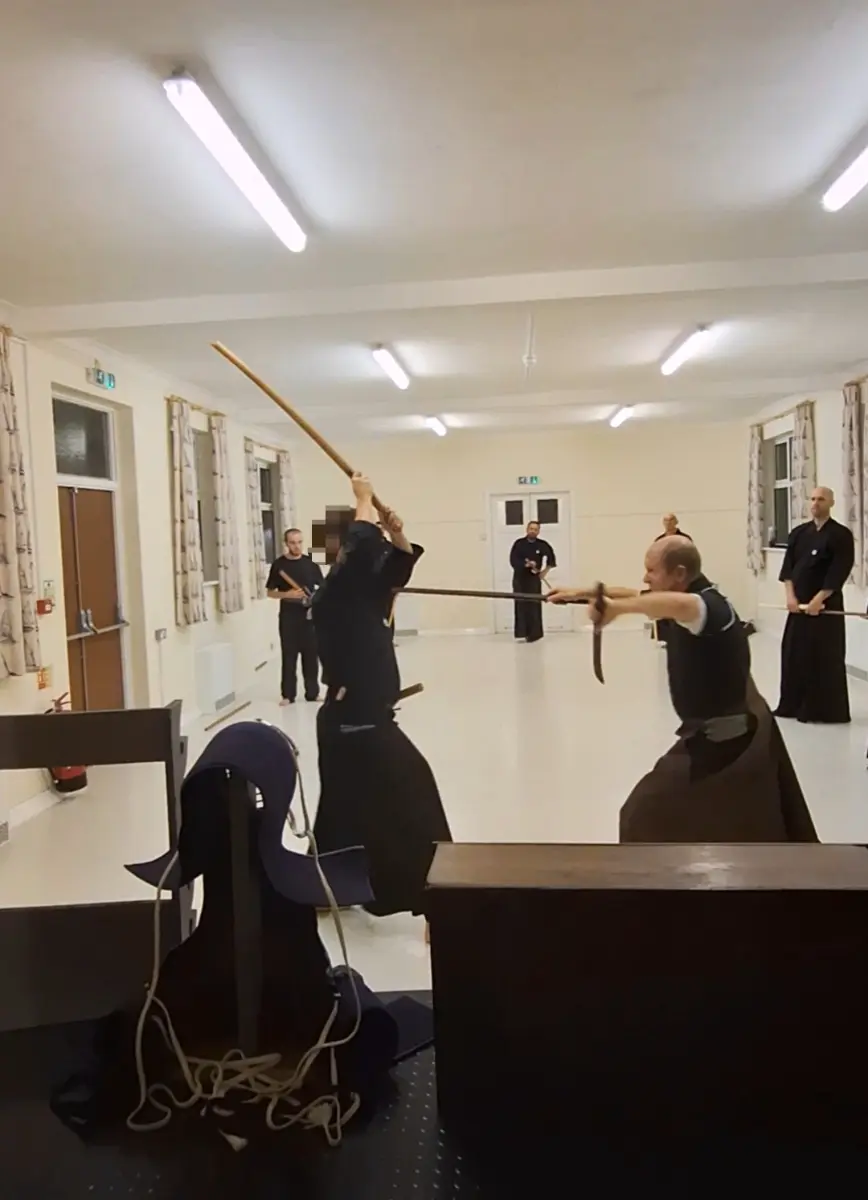
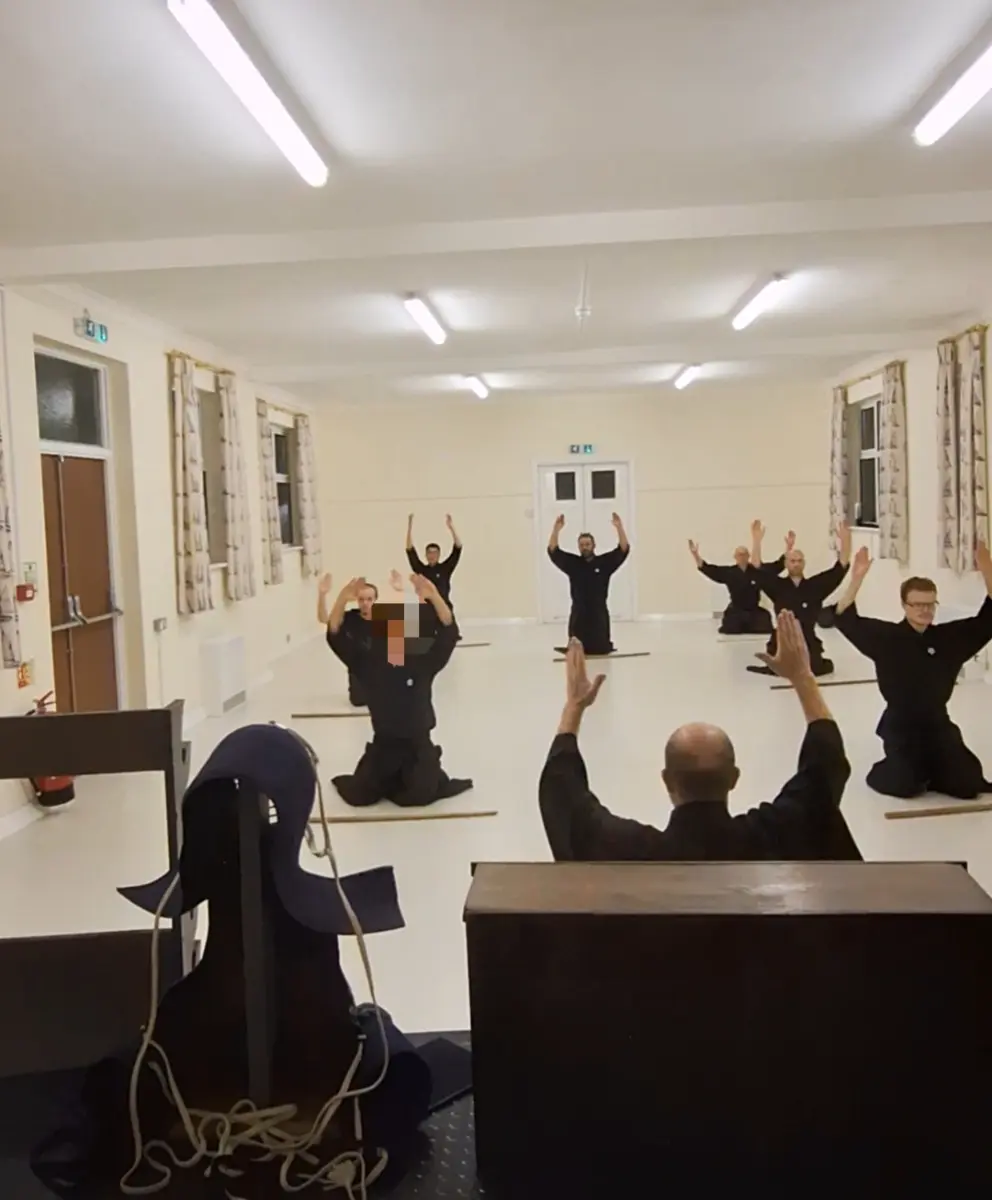
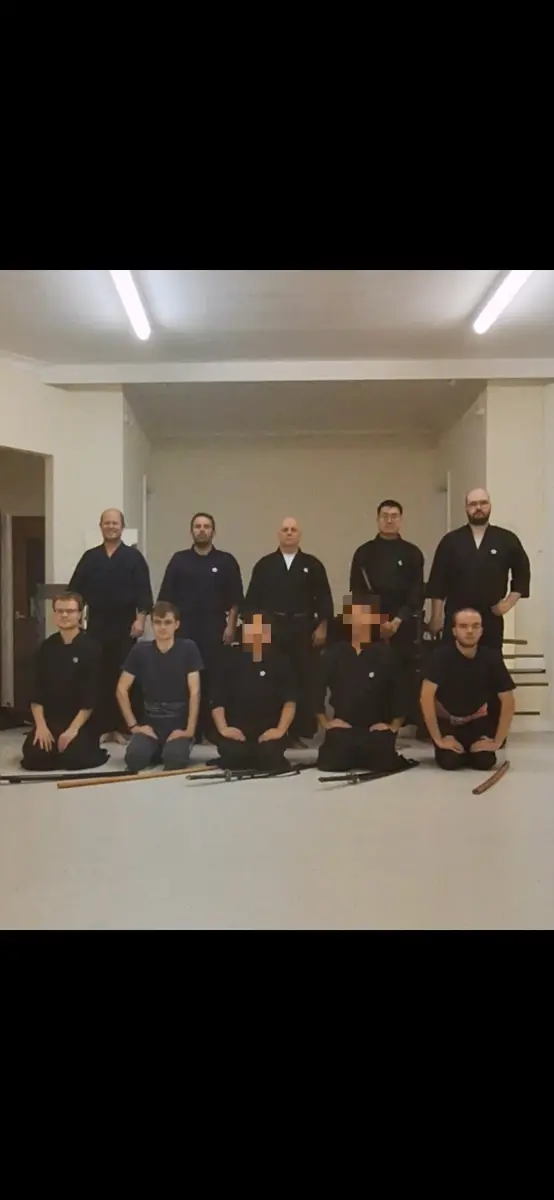
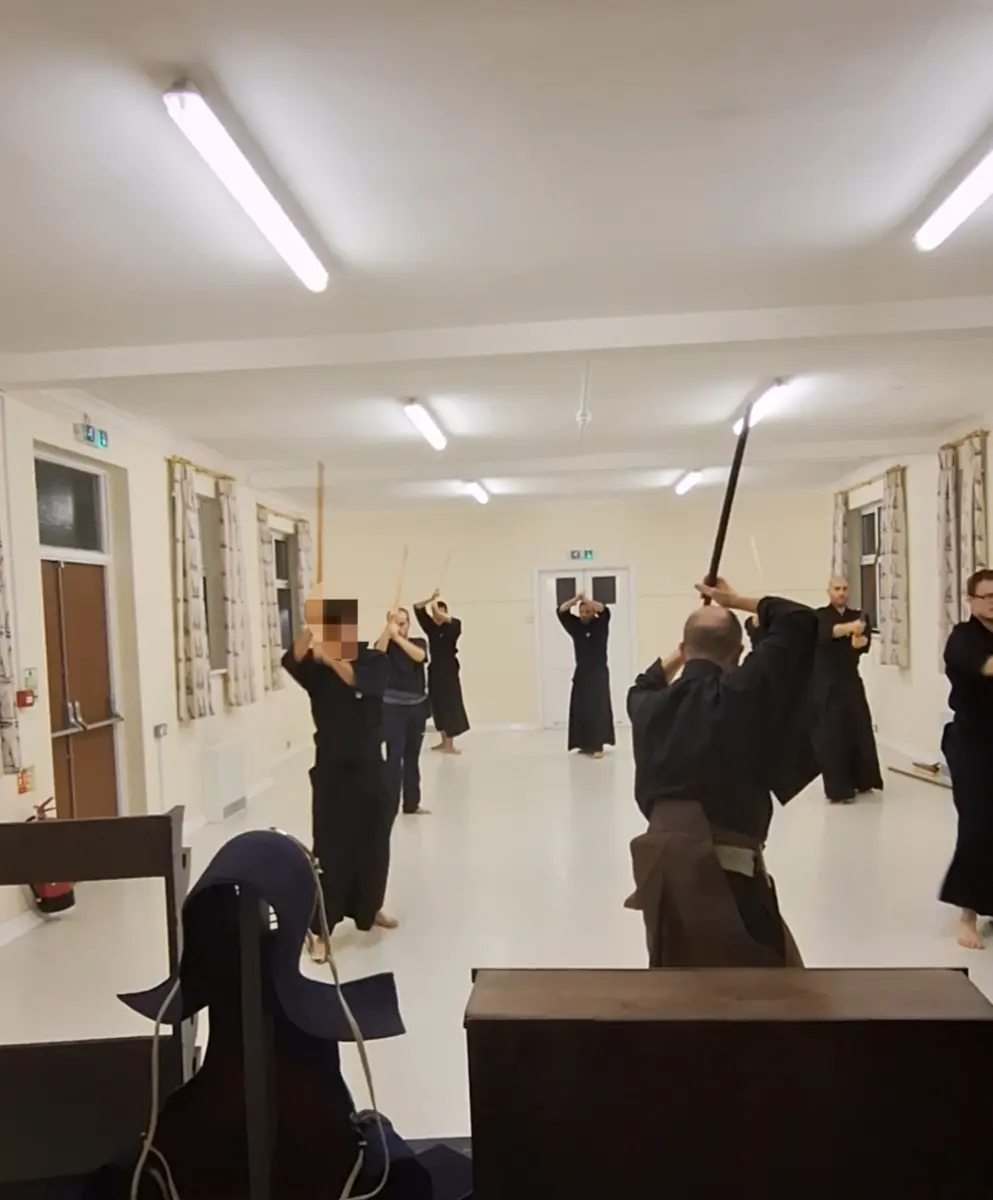
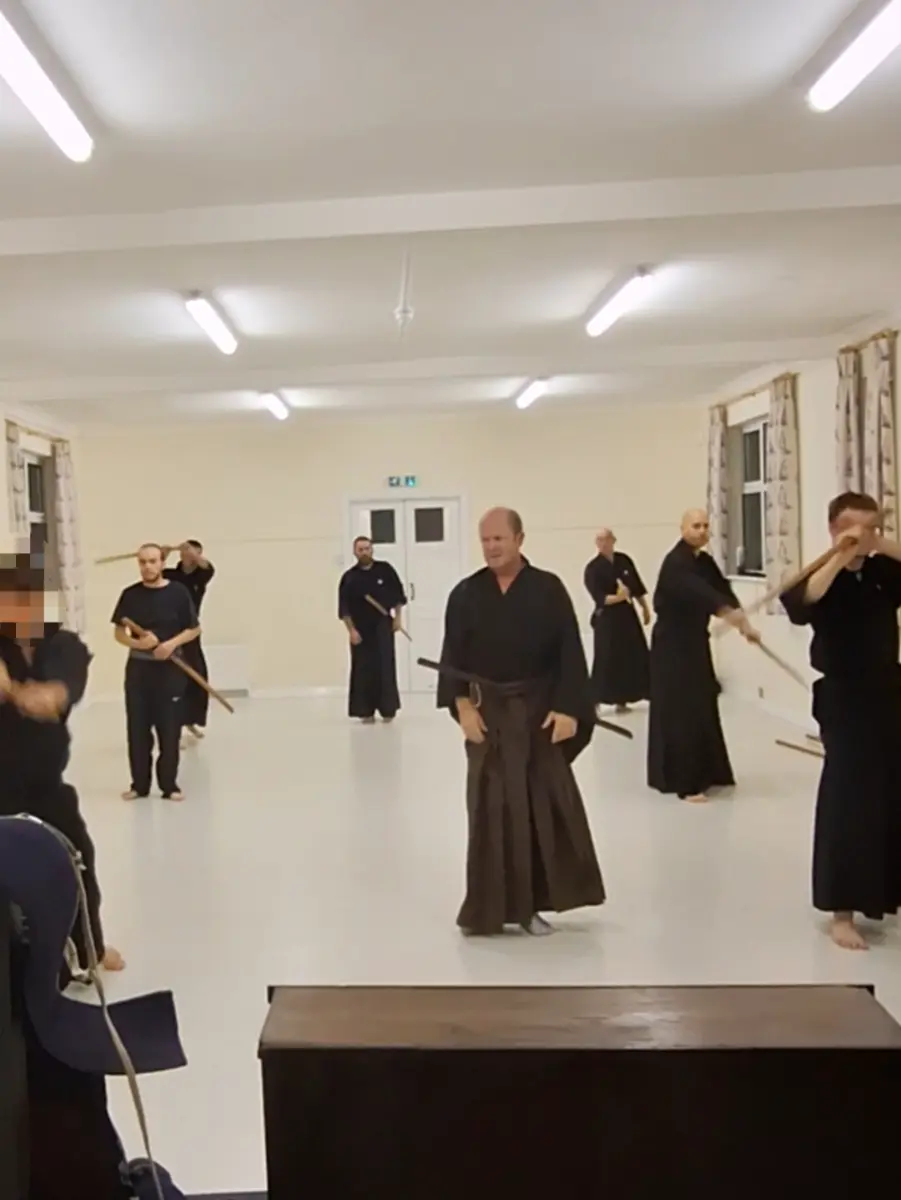
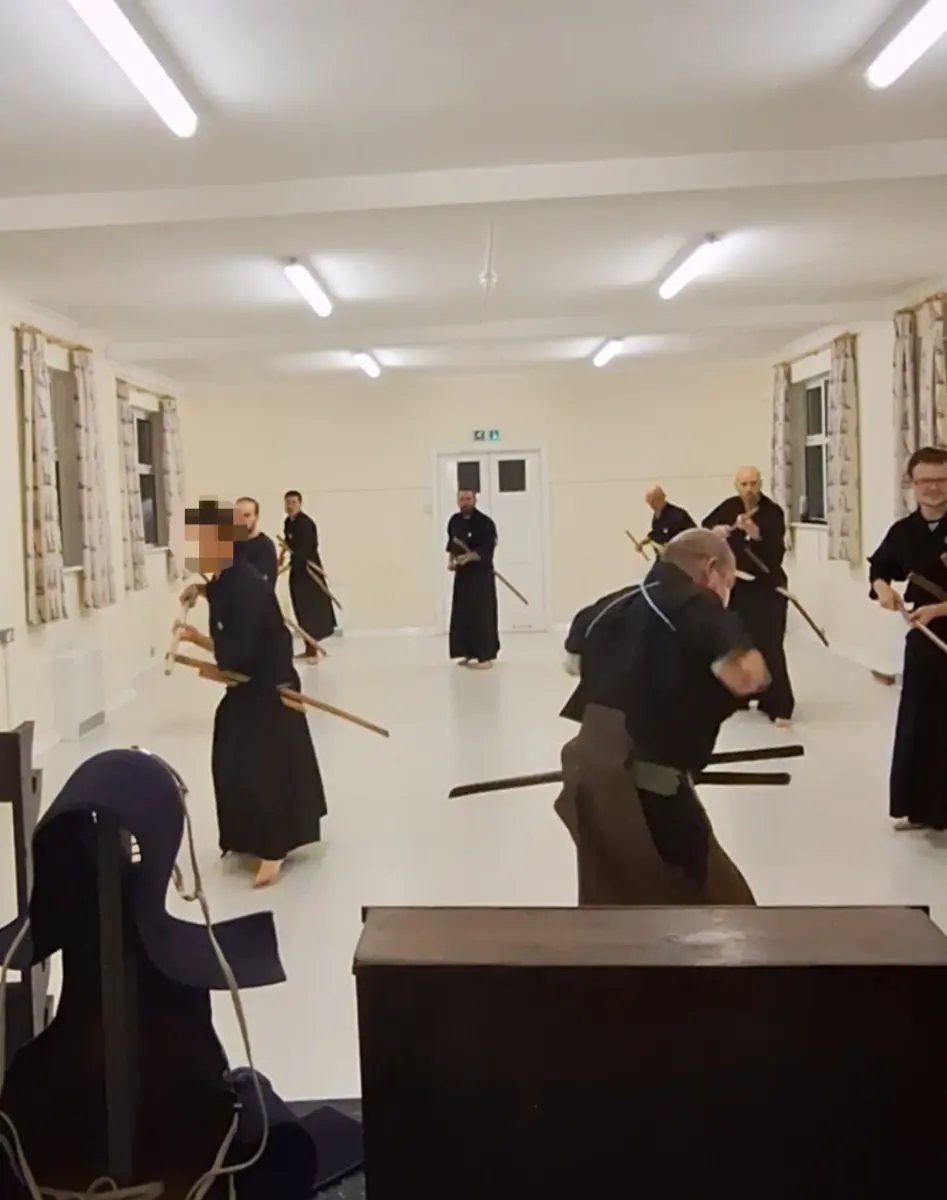
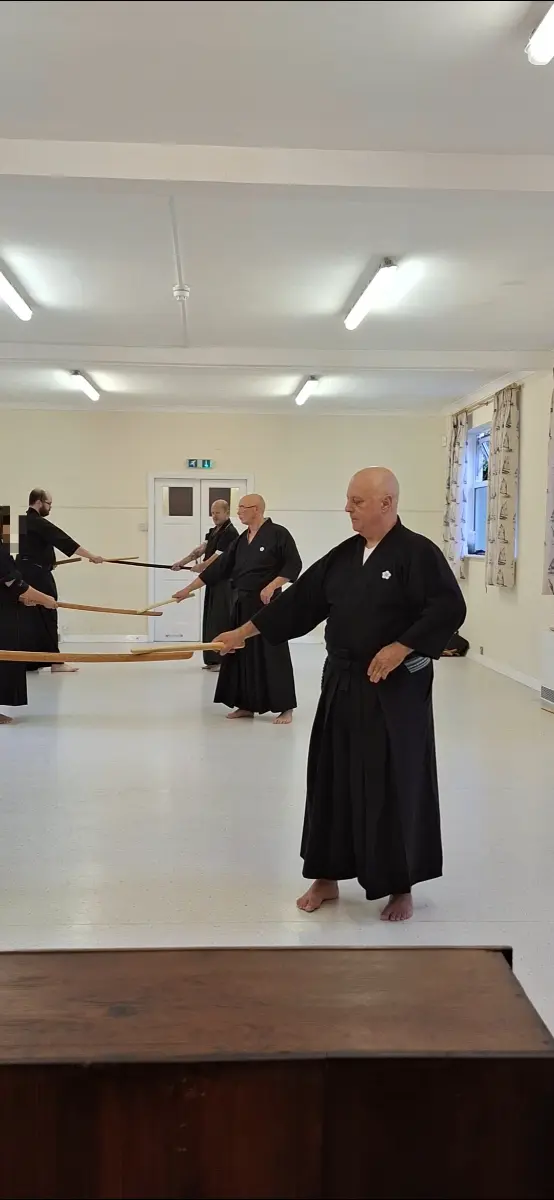
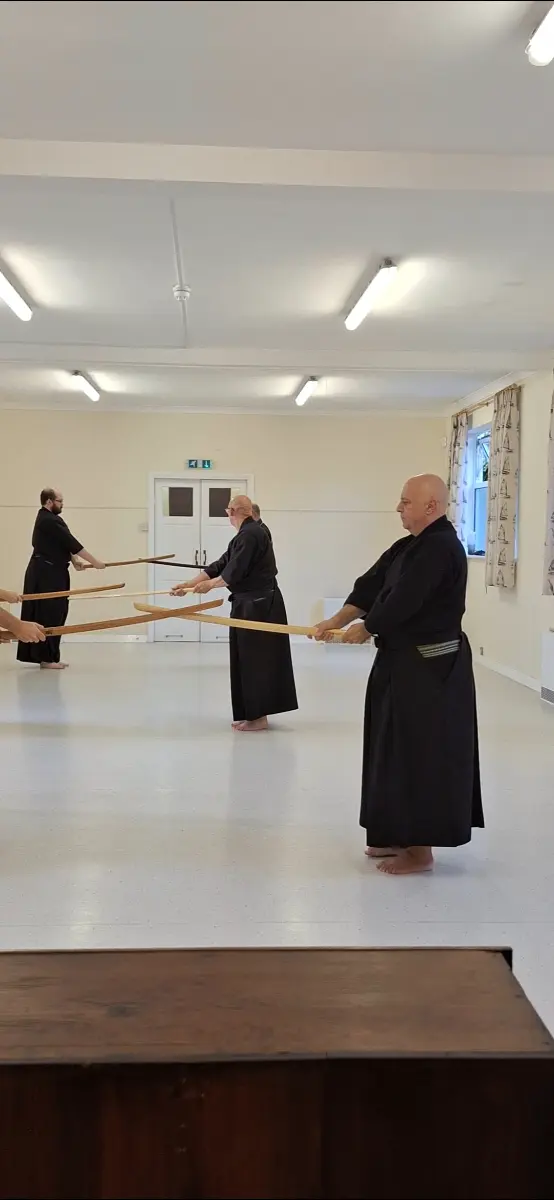
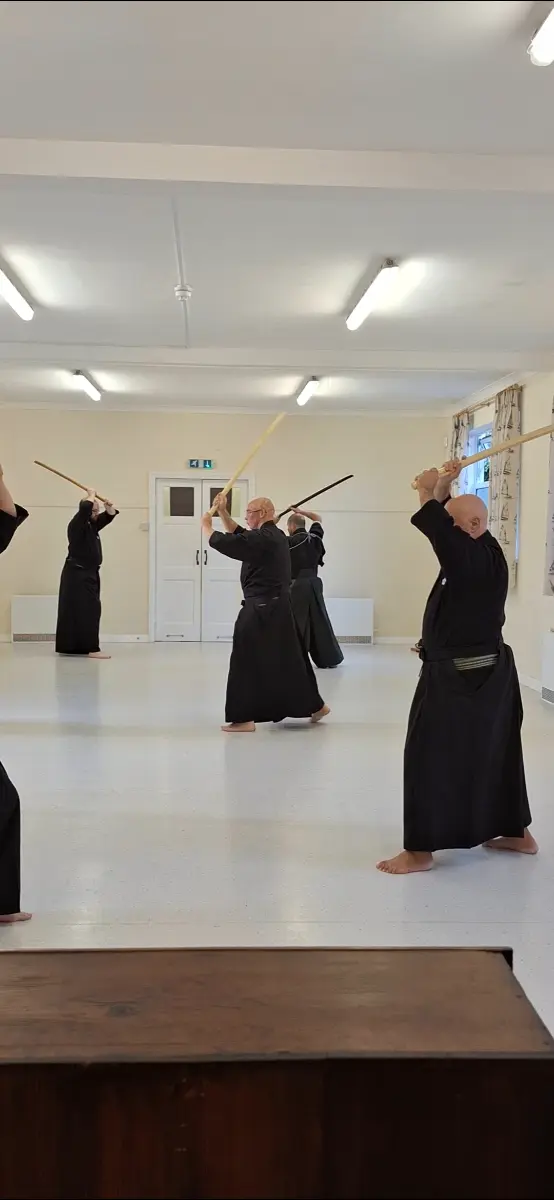
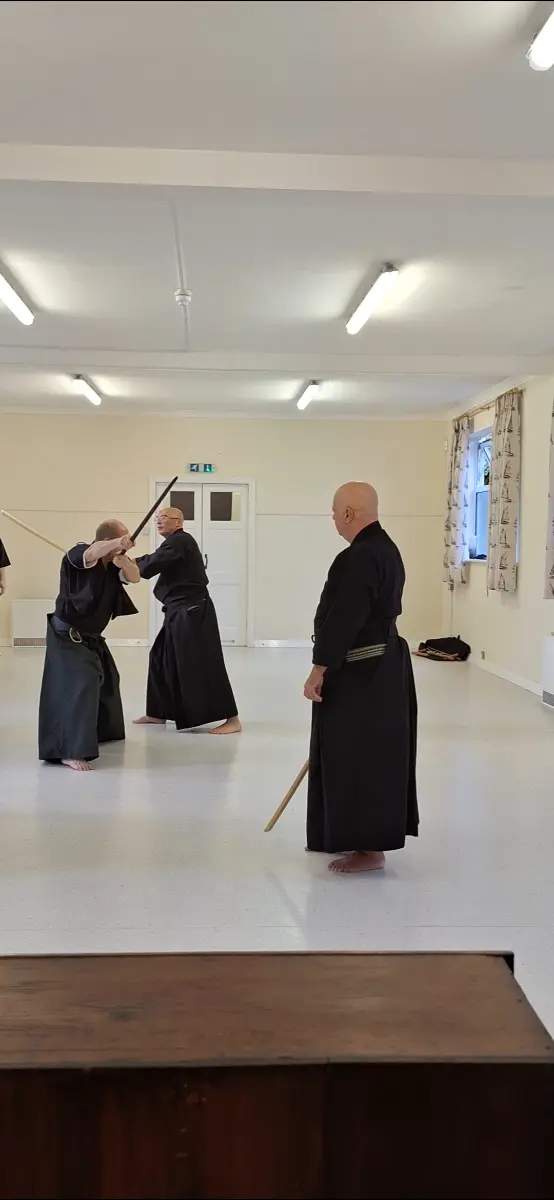
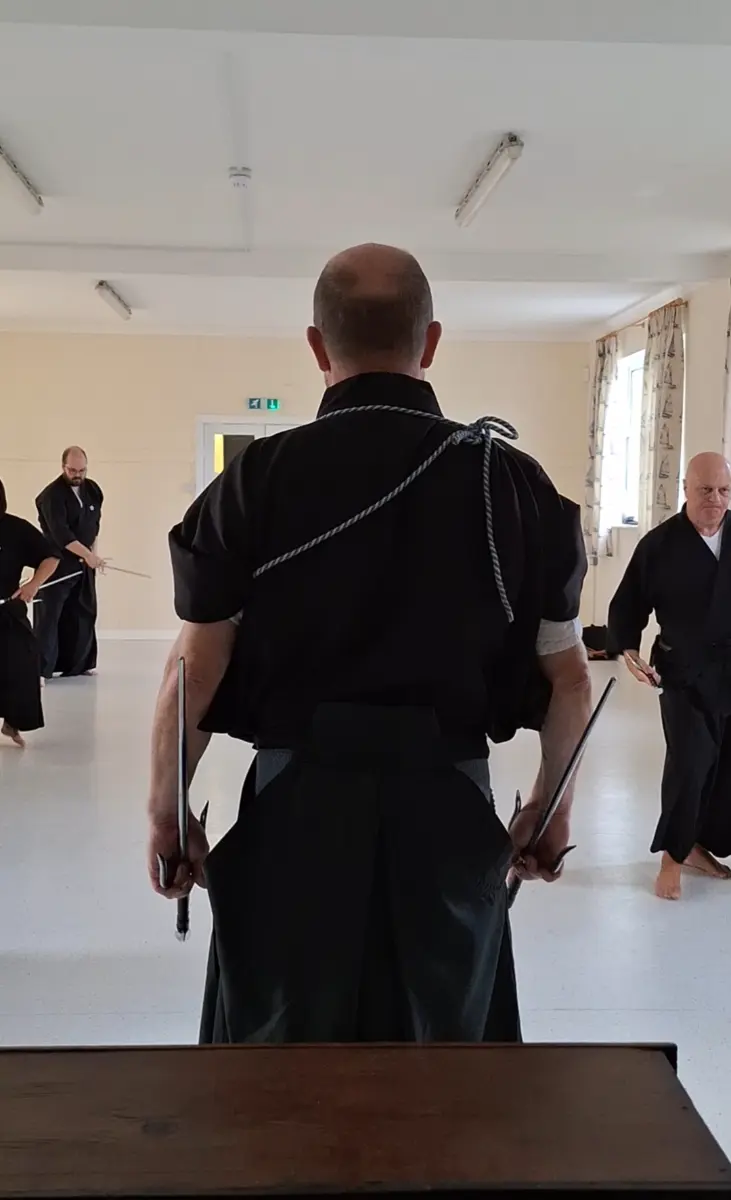
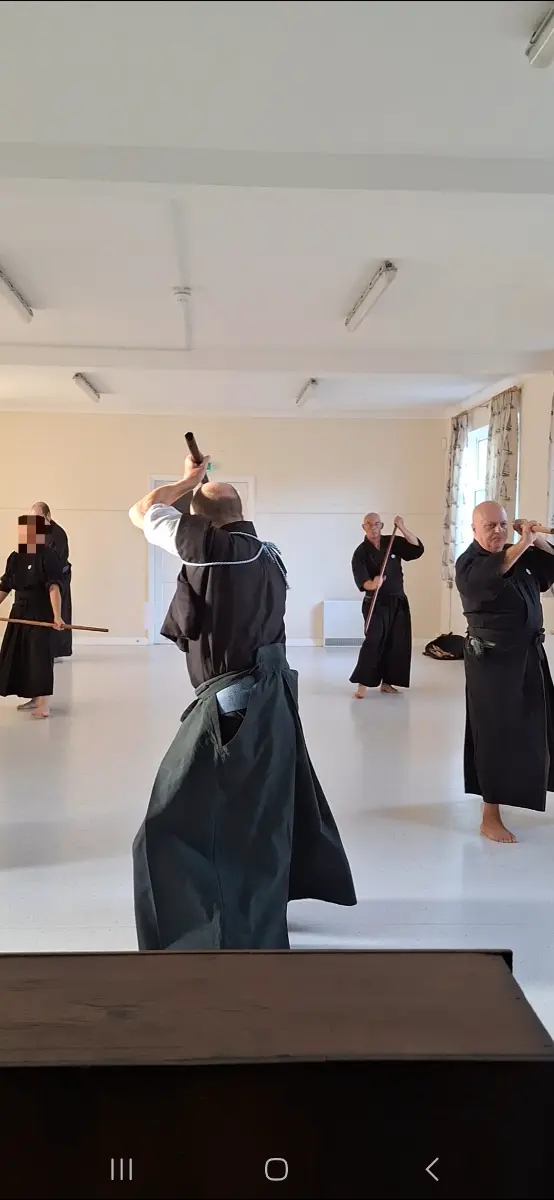
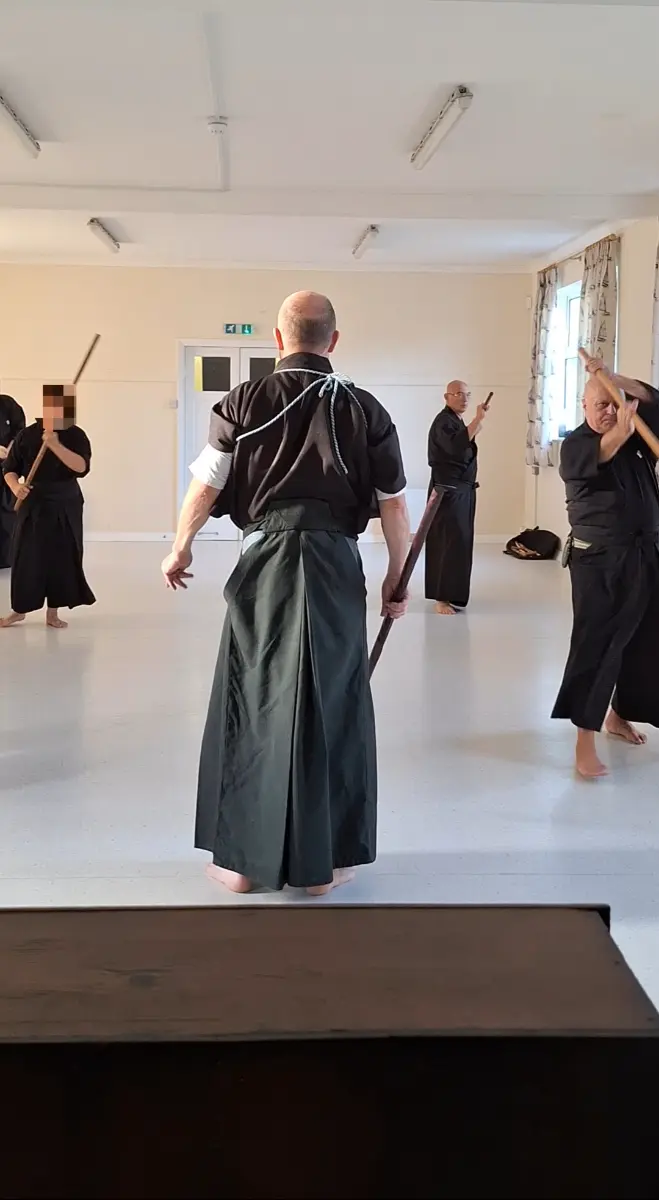
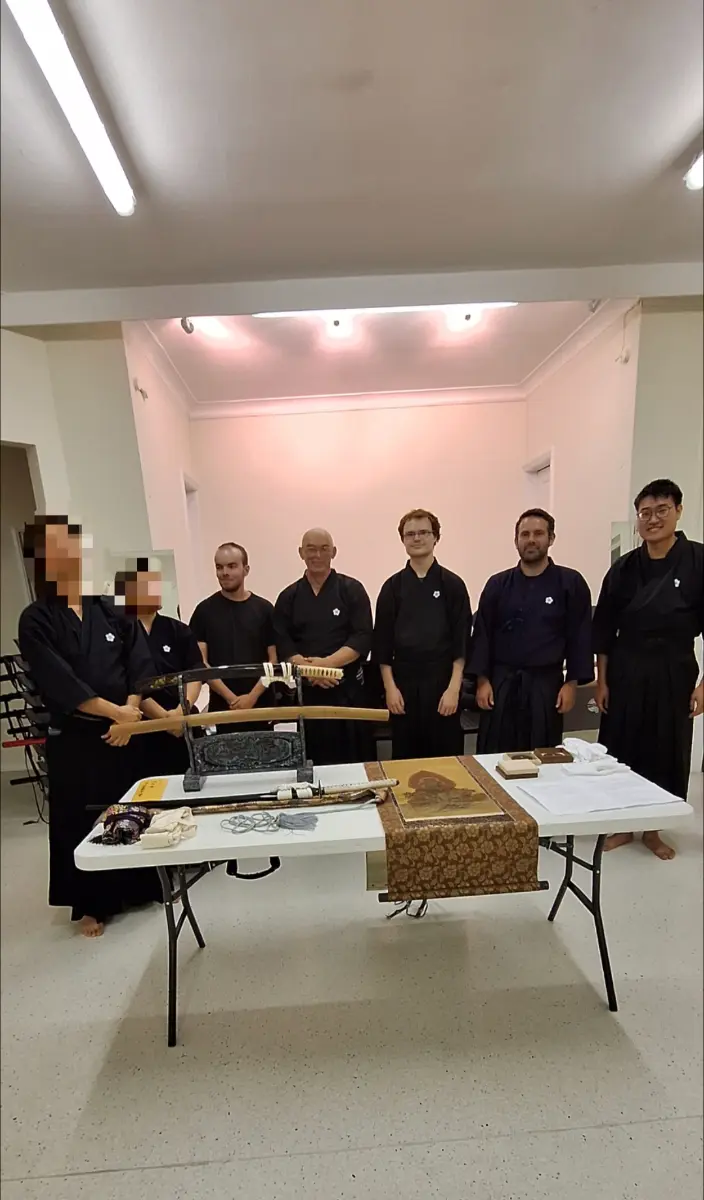
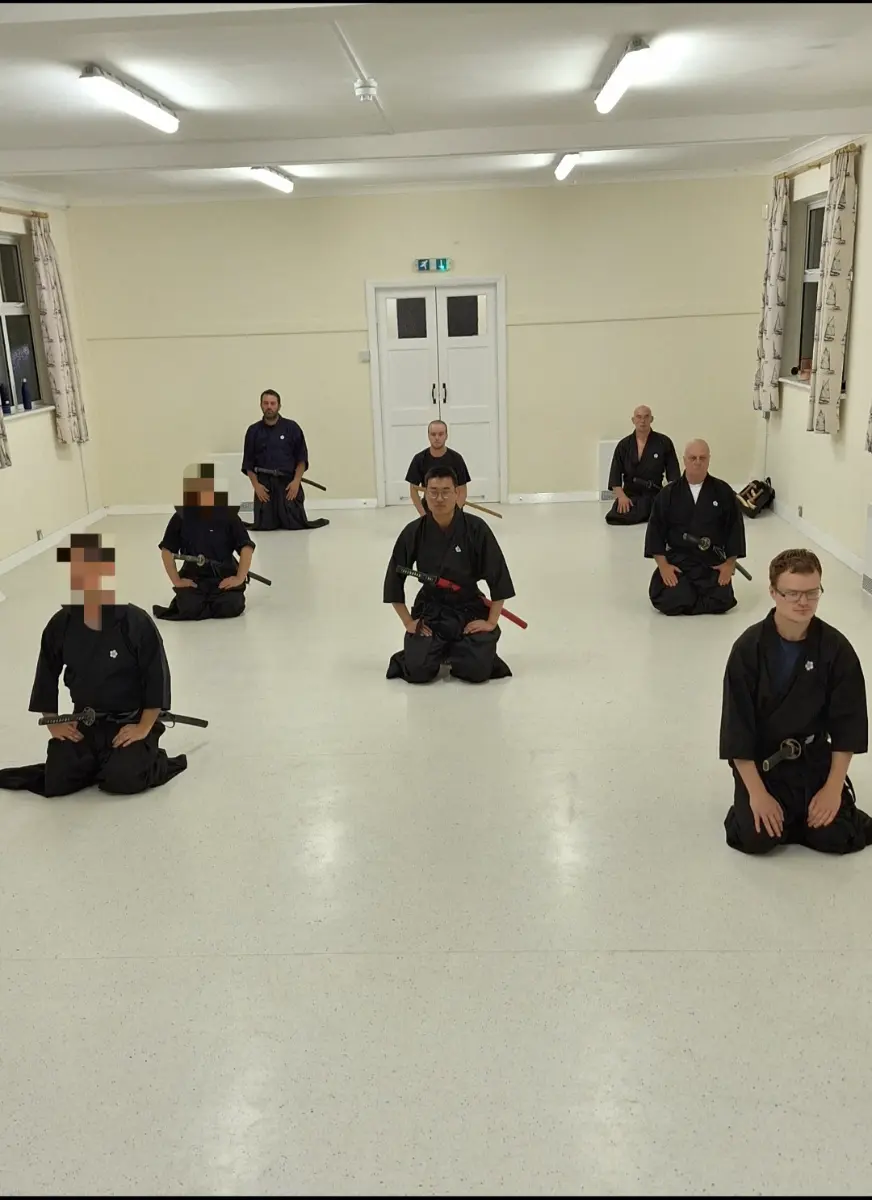
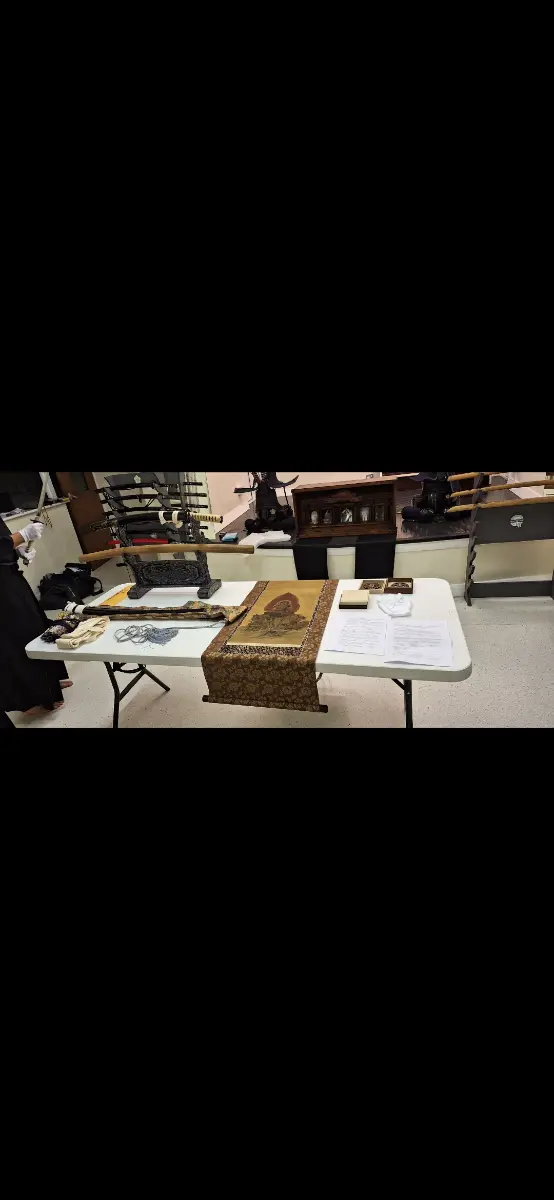
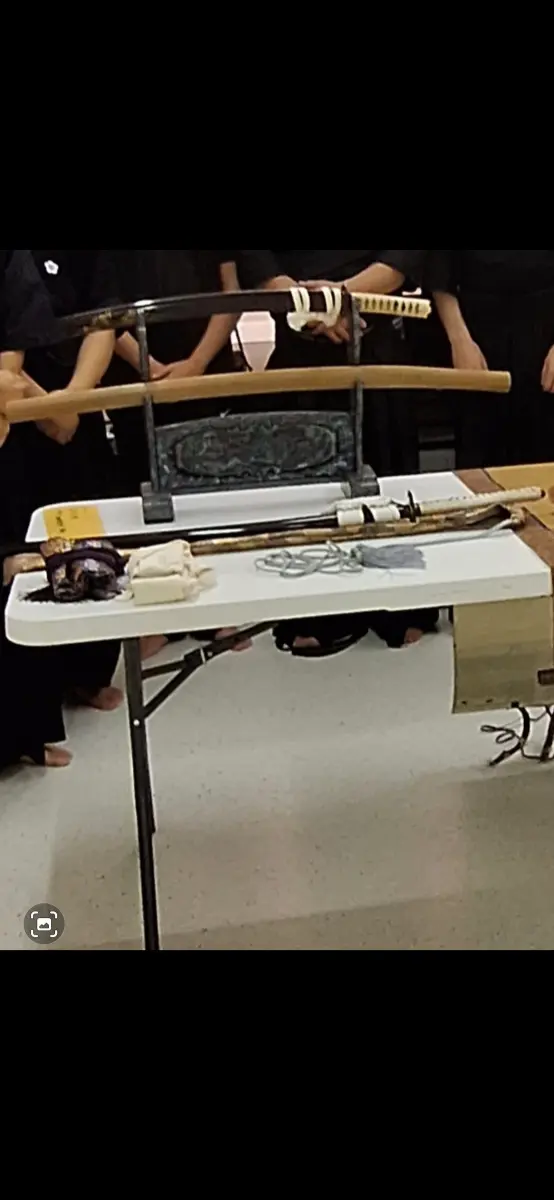
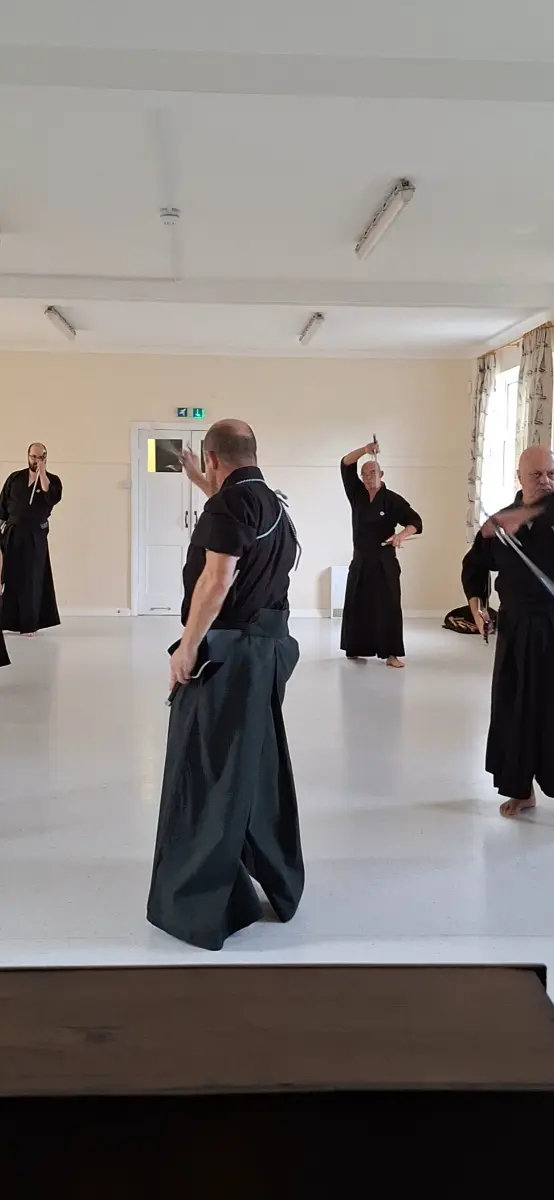
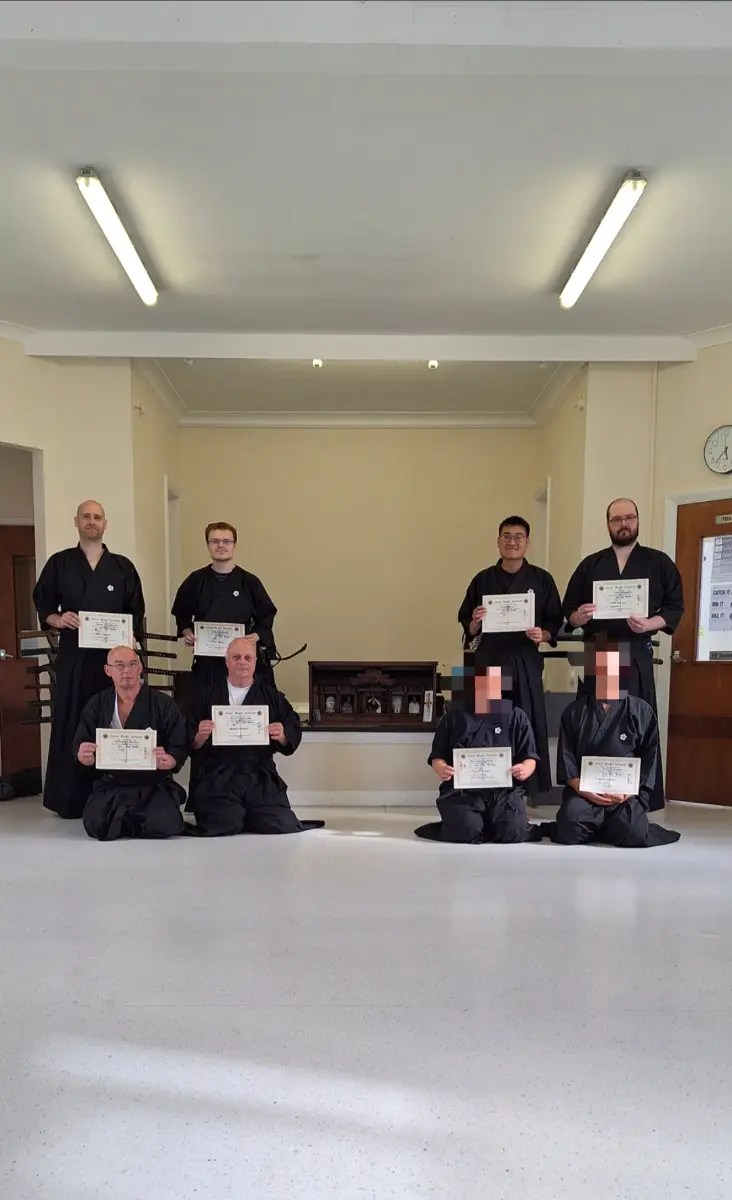
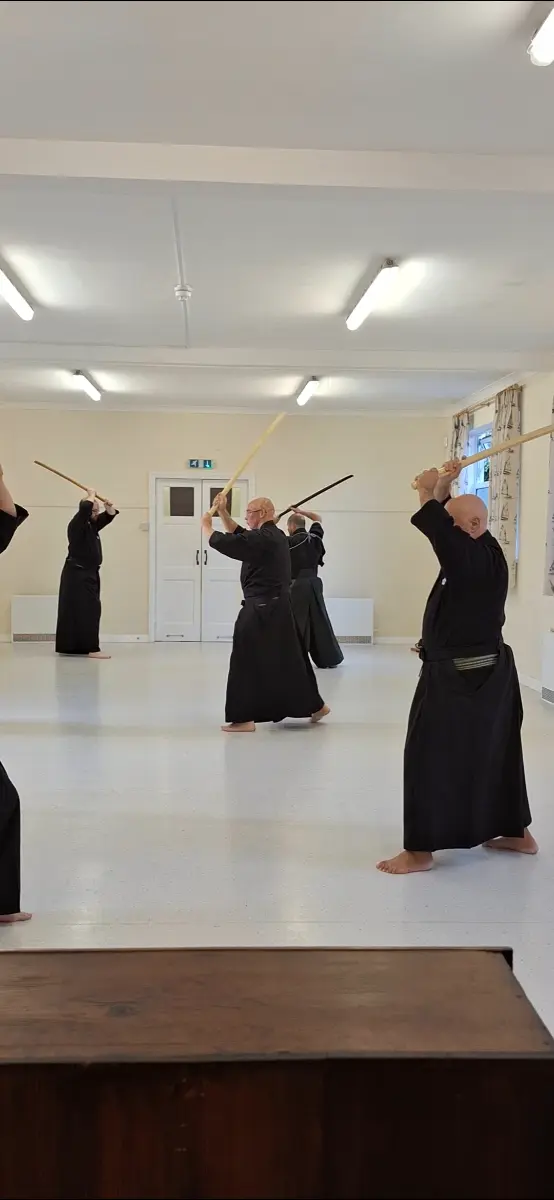
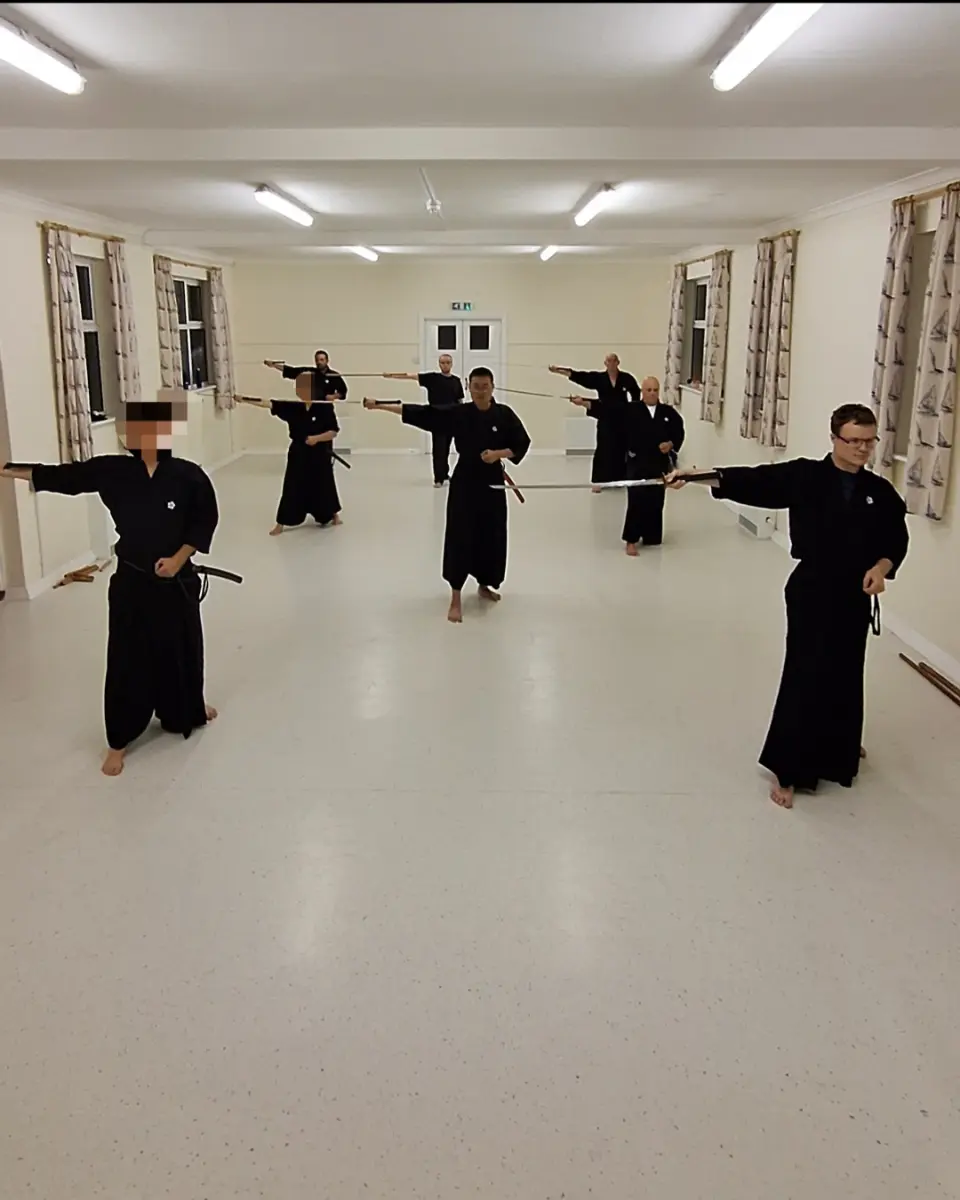
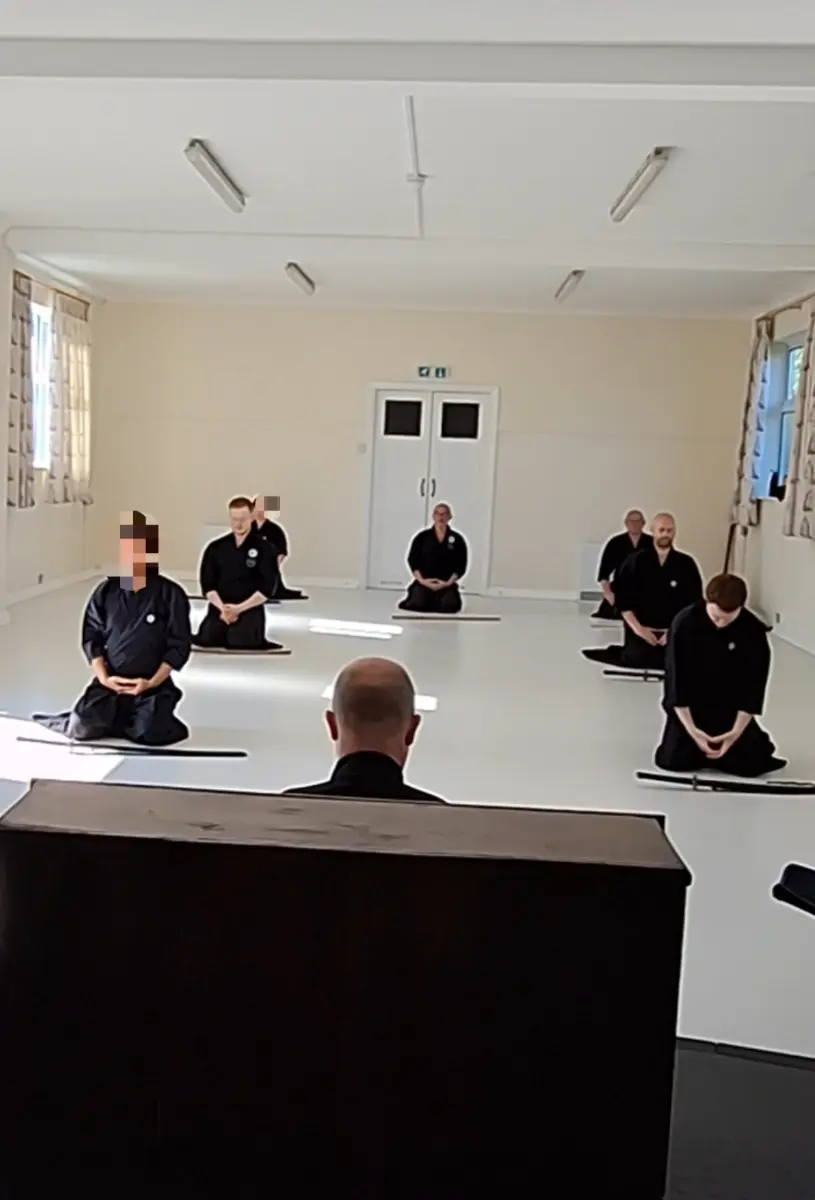
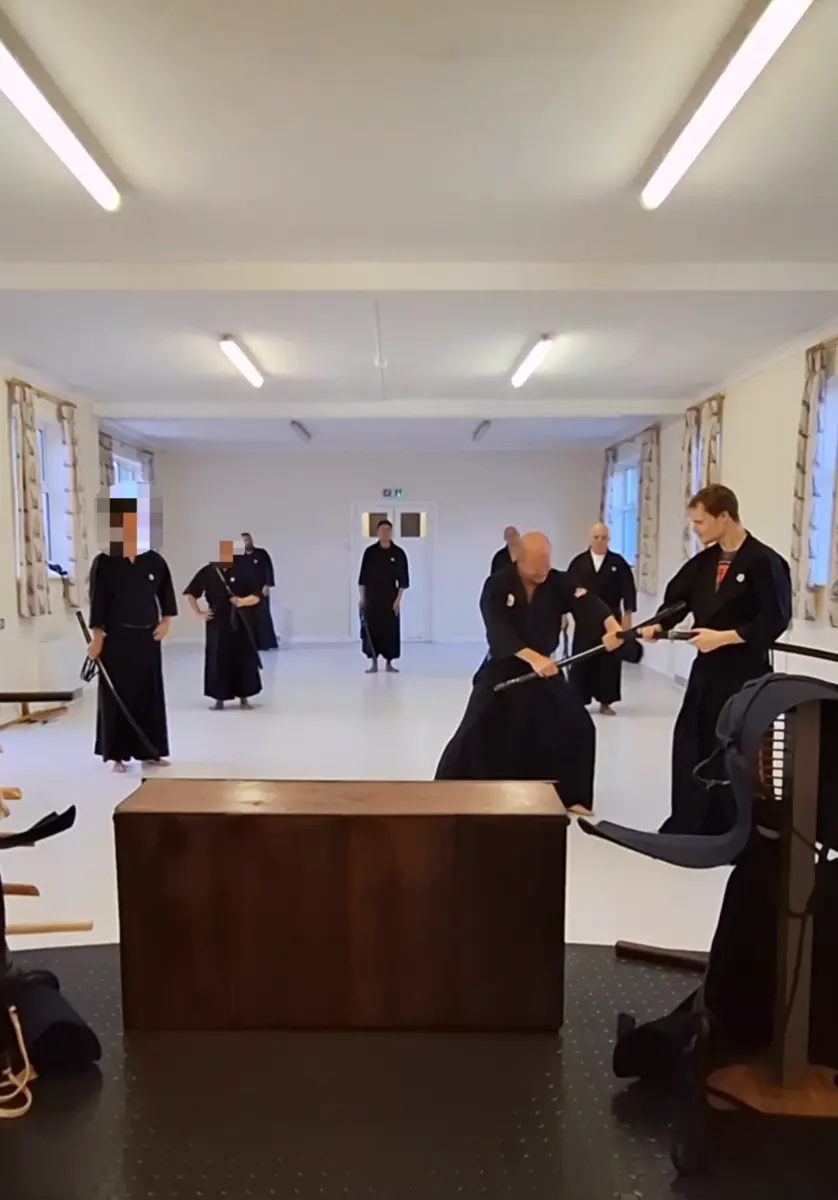
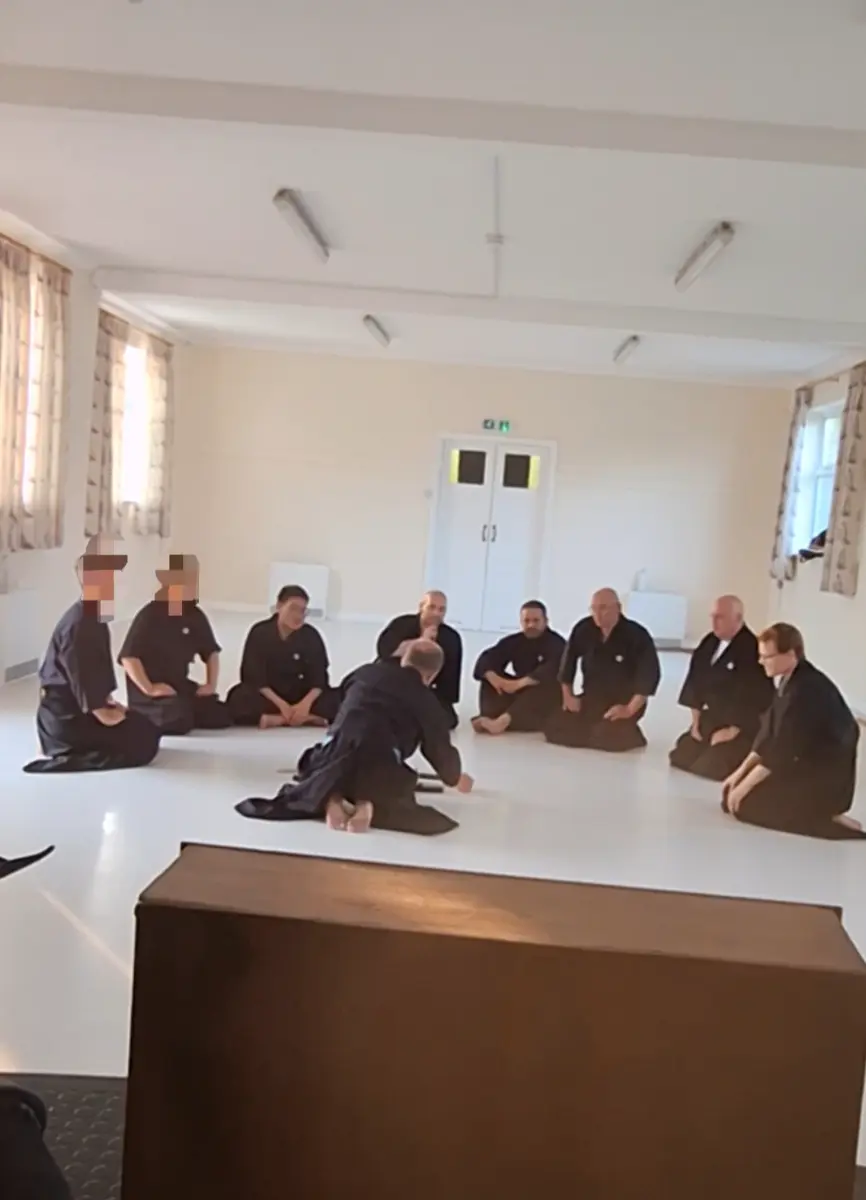
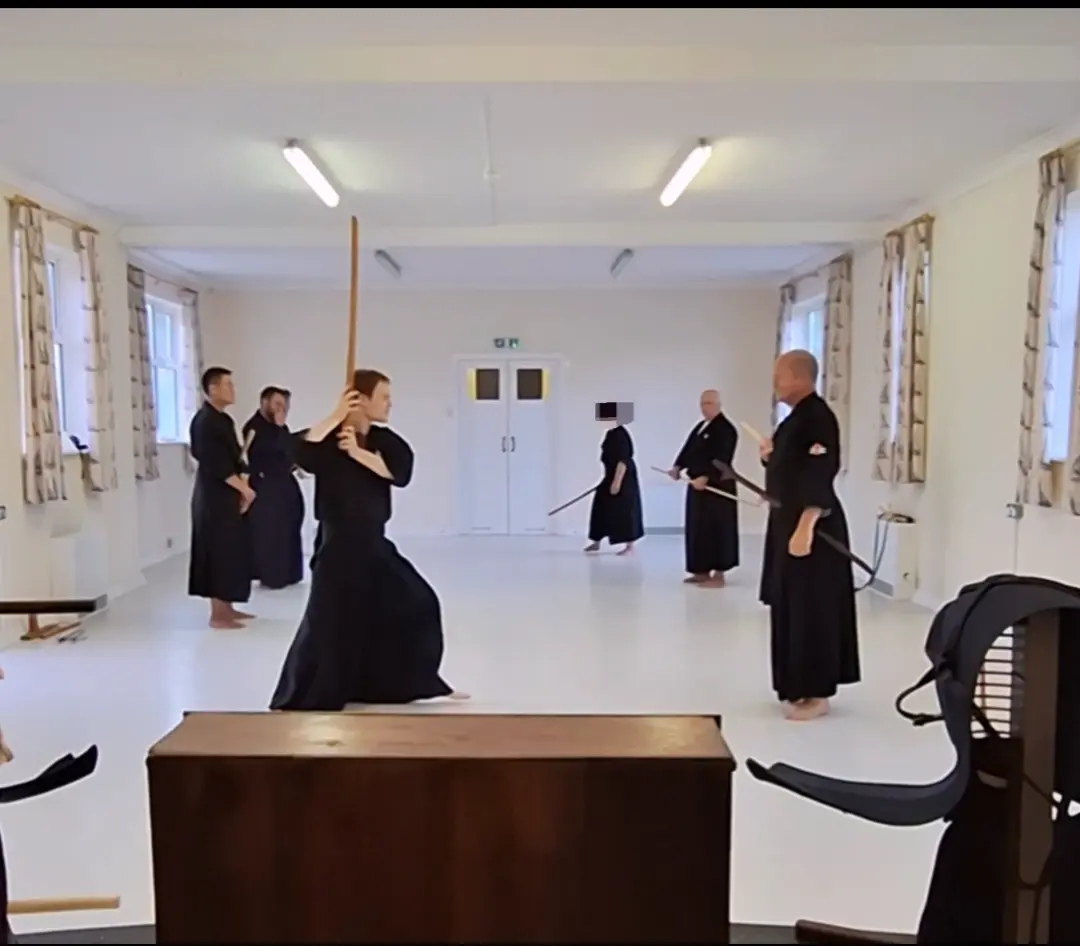
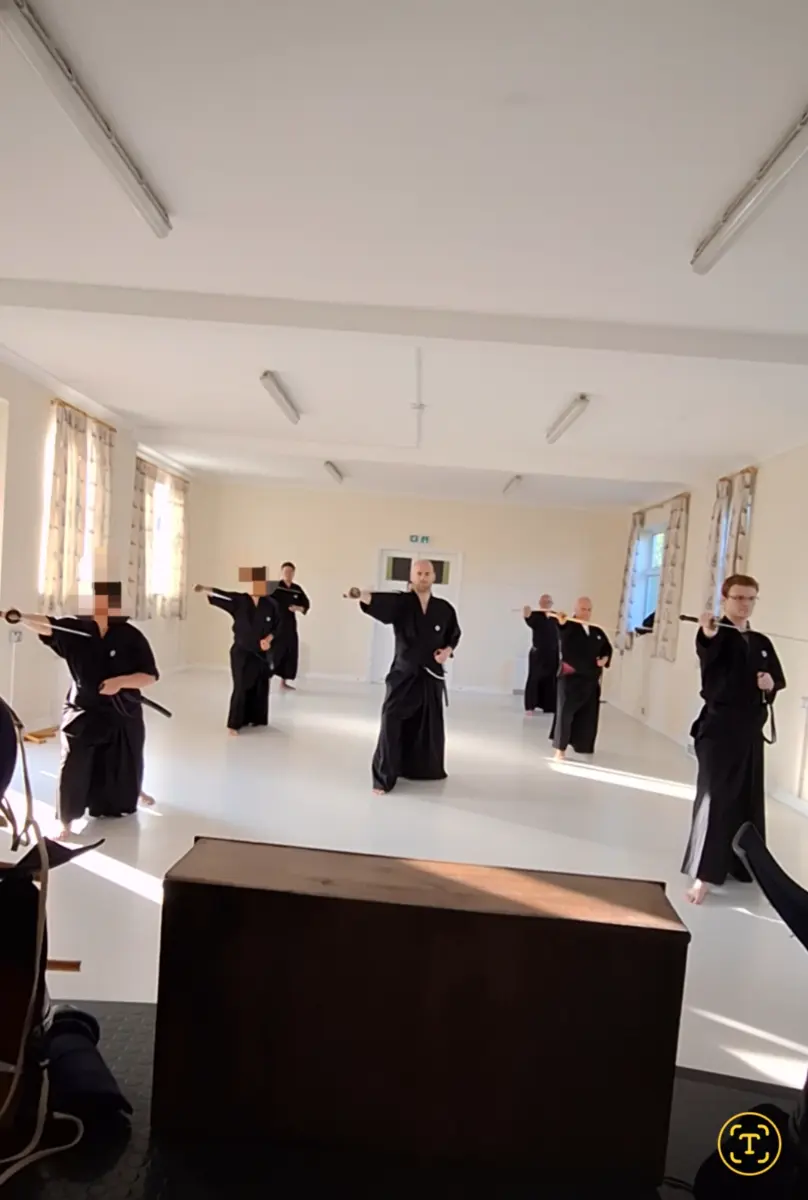
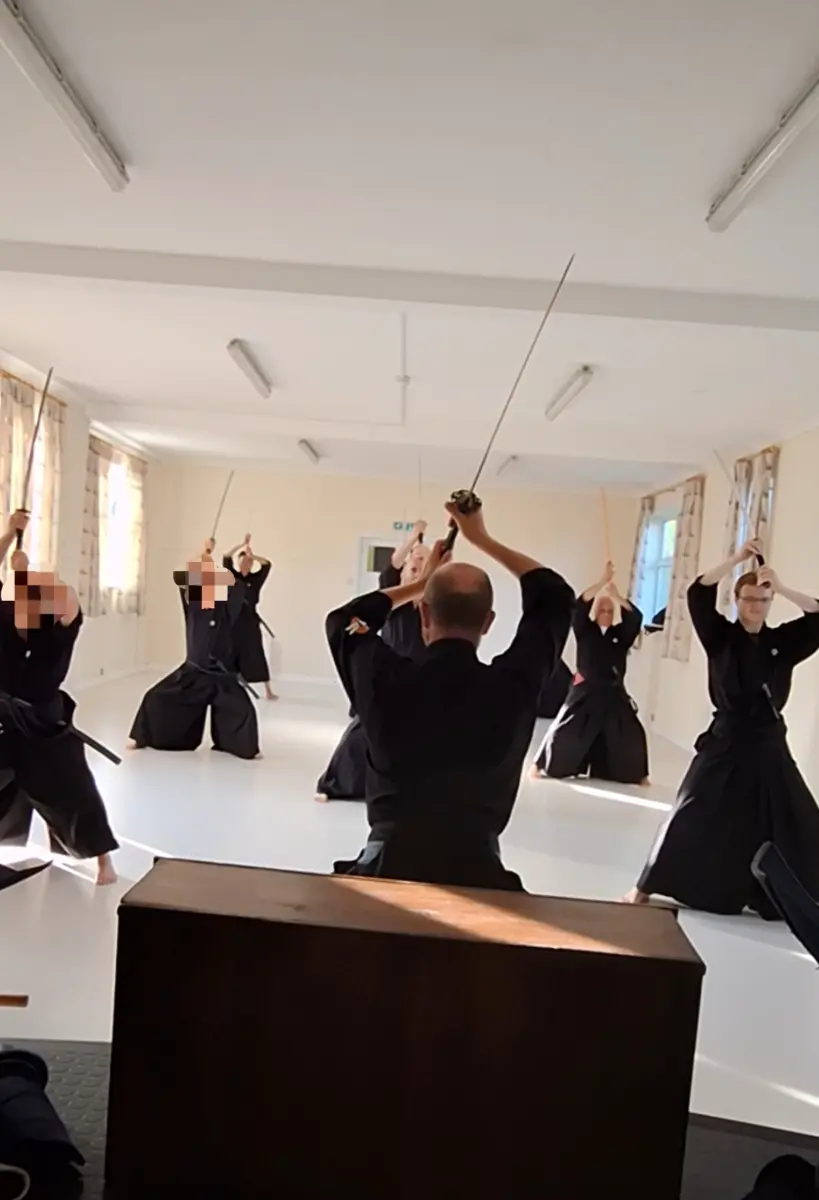
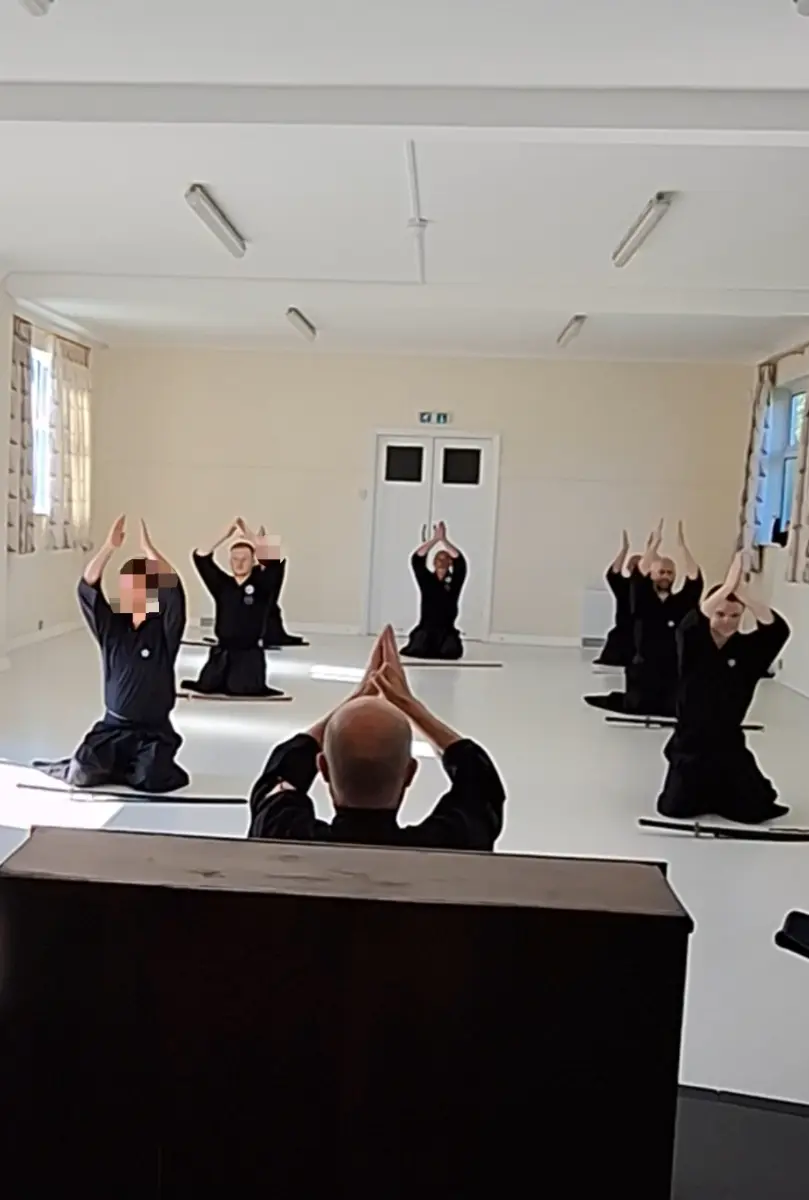
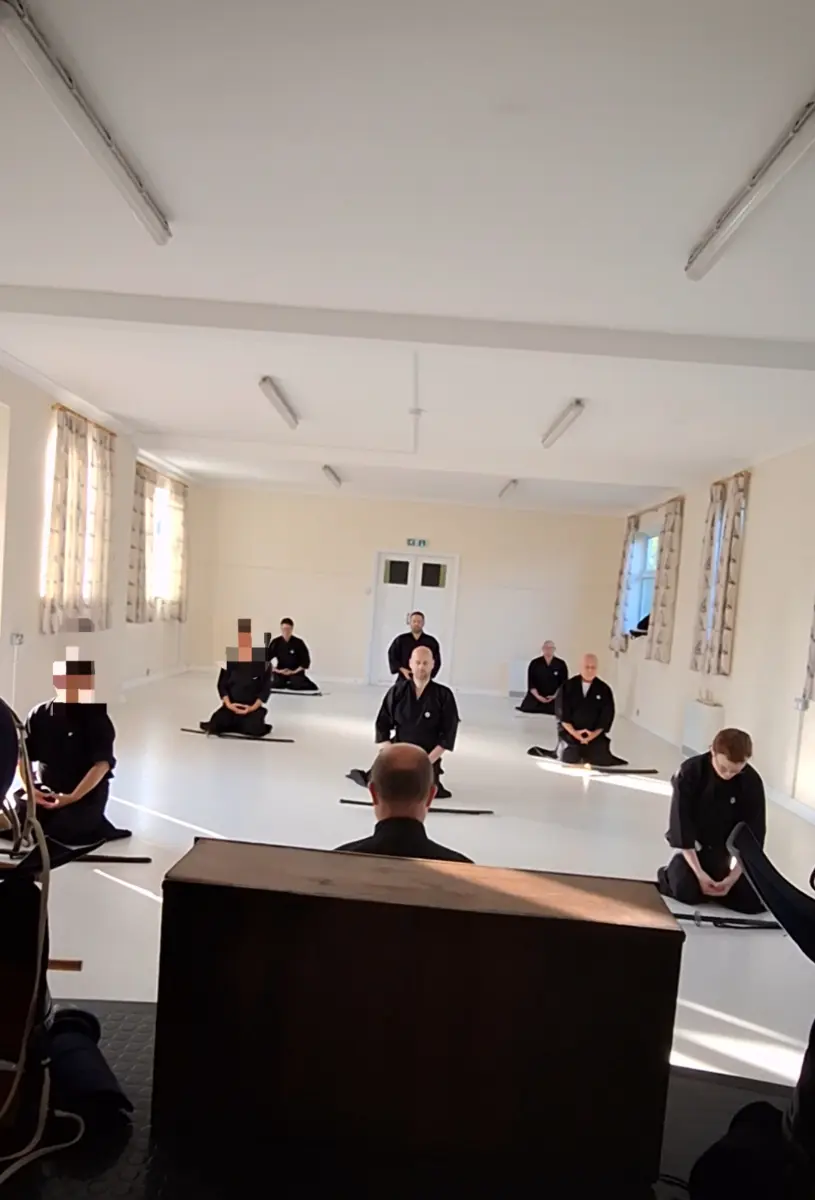
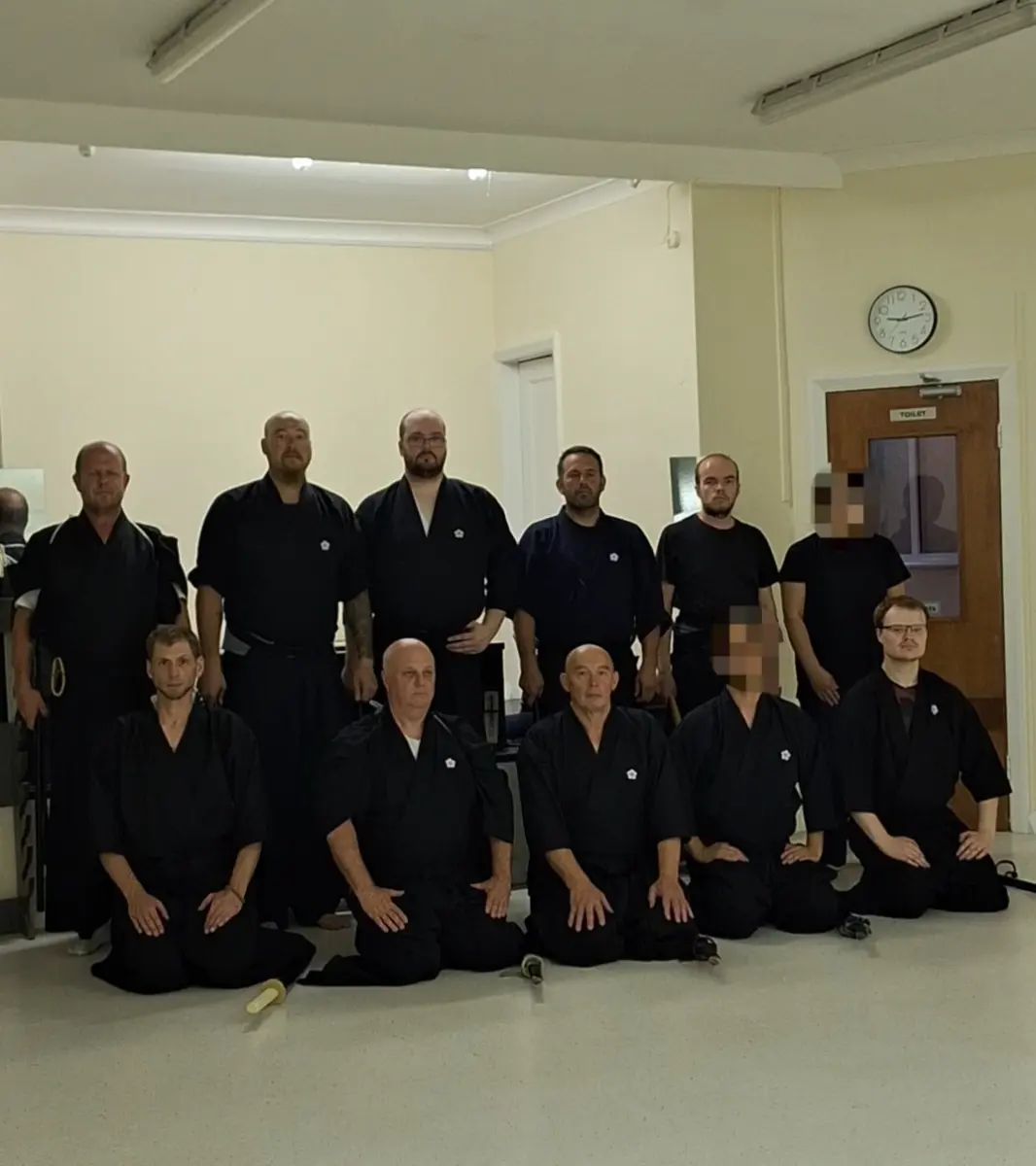

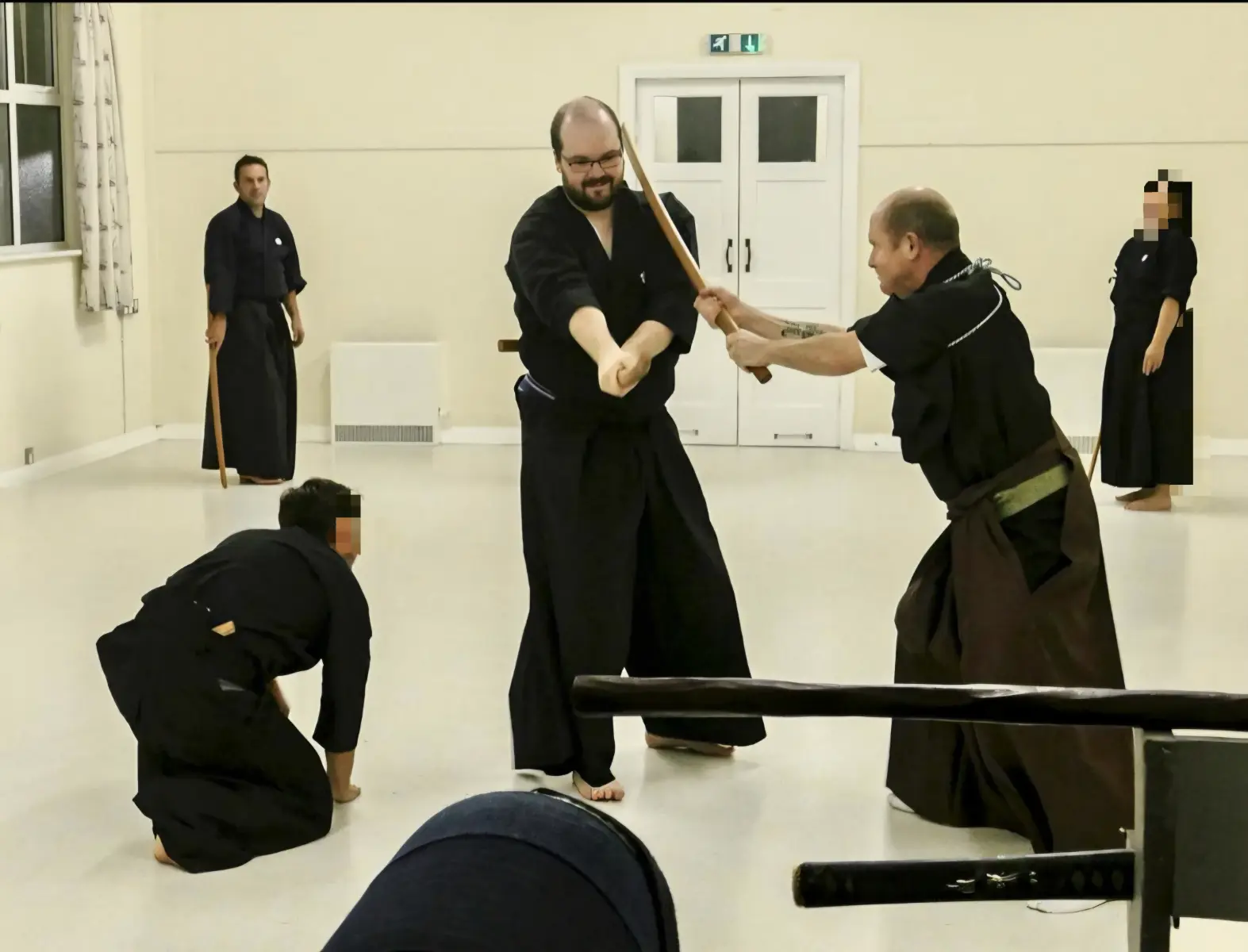
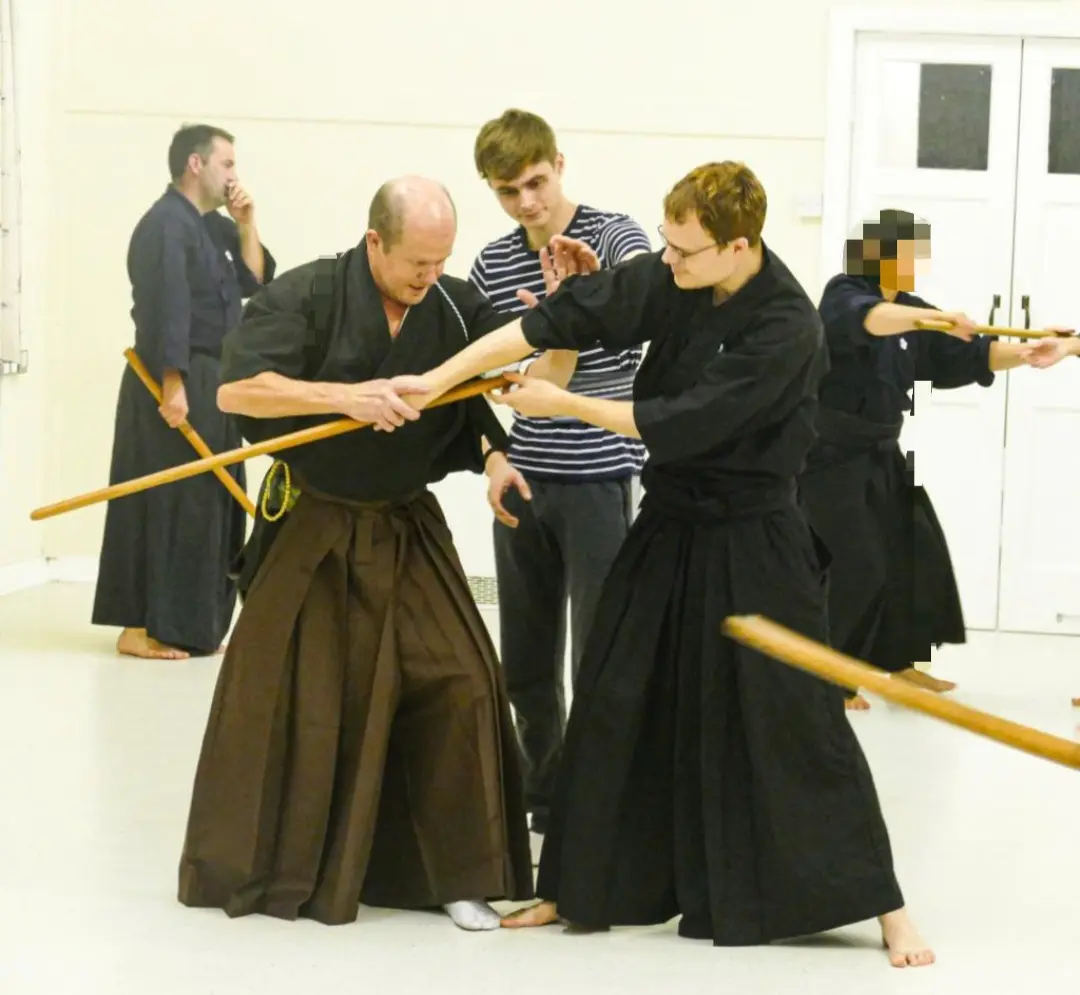
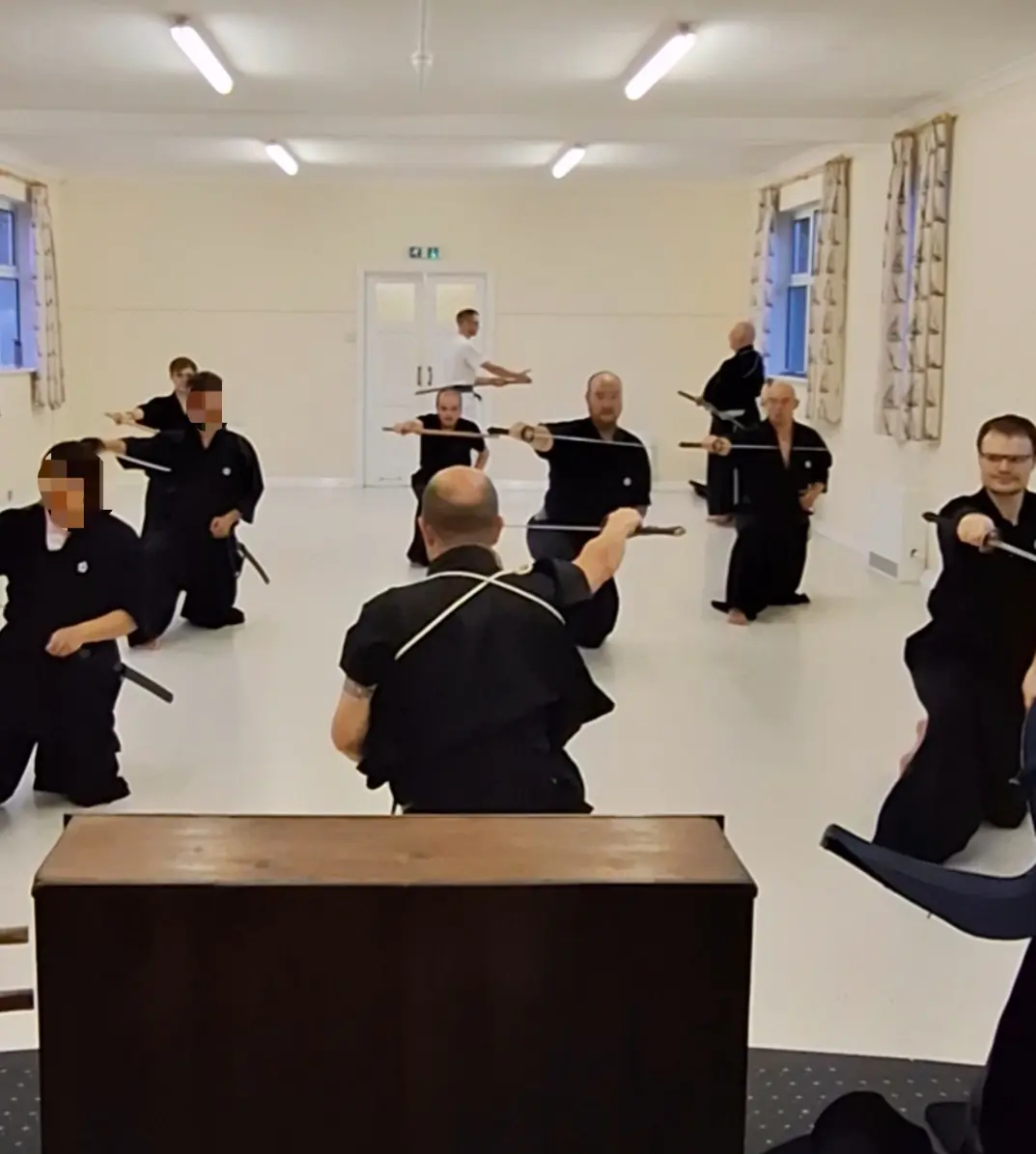
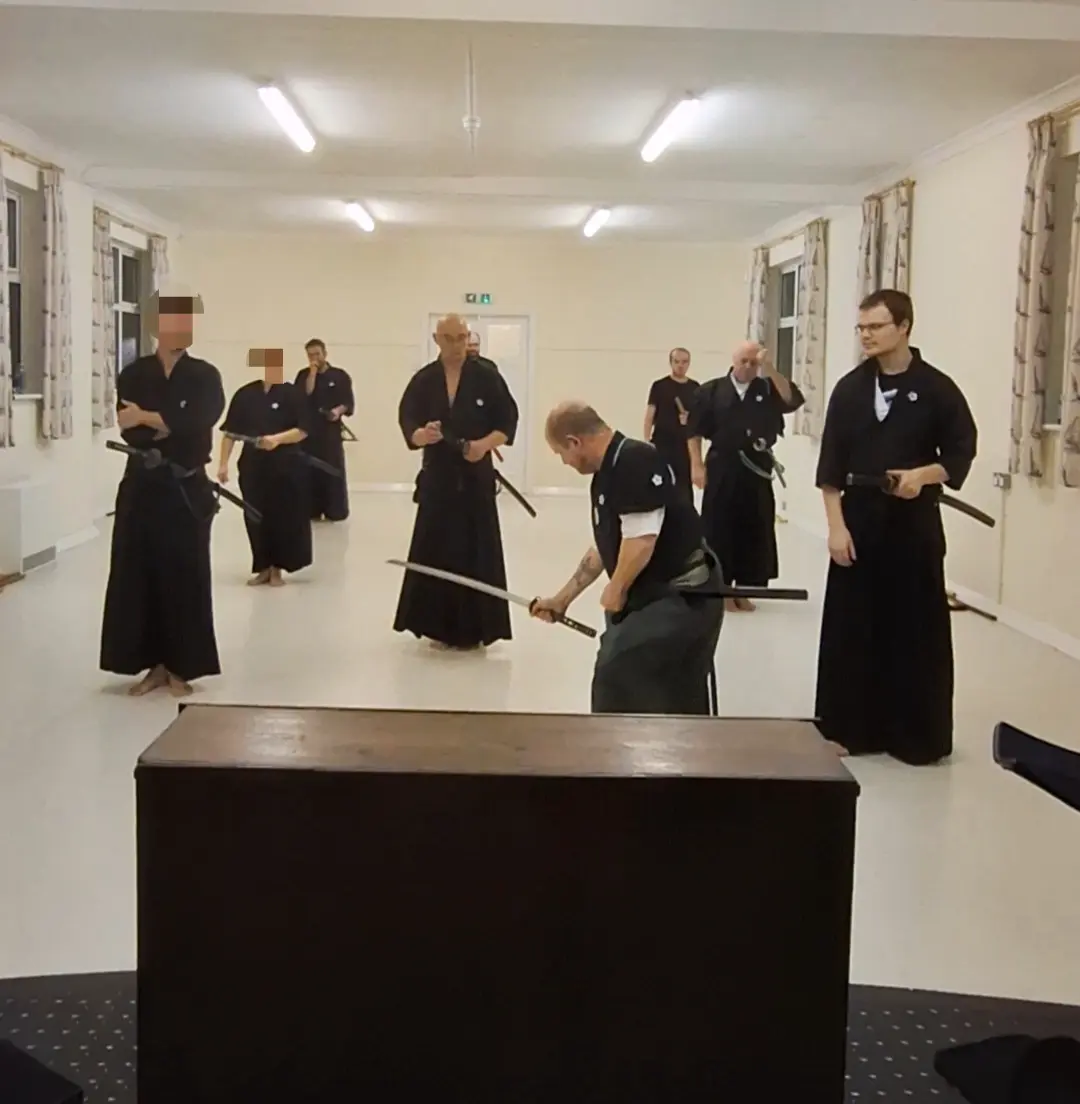
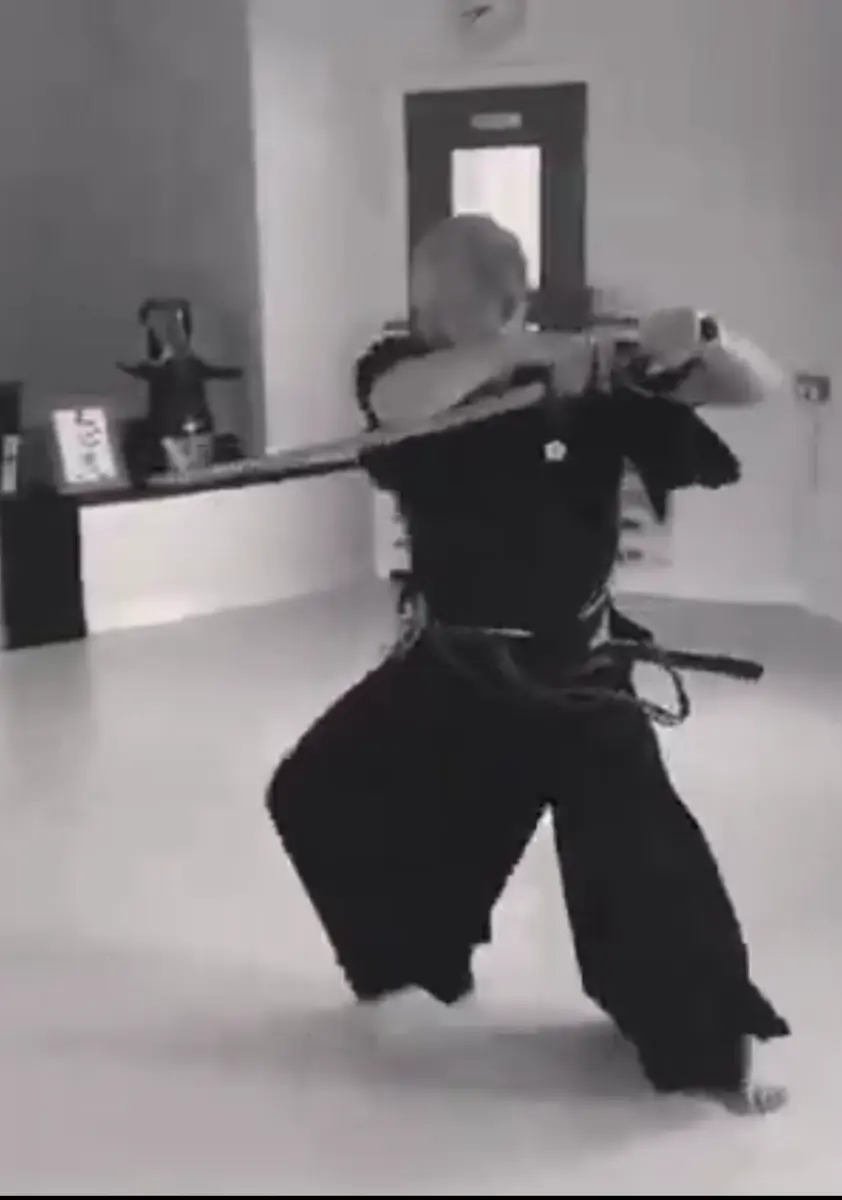
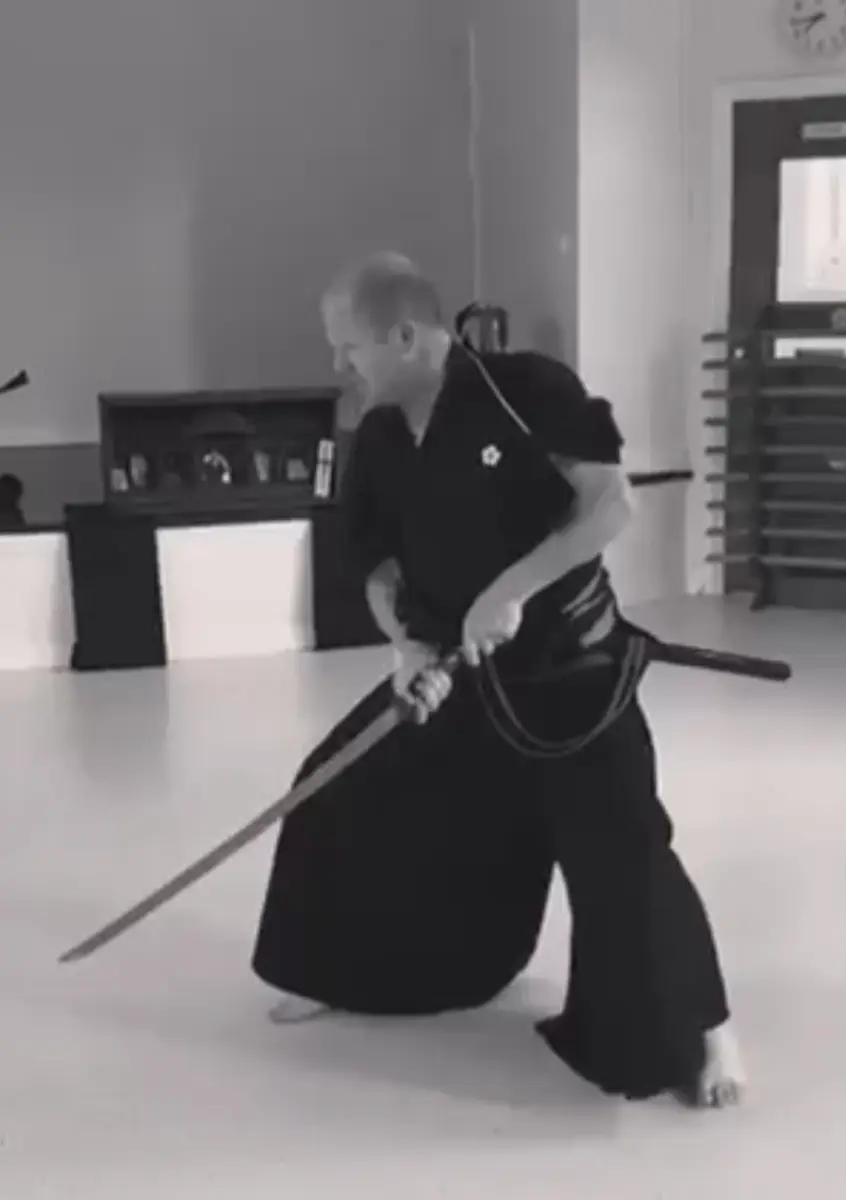
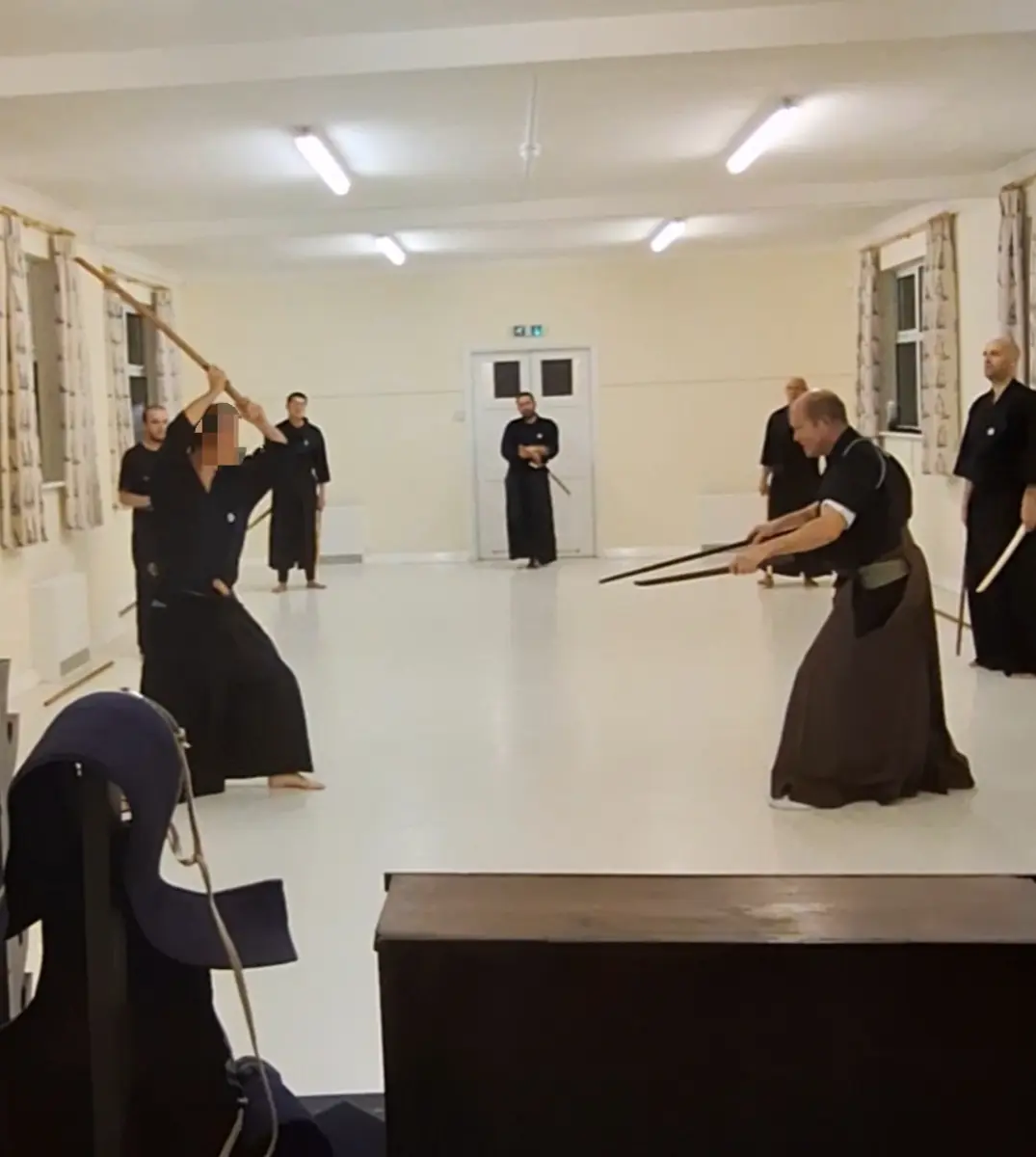
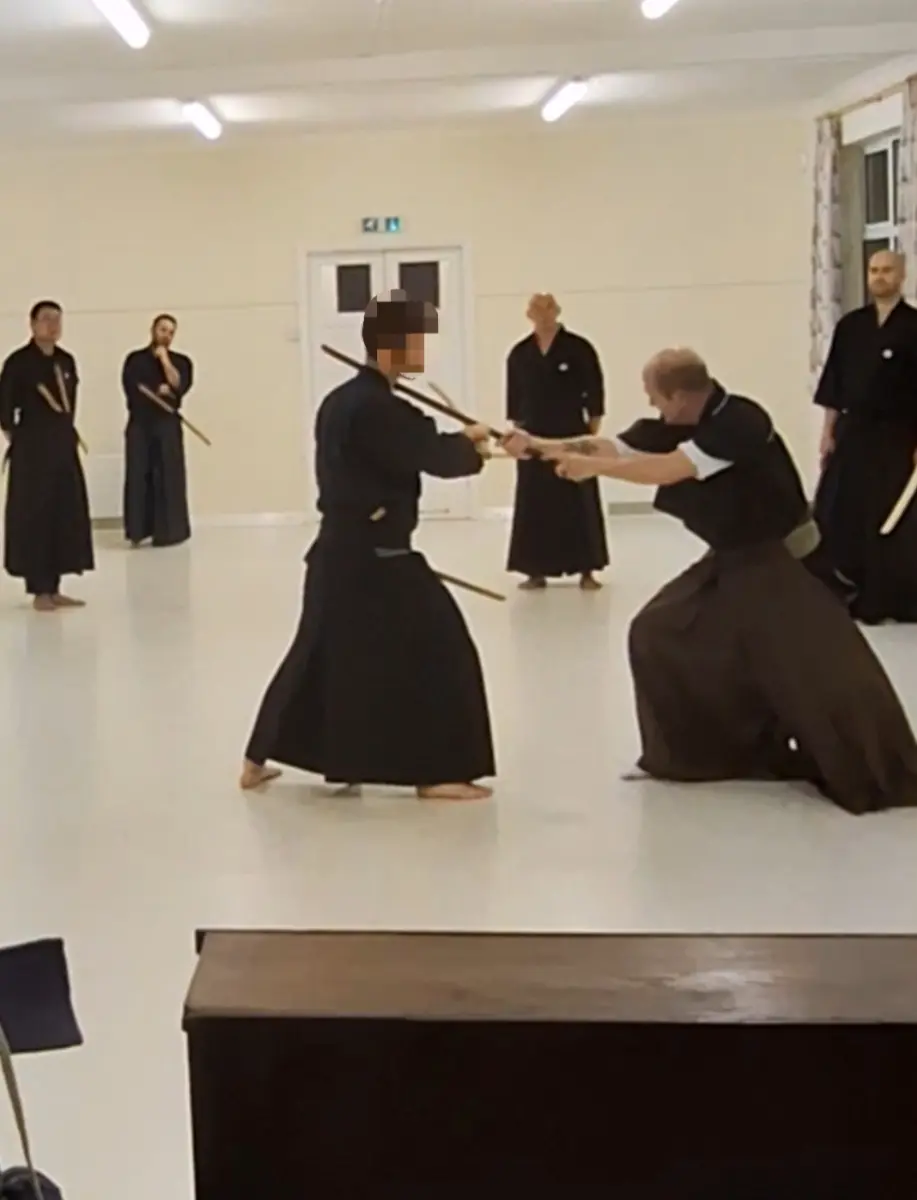
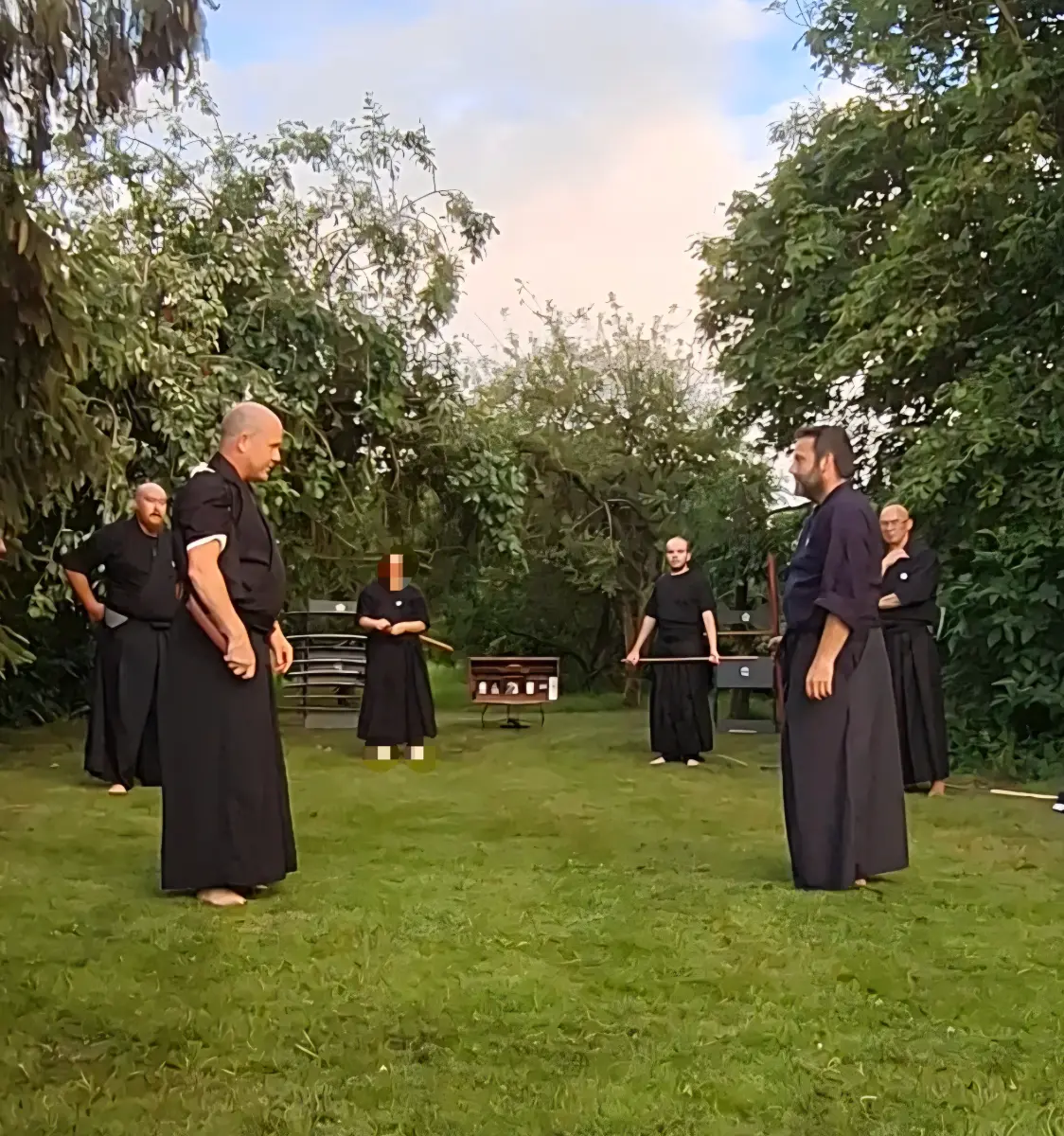
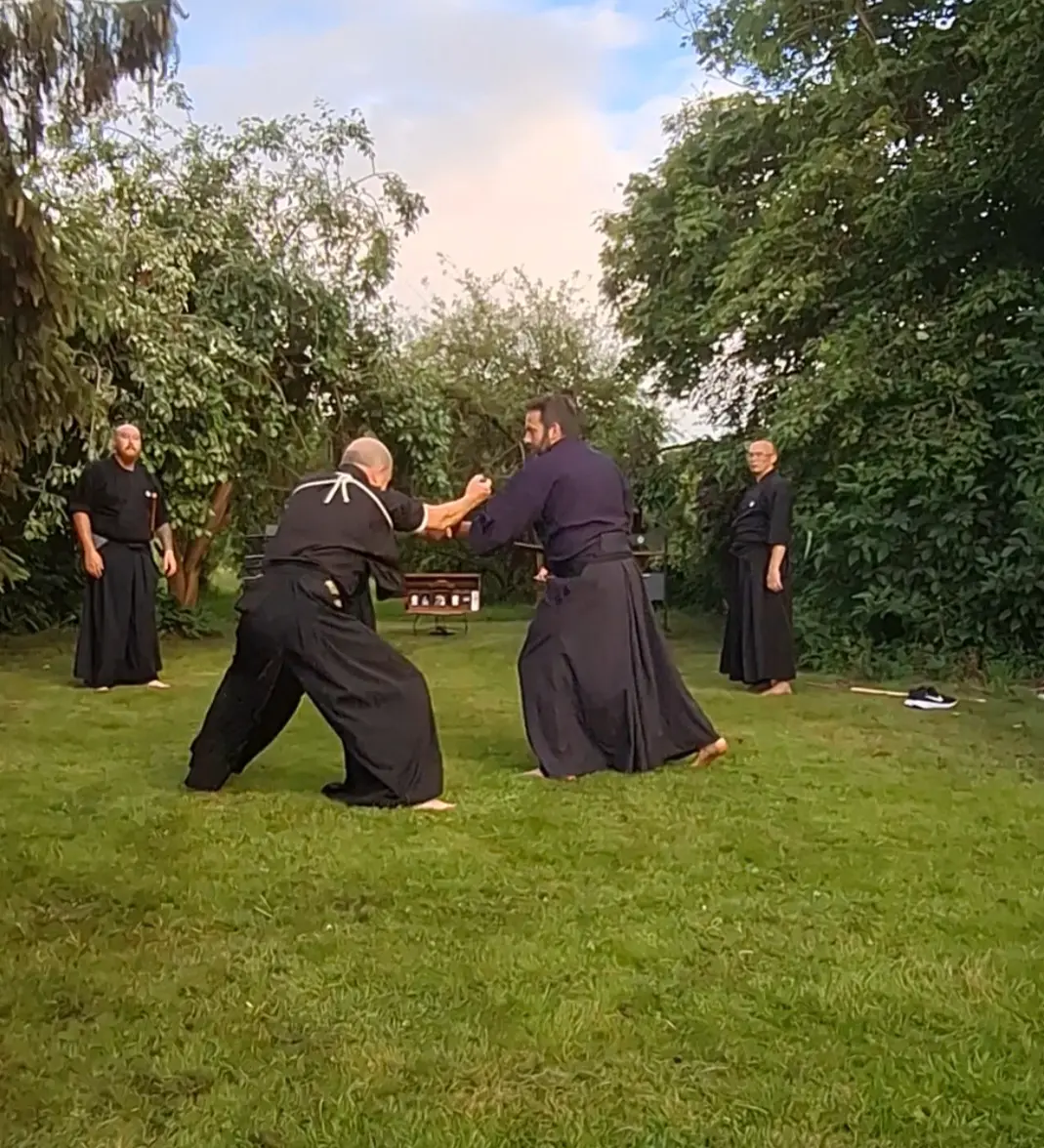
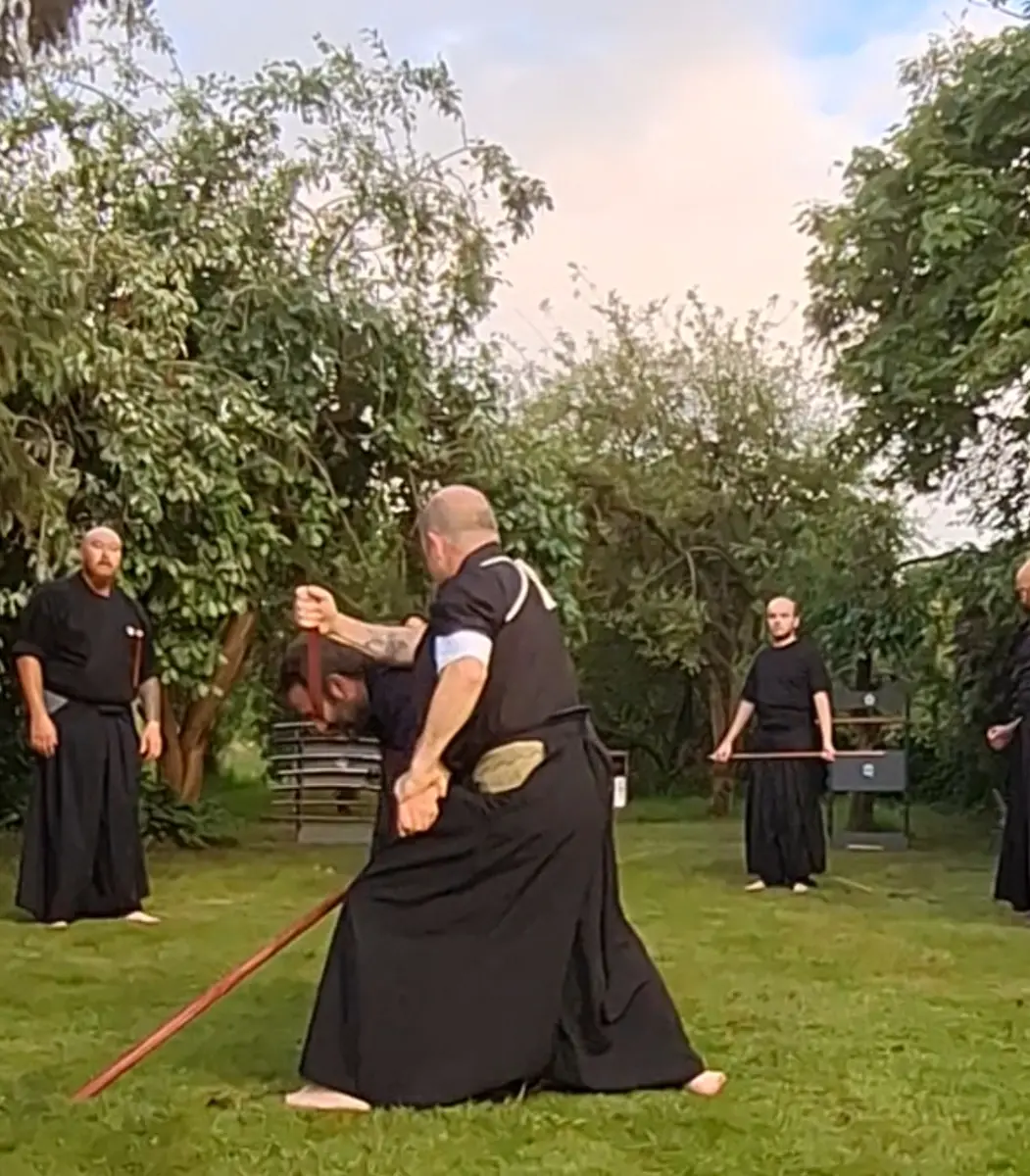
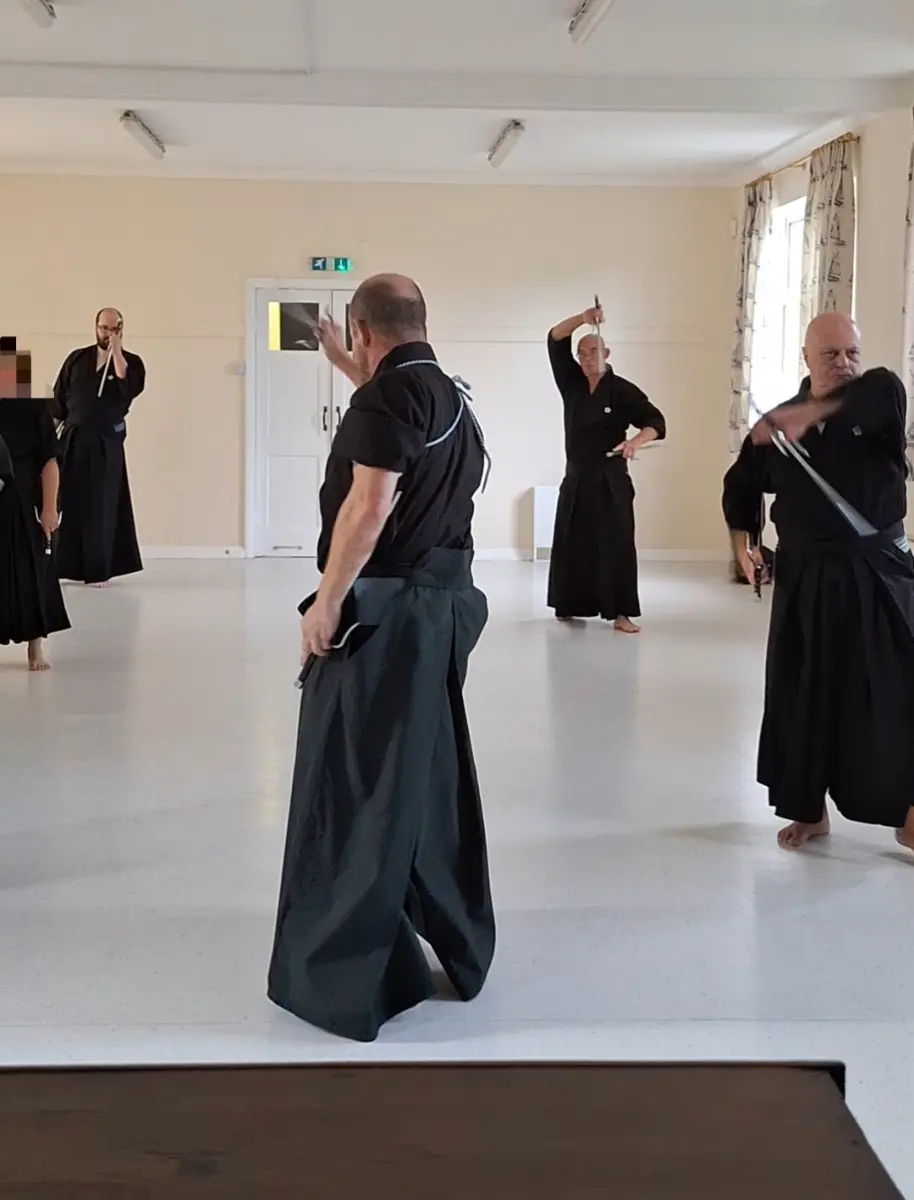
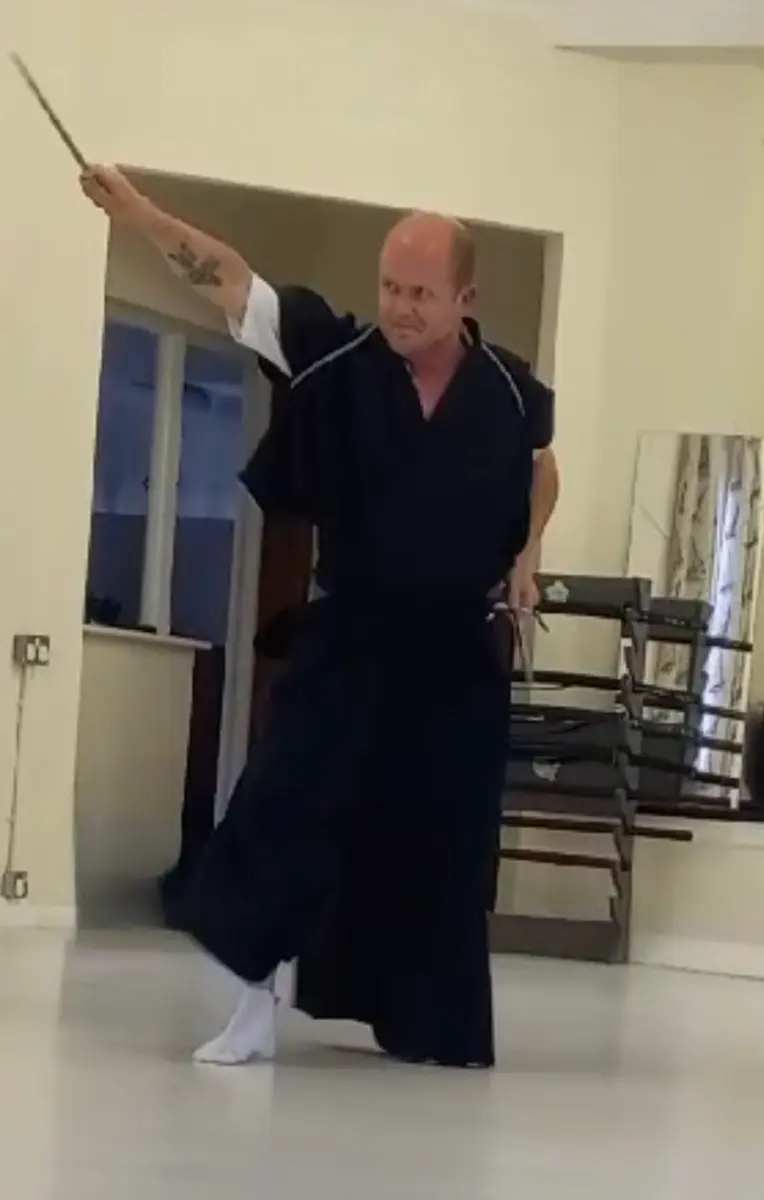
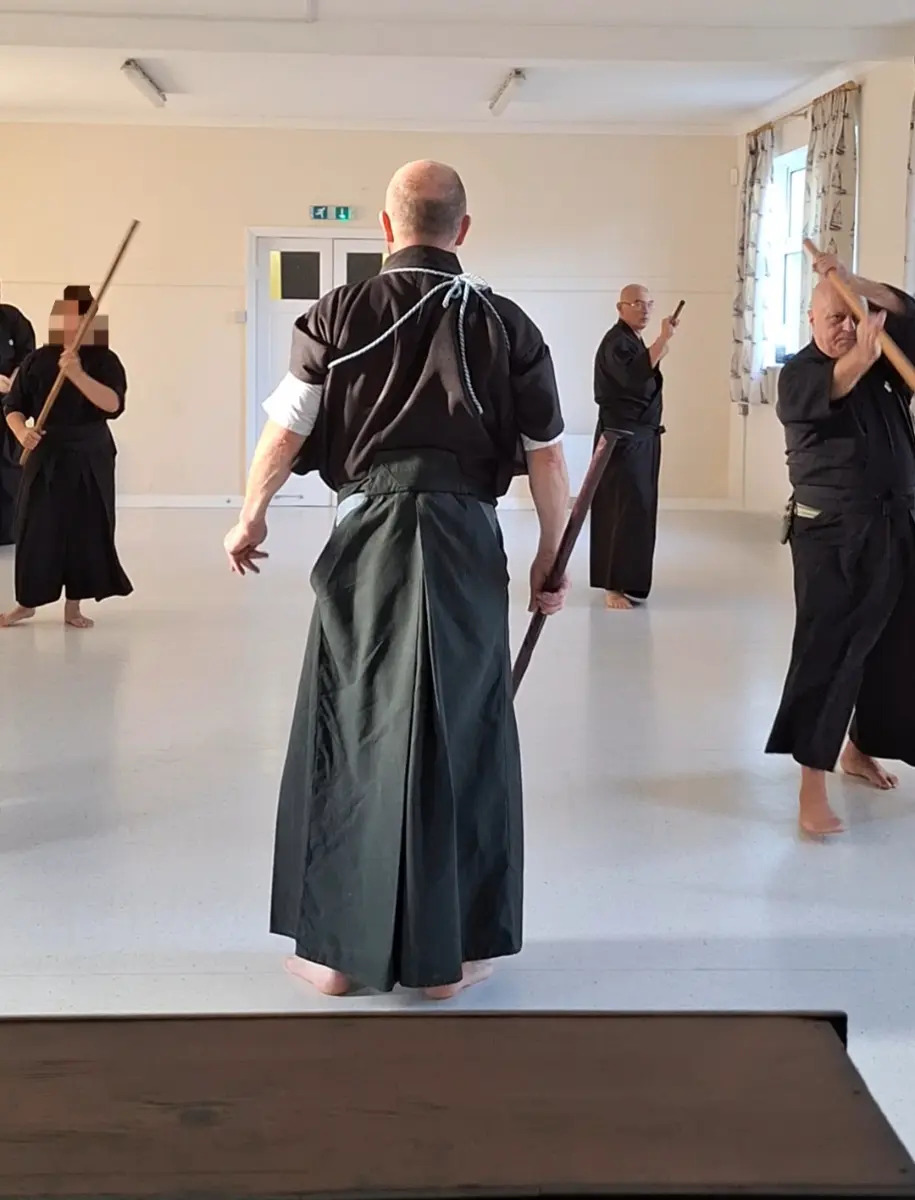
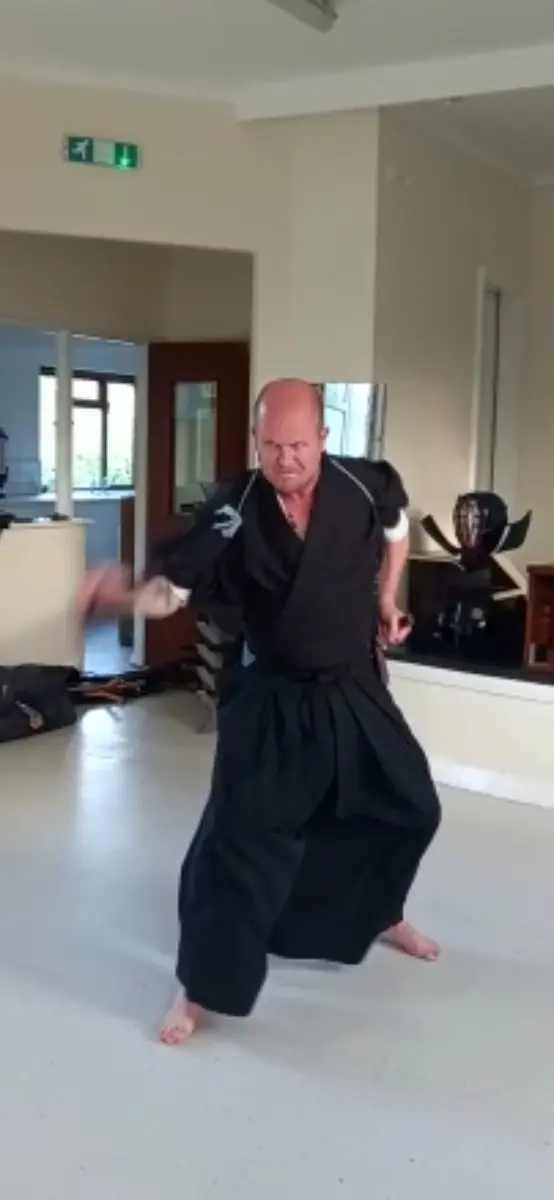

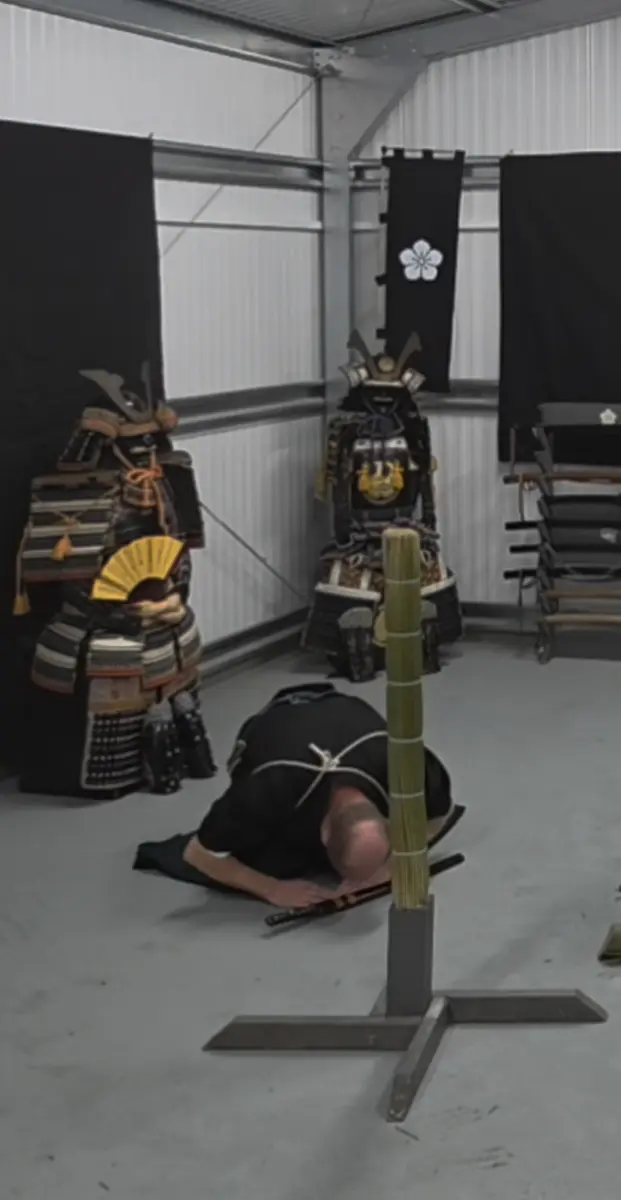

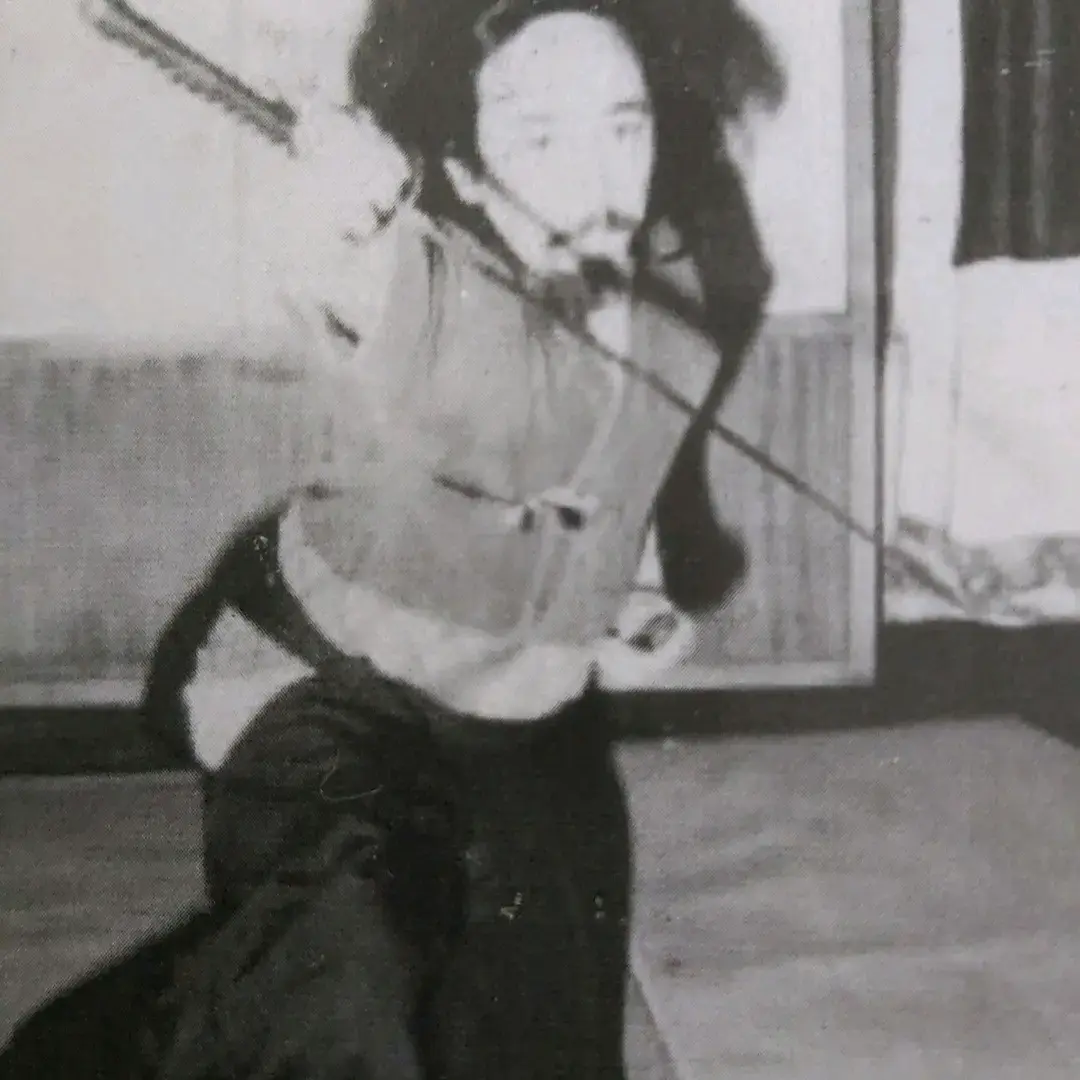
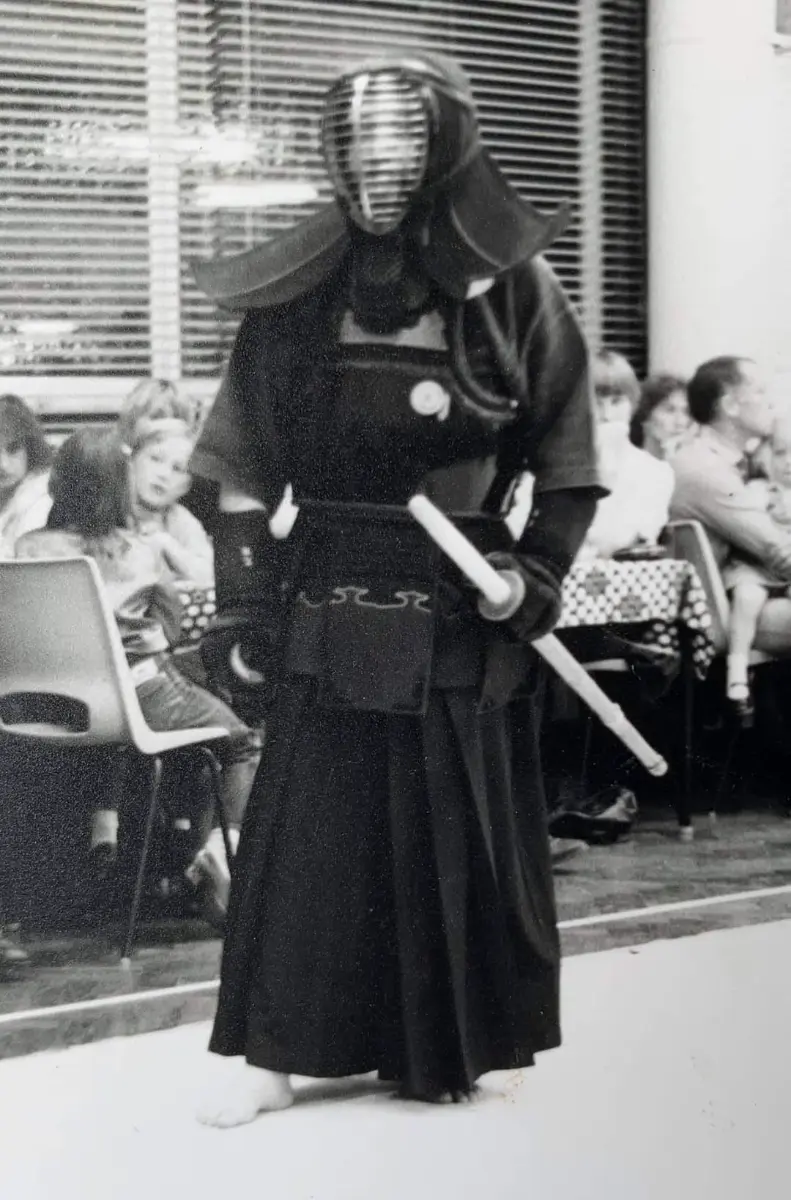
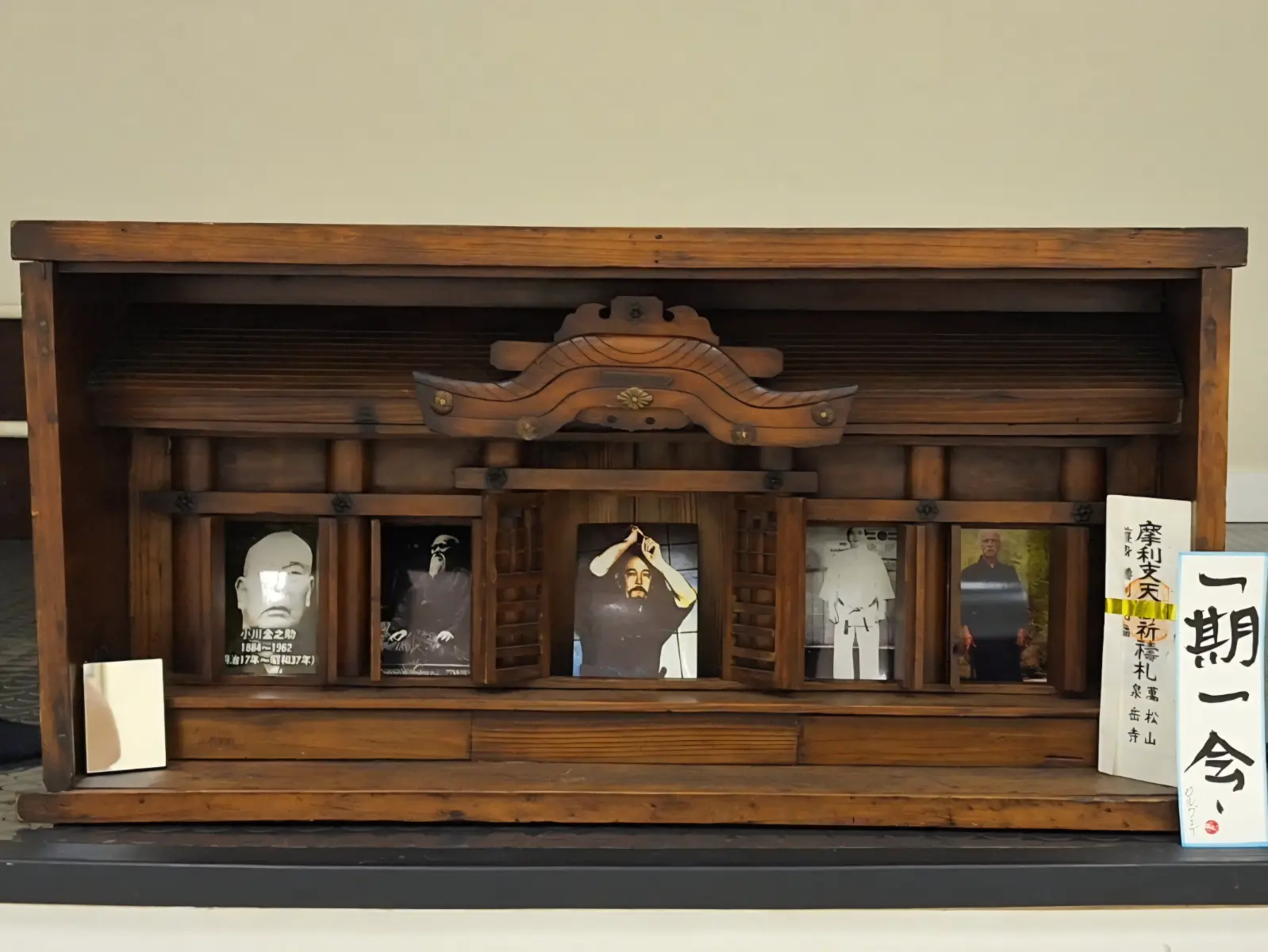
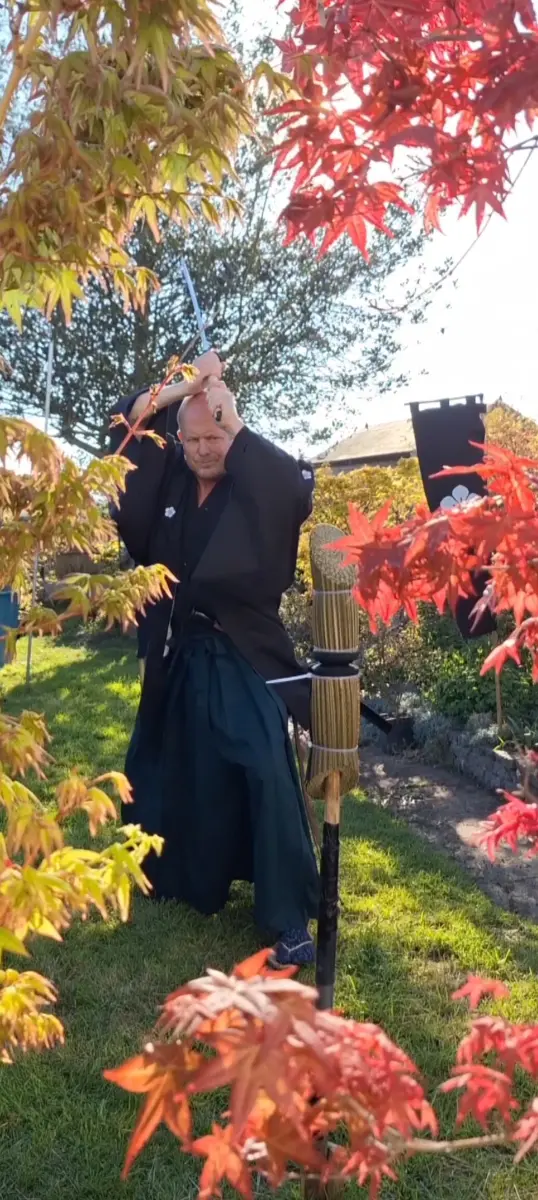
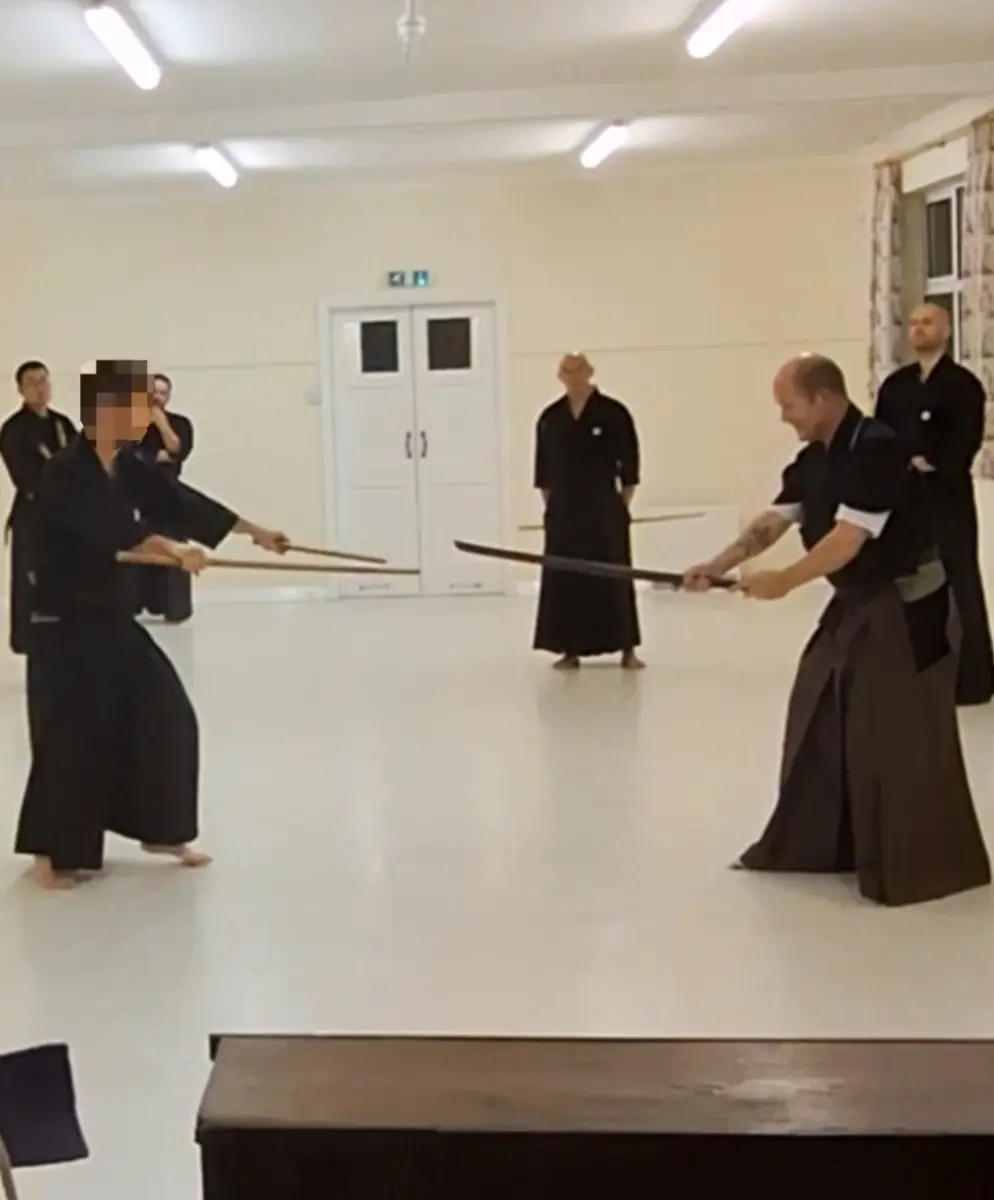
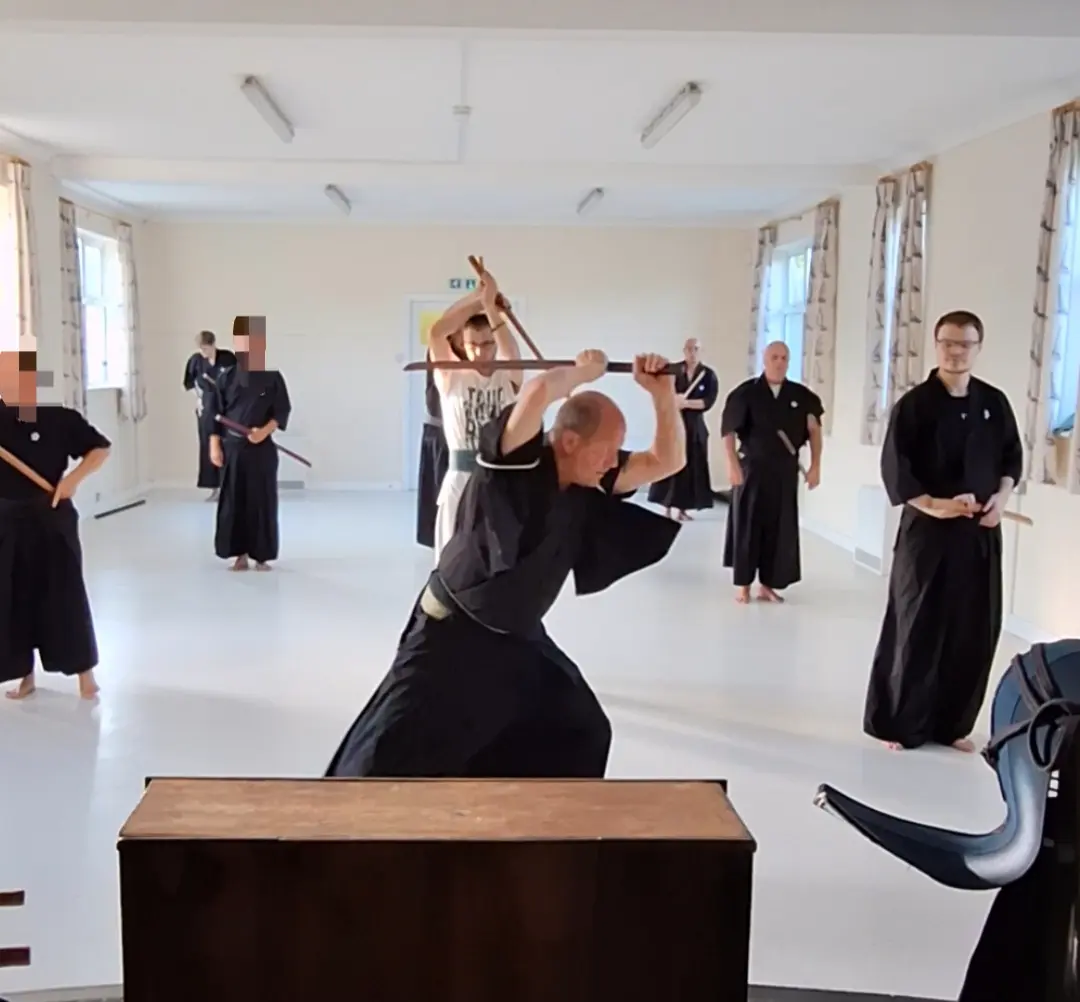
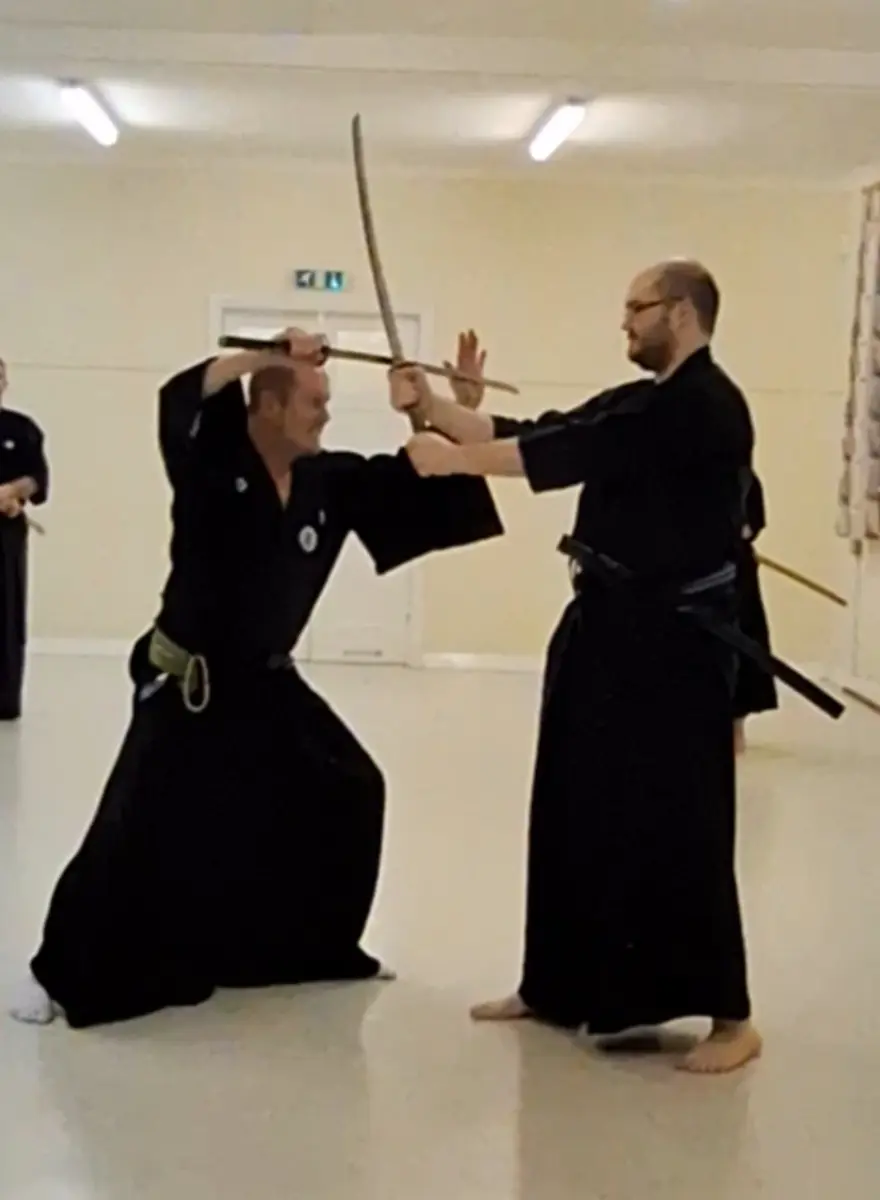
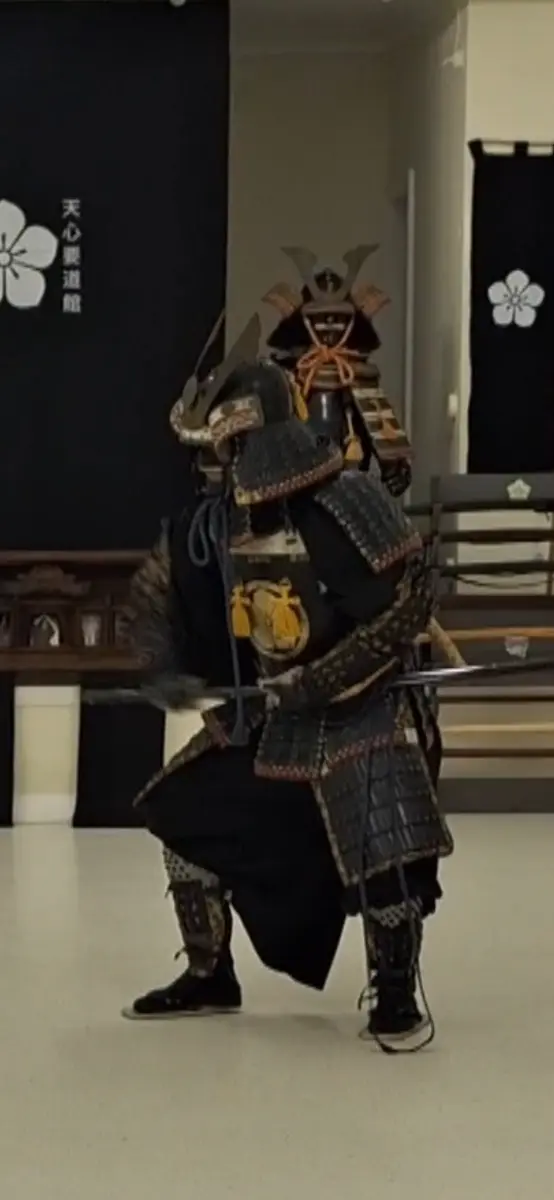
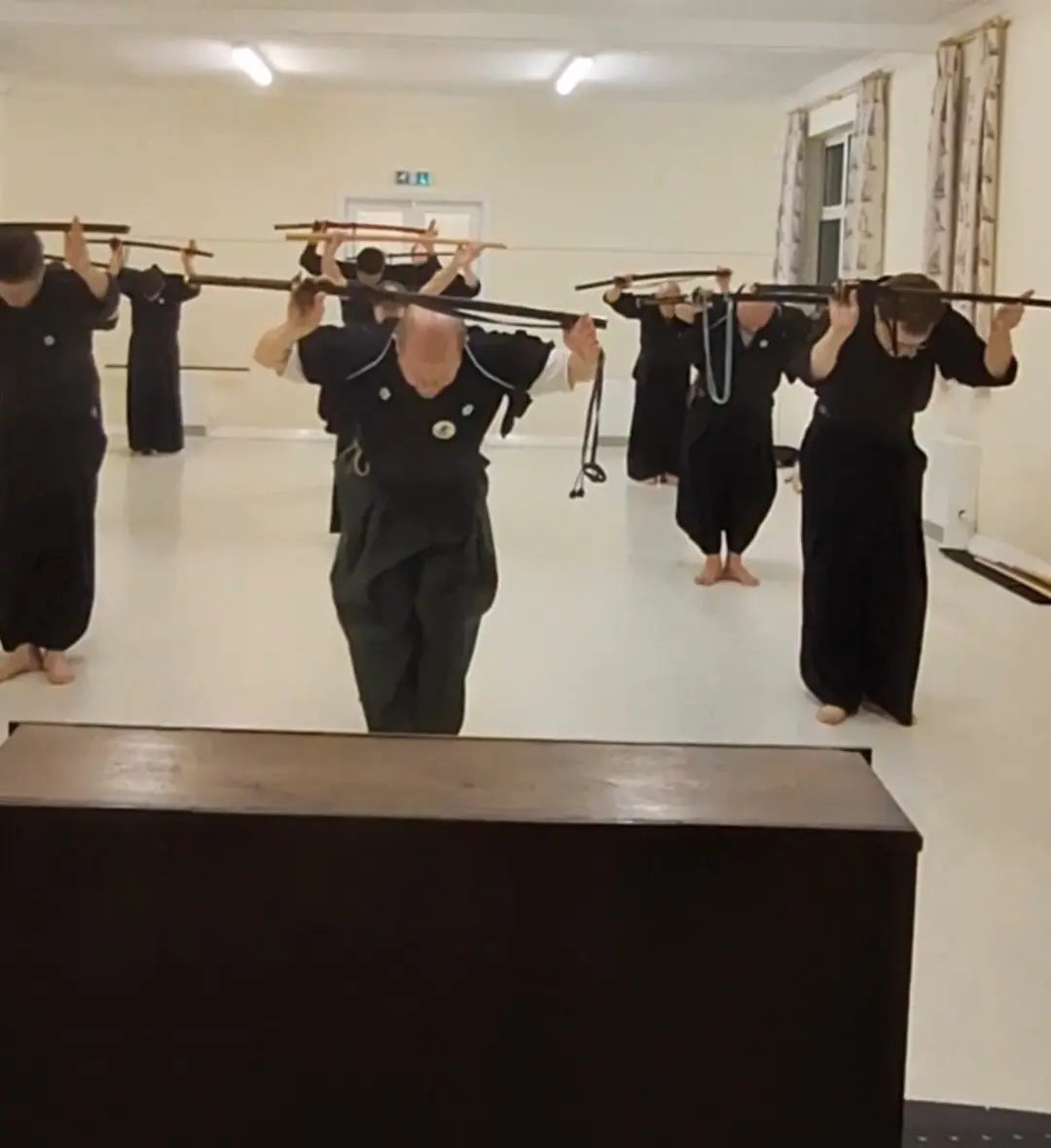
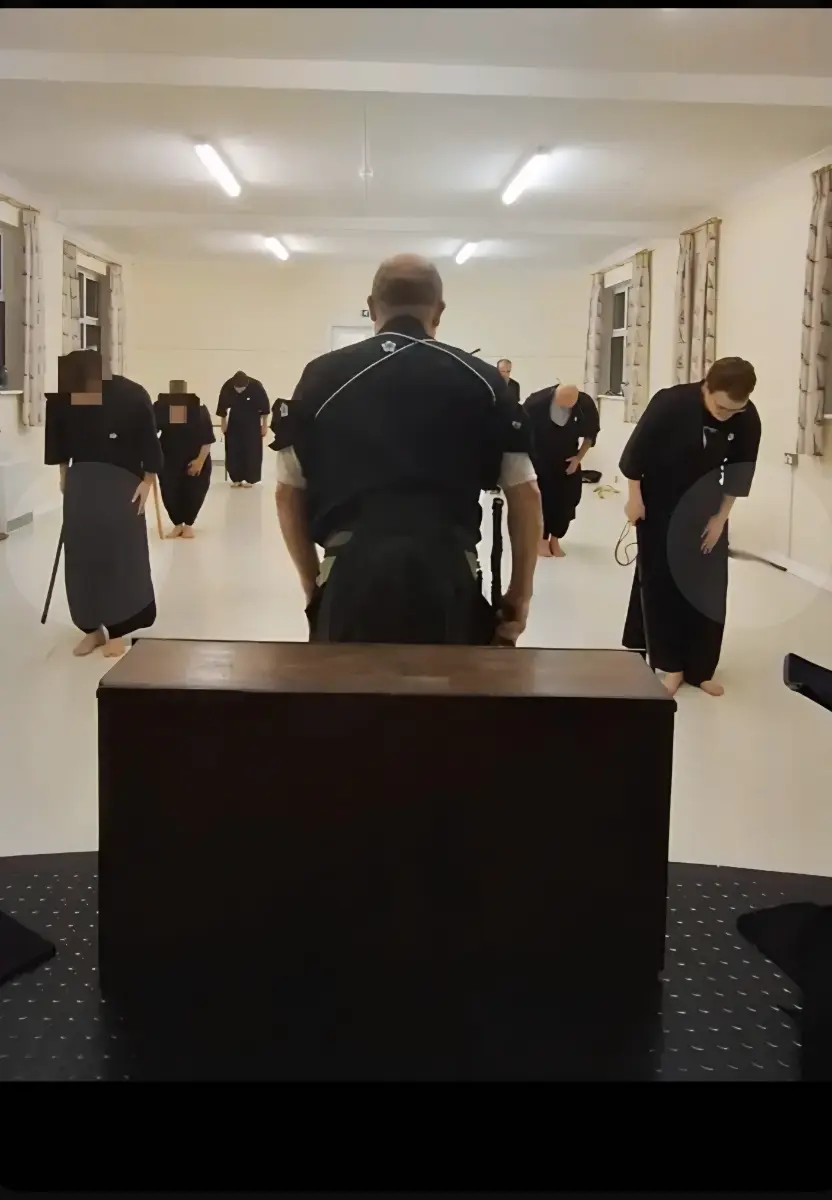
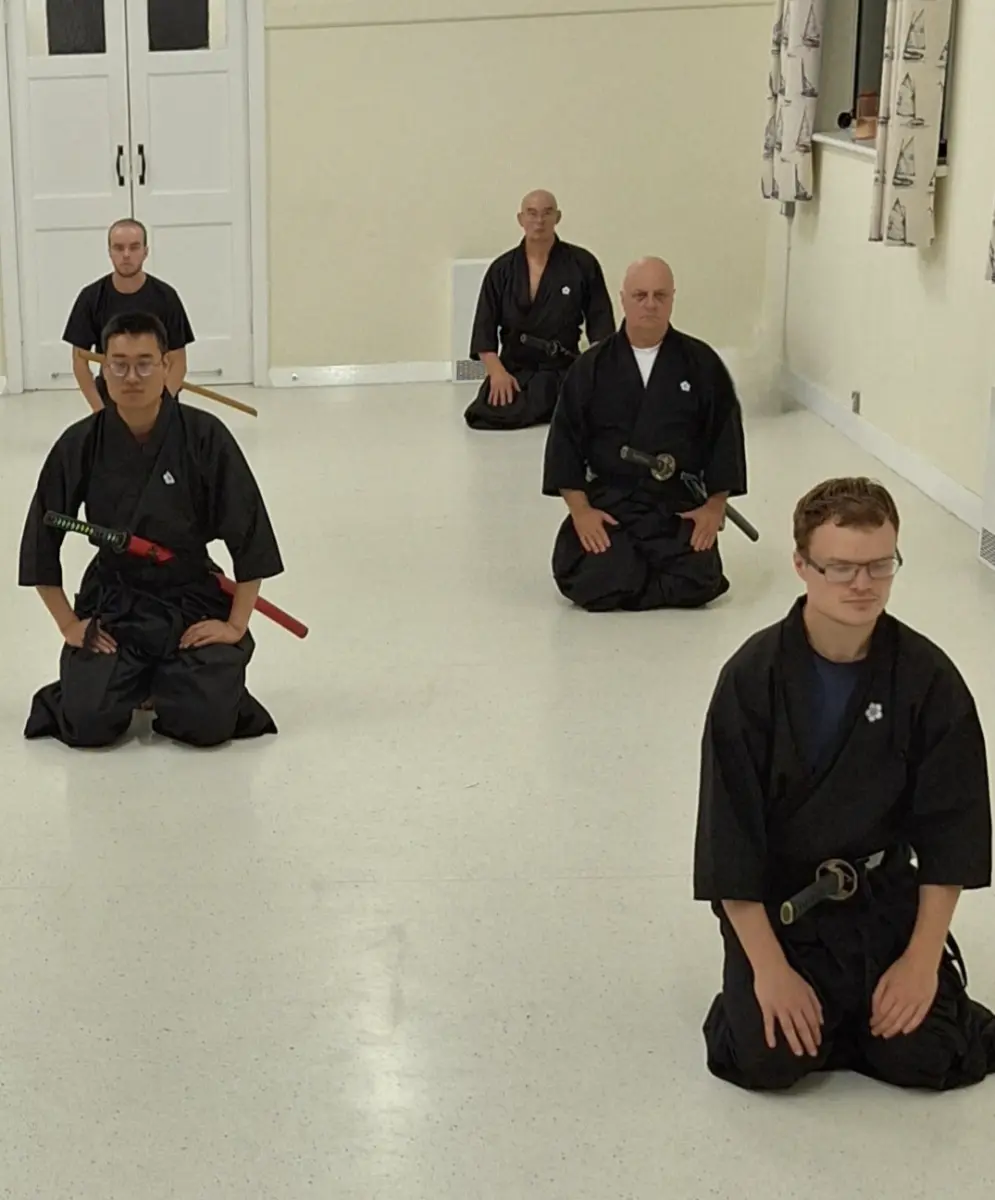 Iaido—the “Way” (dō) of drawing the sword.